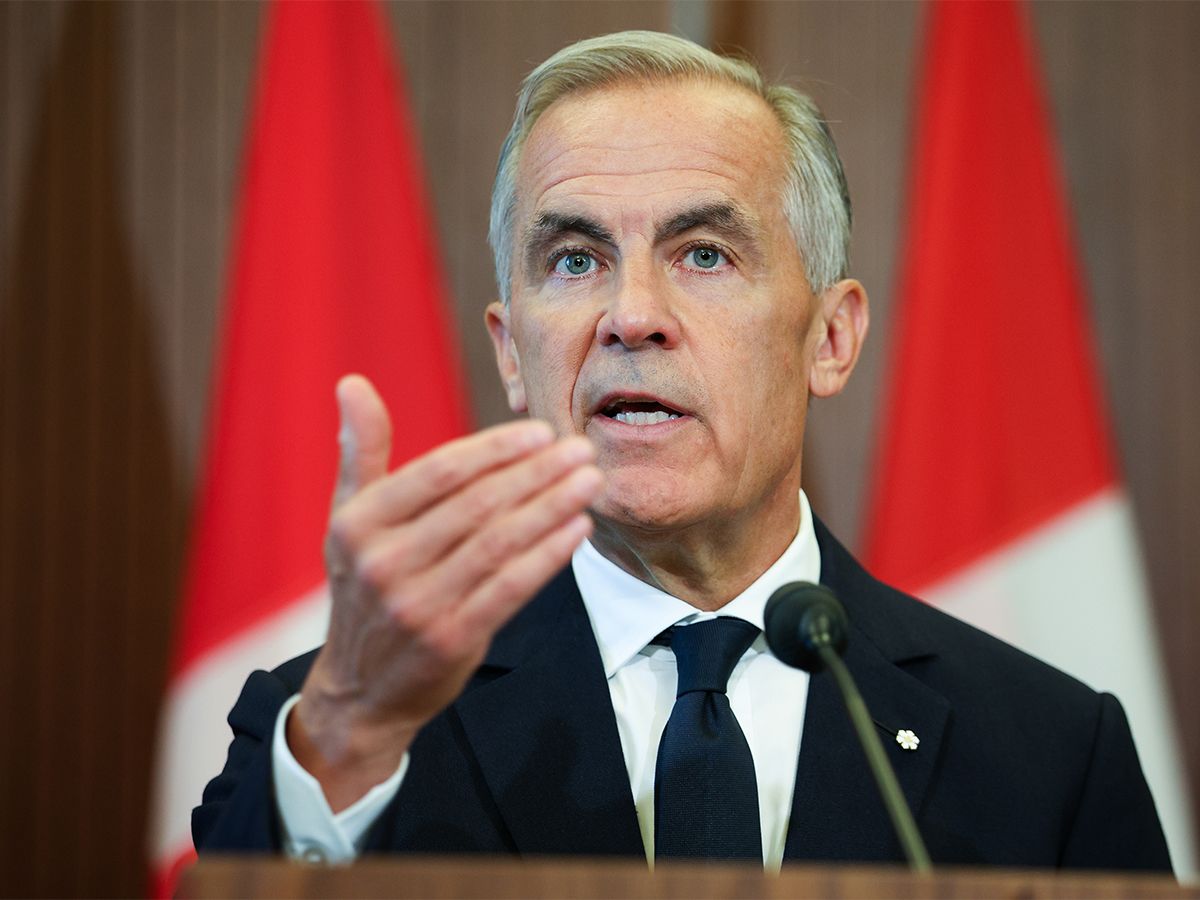
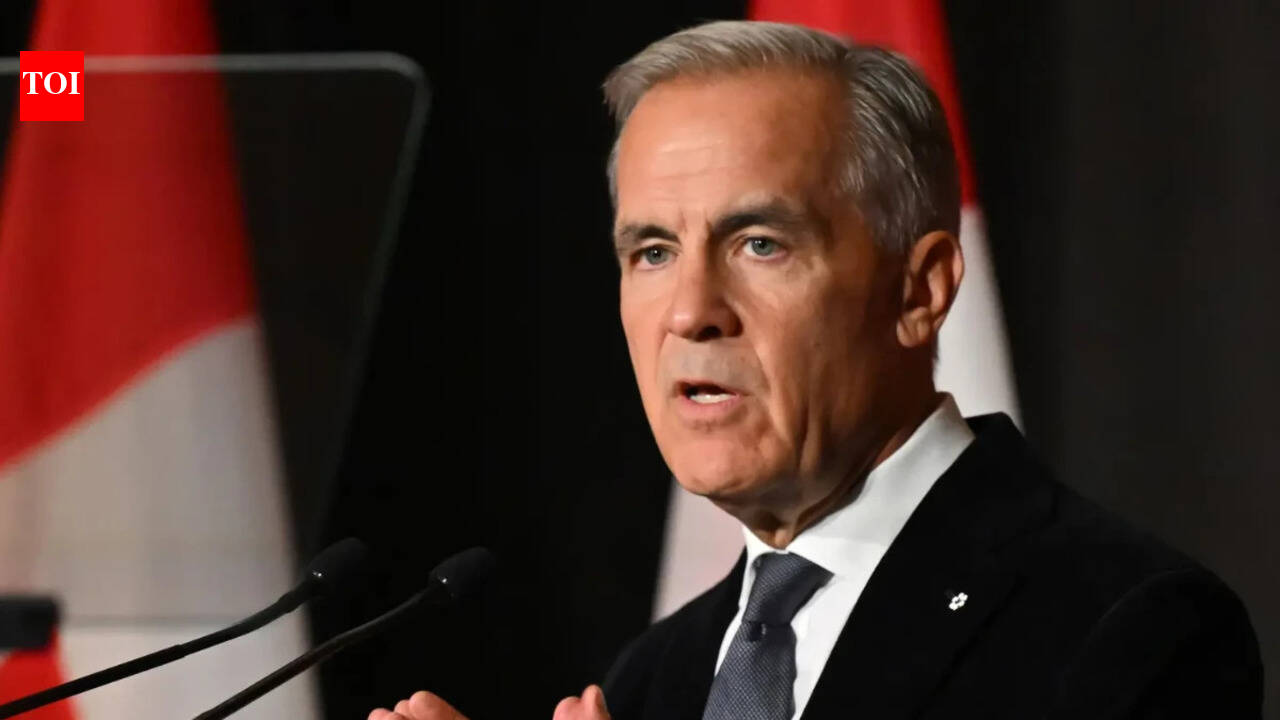
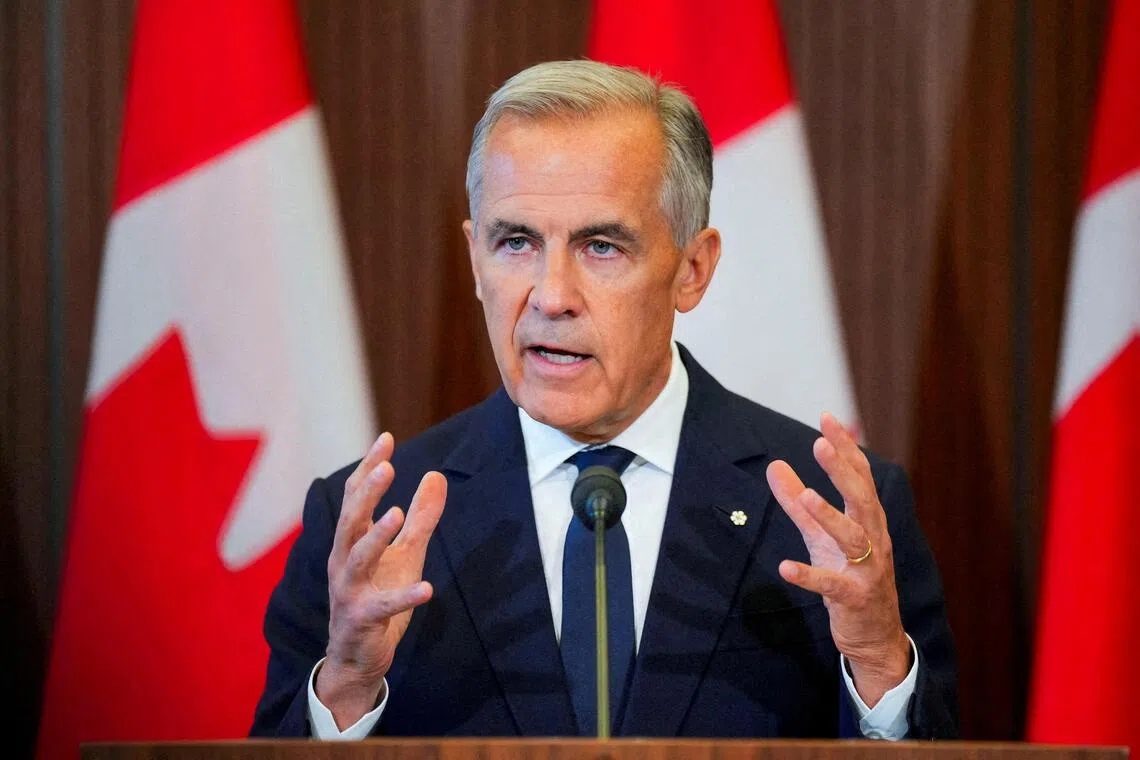
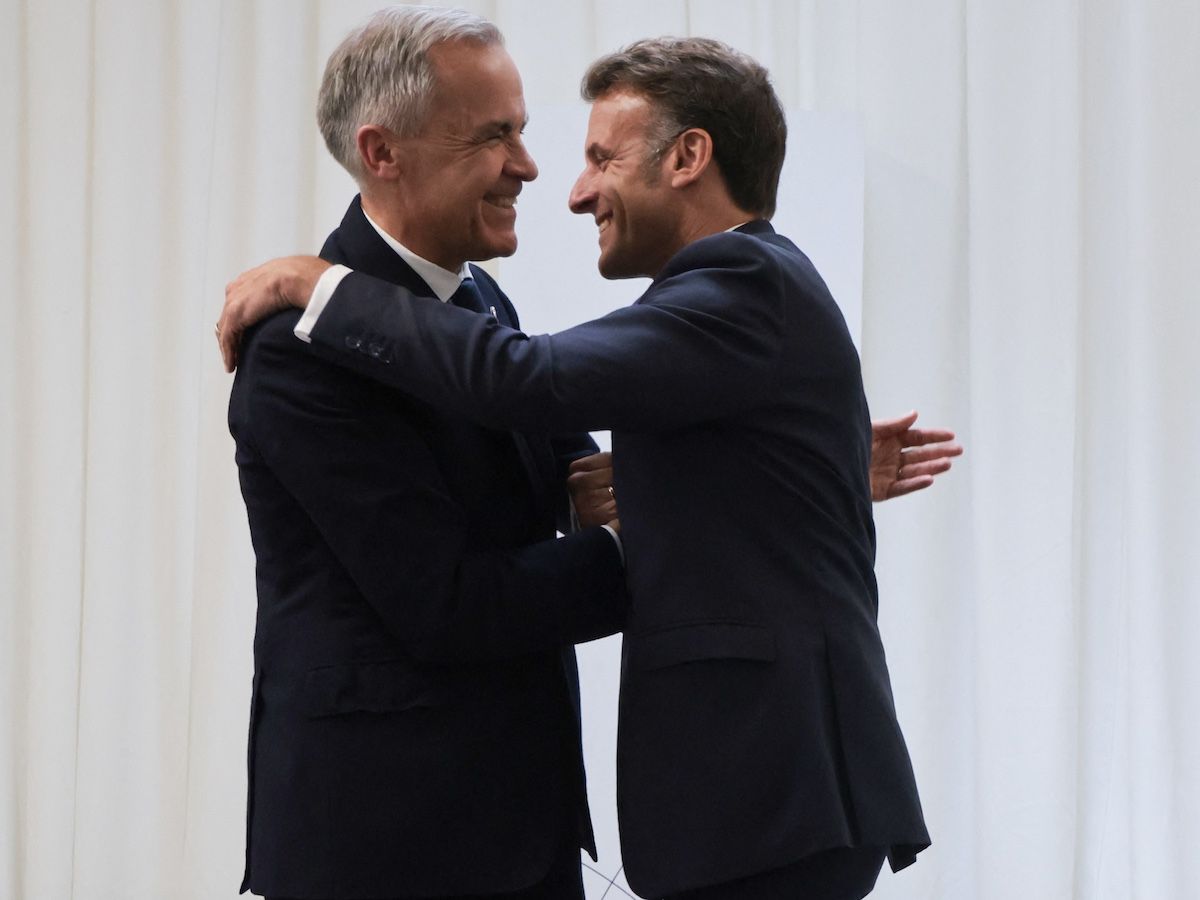
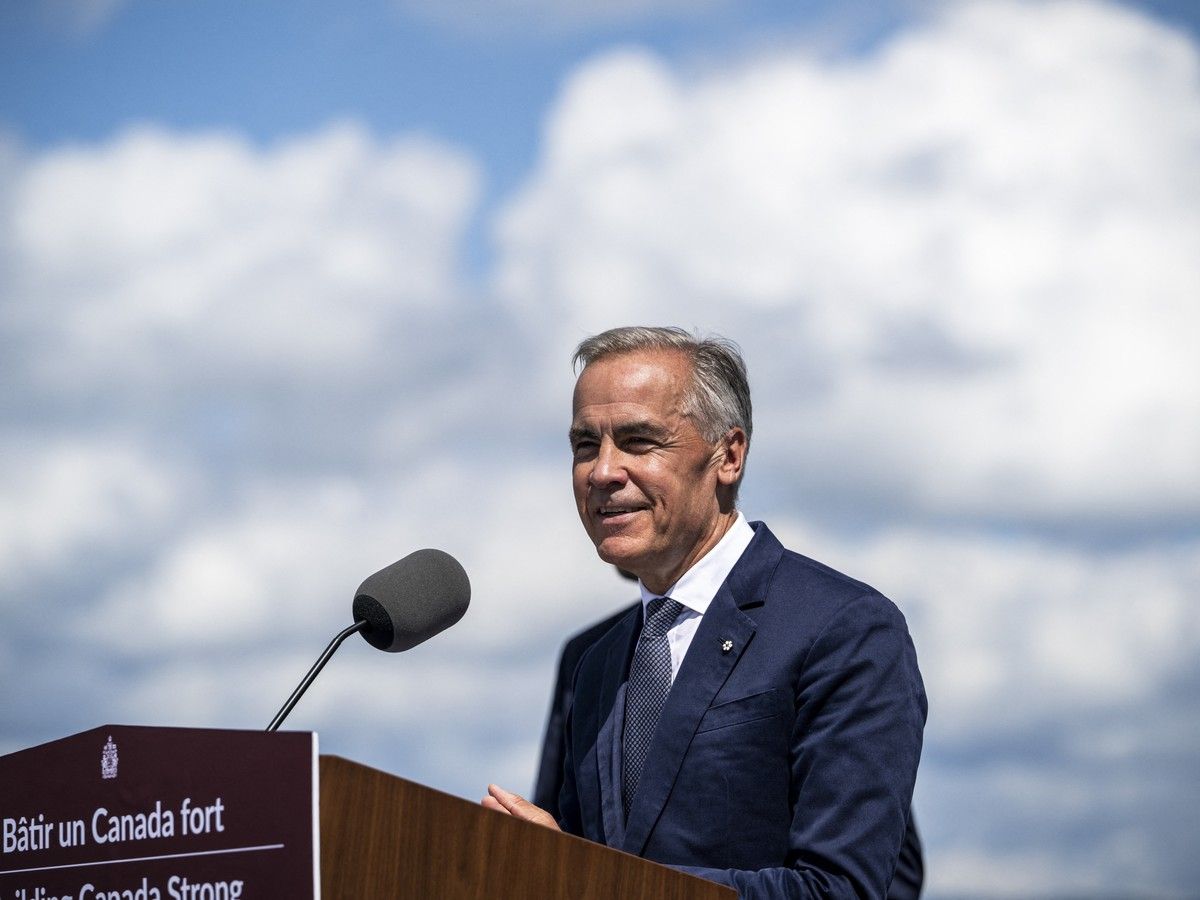
Michael Higgins suggests that Mark Carney, former Governor of the Bank of England and current Canadian Prime Minister, might be attempting to integrate Canada more closely with the European Union, potentially at the expense of Canadian sovereignty. This follows Carney’s controversial role during the Brexit referendum in 2016 when he warned about severe economic consequences if Britain left the EU. The Wall Street Journal reported that Carney is trying to negotiate a non-existent "associate member" status for Canada within the EU, though Carney downplayed these claims when questioned.
Written by the local model on 2026-09-15,
using this article's own text rather than the other coverage of the
same event (that is the story summary below).
Mark Carney’s admiration for the European Union is so deep that he was accused of aiding and abetting Project Fear, the campaign to stop the U.K. exiting the massive economic bloc.
asserted
U.K. → accuse → bloc
As governor of the Bank of England, he failed to stop Brexit but as prime minister his Project Fear II against the U.S. has been far more successful and far more galvanizing.
asserted
Fear → fail → U.S.
If Wall Street Journal is to be believed, Carney is now trying to integrate Canada into the European Union, a move that would surely entail a loss of sovereignty and independence far greater than anything we could surrender to America.
uncertain
we → believe → America
The prime minister suggested on Sunday that the Journal’s reporting overstated what the government is seeking.
uncertain
government → suggest → what
Recommended Videos
It is worth recounting why people in the U.K., who had endured decades of European Union oversight, voted to quit the European market: it was to regain their sovereignty and free themselves from the bureaucratic tyrants in Brussels.
asserted
it → recount → Brussels
In 2016, after almost half a century of membership in some sort of European union, the U.K. voted by 52 per cent to 48 per cent to leave.
asserted
U.K. → vote → cent
She warned about the dangers of a “European conglomerate” with decisions “taken by an appointed bureaucracy” that suppressed nationhood.
“We have not successfully rolled back the frontiers of the state in Britain, only to see them reimposed at European level, with a European super-state exercising a new dominance from Brussels,” said Thatcher.
asserted
Thatcher → warn → Brussels
Canada should heed her warning which is still pertinent today.
asserted
which → heed → warning
In the years that followed her speech, the EU got stronger with treaties that harmonized borders, security and regulations.
asserted
that → follow → borders
Eurosceptic fears increased and were stoked — sometimes unfairly — by some media stories about overzealous EU rules (such as the EU banning “bendy” bananas.)
asserted
EU → increase → bananas
When U.K. Prime Minister David Cameron called a referendum on EU membership, Carney was running the Bank of England governor and was accused of overstepping his role in trying to keep the U.K. in the union.
asserted
Carney → call → union
In one memorable clash at a parliamentary committee, Conservative MP Jacob Rees-Mogg accused Carney of singing “a paean of praise” about the benefits of EU membership.
“Did the Bank of England consider whether it was in the public interest to risk its reputation for impartiality?” asked Rees-Mogg with a question that reflected deep unrest about Carney’s political interference in the referendum.
asserted
that → accuse → referendum
There were calls for Carney to resign when he was again accused of playing politics by warning that Brexit would cause a recession in Britain.
asserted
Brexit → be → Britain
Carney’s forecast was wrong and the U.K. never entered a recession because of Brexit, although a House of Commons report in 2020 commented on “slower economic growth.”
asserted
report → enter → growth
Ten years after that momentous referendum, Carney is making overtures to the EU on behalf of Canadians.
asserted
Carney → make → Canadians
The Wall Street Journal reported that Carney is trying to negotiate Canada becoming an “associate member” of the EU even though that status doesn’t exist.
asserted
status → report → EU
When asked about the story, Carney said the government isn’t seeking membership, but rather a “unique alliance” with the EU.
asserted
government → ask → EU
It isn’t clear what any of this means, exactly.
asserted
any → mean → this
The day after Carney broke off trade talks with the U.S., the prime minister, in his speech about defending Canadian sovereignty, said, “This fall, we will begin discussions with the European Union — the world’s second-largest economy — to build a much stronger and deeper security and economic partnership.”
asserted
we → break → security
What does this “economic partnership” or “associate membership” look like?
asserted
partnership → look → What
Maybe we’ll learn more when he addresses the European Parliament in Strasbourg on Thursday (but wouldn’t it be nice if he told Canadians first?
asserted
he → learn → Canadians
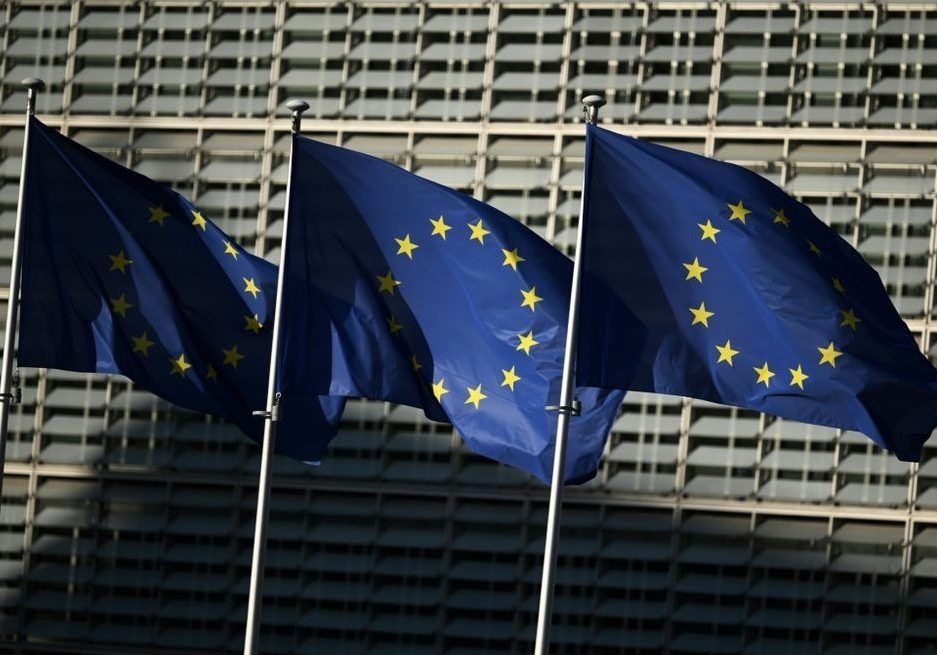
What we do know is that the EU has grown from six members in 1951 when it was the European Coal and Steel Community to the 27-member bloc it is today.
asserted
it → know → bloc
“Over time, it has become a supranational entity that resembles a federal state and is governed by a byzantine bureaucracy in Brussels.
asserted
that → become → Brussels
The EU claims to have brought about prosperity and stability in Europe, but those claims are increasingly at odds with reality,” said the U.S.-based Cato Institute at the time of the U.K. referendum.
uncertain
Institute → claim → referendum
Public opinion in the five largest EU member states — France, Germany, Italy, Poland and Spain — favour admitting Canada to the EU although Carney has stated, “That’s not the intent.
asserted
That → favour → EU
That’s not the pathway we’re on.”
asserted
we → ’ → ?
But as Carney pointed out in a statement at the weekend, Canada and the EU have recently signed various agreements to increase trade, economic security, the “digital transition,” as well as shared priorities on defence and security.
asserted
Canada → point → defence
We are pursuing “common interests” in our “growing role as a trusted partner to Europe,” said the prime minister.
asserted
minister → pursue → Europe
Like it or not — and most people right now probably like it — we are being driven into the arms of an economic, political and bureaucratic behemoth by a prime minister who has shown himself besotted with the EU and not afraid to use Project Fear to achieve his ends.
asserted
who → like → ends
The U.S. wants to swallow us, while Europe only wants to help us, appears to be the prime minister’s message as he points the way to a new Utopia.
asserted
he → want → Utopia
But as Thatcher warned at Bruges so many years ago, “Utopia never comes, because we know we should not like it if it did.”
asserted
it → warn → it
 The Aporia