The U.S. military is straining under the pressures of the Iran war, according to two U.S. officials familiar with operations in the Middle East.
uncertain
military → strain → East
One cautioned that this stress could lead to a “breakdown” in the military’s ability to effectively continue a war that President Donald Trump said would end in early April.
uncertain
Trump → caution → April
As the conflict has engulfed the region, the military has grappled with a growing list of challenges: Iranian attacks on U.S. bases and warships in the Middle East, depleted stockpiles of defensive munitions, increasing casualties, maintenance issues on ships, lengthy troop deployments, complicated logistics, flagging morale and a host of other issues that have taken a heavy toll on troops, damaged military readiness, and a strained Pentagon budget — contradicting months of rosy pronouncements by the Trump administration.
asserted
that → engulf → administration
Both officials said that Iran is facing extreme economic pressure, according to intelligence reports.
uncertain
Iran → say → reports
The first official characterized recent Iranian attacks on warships with ballistic missiles as a “go for broke” strategy to increase economic pressures on America ahead of the U.S. midterms.
asserted
official → characterize → midterms
That official said it was unclear which country would “blink first.”
uncertain
country → say → ?
Trump suggested on Sunday that the U.S. could “stay and keep the oil” in Iran, like the neo-colonial resource grab the administration is carrying out in Venezuela.
uncertain
administration → suggest → Venezuela
The second official said that a U.S. occupation of Iran would be “almost impossible” and that the idea was “nonsensical obviously.”
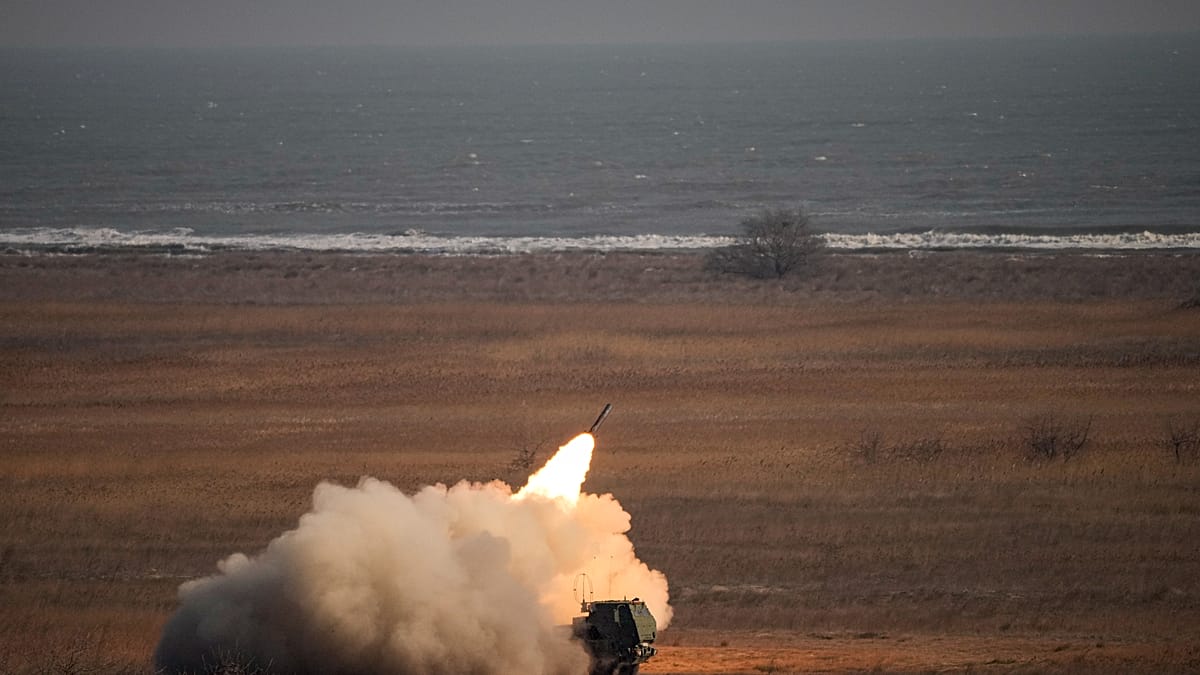
Iran’s ability to overwhelm U.S. air defenses in the Middle East using attack drones and advanced ballistic missiles, as previously reported by The Intercept, has left the U.S. military in a precarious state.
asserted
ability → say → state
The Trump administration failed to appreciate Iran’s military prowess, said the first official.
asserted
official → fail → prowess
The other pointed to a “complete lack of planning” for the war.
asserted
other → point → war
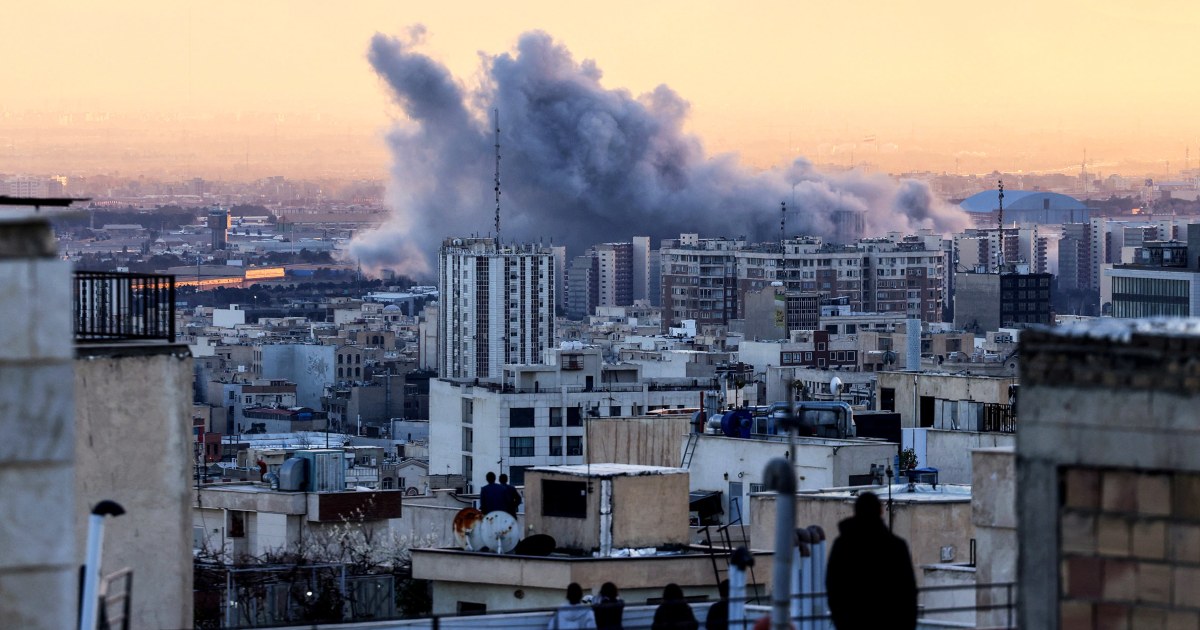
The officials said the military’s ability to function at peak capacity was crippled in the opening hours of the conflict when an Iranian missile and drone attack on February 28 destroyed Navy facilities in Manama, Bahrain, the region’s most critical logistics hub.
asserted
attack → say → Manama
The Pentagon claimed for months that the strikes did not significantly impact military operations, but last week acting Navy Secretary Hung Cao admitted “they blew the hell out of Bahrain.”
asserted
they → claim → Bahrain
“We’re not getting back in there anytime soon,” said Chief of Naval Operations Adm. Daryl Caudle, the Navy’s highest-ranking officer, during a recent town hall.
asserted
Caudle → get → hall
A Wall Street Journal investigation previously found that rebuilding the U.S. Navy’s Fifth Fleet headquarters, barracks, and communication towers at NSA Bahrain may cost more than $400 million, which the second official said could be an underestimate if it’s ever attempted.
uncertain
it → find → million
Naval Forces Central Command referred questions about the cost estimate to Central Command, which did not respond.
asserted
which → refer → Command
Trump has touted the destruction of Iran’s navy as one of his signature accomplishments of the war, but the officials pointed to the severe strain placed on U.S. naval forces in the region.
asserted
officials → tout → region
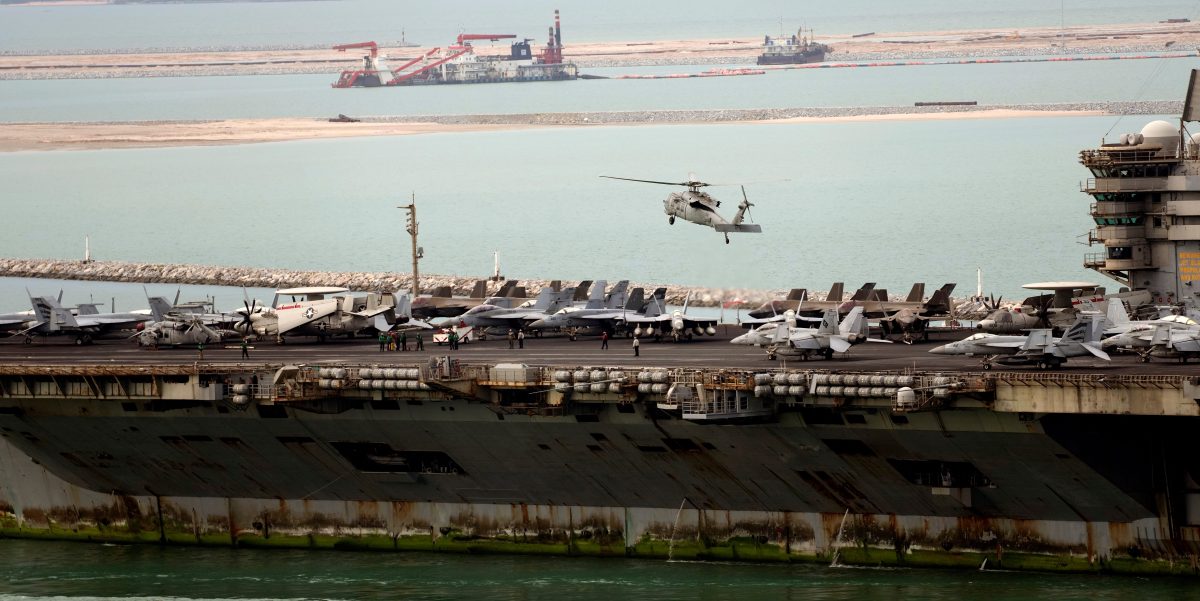
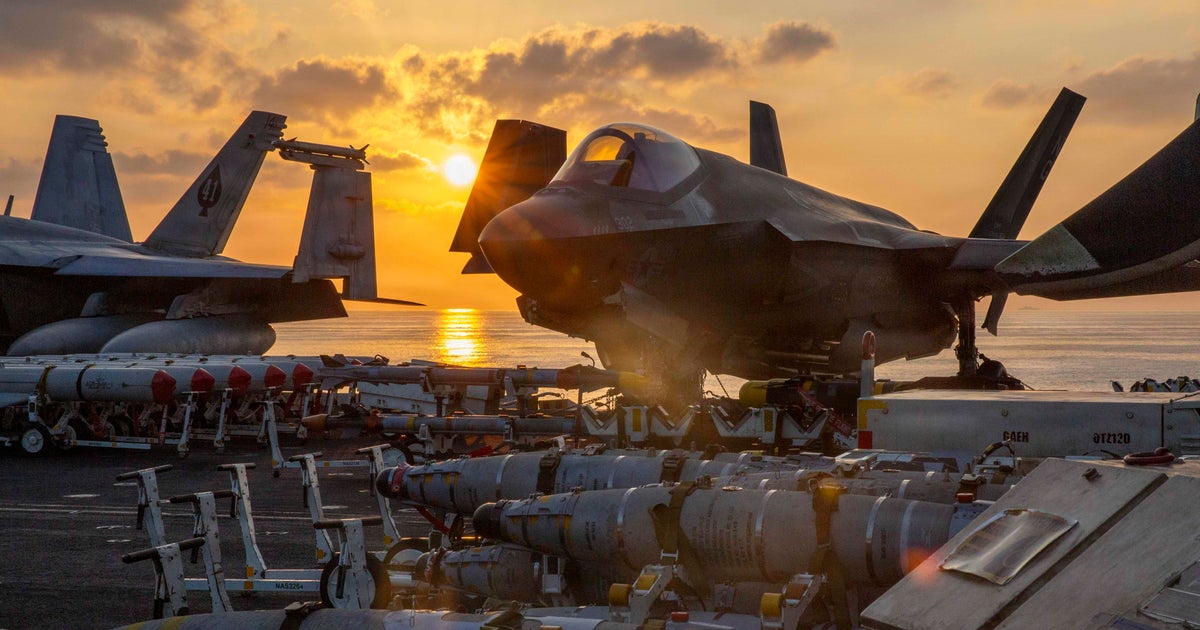
With the home of the Fifth Fleet knocked out and other ports in the region within range of Iranian missiles and drones, the Navy found itself facing the daunting challenge of maintaining a flotilla of more than 24 ships — including two massive aircraft carriers and numerous guided-missile destroyers and cruisers, attack submarines, or supply ships deployed at any one time.
asserted
itself → knock → time
While aircraft carriers are nuclear-powered, the planes and helicopters on them, as well as the other ships, require millions of gallons of fuel each week.
asserted
planes → power → fuel
And the sailors aboard the ships require hundreds of thousands of meals.
asserted
sailors → require → meals
This means Navy ships need to haul supplies more than 2,000 miles from a longtime U.S. base on the Indian Ocean island of Diego Garcia.
asserted
ships → mean → Garcia
A War Department inspector general report released on Monday noted that the shift in “naval bases and support ports posed significant challenges,” pointing specifically to the “issue with shifting logistics support and infrastructure to Diego Garcia” and the challenges of “extended sea transit requiring 14- to 18-day logistics cycles.”
asserted
shift → release → cycles
“It’s difficult and ultimately unsustainable,” said the second official, who told The Intercept that White House assumptions that Iran would “crack” before the Navy have yet to be borne out.
asserted
Iran → ’ → Navy
The Navy has just 11 aircraft carrier strike groups, and amid the ongoing strain of extended deployments, its oldest carrier, the USS Nimitz, has seen its service life extended.
asserted
life → have → deployments
So far, four of the 11 carrier strike groups have already been deployed to the Middle East during the war.
asserted
four → deploy → war
Some of the remaining carriers are undergoing substantial repairs and will not be ready to deploy again for years.
asserted
Some → remain → years
The USS Gerald R. Ford Carrier Strike Group completed a record-breaking, 11-month deployment that also included the invasion of Venezuela.
asserted
that → complete → Venezuela
(Under normal conditions, a carrier would visit port about once a month to allow its crew to rest.)
asserted
crew → visit → port
The ship was, according to a Presidential Unit Citation, under “persistent threat from enemy missiles and one-way attack drones” during its deployment to the Middle East.
uncertain
ship → accord → East
Early in the Iran war, the Ford suffered extensive damage from a laundry fire and a malfunctioning fire-suppression system that forced crew members to manually fight the blaze for around 30 hours.
asserted
that → suffer → hours
The fire halted sorties for two days, and around 600 sailors lost access to their bunks due to the damage.
asserted
sailors → halt → damage
The Navy claimed few casualties from the blaze, but reports soon emerged that the more than 200 sailors were treated for smoke inhalation or lacerations.
asserted
sailors → claim → inhalation
The Ford has also been plagued by plumbing issues for years.
asserted
Ford → plague → years
Before the Ford left the Caribbean, it was facing constant issues with the nearly 650 toilets aboard.
asserted
it → leave → toilets
And then in the Middle East, the carrier again suffered from clogged, excrement-filled toilets, according to video obtained by CNN.
uncertain
carrier → suffer → CNN
Another carrier, the USS Abraham Lincoln, spent most of its nine months at sea with no port calls, leading to reports of rampant morale problems, supply shortages, and suicide attempts, with at least one crew member going overboard.
asserted
member → spend → problems
At an August 11 town hall in San Diego, families expressed deep concerns about their loved ones to Cao, the acting Navy secretary.
asserted
families → express → Cao
But Trump dismissed worries about the sailors, saying the Lincoln’s deployment was “not nearly long enough.”
asserted
deployment → dismiss → sailors
Last month, the Lincoln was relieved by the USS George Washington, allowing the heavily rusted Lincoln to pull into Thailand for a port call.
asserted
Lincoln → relieve → call
Those ships have left the region but sailors remain under persistent threat.
asserted
sailors → leave → threat
The Islamic Revolutionary Guard Corps targeted a U.S. aircraft carrier and guided-missile destroyer with ballistic missiles this month, according to Central Command.
uncertain
Corps → target → Command
…and 61 more, not listed.
 The Aporia