Columnist Arwa Mahdawi discusses the U.S.'s involvement in Iran, which has escalated recently but is not officially labeled as war by government officials. Despite this, significant military actions have occurred, such as missile strikes causing civilian casualties, including the death of 150 people, mostly children, and a recent bombing that killed four people, one being a child. The article highlights inconsistencies in how these events are characterized by U.S. officials compared to their impact on the ground, questioning whether this conflict should be considered a war given its significant human and financial costs.
Written by the local model on 2026-09-15,
using this article's own text rather than the other coverage of the
same event (that is the story summary below).
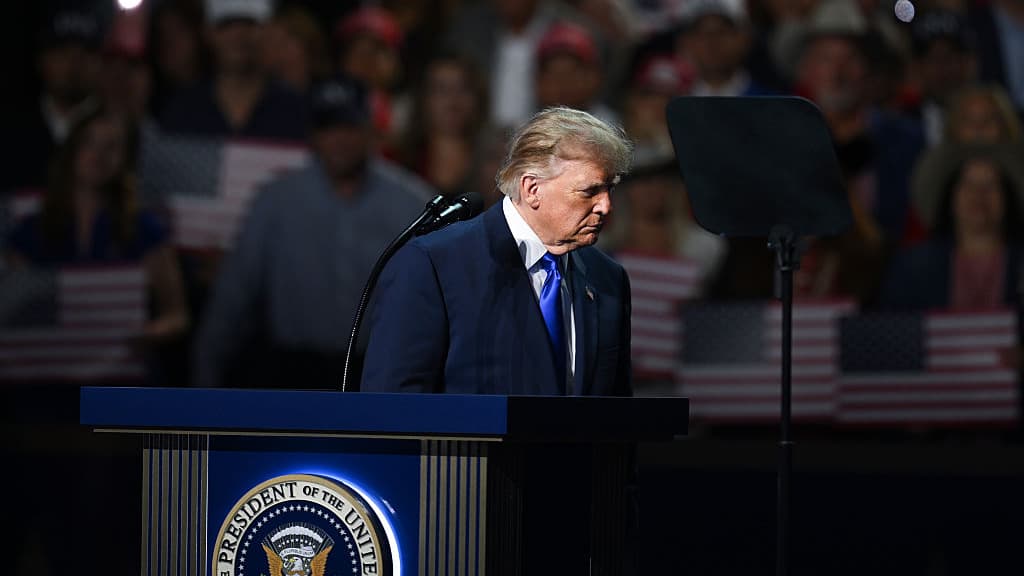
“I will not send you to fight and die in stupid foreign wars that never end,” Donald Trump promised a crowd in Pennsylvania in 2024.
asserted
Trump → send → 2024
While the disastrous conflict in Iran, which has escalated in recent days, may make it seem like the president has reneged on that promise, that’s inaccurate.
uncertain
that → escalate → promise
It would be wrong to say that the president has dragged the US into yet another disastrous forever war in the Middle East because, as government officials keep insisting, what’s happening in Iran isn’t actually a war.
asserted
happening → say → Iran
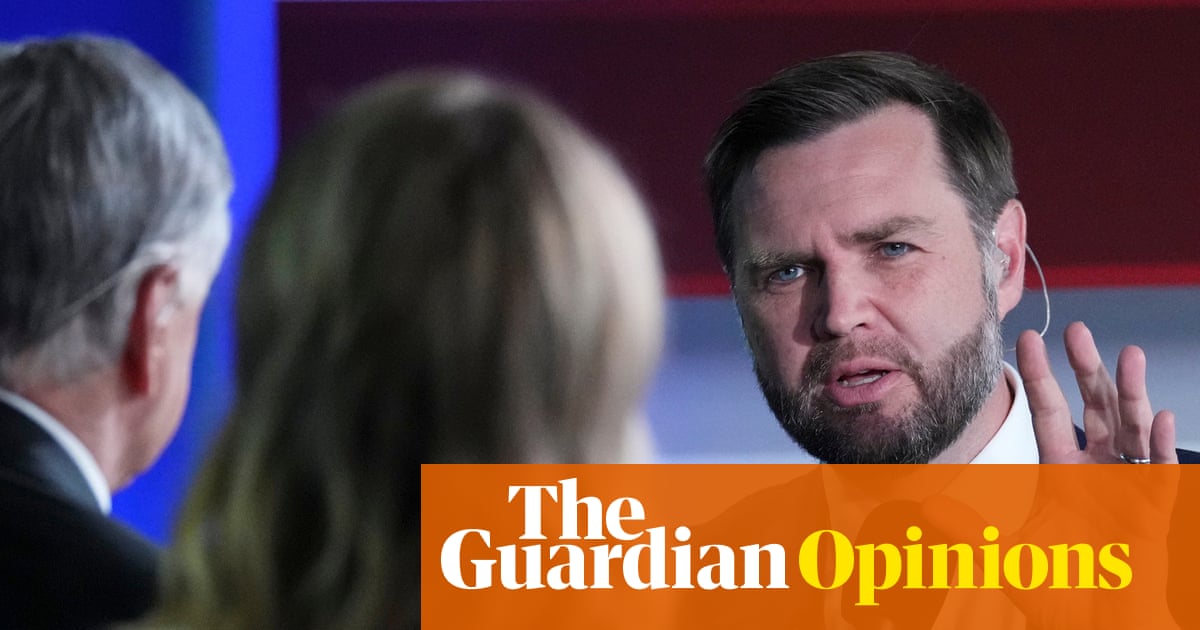
“I wouldn’t call it a war,” JD Vance told reporters early this month, for example, after being asked whether the fighting in Iran might be over by the November midterms.
uncertain
fighting → call → midterms
Earlier this month, a US missile strike hit a wedding at a private home in southern Iran, killing at least four people, including a four-year-old child and a 16-year-old.
asserted
strike → hit → child
That’s fairly restrained compared to the massacre in March when a US precision-guided missile hit an elementary school in Iran, killing 150 people, including 120 children, but it’s still something I would personally file under “possible war crimes”.
asserted
I → ’ → crimes
But not only does the Trump administration keep insisting this isn’t a real war, they’re also adamant there aren’t any real crimes being committed: the vice-president would like to stress that you shouldn’t believe your eyes or ears when it comes to the civilian deaths being reported.
asserted
it → keep → deaths
Despite a weapons expert and a visual analysis by the New York Times concluding that the bomb that hit the wedding party in a residential area of the country was American, Vance has a hunch the whole thing might have been made up by some untrustworthy brown people.
uncertain
thing → conclude → people
“The Iranian state media has not been a very good scribe about what’s happened in the conflict thus far,” Vance said at that same press briefing, in relation to the wedding massacre.
asserted
Vance → happen → massacre
“So I’m extremely skeptical of this.
asserted
I → ’m → this
The vice-president may be skeptical, but I’m confused.
uncertain
I → ’m → ?
Trump himself has called it a war on several occasions.
asserted
Trump → call → occasions
Last Wednesday, for example, he said: “The war is going to end immediately after the election.”
asserted
war → say → election
However, rather confusing matters, he also recently suggested he agreed with Vance that it wasn’t a full-fledged war.
uncertain
it → confuse → Vance
“I call it a military conflict because it’s small potatoes for us,” Trump said last month.
asserted
Trump → call → us
Those are some very expensive potatoes: the not-a-war already has a price tag of tens of billions.
asserted
war → have → billions
Mark Zandi, the chief economist at Moody’s Analytics, has roughly estimated that it has cost the typical US household $1,200.
asserted
it → estimate → 1,200
And then of course there’s the human cost: the thousands of lives that have been lost.
asserted
that → ’ → lives
What we call this “military conflict” isn’t just semantics, it matters greatly.
asserted
it → call → What
Not least because the constitution is very clear that a president can’t unilaterally start an official war on a whim; only Congress has the power to declare a war.
asserted
Congress → start → war
Trump isn’t the first president to launch major military action without going to Congress for a declaration: Harry Truman classified the Korean conflict as a “police action” to bypass Congress and presidents since have engaged in similar semantic sleights-of-hand.
asserted
classified → launch → hand
But, as the historian and foreign relations expert Fredrik Logevall noted in an interview with the Harvard Kennedy School: “What’s extraordinary about President Trump in the current context is that he has not really bothered to even consult with Congress, never mind seek the approval of Congress.”
asserted
he → note → Congress
In other words, he’s acting like a dictator.
asserted
he → act → dictator
Trump, to be fair, has been clear that he’s exploiting the Truman Playbook.
asserted
he → exploit → Playbook
“I won’t use the word ‘war’ because they say if you use the word ‘war,’ that’s maybe not a good thing to do,” Trump said at a fundraising dinner in March.
asserted
Trump → use → March
“They don’t like the word ‘war’ because you’re supposed to get approval.
asserted
you → like → approval
So, I’ll use the word ‘military operation’, which is really what it is.
asserted
it → use → word
It’s a military decimation.”
asserted
It → ’ → ?
Avoiding a formal declaration of war might also help the US government bypass certain “wartime” obligations to its service members and their families.
uncertain
government → avoid → members
Libby Klinner, the widow of an airman killed in combat operations against Iran in March, recently posted on Instagram that she wasn’t receiving certain benefits because the US wasn’t technically at war.
asserted
US → kill → war
“The Air Force recently told me that because we haven’t officially declared war, my kids and I aren’t eligible for some benefits,” Klinner wrote.
asserted
Klinner → tell → benefits
“So not only was my husband killed in a war he never wanted to participate in, but now the benefits we’re left with are being dictated by semantics and public perceptions.”
asserted
we → kill → semantics
After this post went viral, it seems the government has stepped in smooth things over.
asserted
government → go → things
Vance recently said the administration would ensure Klinner receives “what she is entitled to.”
asserted
she → say → what
He added: “We will certainly work that on the back end.”
asserted
We → add → end
The government might be able to fix Klinner’s benefits, but they’re going to have a hard time remedying the economic and political damage this not-a-war is inflicting.
uncertain
war → fix → damage
Trump’s popularity is plummeting, and a majority of Americans are fed up with this “small potatoes” conflict that has been going on for six months and making everyday life more dangerous and expensive.
asserted
life → plummet → months
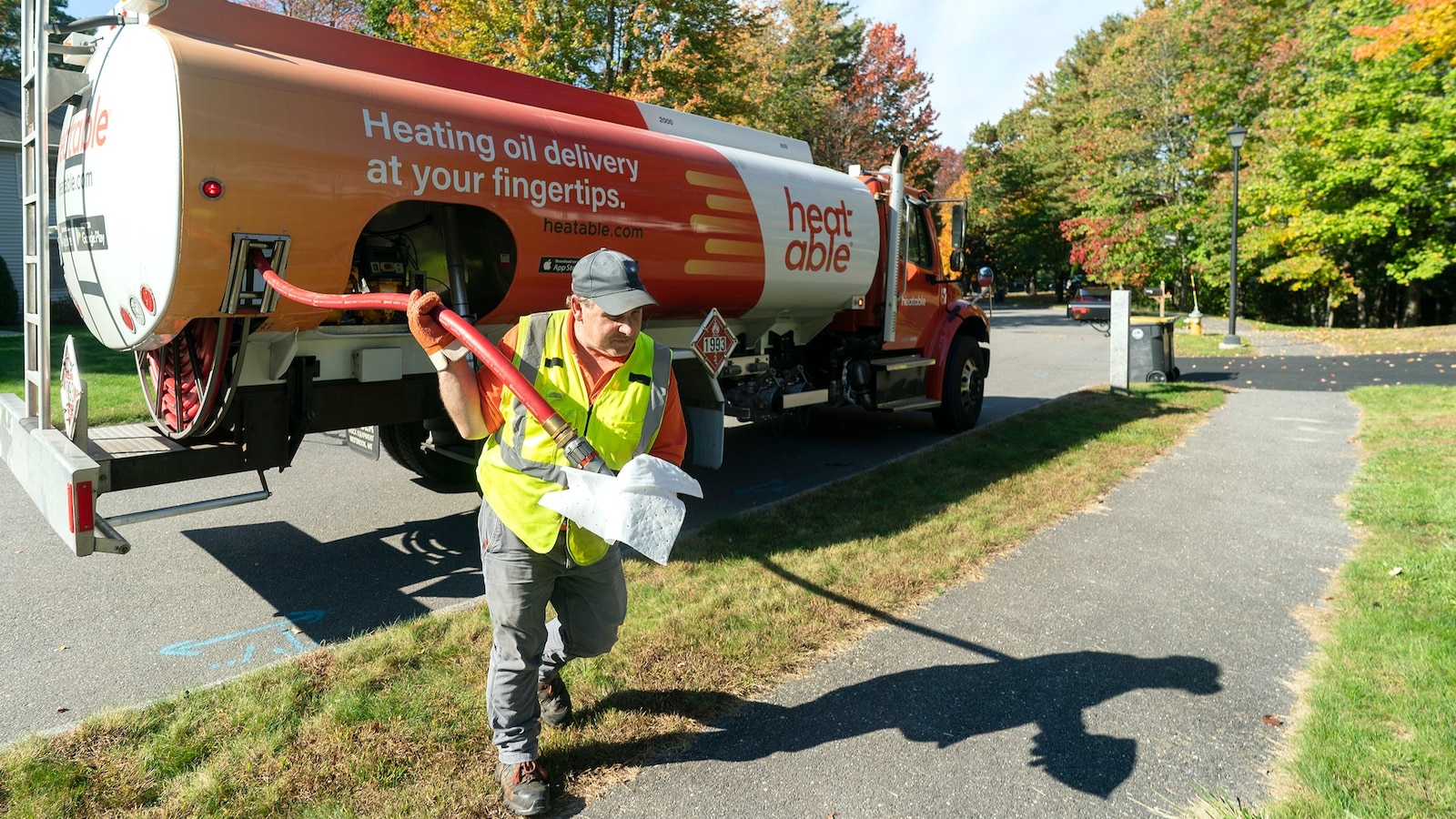
According to an estimate from Brown University last week, the conflict has cost Americans $100bn in extra energy costs.
uncertain
conflict → accord → costs
That bill is going up by $1m every two minutes.
asserted
bill → go → m
This week oil prices also climbed over $100 a barrel for the first time since July.
asserted
prices → climb → July
…and 4 more, not listed.
 The Aporia