- Published
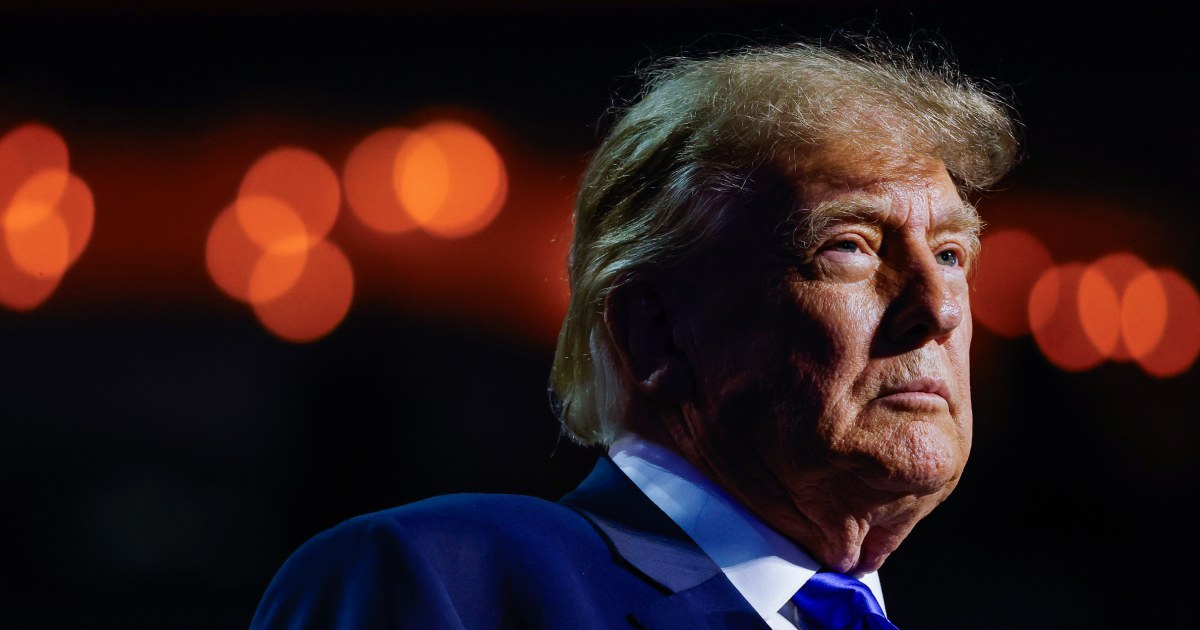
US President Donald Trump has said he does not think the Iran war will end until after November's midterm elections, adding that oil prices will not come down until then.
"I think the war's going to end immediately after the election because they can't hold out any longer," Trump said of Iran's leaders on Wednesday.
asserted
Trump → publish → Wednesday
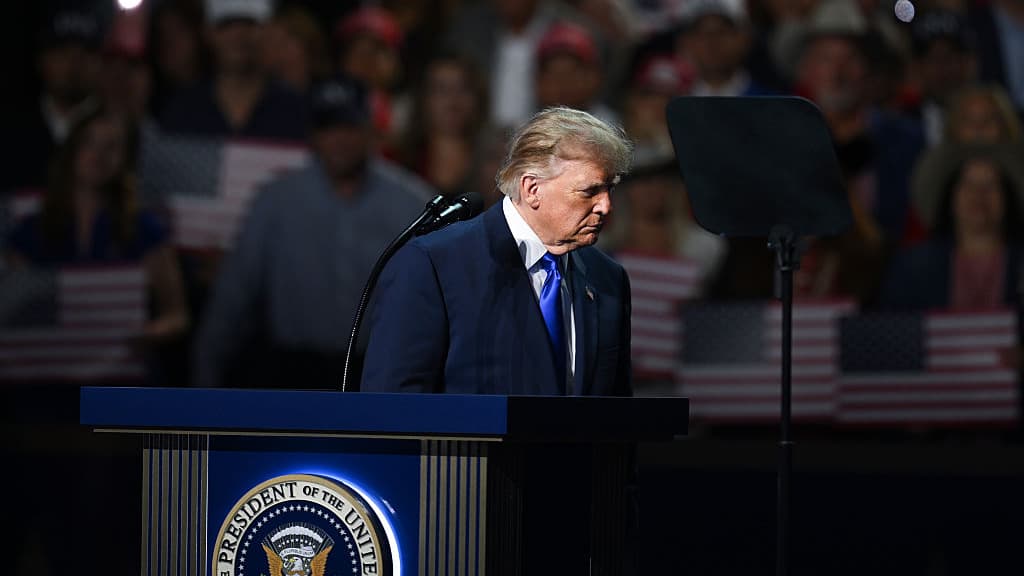
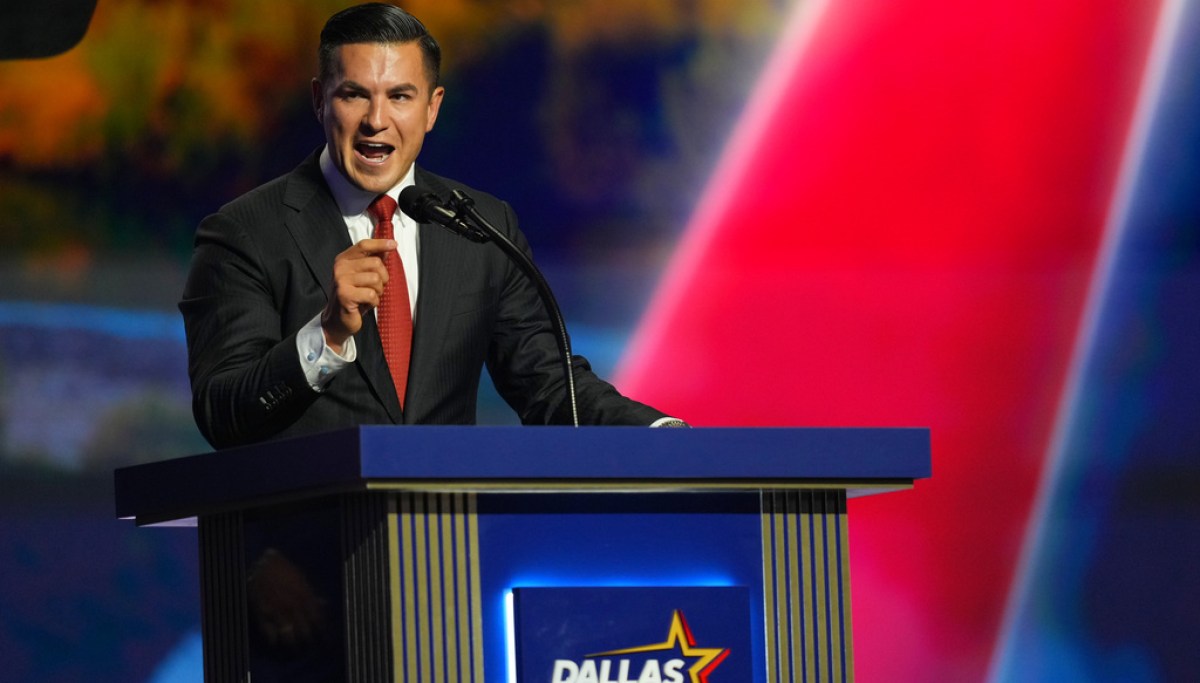
He made the comments as he headed to Texas for the Republican Party's first midterm election convention – and repeated them there, arguing that short-term economic pain was worth it to prevent Iran from developing nuclear weapons.
asserted
pain → make → weapons
Trump is facing falling polling numbers and pressure from within his party to end the war, which began when the US and Israel attacked Iran in February.
asserted
US → face → February
The conflict rapidly spread across the Middle East, as Iran retaliated by launching missiles and drones at Israel and Arab states hosting US military facilities.
asserted
Iran → spread → facilities
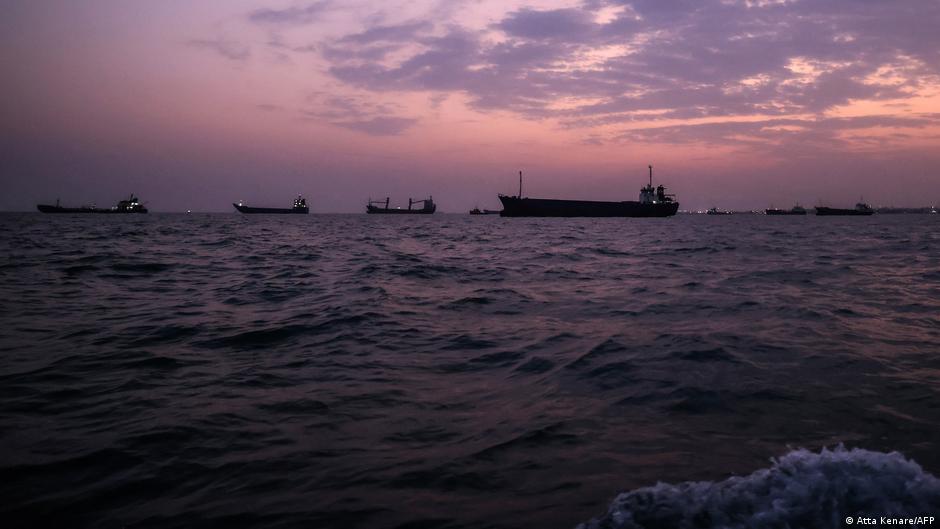
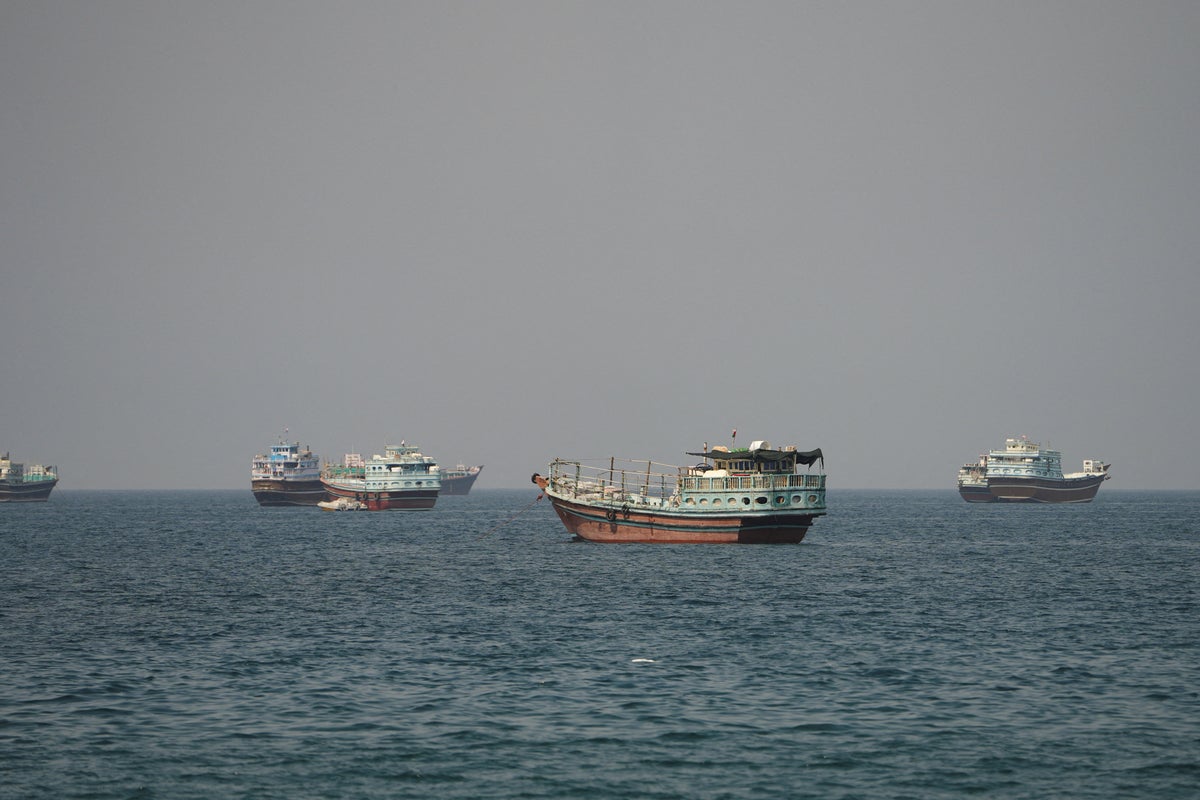
The price of Brent crude oil, the global benchmark, has risen above the $100 (£74) mark three times over the past six months, with Iranian attacks forcing production stoppages in Gulf states and disrupting exports through the vital Strait of Hormuz waterway.
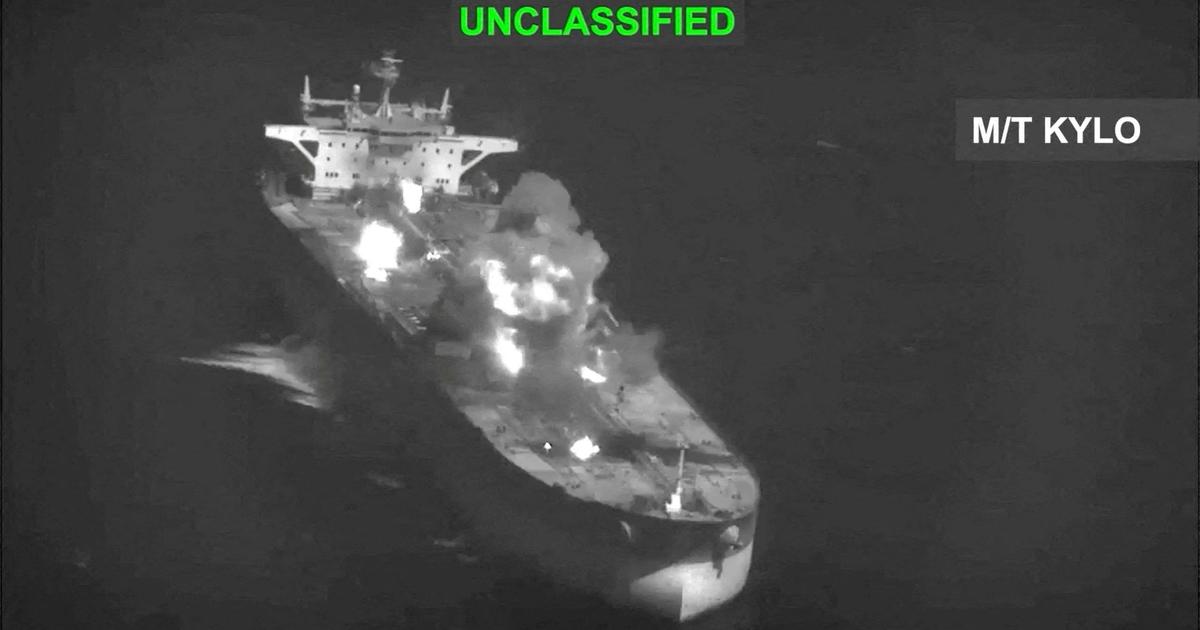
The US has also imposed a naval blockade on Iran's ports and has recently begun striking Iranian tankers in response to attacks on warships and other vessels.
asserted
US → rise → warships
"Right after the election, oil prices are going to be tumbling downward," Trump told reporters.
asserted
Trump → go → reporters
"I think it's going to take a little bit longer than the midterm."
asserted
it → think → midterm
He added that Iran was "desperate to try and affect the election, so that we can get a nice weak group of people in there" – an apparent reference to the Democrats – "and leave them alone and let them have their nuclear weapon".
asserted
them → add → weapon
He provided no proof of the election claim.
uncertain
He → provide → claim
Tehran has repeatedly denied it is seeking nuclear weapons and insisted its nuclear programme is solely peaceful.
asserted
programme → deny → weapons
At the convention in Texas, Trump echoed some of these lines, saying the price of oil would tumble "as soon as we win the war with Iran".
asserted
we → echo → Iran
In his speech, he also referenced dissatisfaction among some Americans on the issue: "Guys come up to me and say, 'I wish you didn't do the war in Iran.
asserted
you → reference → Iran
Trump also said further negotiations with Iran could possibly happen, "but it's not something we're looking at".
uncertain
we → say → Iran
The US president initially predicted the war, which is now in its seventh month, would last only a matter of weeks.
asserted
which → predict → weeks
The conflict, and its knock-on effects on everything from fuel to groceries, has led to a steep decline in his approval ratings – and pressure from those within his party, including staunch supporters, to quickly end the war.
asserted
conflict → knock → war
Midterm elections will be held on 3 November, and Republicans are in danger of losing control on Congress.
asserted
Republicans → hold → Congress
At the convention, Trump sought to energise the party ahead of November.
asserted
Trump → seek → November
Historically, a sitting president's party tends to lose seats in Congress in the midterm elections.
asserted
party → sit → elections
Fighting in the Middle East has intensified in recent days, as oil facilities throughout the region come under attack, driving up the global price of fuel and other goods that require shipping.
asserted
that → intensify → shipping
The price of oil hit $100 a barrel on Wednesday for the first time since July.
asserted
price → hit → July
Similarly, earlier this week the price of US diesel hit an all-time high, which is likely to cause a ripple effect on prices across the US.
asserted
which → hit → US
There are also predictions that the rising fuel costs could lead to higher interest rates.
uncertain
costs → be → rates
On Tuesday night, the US military said it had attacked and destroyed five oil tankers with ties to Iran's Islamic Revolution Guard Corps (IRGC) in the Gulf of Oman and the northern Gulf.
asserted
it → say → Oman
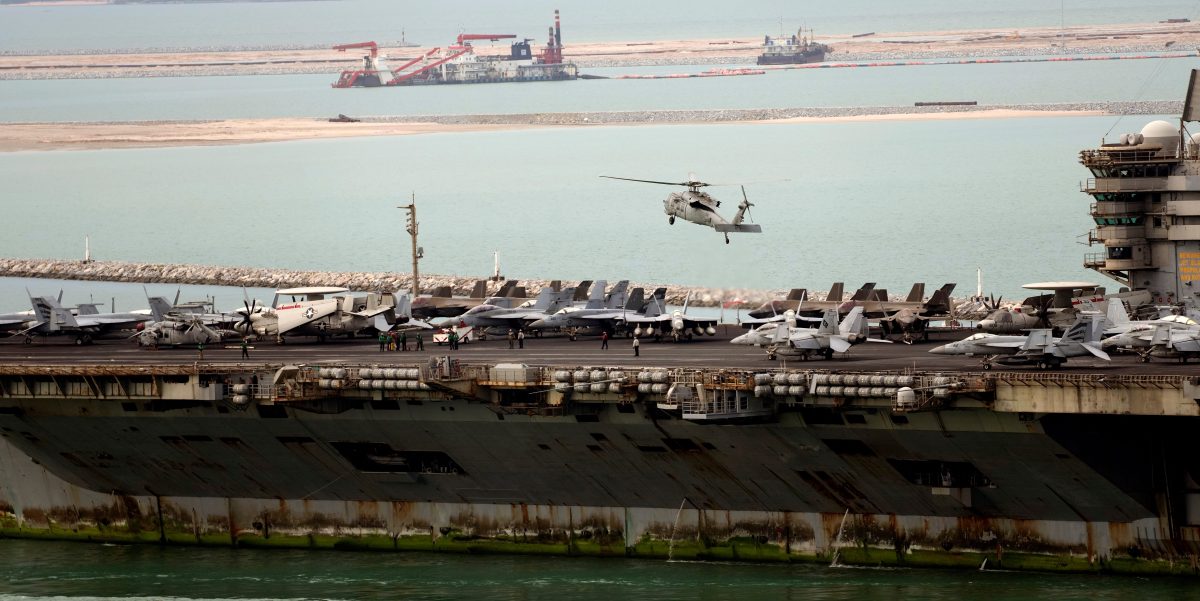
The IRGC, in response, said early on Wednesday that its naval forces had attacked two US Navy destroyers and eight oil tankers in the Strait of Hormuz, causing "heavy damage" to the vessels.
asserted
forces → say → vessels
Centcom denied its warships were hit.
asserted
warships → deny → ?
The IRGC also said it had launched ballistic missiles at US military maintenance facilities, hangars and aircraft at Muwaffaq Salti Air Base in Jordan.
asserted
it → say → Jordan
Jordan's armed forces said they intercepted 20 Iranian missiles and that two other missiles fell in unpopulated areas with no casualties reported.
asserted
casualties → say → areas
Later on Wednesday, sources told CBS News, the BBC's US partner, that several US fighter jets at the air base were damaged in the Iranian strikes.
asserted
jets → tell → strikes
One A-10 Thunderbolt aircraft was hit and was missing a wing, and about eight F-15s sustained light damage, according to people familiar with the matter.
uncertain
F-15s → hit → matter
Explosions were reported in southern Iran on Wednesday night, but Iranian official sources denied they were US strikes, saying the sounds came from the sea.
asserted
sounds → report → sea
In a separate development on Tuesday, the Iran-backed Houthi movement in Yemen launched a wave of missile and drone attacks on south-western Saudi Arabia, the world's largest oil exporter, causing fires at several oil facilities.
asserted
movement → back → facilities
Saudi media reported more Houthi attacks on the kingdom on Wednesday, citing a military spokesman as condemning missile and drone strikes on the cities of Khamis Mushait, Abha and Jazan.
asserted
media → report → Mushait
The Houthis have said they are retaliating for days of Saudi air strikes on their territory in western Yemen, where a four-year-old informal ceasefire has collapsed.
asserted
ceasefire → say → Yemen
 The Aporia