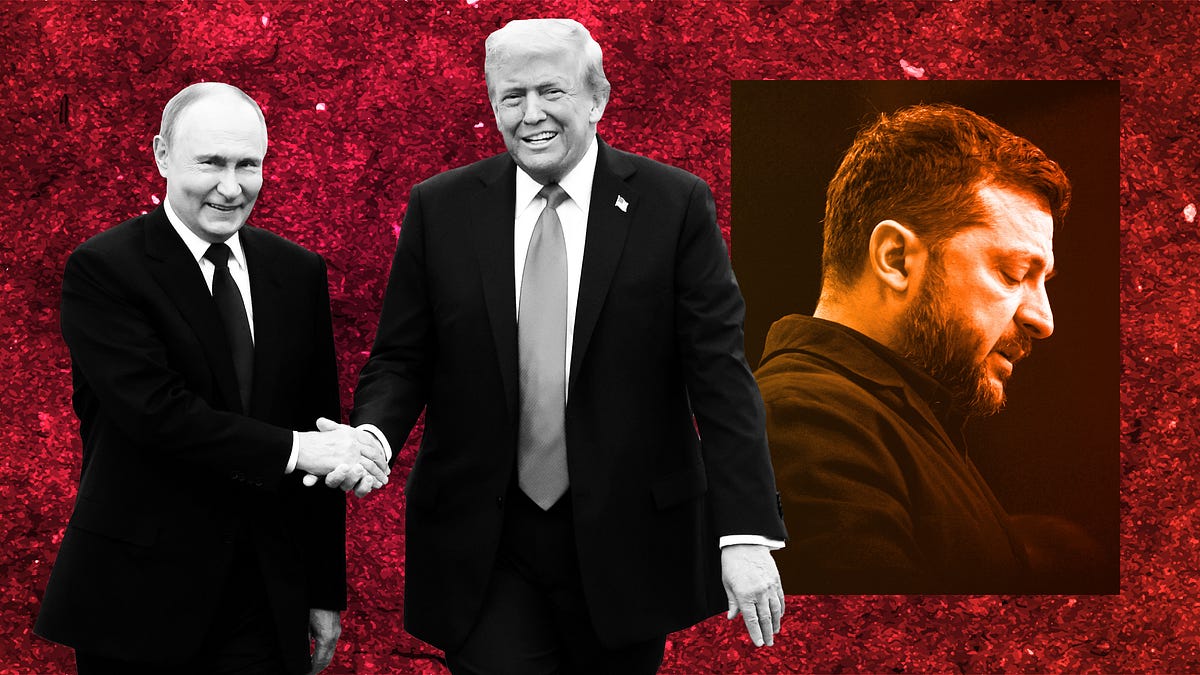
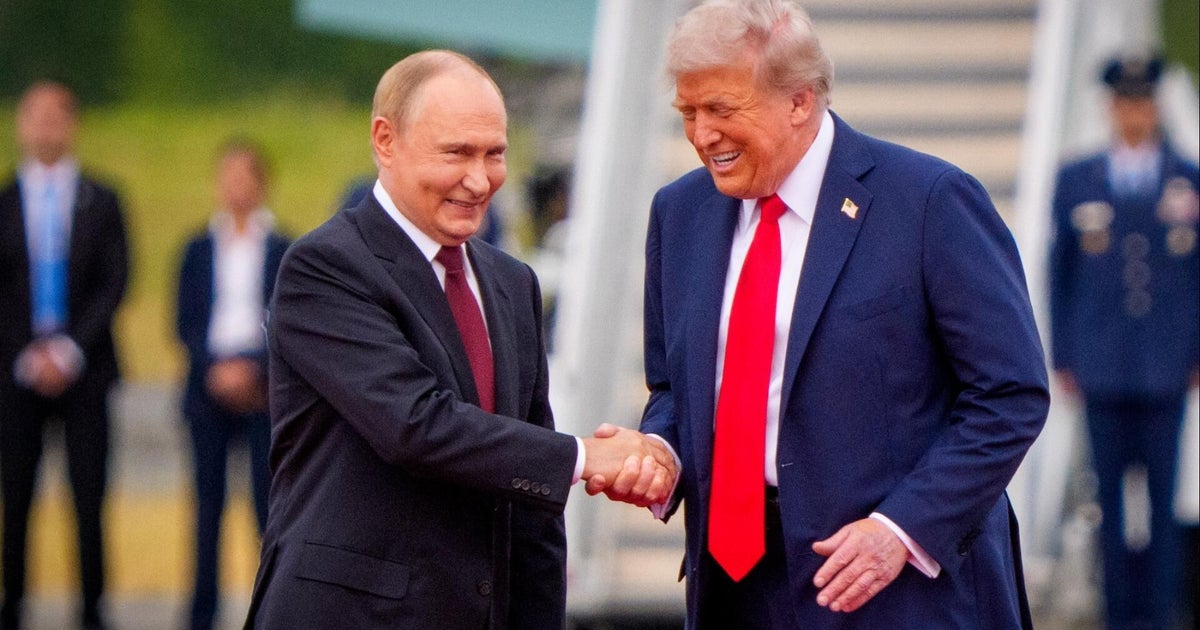
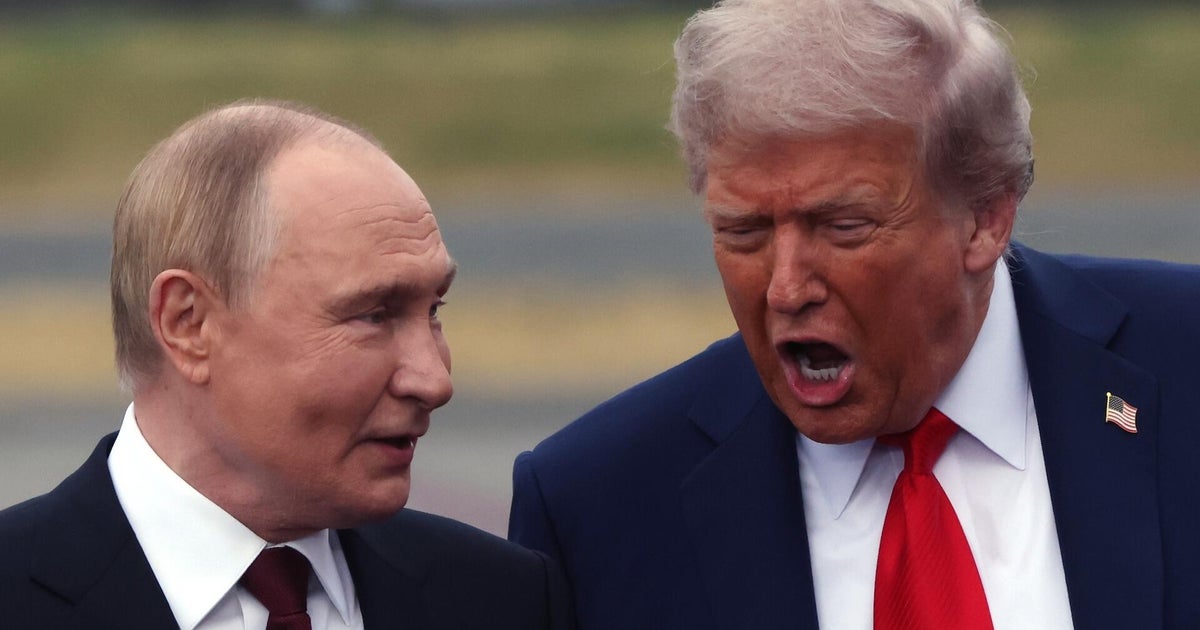
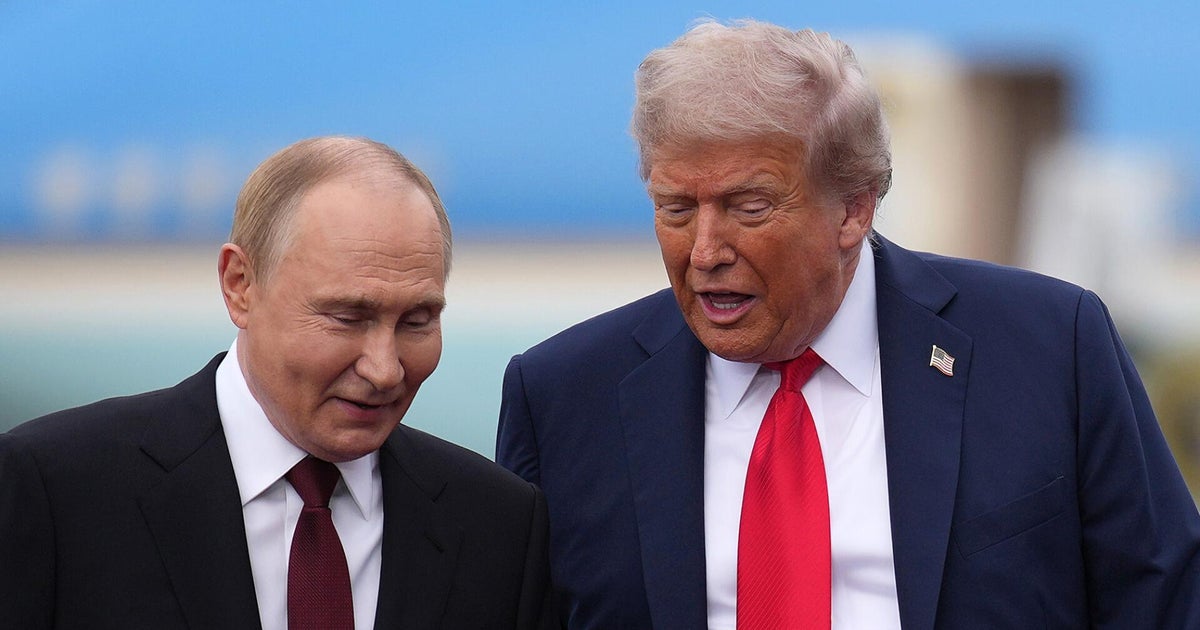
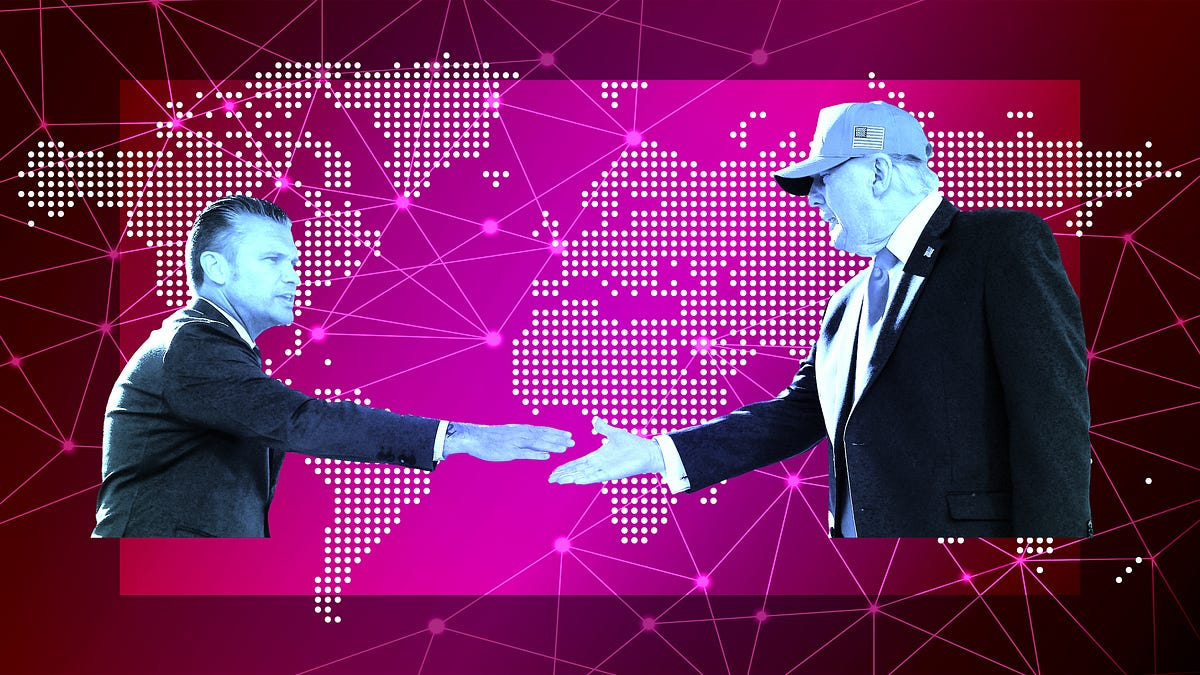
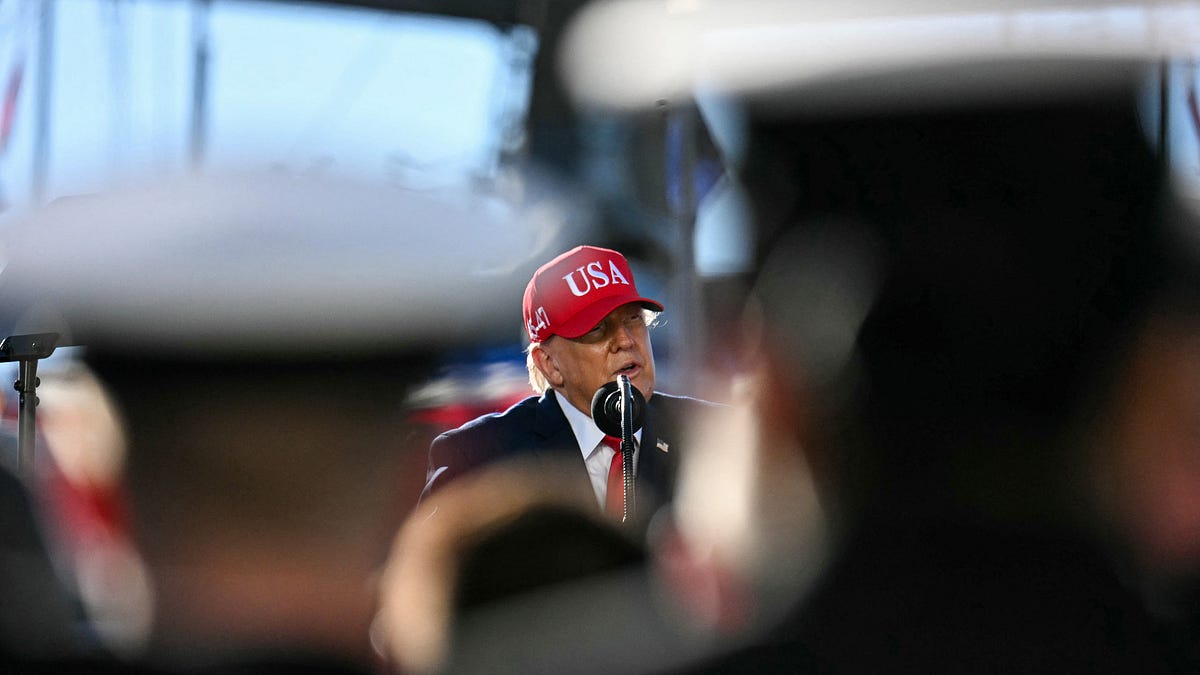
ON SUNDAY, PRESIDENT DONALD TRUMP defended his decision to suspend new sanctions against Russia.
asserted
TRUMP → defend → Russia
He repeated his argument: “I am in the process of negotiating Peace in the war between Russia and Ukraine, and don’t want to do anything that will drive, foolishly, Russia away from the bargaining table.
asserted
that → repeat → table
I WANT THIS WAR END!”
asserted
WAR → want → ?
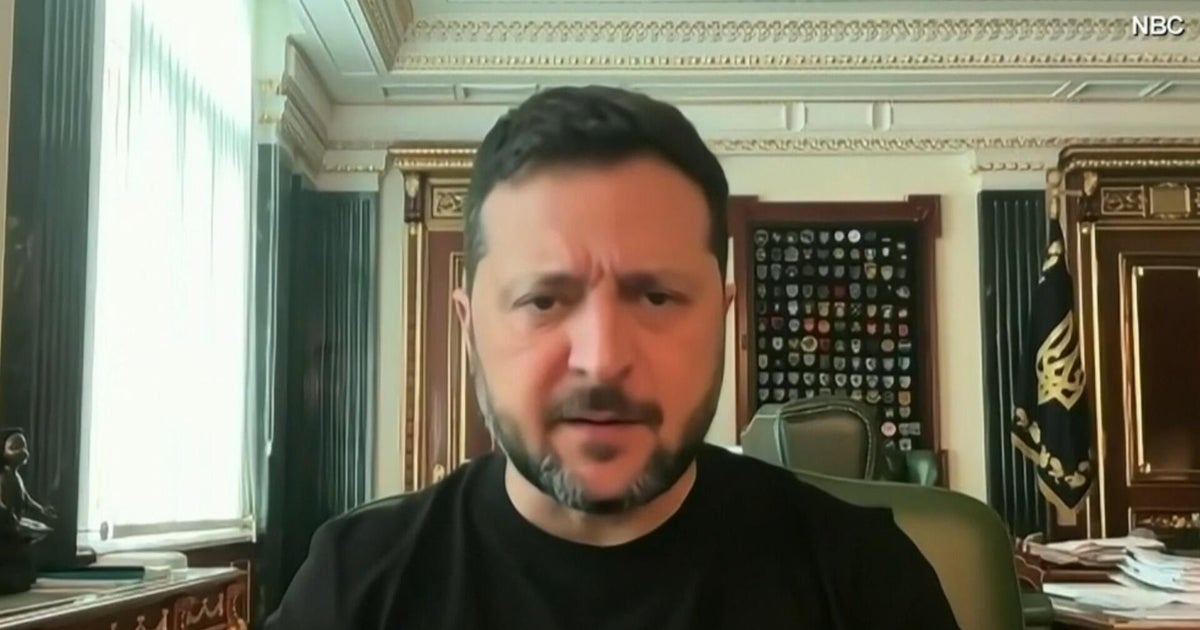
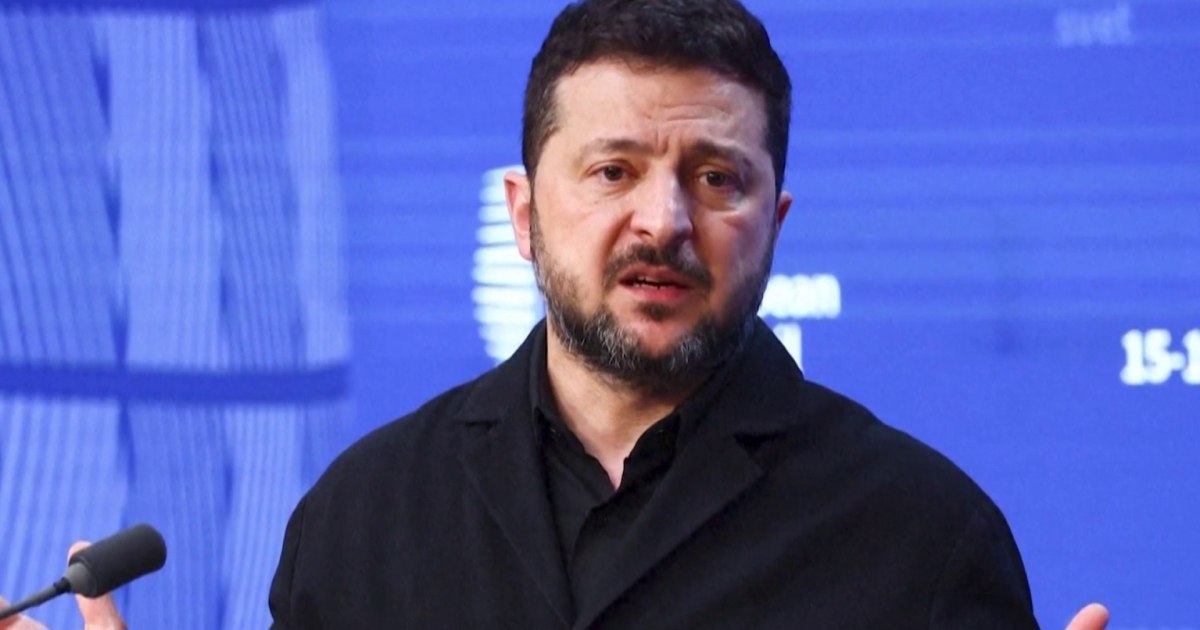
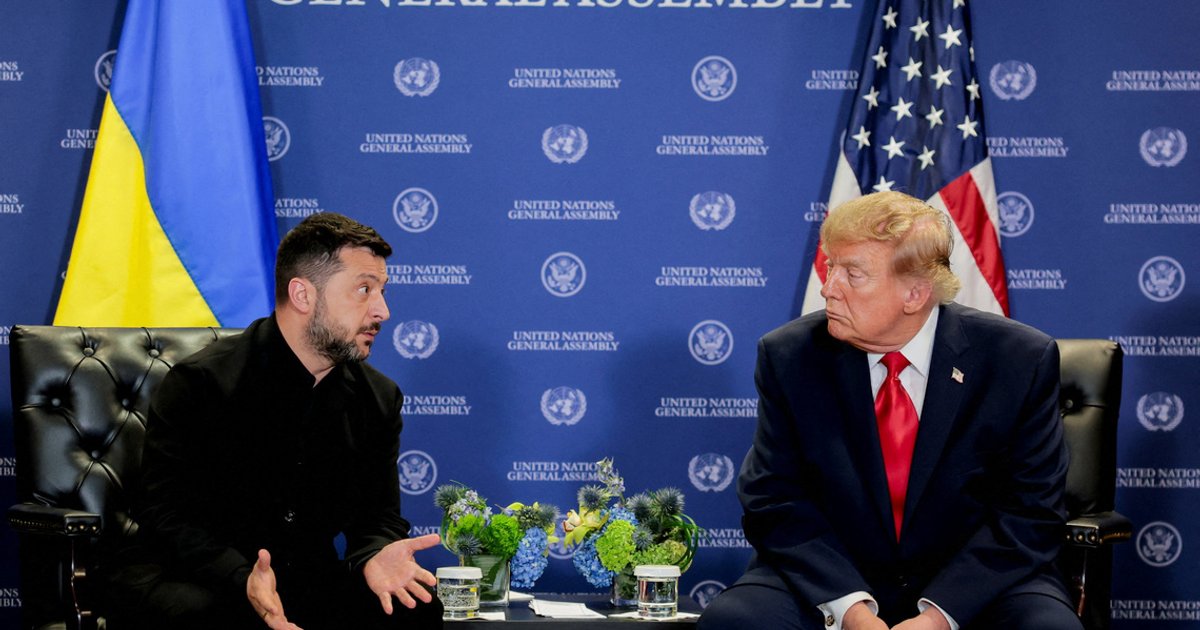
He rabidly criticized Ukraine’s attacks on Russian oil refineries and suggested that Ukrainian President Volodymyr Zelensky didn’t want to end the war and was contributing to rising fuel costs for American farmers and businesses.
uncertain
Zelensky → criticize → farmers
At first glance, some of that might sound reasonable.
uncertain
some → sound → that
In context, it is a disturbing and shameful abandonment not only of a would-be ally in need, but of the best and noblest traditions of American foreign policy dating back centuries.
asserted
it → date → policy
Any military commander who has experienced war understands the value of diplomacy, and I have seen enough death and destruction to know that negotiations, even with terrible adversaries, are sometimes necessary.
asserted
negotiations → experience → adversaries
But diplomacy requires understanding the interests of those across the table, and effective negotiations require leverage.
asserted
negotiations → require → leverage
Instead of using American economic power to pressure the country that started this war but shows no capability of winning it, Trump is offering that country economic relief while criticizing the nation that is successfully defending itself.
asserted
that → use → itself
In an interview on NBC’s Meet the Press, he warned that if the United States formally sided with Russia, Ukraine would “not prevail.”
asserted
Ukraine → warn → Russia
; it was his pragmatic assessment of the consequences of an American president who appears finally unable to resist his urge to side with the aggressor over the victim.
asserted
who → appear → victim
I’ll readily admit my personal bias inclines me to root for Ukraine.
asserted
bias → admit → Ukraine
When I commanded U.S. Army Europe, one of our most important partnerships was with Ukraine’s military, especially with their army leader, who became a dear friend, Col. Gen. Henadii Vorobiov.
asserted
who → command → leader
He had asked us to help him transform a military that had inherited much of its structure, doctrine, and culture from the Soviet Union, and we spent significant resources doing just that.
asserted
we → ask → that
We talked tactics, training, and leader development, and we helped them develop a professional noncommissioned officer corps, empower junior leaders, and build a military that served its citizens rather than a powerful ruler.
asserted
that → talk → ruler
He understood that transforming an army required transforming its culture, and through our partnership I learned much about Ukraine’s history and its people’s aspirations.
asserted
I → understand → history
Some of our most memorable conversations concerned Ukraine’s suffering under Soviet rule.
asserted
Some → concern → rule
Vorobiov shared personal stories about his family’s experiences during the Holodomor, the catastrophic famine caused by Stalin’s policies in 1932–33 that killed millions of Ukrainians.
asserted
that → share → Ukrainians
Those stories were not distant historical abstractions; they were events his grandparents had survived, and they formed part of the national consciousness that shaped how Ukrainians viewed Moscow.
asserted
Ukrainians → survive → Moscow
Their country had lived under the Soviet thumb for far too long, and generations had suffered because of it.
asserted
generations → live → it
After declaring independence from the Soviet Union in 1991, Ukraine was determined to pursue a different path.
asserted
Ukraine → declare → path
Their political institutions were imperfect, corruption remained a challenge, and their military needed significant reform.
asserted
military → remain → reform
I had also spent years dealing with Russian military leaders, and the contrast was striking.
asserted
contrast → spend → leaders
Russia’s military culture remained rooted in centralized authority and rigid hierarchy, with a distrust of government and its authoritarian leaders, while Ukraine’s emerging leaders increasingly embraced initiative and accountability.
asserted
leaders → remain → initiative
I don’t want to romanticize those encounters.
asserted
I → want → encounters
Ukraine had serious problems then, and it still does.
asserted
it → have → problems
But I saw something worth supporting: a nation struggling to define its own future rather than allowing its larger neighbor to define it.
asserted
neighbor → see → it
Almost five years after Putin launched his full-scale invasion, Ukrainians are still fighting to determine their own government and destiny free from foreign control.
asserted
Ukrainians → launch → control
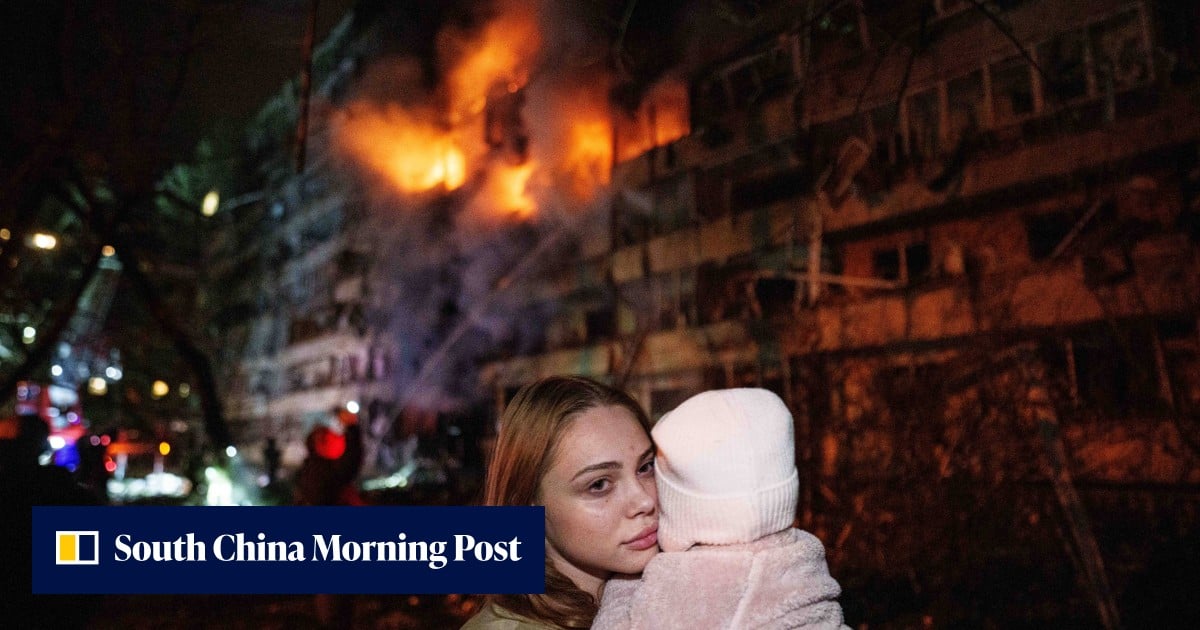
Despite the destruction of their cities, the wanton and purposeful killing of their civilians, the displacement of millions, the kidnapping of tens of thousands of children, and hundreds of thousands of military casualties, their will remains, because they believe their country belongs to them.
asserted
country → remain → them
Russia invades a neighboring country, attempts to destroy its government, annexes territory, attacks civilian infrastructure, and continues killing its citizens.
asserted
Russia → invade → citizens
Ukraine responds by striking energy infrastructure that helps finance and supply those military operations.
asserted
that → respond → operations
(Diesel is, of course, not just a commodity to be traded but also a fuel used in military machines.)
asserted
Diesel → trade → machines
And the American president criticizes Ukraine for defending itself while offering economic benefits to Russia?
asserted
president → criticize → Russia
There is an important distinction between wanting the fighting to stop and wanting peace.
asserted
fighting → be → peace
In military strategy, we talk about ends, ways, and means: the objective, how we achieve it, and the resources employed.
asserted
we → talk → it
If the objective is durable peace in Europe, the strategy must address the war’s fundamental cause: Putin’s determination to deny Ukraine (and others) its sovereignty.
asserted
strategy → address → sovereignty
Instead, Trump’s approach appears designed to make aggression more tolerable for Putin while making resistance more difficult for Zelensky.
asserted
resistance → design → Zelensky
Rewarding coercion is no recipe for a lasting peace.
asserted
Rewarding → reward → peace
Zelensky understands this.
asserted
Zelensky → understand → this
Ukraine has demonstrated extraordinary resilience and adaptability, but a nation’s ability to resist aggression depends on more than battlefield performance.
asserted
ability → demonstrate → performance
…and 43 more, not listed.
 The Aporia