The Aporia
The Aporia
The Aporia
The Straits Times. (2026, October 18). Hurricane Trudy lashes Mexico's Pacific coast, but is set to weaken tonight. The Straits Times. https://www.straitstimes.com/world/hurricane-trudy-lashes-mexicos-pacific-coast-but-is-set-to-weaken-tonight
The Straits Times. “Hurricane Trudy lashes Mexico's Pacific coast, but is set to weaken tonight.” The Straits Times, 18 Oct. 2026, https://www.straitstimes.com/world/hurricane-trudy-lashes-mexicos-pacific-coast-but-is-set-to-weaken-tonight.
The Straits Times. “Hurricane Trudy lashes Mexico's Pacific coast, but is set to weaken tonight.” The Straits Times, October 18, 2026. https://www.straitstimes.com/world/hurricane-trudy-lashes-mexicos-pacific-coast-but-is-set-to-weaken-tonight.
Dated from the outlet's own feed. Check the original for its byline.
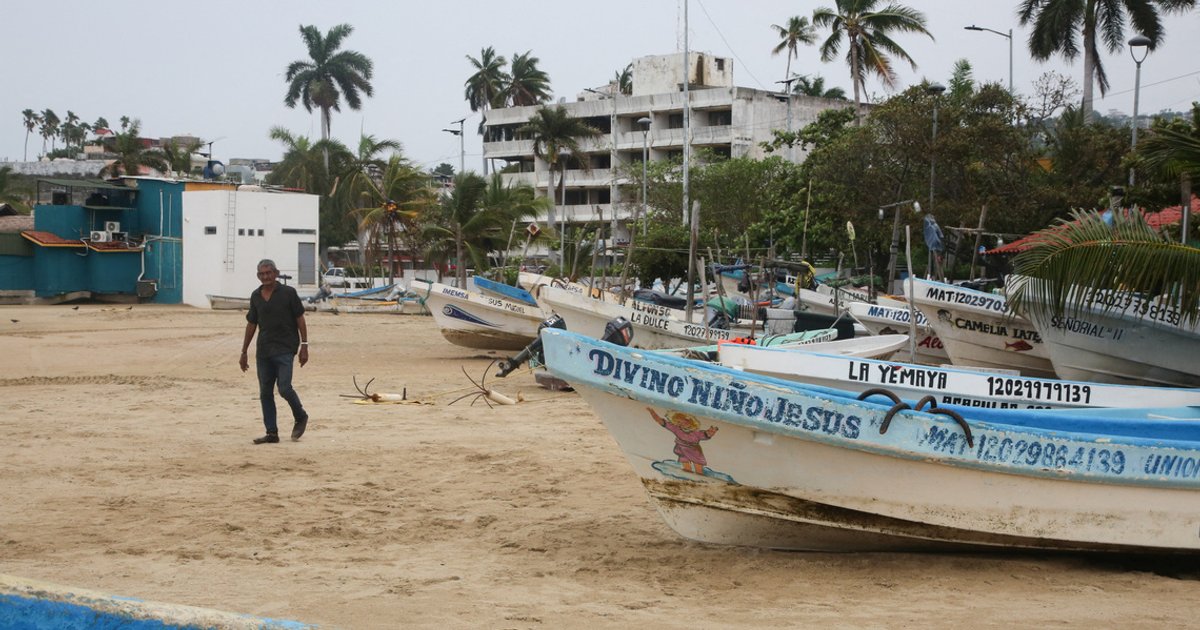
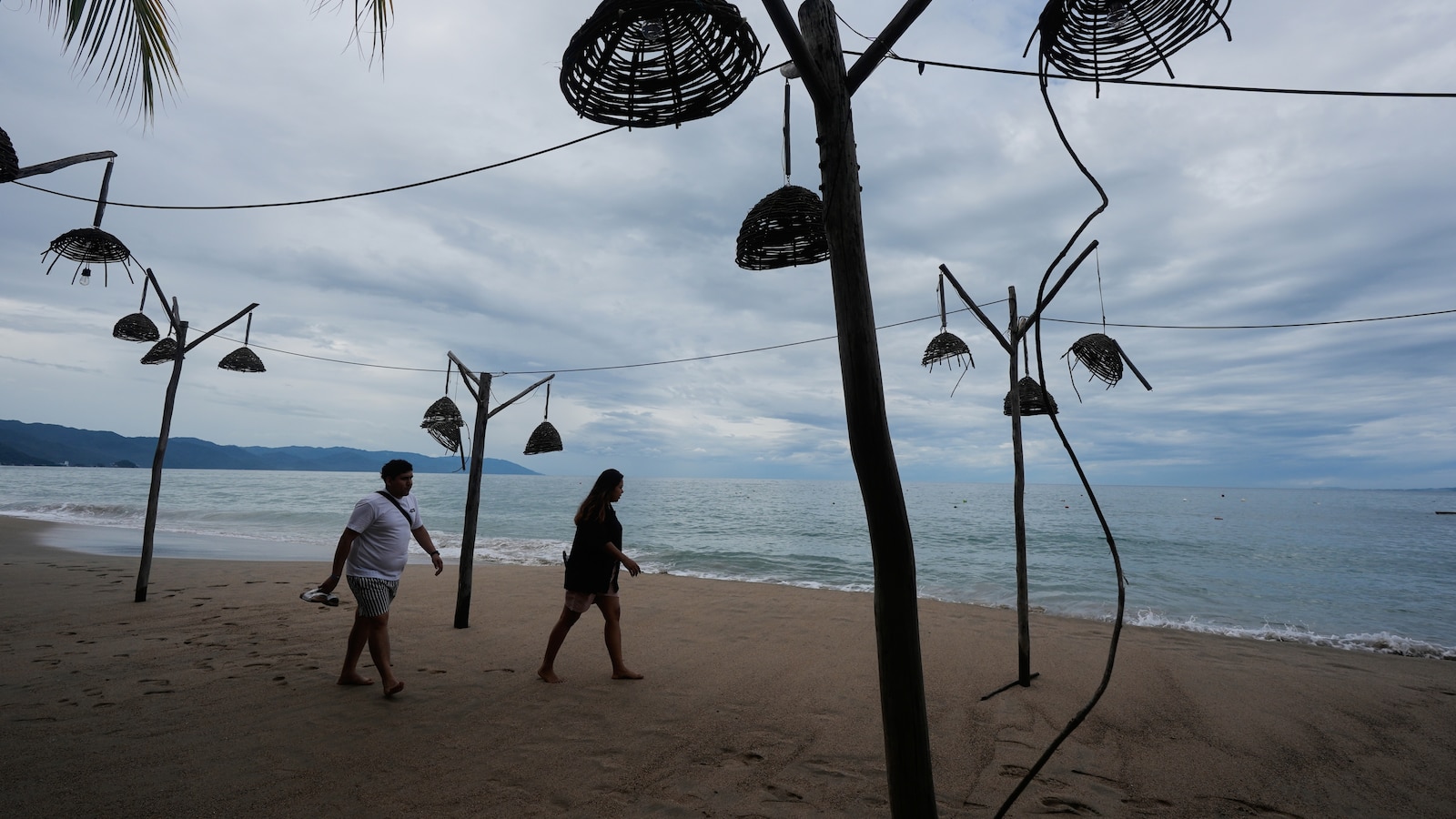
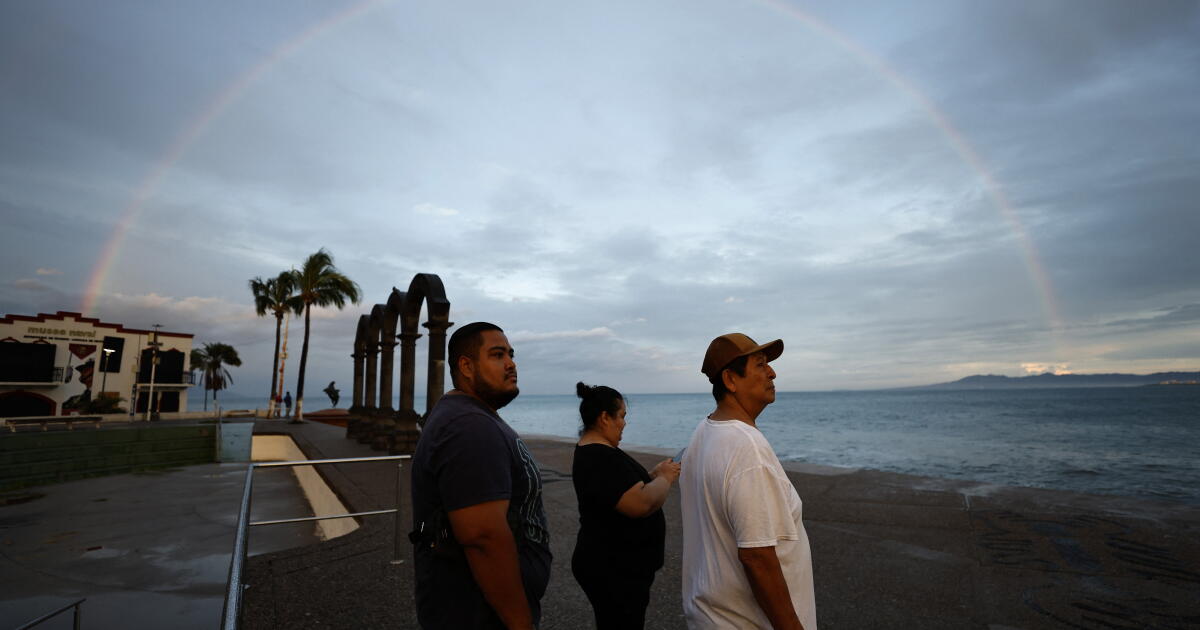
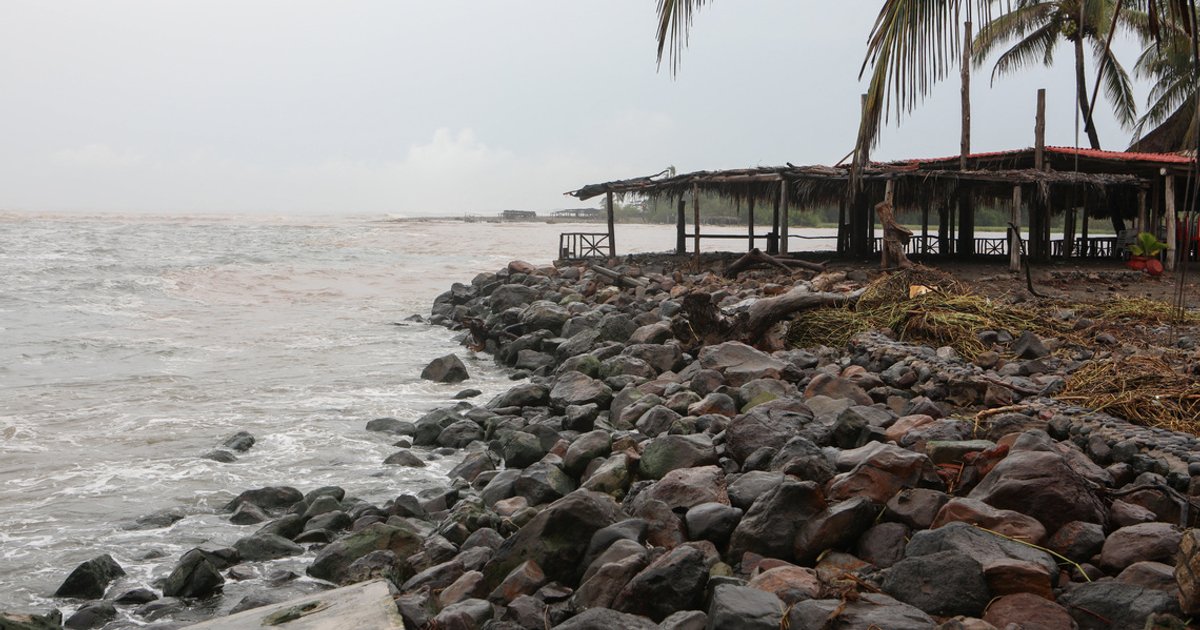
As of October 18, Hurricane Trudy brought heavy rain and strong winds to parts of Mexico’s southwest and west-central regions early on Sunday, impacting sections of the country’s western and southwestern states that were already damaged by previous storms this year. The hurricane maintained its strength but was expected to weaken overnight, moving south of Baja California Sur on Monday and Tuesday.
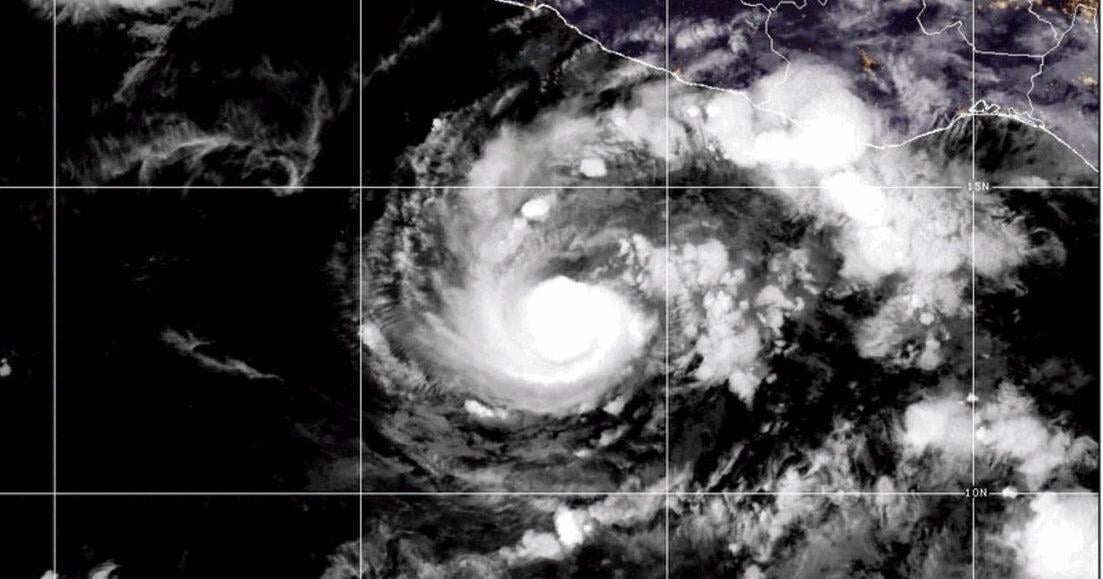
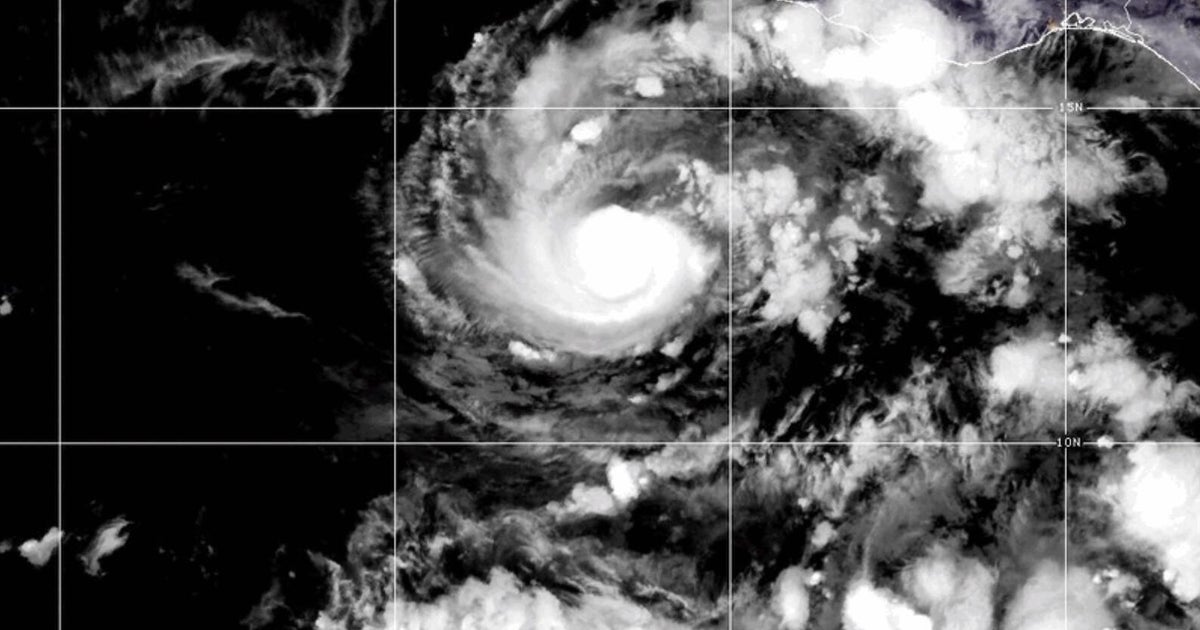
Trudy had maximum sustained winds of 105 mph (165 kph) and was about 150 miles west of Manzanillo when it weakened from a major Category 3 hurricane to a Category 2. The storm moved northwest at approximately 10 mph, with forecasts predicting little change in strength on Sunday morning followed by rapid weakening later.
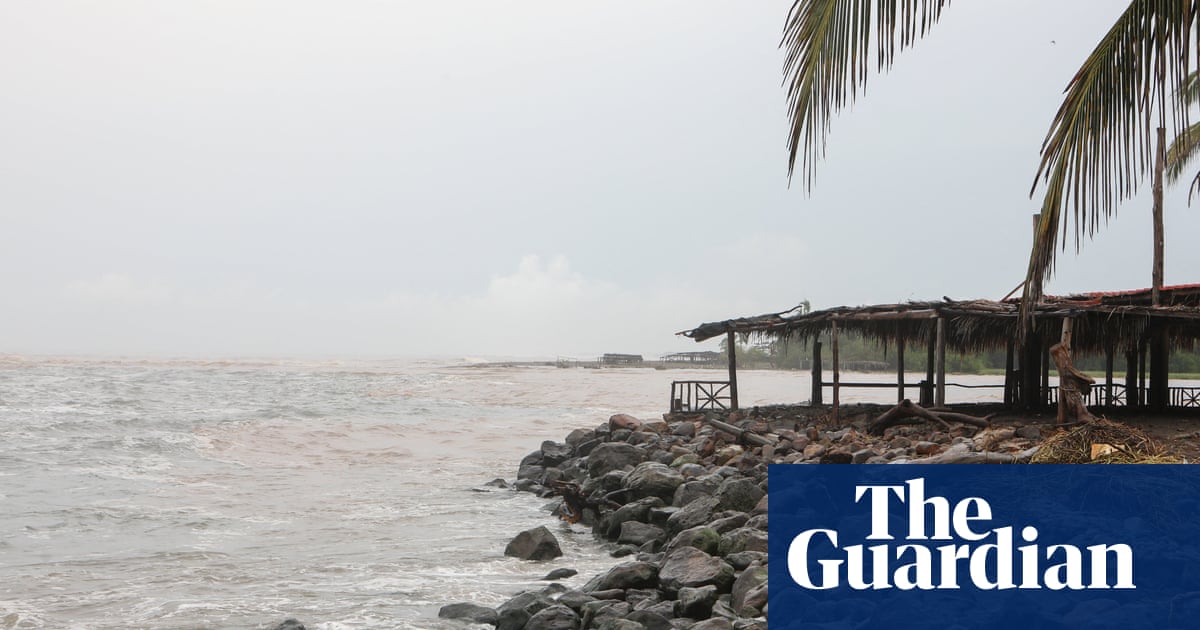
The National Hurricane Center (NHC) issued warnings for potentially life-threatening flooding and mudslides across Michoacán, Colima, and Jalisco states due to expected rainfall of four to eight inches (10 to 20 cm), with isolated totals up to 12 inches, especially in steep terrain. The Mexican Navy urged mariners and coastal residents to exercise extreme caution because of high waves, heavy rain, and the risk of rising rivers, flooding, and landslides.
This storm comes amid a record-shattering hurricane season in the eastern Pacific, with ten hurricanes forming so far this year, marking the most since 2018. Experts attribute these conditions to El Niño and climate change, which are fueling unusually strong and long-lasting storms that leave little time for recovery between impacts.