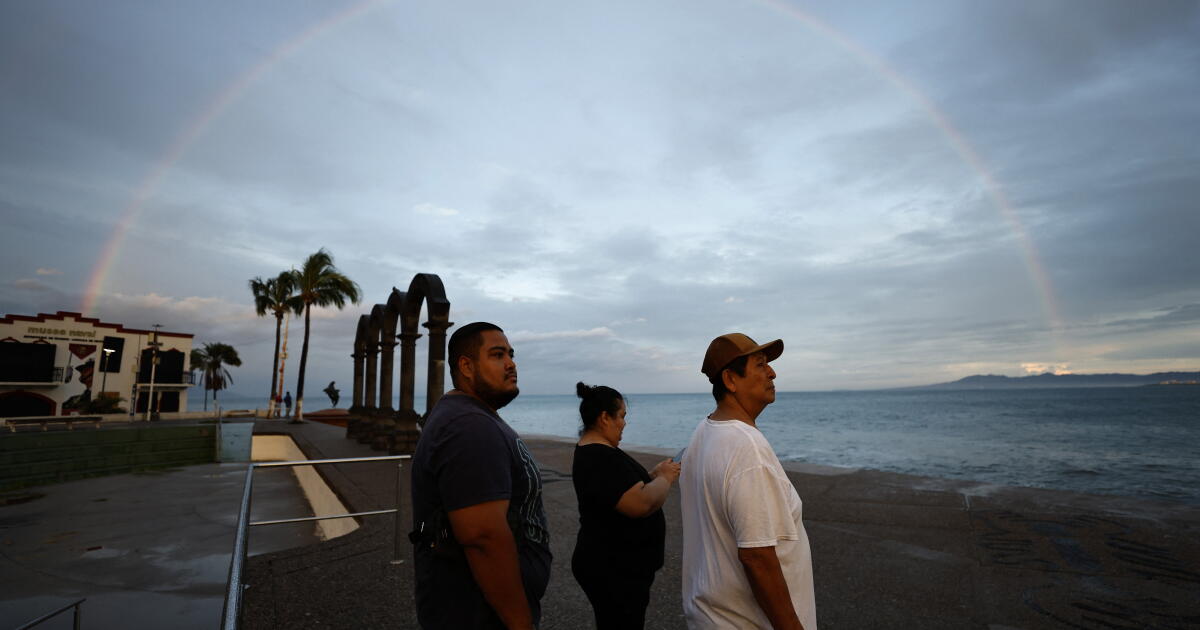
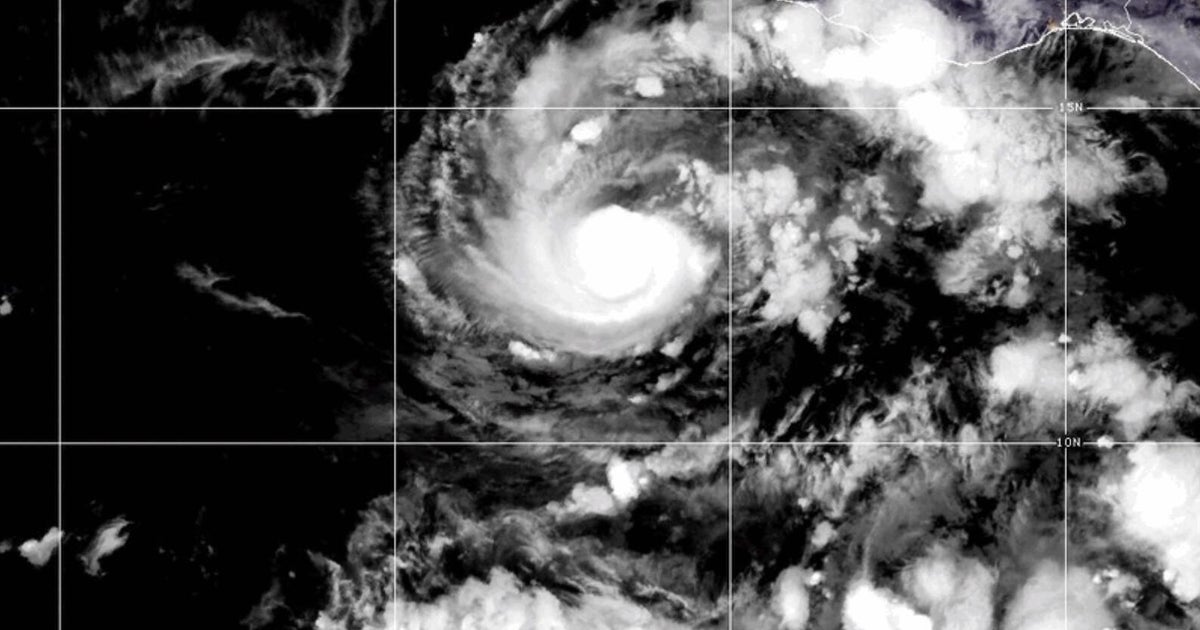
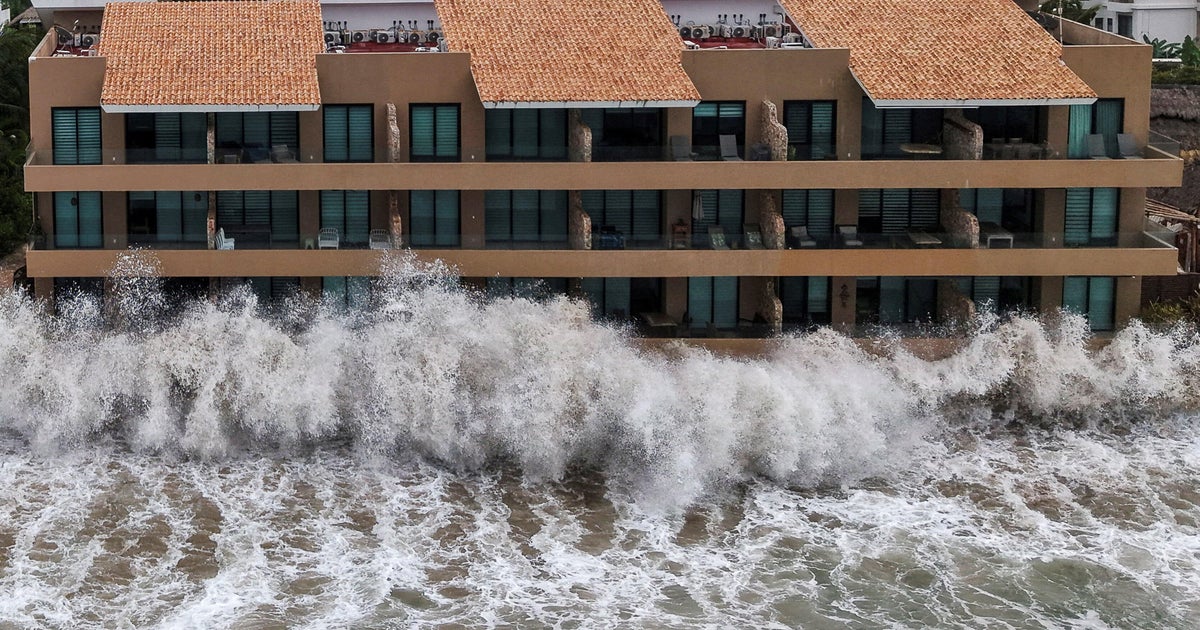
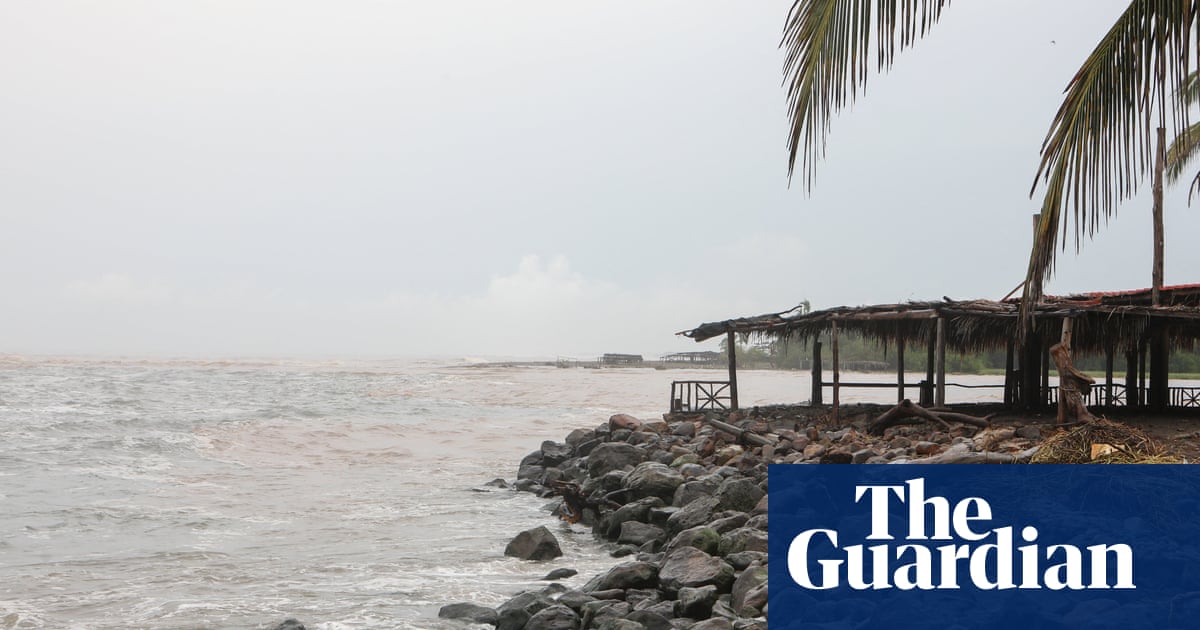
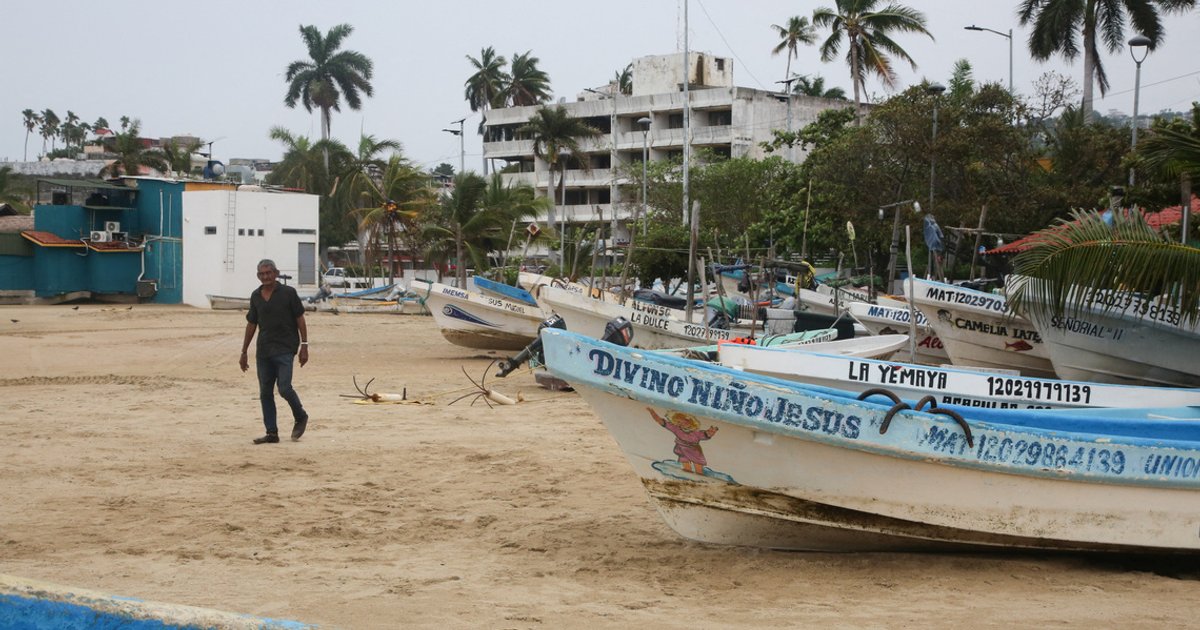
Mexico's beleaguered Pacific coast braces for another storm in record hurricane year

Read the original at Los Angeles Times ↗
Cite

Linthicum, K., & Vidal, C. S. (2026, October 18). Mexico's beleaguered Pacific coast braces for another storm in record hurricane year. Los Angeles Times. https://www.latimes.com/world-nation/story/2026-10-18/mexico-hurricane-pacific-coast

Dated from the outlet's own feed. Check the original for its byline.

Los Angeles Times · collected 2026-10-18 · by Kate Linthicum, Cecilia Sánchez Vidal

Quick Summary

Mexico’s Pacific coast is struggling with continuous damage from multiple hurricanes this year, which has set a record for the most hurricanes since 2018. Experts attribute this to El Niño and climate change, leading to stronger, longer-lasting storms. The latest threat, Hurricane Trudy, adds to existing flood and mudslide issues, leaving little time for recovery before the next storm hits.
Written locally by qwen2.5:14b on 2026-10-18, using this article's own text rather than the other coverage of the same event (that is the story summary below).

AI analysis runs on qwen2.5:14b, locally

Story summary

As of October 18, 2026, Hurricane Trudy has made landfall along Mexico’s Pacific coast with heavy rain and strong winds, impacting areas in Colima, Jalisco, and other western states that were already recovering from previous storms. Trudy weakened slightly to a Category 2 hurricane but still poses significant threats of flooding and mudslides due to its long duration and high rainfall levels. The National Hurricane Center has issued warnings for coastal regions, urging residents and mariners to exercise extreme caution. With ten hurricanes forming in the eastern Pacific this year—more than any other year since 2018—experts link these severe weather patterns to El Niño and climate change effects, making recovery efforts challenging for affected communities.

Written for “Hurricane Trudy Threatens Mexico” on 2026-10-18, grounded in this article and the 13 other(s) covering the same event.
Why this leaning score
The article's own words the score was based on. Each is quoted verbatim and was checked against the article text before being stored, so you can find it in the original.
Reading Leans left (beta estimate) Confidence high
Leaning: leans left for article 88535 (high confidence, 1 verified quote) · logged 2026-10-18

Story

📰 Hurricane Trudy Threatens Mexico
Environment · 14 article(s) covering the same event. Compare every outlet's account →

Compared with similar articles

This article reads leans left and hedges 6% of its claims. Each row says how that neighbour differs.
Toronto Star
⚖️ leaning not scored 🔴 0% hedged 0 of 3 📰 publisher trust 63
“The articles describe different stages and impacts of storms affecting Mexico's Pacific coast, not the same specific incident.”
The Independent
⚖️ leaning not scored 🔴 20% hedged 4 of 20 📰 publisher trust 59
“Both articles describe Hurricane Trudy hitting Mexico's Pacific coast on the same day, with similar conditions and warnings.”
CBS News
⚖️ leaning not scored 🔴 21% hedged 5 of 24 📰 publisher trust 66
“Both articles discuss the imminent threat of another major storm to Mexico's Pacific coast, following recent damage from previous hurricanes.”
CBS News
⚖️ leaning not scored 🔴 11% hedged 5 of 45 📰 publisher trust 66
“The articles refer to different stages of storms affecting Mexico's Pacific coast; Article A discusses Hurricane Simon hitting after Tropical Storm Rachel, while Article B mentions bracing for another storm following recent damage.”
Toronto Star
⚖️ leaning not scored 🔴 50% hedged 1 of 2 📰 publisher trust 63
“Article A describes Hurricane Trudy approaching Mexico's coast on a specific date, while Article B discusses the broader context and aftermath of multiple storms hitting Mexico's Pacific coast this year.”
The Guardian
⚖️ leaning not scored 🔴 19% hedged 3 of 16 📰 publisher trust 67
“Article A reports on Hurricane Trudy as it strengthens to a category 2 hurricane and heads towards Mexico's Pacific coast, while Article B focuses more broadly on Mexico bracing for another storm in the context of an unusually active hurricane year. The articles do not describe the same specific incident.”
New York Post
⚖️ leaning not scored 🔴 25% hedged 3 of 12 📰 publisher trust 67
“Article A describes Hurricane Trudy's movement and strengthening towards Mexico's west-central Pacific coast on a specific date, while Article B discusses general bracing for another storm in a record hurricane year with broader context.”
The Straits Times
⚖️ leaning not scored 🔴 0% hedged 0 of 6 📰 publisher trust 60
“The articles describe Hurricane Trudy approaching Mexico's coast but are published on different dates and provide differing details about the storm's progression.”
Toronto Star
⚖️ leaning not scored 🔴 0% hedged 0 of 3 📰 publisher trust 63
“While both articles describe Hurricane Trudy affecting Mexico's Pacific coast on the same day, Article B focuses more on the broader context and aftermath from previous storms rather than describing the specific occurrence of Trudy.”
The Straits Times
⚖️ leaning not scored 🔴 38% hedged 3 of 8 📰 publisher trust 60
“Article A describes Hurricane Trudy's approach and potential impact on western Mexico as of October 17th, while Article B discusses the broader context of multiple hurricanes affecting Mexico's Pacific coast in a record year for hurricane activity, including ongoing cleanup from previous storms.”
How this article was measured signals, leaning charts, publisher record, byline, topics and claims

Signals How these are calculated →

Claims extracted
36
sentences that state something as happening or true
Uncertain
6%
2 of 36 hedged ("reportedly", "may", "according to")
Leaning
Leans left
of the writing, not the subject · beta estimate
Publisher signals
95/100
Los Angeles Times's corrections and hedging, across everything collected from it. Not a measure of accuracy.
Outlets on this story
14
Environment
Same framing elsewhere
1
articles that frame the event the way this one does
Analyzed 2026-10-18 · how these are computed

How this is being covered How these are calculated →

Article leaning vs. publisher reliability
Source leaning vs. consistency

Publisher

Los Angeles Times · 214 article(s) · 0 correction(s) detected
No corrections detected for this publisher. That may mean careful reporting, or simply that nothing has been checked.

Who wrote this

Kate Linthicum
4 article(s) here · 1 carrying a prediction
🔮 And more are predicted.
🔮 But other Nicaraguans are being sent home, despite warnings from human rights advocates that such deportations may violate the international ban on “refoulement” — returning someone to a country where they face persecution or torture.
🔮 “It will fall.”
🔮 Danger lurked in the shady groves of avocado trees that stretched on the mountainsides as far as the eye could see.
Also by Kate Linthicum
Nothing else under this byline is closely related to this article, so these are simply their most recent.
Cecilia Sánchez Vidal
2 article(s) here · 1 carrying a prediction
🔮 And more are predicted.
🔮 The release of the lists comes as Sheinbaum’s administration prepares new ‘audience rights’ rules that would discourage television and radio outlets from broadcasting what the government calls ‘false’ information.
Also by Cecilia Sánchez Vidal
Nothing else under this byline is closely related to this article, so these are simply their most recent.

Topics

El Niño Guerrero Mexico Nayarit Trudy

Subjects

Mexico GPE · 6× Acapulco GPE · 3× Flores PERSON · 2× Guerrero GPE · 2× Nayarit GPE · 2× Trejo PERSON · 2× Javier Soto PERSON · 1× MEXICO CITY GPE · 1× Puerto Vallarta GPE · 1× Soto PERSON · 1×

Narrative

But many say this year feels different because long-lasting storms have hit in quick succession, giving residents little chance to clean up and dry out. “You haven’t even recovered from one storm when the next one arrives,” said Ricardo Trejo, 43, a restaurant manager in Acapulco.
framing: assertive · carried by 1 article(s) · first seen 2026-10-18
🔮 And more are predicted.

Claims (36 extracted, 2 hedged)

Mexico’s beleaguered Pacific coast braces for another storm in record hurricane year asserted
coast → brace → year
Mexico’s Pacific coast is still cleaning up flood and mudslide damage as another major storm threatens - asserted
storm → clean → damage
Ten hurricanes have formed in the eastern Pacific this year, the most since 2018. asserted
hurricanes → form → 2018
Experts say El Niño and climate change are fueling unusually strong and long-lasting storms. asserted
Niño → say → storms
Javier Soto and his neighbors had just begun cleaning up flood and mudslide damage from the last hurricane when another major storm began brewing in the Pacific Ocean, once again threatening their community north of Puerto Vallarta. asserted
storm → begin → Vallarta
“We get through one storm only to face another,” said Soto, 39, a travel agent in the beach town of Bahía de Banderas, where it has been raining for weeks straight. asserted
it → get → weeks
“It feels like a tunnel with no exit in sight.” asserted
It → feel → sight
A record-shattering hurricane season in the eastern Pacific has been battering Mexico’s Pacific coast, bringing death and destruction to states including Guerrero, Jalisco, Nayarit, Colima and Baja California. asserted
season → shatter → Guerrero
Ten hurricanes have formed in the eastern Pacific so far this year, the most since 2018. asserted
hurricanes → form → 2018
And more are predicted. asserted
more → predict → ?
Meteorologists say a powerful El Niño and warmer ocean temperatures caused by climate change have super charged the storms, which have lasted longer than usual and have sustained stronger winds than is typical. asserted
which → say → winds
The latest storm is Trudy, a Category 1 hurricane that was expected to pass Mexico’s southwestern coast on Sunday. asserted
that → expect → Sunday
Authorities from Guerrero to Nayarit warned that Trudy could strengthen, and said heavy rainfall could cause major damage because the ground is already saturated from previous storms. uncertain
ground → warn → storms
But many say this year feels different because long-lasting storms have hit in quick succession, giving residents little chance to clean up and dry out. “You haven’t even recovered from one storm when the next one arrives,” said Ricardo Trejo, 43, a restaurant manager in Acapulco. asserted
Trejo → say → Acapulco
The famed resort town was hit by Hurricane Polo in late September and again by Hurricane Simon days later. asserted
town → hit → Simon
As Trudy approached this week, Trejo and his staff found themselves once again boarding up their seaside cafe — while bracing themselves for lost income and potential damage. asserted
themselves → approach → income
“Every hurricane leaves behind disaster and financial loss,” Trejo said. asserted
Trejo → leave → disaster
“Tourism drops, work is lost, families suffer, kids miss school.” asserted
kids → drop → school
The Baja California Peninsula has also been battered by a series of powerful storms — first Polo and then Rachel. asserted
Peninsula → batter → storms
Authorities said eight people were killed in Ensenada, a beach town just south of the U.S. border. asserted
people → say → border
Residents there say roads and beaches are still badly damaged, and that more government support is needed. “We are asking the government to declare a disaster zone so that more financial resources will arrive,” said Gerardo Gutiérrez, 56. asserted
Gutiérrez → say → zone
“We neighbors are cleaning everything by ourselves.” asserted
We → clean → ourselves
Roberto Flores, a 53-year-old shop owner in Loreto, an even more remote town on the Baja Peninsula, said locals were also waiting for more help from federal authorities. asserted
locals → say → authorities
“We survive here because we help one another — neighbors helping neighbors,” Flores said. asserted
Flores → survive → neighbors
“Were it not for that, we would be completely abandoned.” asserted
we → abandon → that
Flores and others said they were unnerved by this year’s storm season, and worried that it was a consequence of humans throwing the natural world out of balance. asserted
humans → say → balance
“Those of us who live here know that hurricanes are normal, but what isn’t normal is having them one after another without a break, and all of them severe,” he said. asserted
he → live → them
In 2023, Mexico’s Pacific coast was hit by its most powerful storm on record, Otis, which slammed into Acapulco as a Category 5 hurricane after strengthening rapidly. asserted
which → hit → hurricane
Meteorologists blamed its rapid growth on unseasonably warm ocean temperatures triggered by El Niño and human-caused climate change. asserted
Meteorologists → blame → Niño
Dozens of people were killed and Acapulco suffered billions of dollars in damage. asserted
Acapulco → kill → damage
Graciela Ramírez, a 49-year-old cook in Puerto Vallarta, said she worried that powerful storms were the new normal. asserted
storms → say → Vallarta
Her working-class neighborhood was badly damaged in earlier storms this year — with homes flooded and landslides wiping out streets. asserted
landslides → damage → streets
Now she and her family were packing their bags to go to a shelter to wait out Trudy. asserted
she → pack → Trudy
“Here we go again, she said. asserted
she → go → ?
“We’re left without work, living in fear that the hurricane might strike with full force and we could lose everything.” uncertain
we → leave → everything
Linthicum reported from Santa Fe, New Mexico, and Sánchez from Mexico City. asserted
Linthicum → report → City

💬Give feedback
🕘History 🎫Support