The Aporia
The Aporia
The Aporia
Kline, J. (2026, October 18). Anthony Furey: Ford, Bradford on the right side of the bike lane issue. National Post. https://nationalpost.com/opinion/ford-bradford-on-the-right-side-of-the-bike-lane-issue
Kline, Jesse. “Anthony Furey: Ford, Bradford on the right side of the bike lane issue.” National Post, 18 Oct. 2026, https://nationalpost.com/opinion/ford-bradford-on-the-right-side-of-the-bike-lane-issue.
Kline, Jesse. “Anthony Furey: Ford, Bradford on the right side of the bike lane issue.” National Post, October 18, 2026. https://nationalpost.com/opinion/ford-bradford-on-the-right-side-of-the-bike-lane-issue.
Dated from the outlet's own feed. Check the original for its byline.
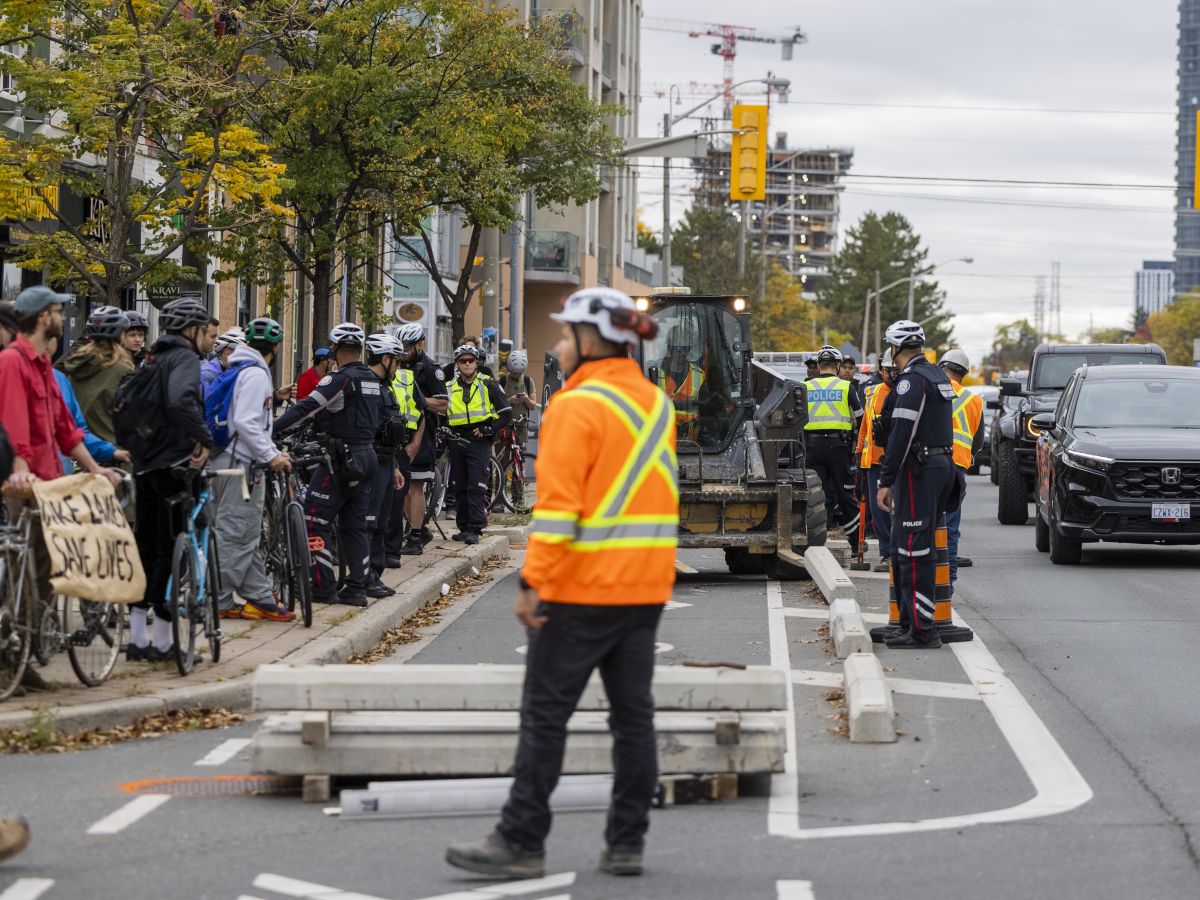
As of late October 2026, the Ontario provincial government began removing bike lanes from Bloor Street in suburban Etobicoke, returning them to vehicle lanes. This decision is seen as a response to heavy car traffic and low bike lane usage on this major thoroughfare. However, three protesters were arrested during demonstrations against the removal, with police deployed to protect construction workers. The incident highlights the ongoing debate over urban transportation priorities in Toronto, particularly ahead of an upcoming municipal election where voter sentiment towards such changes is expected to play a significant role. Cycling activists argue that removing bike lanes prioritizes car use at the expense of sustainable transportation options.
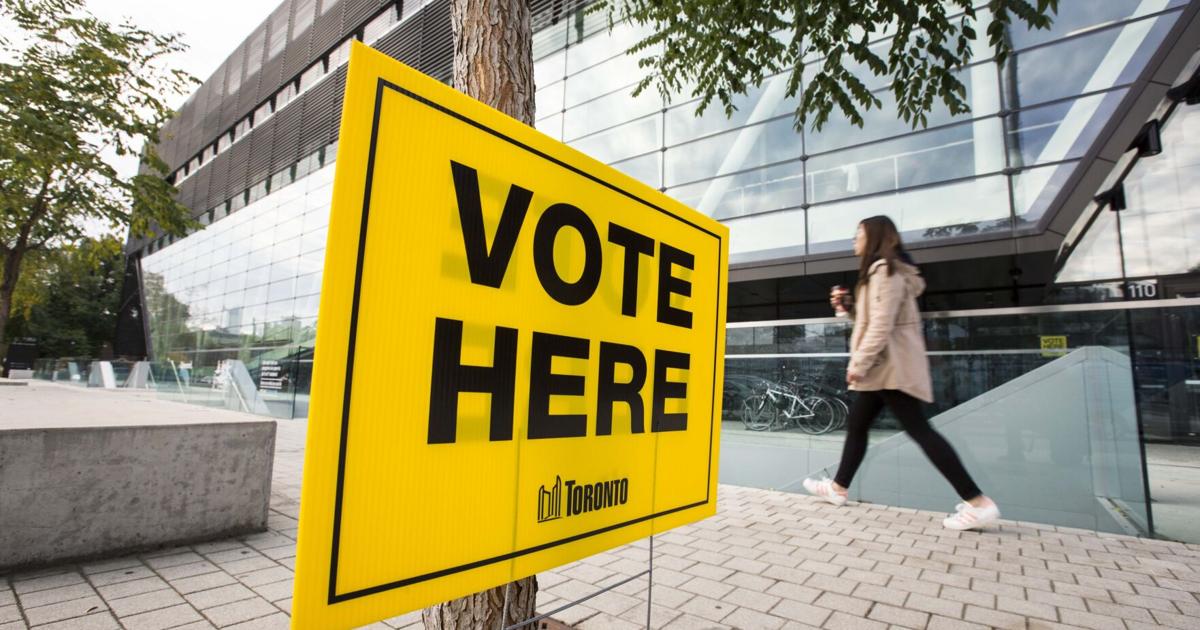
The removal of bike lanes in Toronto will surely serve as a motivator for many voters in the municipal election that’s a little over a week away.
This is just common sense, given that the stretch of Bloor where work began in suburban Etobicoke is a heavily car-dependent area, and Bloor is a major thoroughfare.
That didn’t stop belligerent cycling activists from making a rare journey out to the suburbs to harass the construction workers tasked with lane removals.
It is shameful, self-centred behaviour on the part of the activists.
For too long, city hall has acquiesced to them, and Toronto’s ability to be a truly inclusive city that facilitates the efficient movement of people and goods has been sacrificed in favour of ideology.
This sort of non-ideological approach to policymaking should be applauded.