Chris Alexander, who entered the Toronto mayoral race on July 29, has dropped out just weeks before the election, citing his limited experience in municipal politics and poor polling numbers. A recent Nanos Research poll showed Alexander at only four percent, trailing Olivia Chow at 52 percent and Brad Bradford at 43 percent. The article suggests that Alexander’s candidacy was largely futile and points to a potential advantage for Bradford with fewer competitors on the ballot, as Chow is still favored to win in progressive Toronto.
Written locally by qwen2.5:14b on 2026-10-08,
using this article's own text rather than the other coverage of the
same event (that is the story summary below).
Why this leaning score
The model judged this article politically coded and scored it -0.35, but every quote it verified points right, so the score is not published.
Written under an earlier scoring contract, which gave a paragraph
rather than checkable quotes. Re-analysing this article replaces it.
Leaning score withheld for article 66771: score contradicts its own evidence · logged 2026-10-08
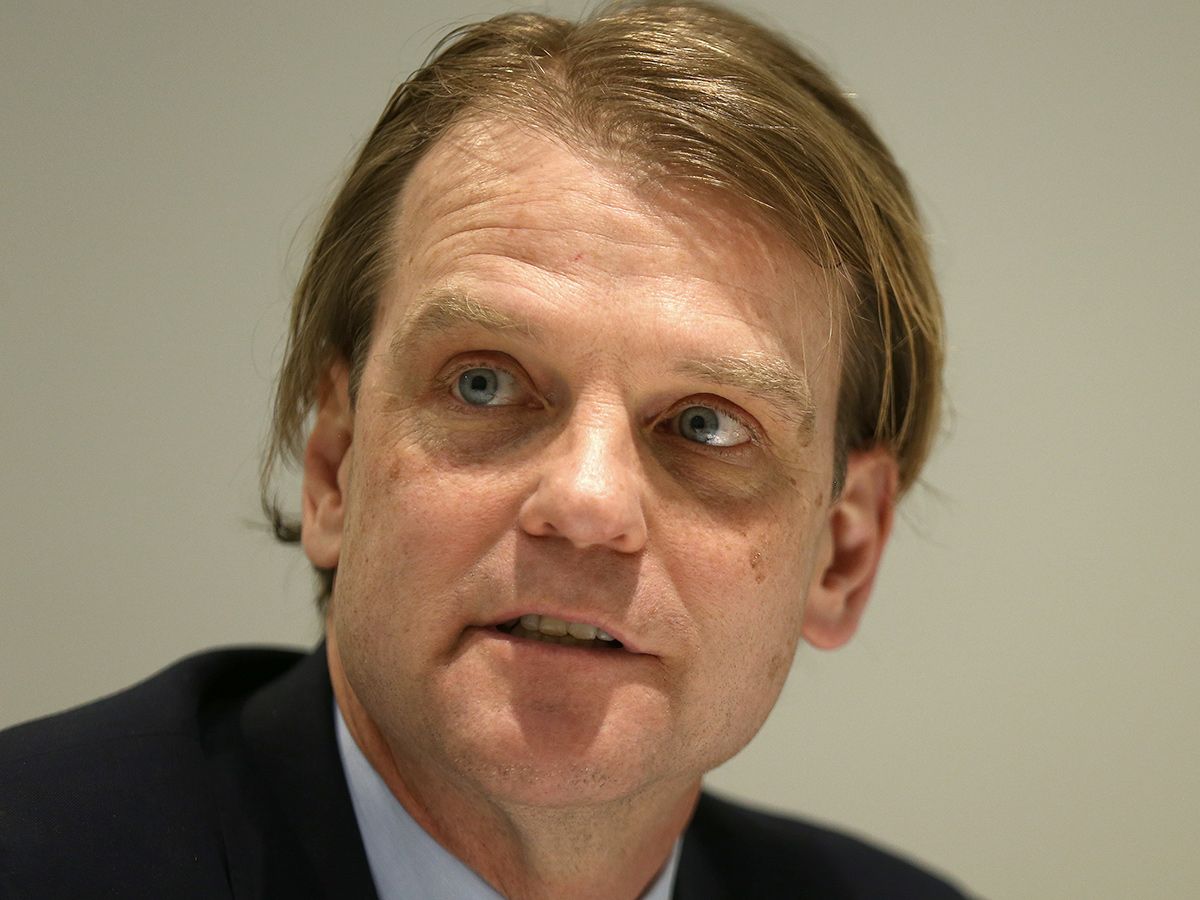
Former Conservative cabinet minister Chris Alexander unexpectedly joined the Toronto mayoral race on July 29.
asserted
Alexander → join → July
The first question that most political observers probably asked themselves was, “Why is he doing this?”
asserted
he → ask → this
His announcement this week that he’s dropping out opened the door to a new question: “Why did he bother doing this?”
asserted
he → drop → this
Alexander’s short-lived mayoral campaign will likely rank among one of the most pointless endeavours that someone with a bit of name value in Canada has ever taken on.
asserted
someone → live → Canada
He had no past experience in municipal politics, including the role he was running for.
asserted
he → have → role
He may have been a cabinet minister under former prime minister Stephen Harper, but he only served one term as a federal MP.
uncertain
he → serve → MP
And while his experience as a diplomat in the foreign service is undeniable, it wouldn’t have given him the slightest advantage in terms of being a big-city mayor.
asserted
it → give → terms
Moreover, his limited number of campaign policies were largely ignored and his polling numbers — which were never great to begin with — largely fell into single digits.
asserted
which → ignore → digits
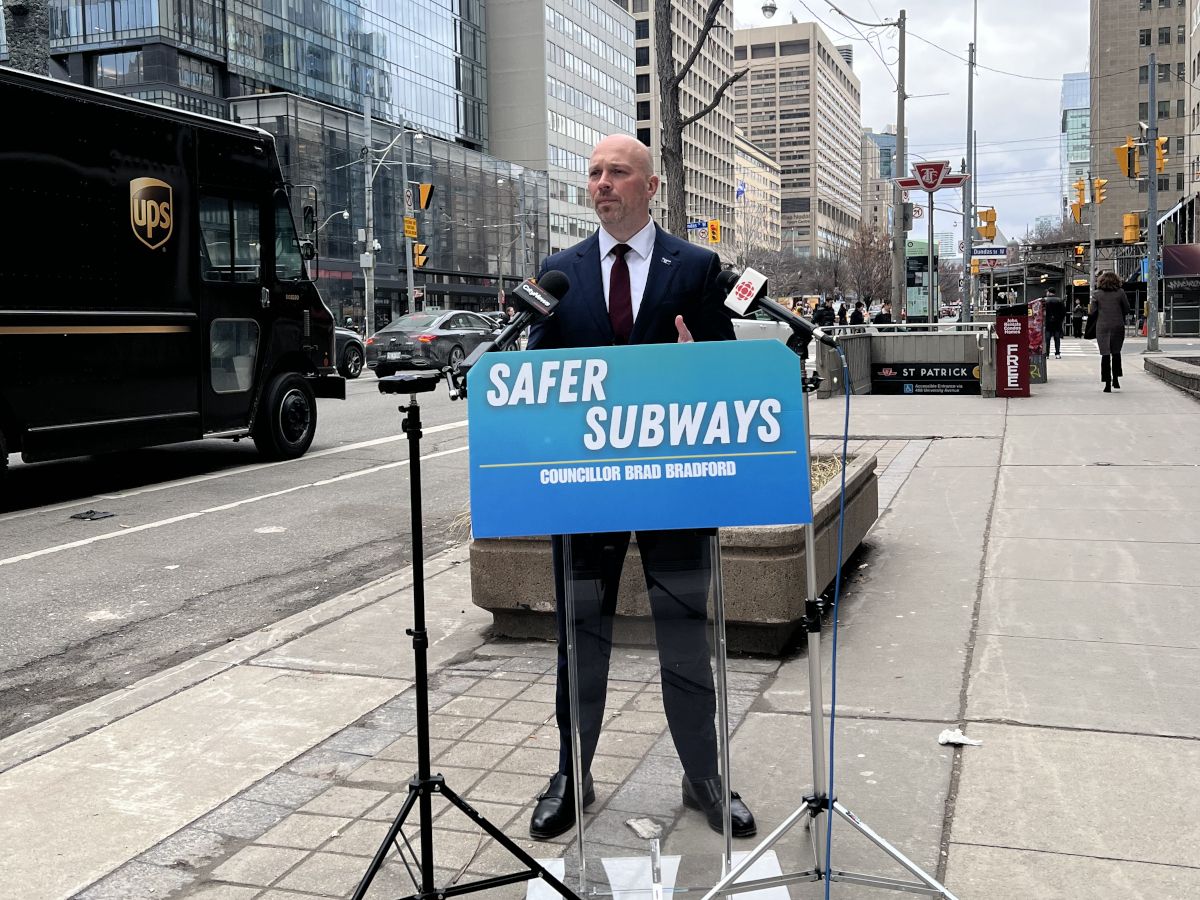
Nanos Research’s Oct. 6 poll put Alexander at a paltry four per cent, well behind Mayor Olivia Chow (52 per cent) and Coun. Brad Bradford (43 per cent).
asserted
poll → put → Chow
It’s not like he wasn’t warned about this.
asserted
he → ’ → this
I wrote in the Post on Aug. 20 that Alexander “should do the right thing and get out” of the race before the Aug. 21 deadline, or “his political ambitions in any capacity will be wiped out for good.”
asserted
ambitions → write → capacity
More recently, I described his candidacy as “quixotic” and repeated a previous theme: “I implore him to quit.”
asserted
I → describe → him
He didn’t listen for a long time but mercifully dropped out on the first day of advance voting and less than three weeks before election day.
asserted
He → listen → day
As political strategist Warren Kinsella, who previously advised Bradford, noted on X, “His name will still be on the ballot, and higher up, as well.
asserted
name → advise → ballot
That is a problem that can’t be remedied.”
asserted
that → remedie → ?
That’s the biggest mystery of them all.
asserted
That → ’ → them
“Long before I decided to run, lots of people, who are keener political observers of Toronto than I, said that Bradford could not win given his track record, given his approach, given the way he was likely to campaign,” the now-former mayoral candidate told the Toronto Star.
uncertain
candidate → decide → Star
“I don’t think he’s the ideal candidate, but if I had confidence that Chow was on the path to being replaced, I very well might not have run.”
uncertain
I → think → path
Let’s break this down.
asserted
’s → let → this
The task of beating Chow was never going to be easy in progressive-leaning Toronto.
asserted
task → beat → Toronto
People obviously have their own opinions about the pros and cons of Bradford’s candidacy, as they do of the current mayor and Alexander himself.
asserted
they → have → mayor
Yet there was no definitive undercurrent of politically astute individuals in Toronto or elsewhere suggesting that Bradford “could not win.”
uncertain
Bradford → be → Toronto
The only comment that was universal was to avoid a repeat of the 2023 mayoral byelection.
asserted
that → avoid → byelection
Chow won because there were too many high-profile candidates muddying the political waters.
asserted
Chow → win → waters
While that didn’t occur in this election, Alexander’s campaign had a similar effect for a few weeks.
asserted
campaign → occur → weeks
The only campaign it truly affected was the one he unnecessarily criticized: Bradford’s.
asserted
he → affect → ?
Which brings us to another pertinent question: “Can Bradford win in light of this important development?”
asserted
Bradford → bring → development
Yes, it’s possible.
asserted
it → ’ → ?
It’s late in the game, to be sure.
asserted
It → ’ → game
Yet even though Alexander’s contingent of voters seemingly shrank to a bare bones number, this still means a not-so-insignificant number of Torontonians aren’t fully committed to a candidate just yet.
asserted
number → shrink → candidate
Voters could start to look at things differently in a two-person race, which is a unique political dynamic involving two directly competing political visions.
uncertain
which → start → visions
Bradford must therefore emphasize Chow’s disastrous record as mayor on a point-by-point basis.
asserted
Bradford → emphasize → basis
This includes: tax hikes, wasteful spending, a lack of focus on crime and safety — and more.
asserted
This → include → crime
Conversely, Bradford’s campaign team needs to prioritize his plans for the city.
asserted
team → need → city
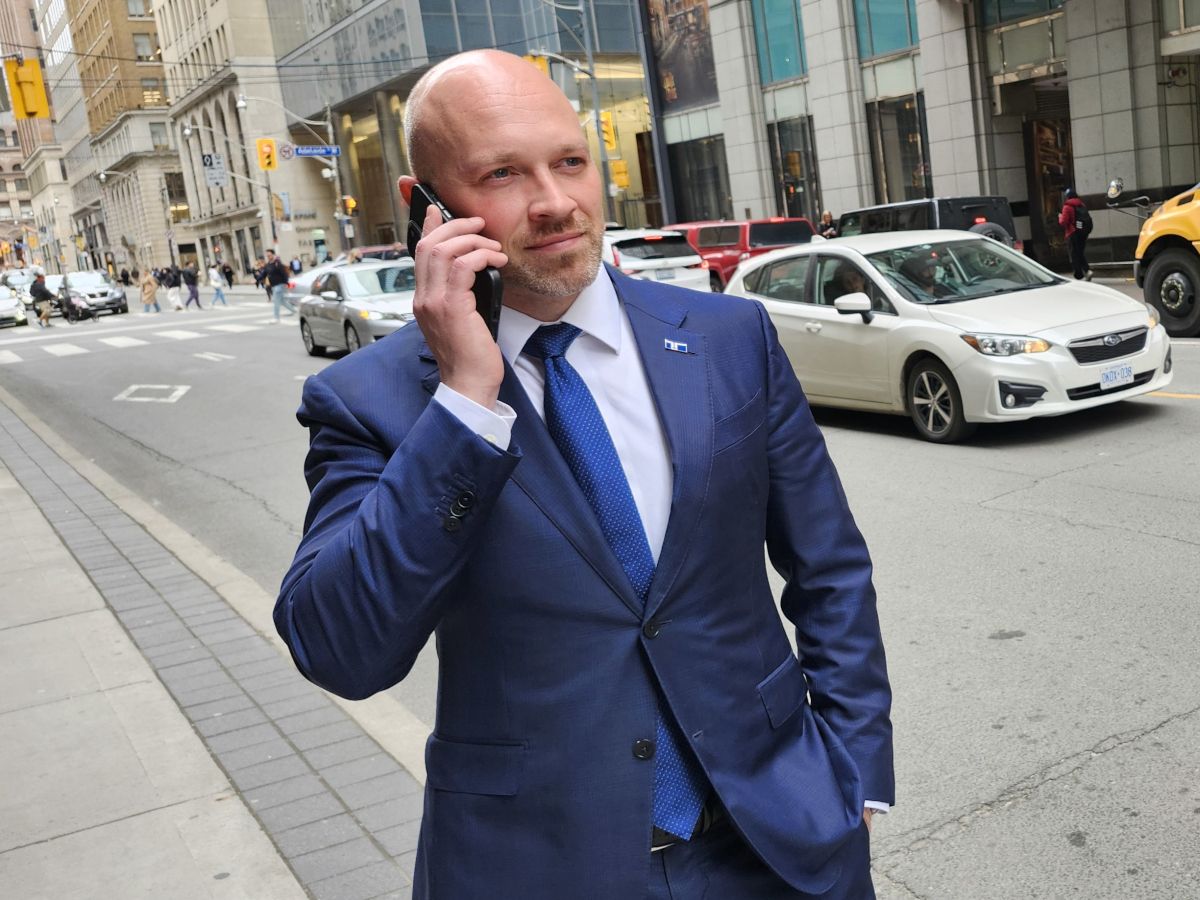
His policy proposals include a one-year property tax freeze, hiring 1,000 new police officers, removing restrictions on grocery store competition, making crime and safety a top priority and, most recently, his vision to “modernize” the city budget by separating Toronto’s operating and capital budgets once and for all.
asserted
crime → include → all
Every day, and every vote, must count in what will likely be a close election on Oct. 26.
asserted
what → count → Oct.
With Alexander finally out of the way, the task of beating Chow is now doable.
asserted
task → beat → Chow
Let’s hope they succeed.
asserted
they → let → ?
 The Aporia