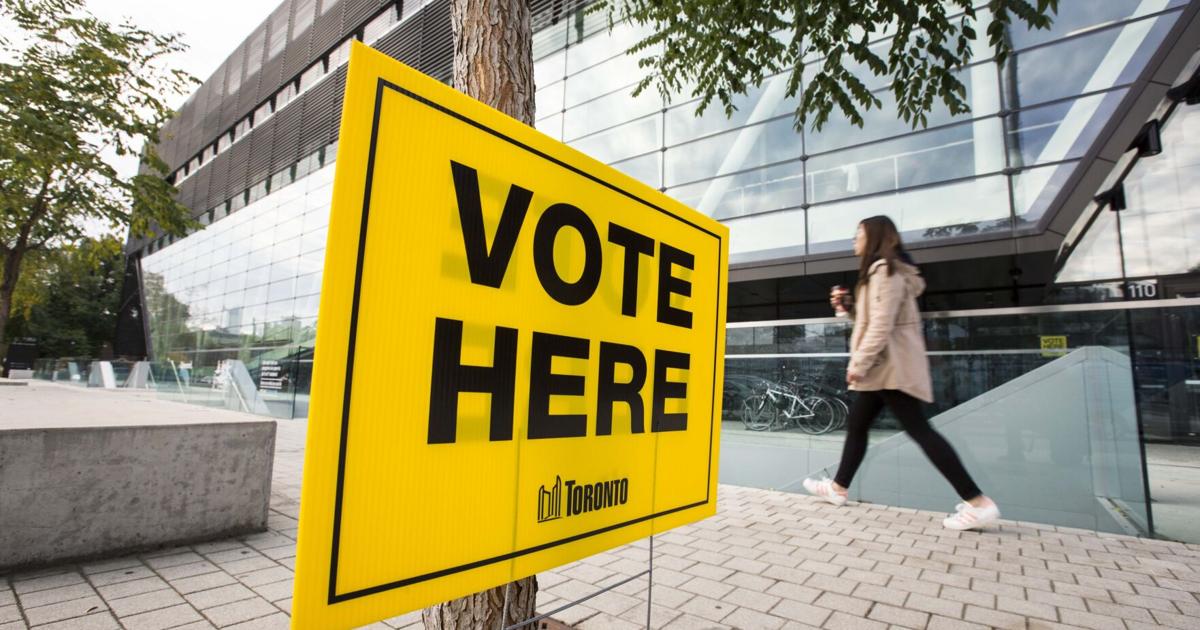
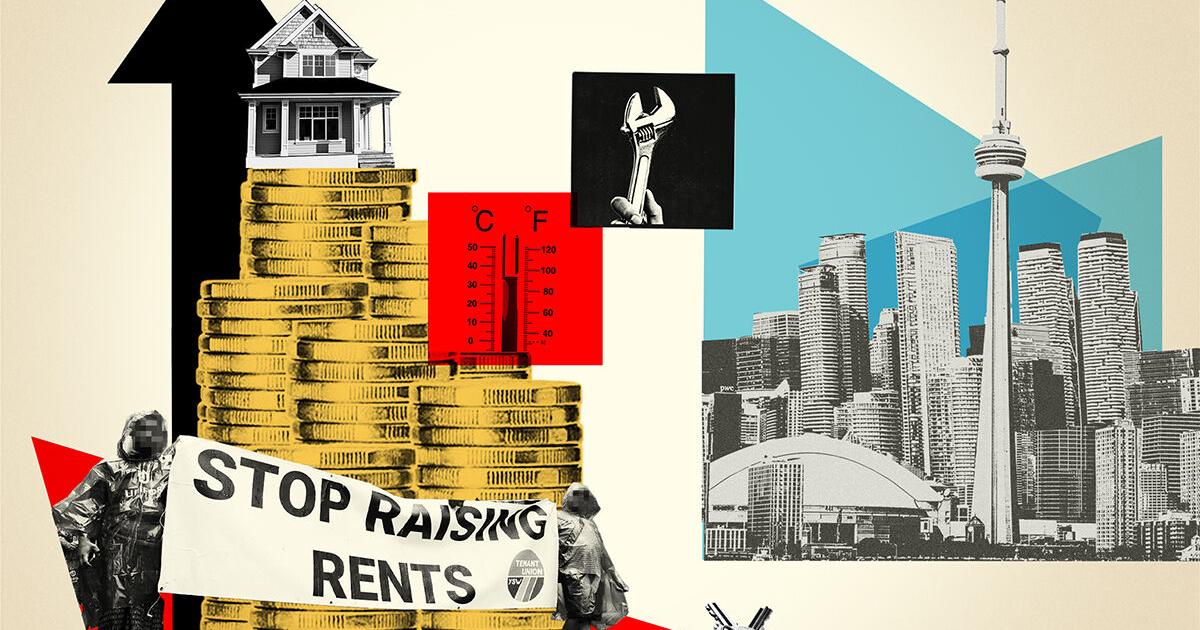
Why Olivia Chow and Brad Bradford supporters see Toronto as 'two different cities'

Read the original at Toronto Star ↗
Cite

Rider, D. (2026, October 15). Why Olivia Chow and Brad Bradford supporters see Toronto as 'two different cities'. Toronto Star. https://www.thestar.com/news/gta/why-olivia-chow-and-brad-bradford-supporters-see-toronto-as-two-different-cities/article_18a06e44-86a6-4015-b444-e65f0fbe6f73.html

Dated from the outlet's own feed. Check the original for its byline.

Toronto Star · collected 2026-10-15 · by David Rider

Quick Summary

Vote Compass data shows a stark contrast in voter priorities between Olivia Chow and Brad Bradford’s supporter bases in Toronto's mayoral race. Housing concerns are most prevalent among Chow supporters at 21.8%, while Bradford backers prioritize property taxes and municipal budgets at 22.3%. This disparity reflects differing perceptions of the city's key issues, with central Torontonians focusing on housing and suburban voters emphasizing tax-related matters.
Written locally by qwen2.5:14b on 2026-10-15, using this article's own text rather than the other coverage of the same event (that is the story summary below).

AI analysis runs on qwen2.5:14b, locally

Story summary

Olivia Chow's supporters in central Toronto are primarily concerned about housing issues, with 14.2% of residents citing it as their top election issue according to recent Vote Compass data. In contrast, Brad Bradford's backers, mainly from the suburbs, are more worried about property taxes and municipal budgets (10.9%). The survey also found crime and public safety concerns at 10.2%. This highlights a significant divide in voter priorities between central Toronto and its suburbs, reflecting different perceptions of the city’s biggest challenges. Clifton van der Linden from McMaster University and Vox Pop Labs noted that where people live, whether they rent or own their home, and their political views all influence what issues they consider most pressing.

Written for “Olivia Chow And Brad Bradford Race” on 2026-10-15, grounded in this article and the 0 other(s) covering the same event.
Why this leaning score
The article's own words the score was based on. Each is quoted verbatim and was checked against the article text before being stored, so you can find it in the original.
Reading Leans left (beta estimate) Confidence high
Leaning: leans left for article 81660 (high confidence, 2 verified quotes) · logged 2026-10-15

Story

📰 Olivia Chow And Brad Bradford Race
Politics · 1 article(s) covering the same event.

Compared with similar articles

This article reads leans left and hedges 6% of its claims. Each row says how that neighbour differs.
Toronto Star
⚖️ Leans left 🔴 14% hedged 5 of 35 📰 publisher trust 63
“The articles discuss different aspects of the Toronto election and do not describe the same specific incident or occurrence.”
Toronto Star
⚖️ Leans right further right than this 🔴 10% hedged 7 of 72 📰 publisher trust 63
“The articles discuss different aspects of the mayoral campaign and voter priorities, rather than a single specific incident or occurrence.”
Toronto Star
⚖️ Leans left 🔴 2% hedged 1 of 48 📰 publisher trust 63
“The articles discuss different aspects of Toronto's political scene and voter priorities, not a single specific event.”
Toronto Star
⚖️ Leans strongly left further left than this 🔴 4% hedged 1 of 23 📰 publisher trust 63
“The articles cover different aspects of Toronto's municipal election, one focusing on affordable housing plans and the other on voter priorities and candidate appeals.”
Toronto Star
⚖️ leaning not scored 🔴 0% hedged 0 of 2 📰 publisher trust 63
“Article A discusses high turnout for advance voting, while Article B focuses on voter preferences and divides between candidates.”
Toronto Star
⚖️ leaning not scored 🔴 10% hedged 5 of 52 📰 publisher trust 63
“The articles describe different aspects of the election campaign: one discusses voter priorities based on Vote Compass data, while the other covers a press conference with Olivia Chow and Brad Bradford answering questions from journalists.”
How this article was measured signals, leaning charts, publisher record, byline, topics and claims

Signals How these are calculated →

Claims extracted
31
sentences that state something as happening or true
Uncertain
6%
2 of 31 hedged ("reportedly", "may", "according to")
Leaning
Leans left
of the writing, not the subject · beta estimate
Publisher signals
63/100
Toronto Star's corrections and hedging, across everything collected from it. Not a measure of accuracy.
Outlets on this story
1
Politics
Same framing elsewhere
1
articles that frame the event the way this one does
Analyzed 2026-10-15 · how these are computed

How this is being covered How these are calculated →

Article leaning vs. publisher reliability
Source leaning vs. consistency

Publisher

Toronto Star · 7263 article(s) · 20 correction(s) detected
Running correction rate · 20 correction(s)
2026-10-07
Correction
2026-09-24
Correction

Who wrote this

David Rider
2 article(s) here · 1 carrying a prediction
🔮 While revealing who is drawn to the leading mayoral candidates, the popular online voter information tool — a partnership between the Star and Vox Pop Labs — also yielded data highlighting the divide in election priorities for voters in central Toronto versus the suburbs.
🔮 When Shelly Cerrelli realized that her mayor might cruise to re-election with no opponent, she got herself to Vaughan city hall.
Also by David Rider
Nothing else under this byline is closely related to this article, so these are simply their most recent.

Topics

McMaster University Star Toronto Vote Compass Vox Pop Labs

Subjects

Bradford PERSON · 8× Chow PERSON · 8× Toronto GPE · 7× Vote Compass ORG · 3× Ontario GPE · 2× Star ORG · 2× Vox Pop Labs ORG · 2× Brad Bradford PERSON · 1× Clifton van der Linden PERSON · 1× Olivia Chow PERSON · 1×

Narrative

What the top concern is in Toronto A sample of 12,365 Torontonians collected until last Thursday identified housing as the leading concern in Toronto, with 14.2 per cent of residents citing it as their most important election issue, followed by property taxes and municipal budgets (10.9 per cent) and crime and public safety (10.2 per cent).
framing: assertive · carried by 1 article(s) · first seen 2026-10-15
🔮 While revealing who is drawn to the leading mayoral candidates, the popular online voter information tool — a partnership between the Star and Vox Pop Labs — also yielded data highlighting the divide in election priorities for voters in central Toronto versus the suburbs.

Claims (31 extracted, 2 hedged)

Olivia Chow is attracting renters and others worried about housing while Brad Bradford backers are most concerned about property taxes, according to the most recent Vote Compass data, which shows housing, taxes, crime and cost of living are top of mind for Toronto voters. uncertain
housing → attract → voters
While revealing who is drawn to the leading mayoral candidates, the popular online voter information tool — a partnership between the Star and Vox Pop Labs — also yielded data highlighting the divide in election priorities for voters in central Toronto versus the suburbs. asserted
tool → reveal → suburbs
Candidates are appealing to constituencies with very different understandings of Toronto’s most pressing challenges, says Clifton van der Linden, a McMaster University professor and chief executive of Vox Pop which, with the Star, is offering Vote Compass free to voters in Ontario’s 50 most populous municipalities. asserted
which → appeal → municipalities
“What’s interesting is how differently people can see the same city,” van der Linden said. asserted
Linden → ’ → city
“Where you live, whether you rent or own your home, and your political outlook all seem to shape what you think Toronto’s biggest problems are. asserted
problems → live → home
“When people can’t agree on what the problems are, it’s not surprising that they have very different ideas about who should be running the city. asserted
who → agree → city
More than 100,000 people have filled out detailed Vote Compass surveys on election issues, allowing them to discover local candidates most closely aligned to their views, while letting them explore other candidates’ positions. asserted
them → fill → positions
Unlike conventional surveys that ask respondents to rank a set of predetermined issues, Vote Compass invites participants to identify election priorities in their own words, with responses classified by municipal politics researchers. asserted
Compass → ask → researchers
What the top concern is in Toronto A sample of 12,365 Torontonians collected until last Thursday identified housing as the leading concern in Toronto, with 14.2 per cent of residents citing it as their most important election issue, followed by property taxes and municipal budgets (10.9 per cent) and crime and public safety (10.2 per cent). asserted
cent → collect → taxes
We drilled down into priorities for those who identified as supporters of the two most prominent mayoral contenders — Chow, seeking re-election, and Bradford, the Beaches—East York councillor hoping to replace her. asserted
who → drill → her
While 21.8 per cent of Chow supporters named housing as their top priority, only 3.3 per cent of Bradford supporters did likewise. asserted
cent → name → supporters
Chow fans’ next highest priority, cited by 12.6 per cent of respondents, was public transit. asserted
priority → cite → respondents
In contrast, people intending to vote for Bradford were most concerned with property taxes and budgets, with 22.3 per cent highlighting them compared to only 3.7 per cent of Chow voters. asserted
cent → intend → voters
The second issue cited most frequently by Bradford voters was crime and public safety, with 20.3 per cent calling it their top concern compared to only 3.9 per cent of Chow supporters. asserted
cent → cite → supporters
An Oct. 8-9 Liaison Strategies poll also highlighted the housing divide among Chow and Bradford supporters. asserted
poll → highlight → Chow
The survey found that, among decided and leaning voters who rent a home, 57 per cent favoured Chow compared to 40 per cent for Bradford. asserted
cent → find → Bradford
Homeowners were, by a smaller margin, more likely to support Bradford. asserted
Homeowners → support → Bradford
Where you live shapes your priorities The data suggests that where supporters of both candidates live within Toronto is also shaping their election priorities. uncertain
live → live → priorities
Suburban respondents care more about property taxes, crime and public safety than their downtown counterparts, who prioritize homelessness and housing. asserted
who → care → homelessness
The contrast, along with differing priorities for Chow and Bradford supporters, “feels like two different cities,” marching toward the Oct. 26 election, said Vox Pop Labs analyst Joanna Massie. asserted
Massie → differ → election
Vote Compass data for all 50 municipalities, analyzing more than 34,000 responses, found that property taxes and municipal budgets were the most frequently identified concern, accounting for 15.1 per cent of issues named. asserted
taxes → analyze → issues
Housing followed at 11.3 per cent, with crime and public safety (8.6 per cent), homelessness (8.6 per cent), and public transit (8 per cent) rounding out the top five. asserted
crime → follow → five
Other findings: - The gulf between priorities for renters and homeowners seen in Toronto is visible across Ontario. asserted
gulf → see → Ontario
Renters were 15 percentage points more likely than homeowners to identify housing as their most important issue, and 4.8 points more likely to prioritize public transit. asserted
Renters → identify → transit
Homeowners, by contrast, were 14.2 percentage points more likely to prioritize property taxes and municipal budgets. asserted
Homeowners → prioritize → taxes
Public transit accounted for about one-fifth of election issues cited by Ontario respondents ages 18 to 24, compared with just four per cent among respondents age 75 and older. asserted
transit → account → respondents
- Political ideology also shapes municipal priorities. asserted
ideology → shape → priorities
Among respondents across Ontario who place themselves on the political right, about 30 per cent were focused on property taxes and municipal budgets, compared with around four per cent among those on the political left. asserted
cent → place → left
People on the far left were strongly focused on housing compared to a very small percentage on the far right. asserted
People → compare → right
The findings suggest that, even in municipal elections without political parties, priorities divide along familiar socioeconomic, generational and ideological lines. asserted
priorities → suggest → lines
Vote Compass data was weighted to align the sample characteristics with those of the Ontario adult population on the following characteristics: sex, age, education, municipality and past voting record. asserted
data → weight → characteristics

💬Give feedback
🕘History 🎫Support