The Pentagon is set to break ground on a Visitor Education Center this weekend to help teach younger generations about the September 11, 2001 attacks, as more than 100 million Americans have no personal memory of the event. Joseph Kornhoff, executive director of the Pentagon Memorial Fund, explained that the center aims to give visitors a "personal connection" to understand the significance of 9/11. Meanwhile, Beth Hillman, president and CEO of the National September 11 Memorial & Museum in New York, emphasized the growing importance of factual education amidst rising conspiracy theories about the attacks online.
Written by the local model on 2026-09-12,
using this article's own text rather than the other coverage of the
same event (that is the story summary below).
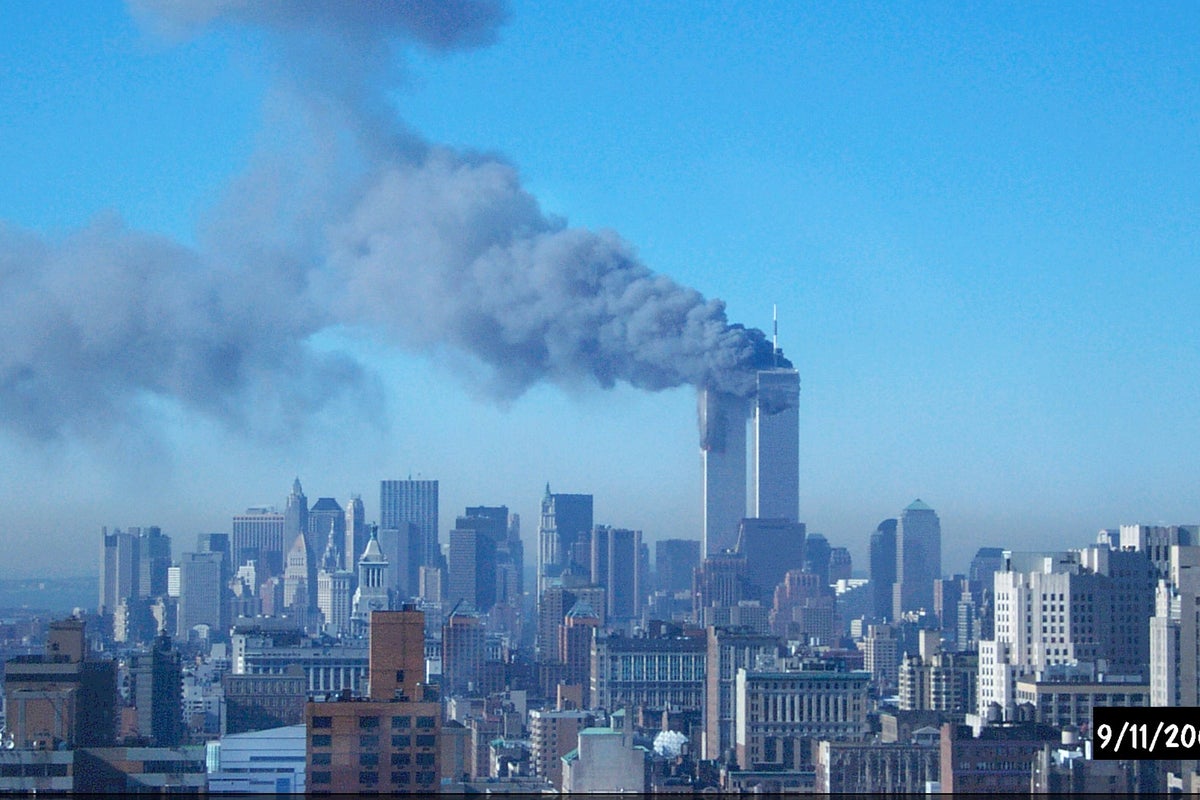
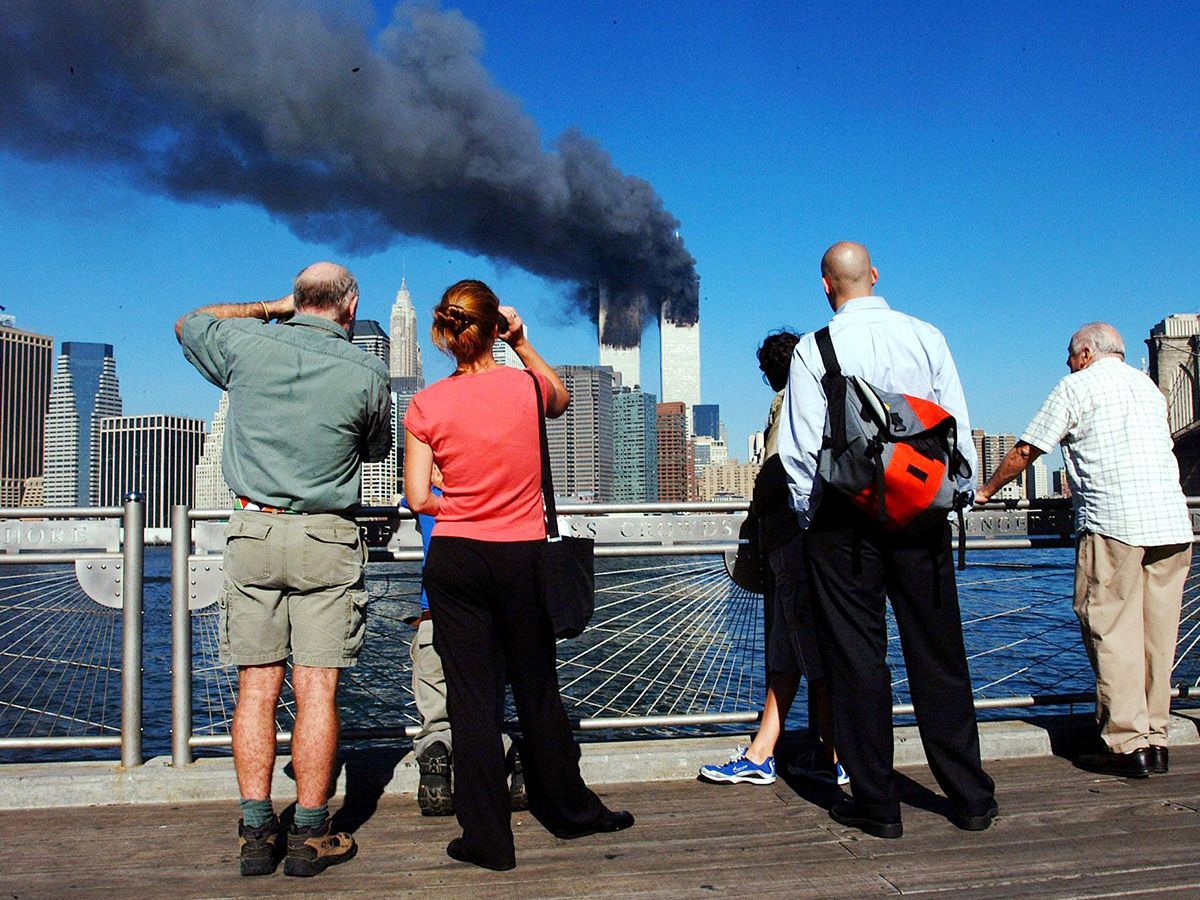
Twenty-five years after a generation promised to "Never Forget," that pledge now relies on education for the more than 100 million Americans with no memory of 9/11.
asserted
pledge → promise → 9/11
The Pentagon is preparing to help address that challenge by breaking ground this weekend on a long-awaited Visitor Education Center at the only one of the three 9/11 attack sites still without a dedicated museum or education center.
asserted
Pentagon → prepare → museum
The new center is intended to fill the gap that has grown more pronounced with each passing year by helping Americans who never experienced the attacks understand not only what happened on Sept. 11, 2001, but why it continues to matter.
asserted
it → intend → Sept.
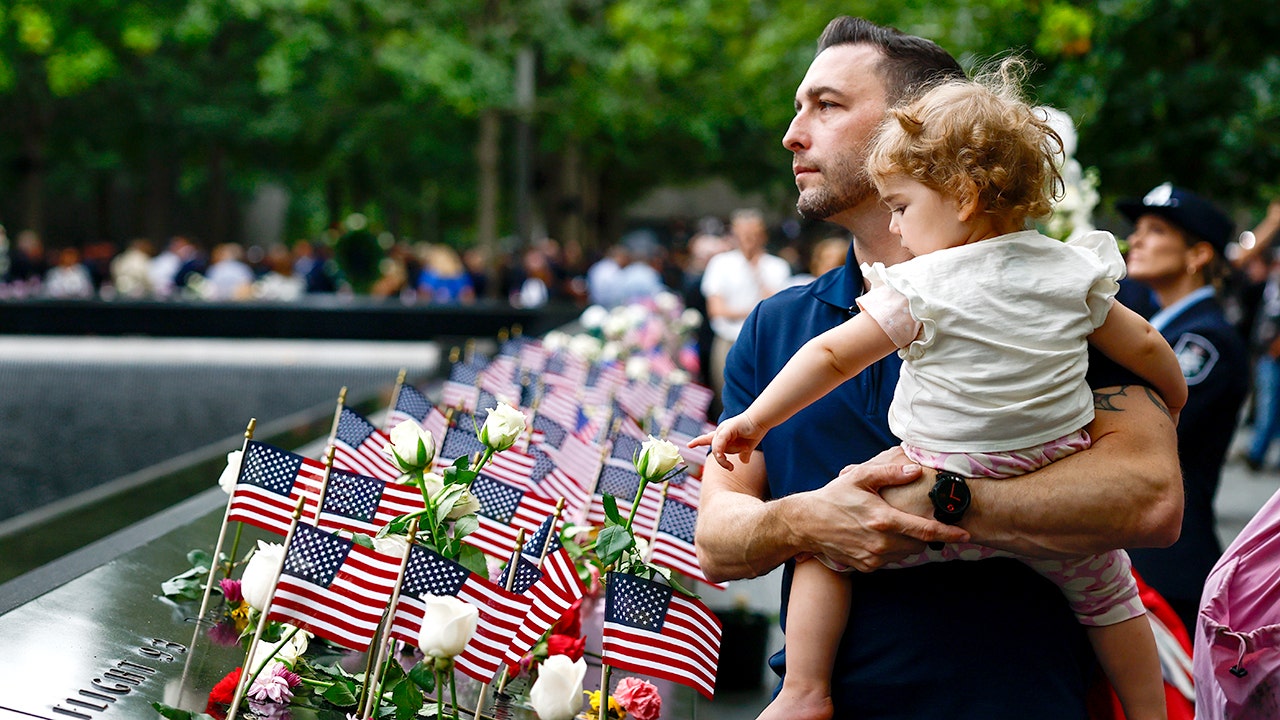
Joseph Kornhoff, executive director of the Pentagon Memorial Fund, told Fox News Digital that nearly one-third of the country was either not alive that day or has no recollection of it and therefore lacks the "personal connection" shared by those who watched the attacks unfold.
"That's what we're trying to provide with the visitor education center experience," Kornhoff said in an interview with Fox News Digital, explaining that the goal is to give visitors a personal connection that allows them to "start to understand the gravity of that day."
asserted
them → tell → day
Nearly 230 miles north, the National September 11 Memorial & Museum in New York is confronting the same generational divide.
asserted
Memorial → confront → divide
Beth Hillman, president and CEO of the National September 11 Memorial & Museum, said the passage of time has only made the annual vow to "Never Forget" more important as the number of Americans with firsthand memories of the attacks declines.
asserted
number → say → attacks
"Many in my generation remember exactly where we were on that horrific day," Hillman said during an Aug. 31 press preview outlining the museum's plans for the 25th anniversary.
asserted
Hillman → remember → anniversary
"Yet, 100 million Americans were not even born or are too young to remember that day for themselves today.
asserted
Americans → bear → themselves
Noah Rauch, the museum’s senior vice president for education and public programs, said he has watched that transition unfold firsthand through the museum’s work with students and teachers.
asserted
transition → say → students
"I've seen this line creeping up between memory and history, between those who remembered the attacks and those who didn't," Rauch said during the Aug. 31 press event.
asserted
Rauch → see → event
That transition from memory to history also raises a more modern challenge.
asserted
transition → raise → challenge
Americans too young to remember the attacks are increasingly learning about an event they never experienced firsthand, while conspiracy theories and false narratives about 9/11 run rampant online.
asserted
theories → remember → 9/11
Kornhoff said that makes factual education increasingly important, pointing specifically to conspiracy theories surrounding the attack on the Pentagon and narratives suggesting that America "deserved 9/11.
asserted
America → say → 9/11
"
"That's the need for the education center," Kornhoff told Fox News Digital.
asserted
Kornhoff → tell → Digital
"As a nation, we need to really take a step back, look at how we're educating our young children to make sure that we're providing them with the facts of the situation ... and not these conspiracy theories and entertaining wild ideas that just simply are not true."
asserted
that → need → ideas
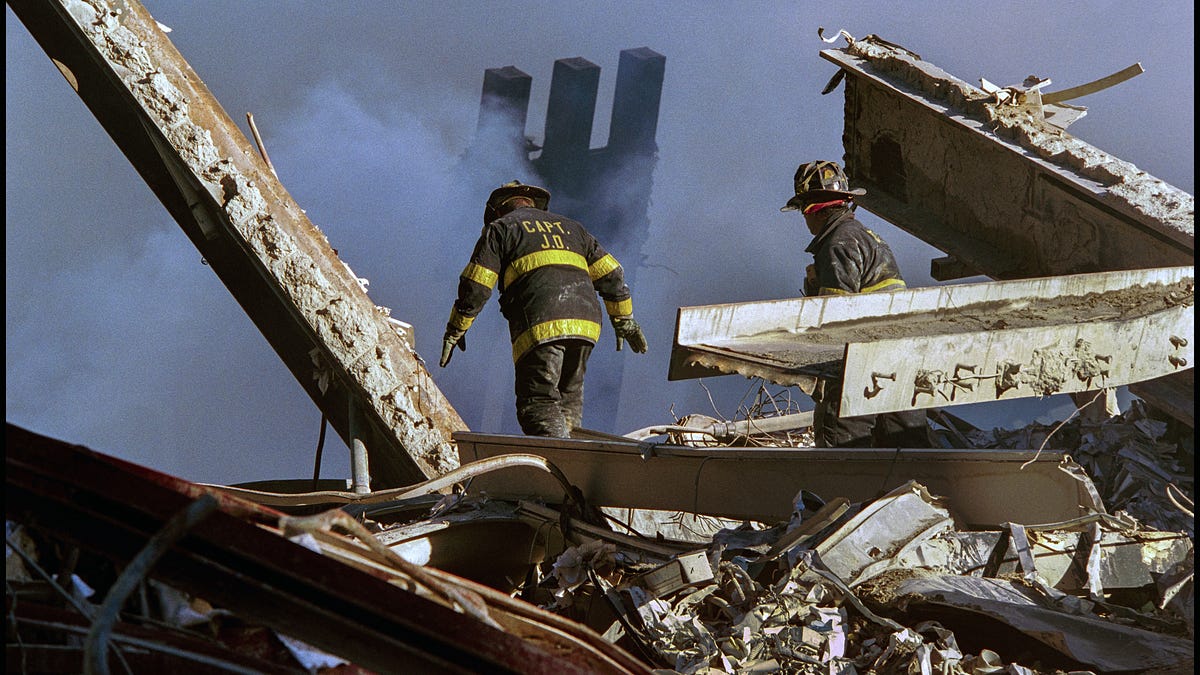
The Pentagon center will include 10 exhibits telling the human stories of the attack, including the 184 people killed at the Pentagon and aboard American Airlines Flight 77, the first responders who rushed to the scene and the military and civilian personnel who aided the wounded.
asserted
who → include → wounded
"We are going to address the facts of the day," Kornhoff said.
asserted
Kornhoff → go → day
"We are going to address the entire Pentagon story."
asserted
We → go → story
The renewed focus on 9/11 education has also reached Capitol Hill.
asserted
focus → renew → Hill
Reps. Elise Stefanik, R-N.Y., and Josh Gottheimer, D-N.J., introduced bipartisan legislation ahead of the 25-year anniversary, which aims to direct the Department of Education to examine how 9/11 is taught in schools nationwide and identify gaps in instruction.
asserted
9/11 → introduce → instruction
Kornhoff praised the effort during his interview with Fox News Digital, saying the legislation reflects a growing recognition of the need to educate generations with no firsthand connection to the attacks.
asserted
legislation → praise → attacks
The Pentagon 9/11 Memorial Visitor Education Center is expected to open by the end of 2029 near the existing Pentagon 9/11 Memorial and Arlington National Cemetery in Arlington, Virginia.
asserted
Center → expect → Arlington
The project received $12 million in federal funding this year, along with $1 million from Virginia and additional private donations raised by the Pentagon Memorial Fund.
asserted
project → receive → Fund
Once completed, the center is expected to include interactive exhibits, historic artifacts and firsthand accounts from survivors and victims' families while providing visitors with additional context about the attack and its aftermath.
asserted
center → complete → attack