The other day I saw a Harvard Harris poll on the favorability of various political figures in the U.S.
asserted
I → see → U.S.
Only RFK Jr. (sigh), Marco Rubio, and Mark Carney had net positive approval ratings:
asserted
Jr. → have → ratings
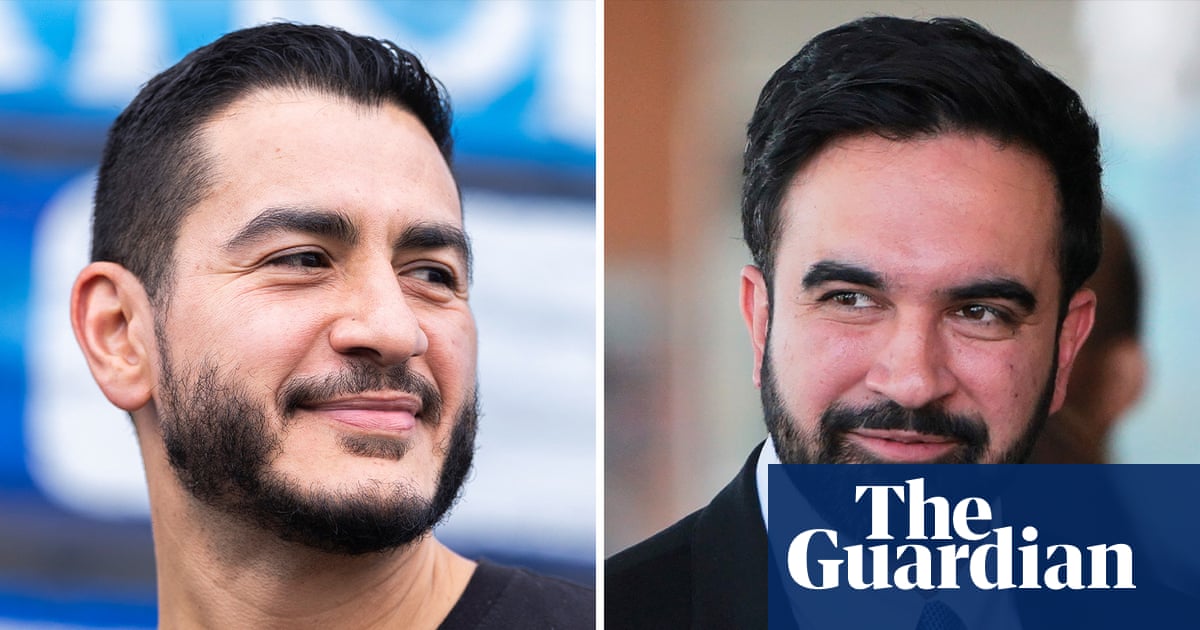
While I understand that these polls all have methodological issues, I was struck by how three figures — Abdul El-Sayed, Zohran Mamdani, and Benjamin Netanyahu — had net approval ratings below almost any American politician.
asserted
figures → understand → politician
While Mamdani’s low rating might be partially due to his leftist policies and his association with the DSA, it struck me that all three of these unpopular figures had one thing in common — they are associated with the intrusion of Middle Eastern politics into American politics.
uncertain
they → strike → politics
And I thought: Maybe Americans just want to have nothing to do with the Middle East.
asserted
Americans → think → East
Though I don’t agree with the leftist line that those attacks were blowback from American involvement in the Middle East, it’s unquestionable that 9/11 inaugurated an era of heavy U.S. involvement in that area of the world — the Iraq War, the follow-up war against ISIS, the War on Terror, greater support for Israel, an increased military presence in the region, and finally the war against Iran.
asserted
9/11 → agree → Iran
I don’t believe that all of that involvement was a bad idea — in particular, as I’ll argue, the War on Terror, including the fight against ISIS, was generally successful and necessary.
asserted
War → believe → ISIS
But overall, the era of heavy U.S. involvement in the Middle East has been a disaster for U.S. power and prestige, and it’s time for that era to end.
asserted
era → ’ → power
Five years ago, in the early days of the Noahpinion Substack, I wrote a post called “How to fix U.S. foreign policy”:
asserted
I → write → policy
In that post, I wrote:
[D]espite modest progress, we still remain too tied up in Middle Eastern conflicts…The U.S. will never be able to ignore the Middle East entirely, but we can remove ourselves much more than we’ve done…[W]e need to draw down engagement in the Middle East, and increase engagement in Asia.
Since then, things have gone from bad to worse, making my message far more urgent than it was at the time.
asserted
it → write → time
Most obviously, there’s Trump’s disastrous war in Iran, which continues to waste U.S. military resources and make the U.S. look weak while failing to accomplish any significant objective.
asserted
U.S. → ’ → objective
Recent polls show that a very strong majority of Americans think that the Iran War is not worth fighting.
asserted
War → show → Americans
This has become the rallying cry of the American left, which has prompted a backlash and crackdown by the Trump administration.
asserted
which → become → administration
As a result of that conflict, Middle Eastern politics is increasingly becoming the focus of American domestic politics.
asserted
politics → become → politics
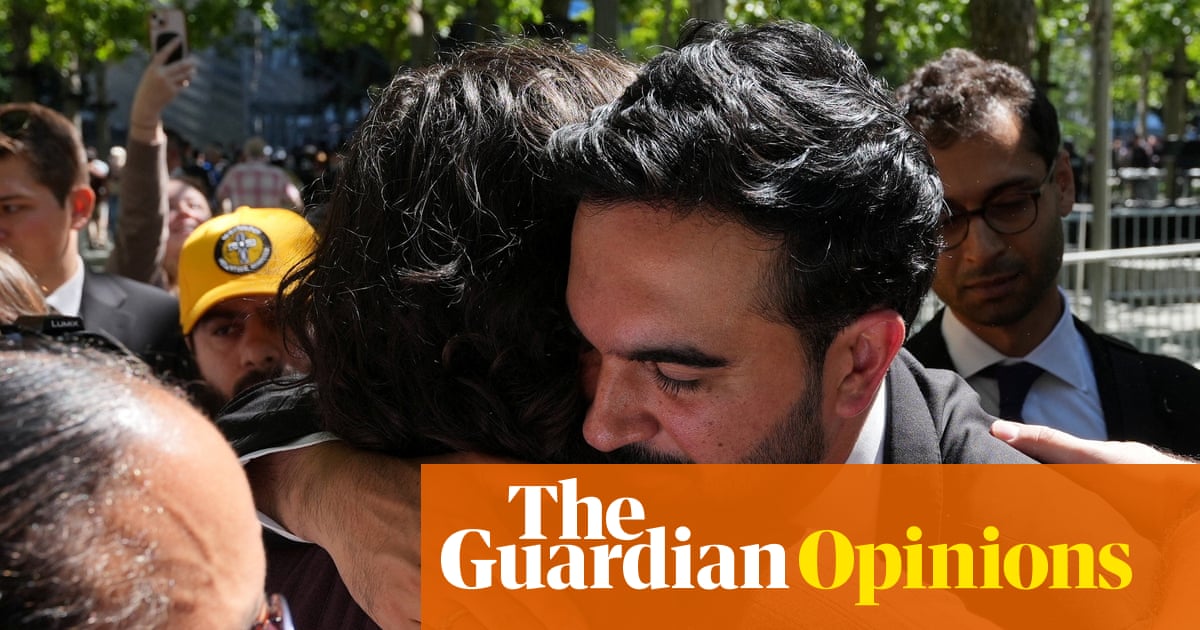
The controversy around Michigan Democratic Senate candidate Abdul El-Sayed, for example, has nothing to do with his policy stances, or even American culture wars — it’s entirely about his stance on Israel/Palestine and his ally Hasan Piker’s comments making excuses for 9/11 and Islamic terrorism.
asserted
it → have → 9/11
El-Sayed recently apologized for tying a synagogue shooting to Israeli warfare in the Middle East.
asserted
Sayed → apologize → East
Many analysts believe that Zohran Mamdani, meanwhile, won the NYC mayorship primarily because of his outspoken stances on Israel/Palestine.
asserted
Mamdani → believe → Palestine
Organizations like CAIR Action that are linked to the Muslim Brotherhood — a sort of international equivalent of the Christian Coalition, but for Islam — are now supporting political candidates throughout the U.S., using the Palestine issue to recruit candidates and win votes.
asserted
that → link → votes
Muslim Brotherhood figures are cheering this effort on from overseas.
asserted
figures → cheer → effort
AIPAC and other Israel-supporting groups, meanwhile, are pouring money into races in order to stop those candidates.
asserted
AIPAC → support → candidates
Our media, too, is increasingly filling up with the Middle East’s cultural and religious conflicts.
asserted
media → fill → conflicts
Leftist shouters like Hasan Piker, Mehdi Hasan, and Cenk Uygur constantly urge progressives to base their politics around Palestine.
asserted
shouters → urge → Palestine
Every day, Americans are bombarded with rhetoric like this:
This is simply bad for America.
asserted
This → bombard → America
We have so many pressing issues to worry about — Trump’s corruption and authoritarianism, inflation, AI, etc.
asserted
We → have → issues
We should not be nominating Democratic politicians based on whether they support Israel or Palestine; we should be nominating them based on their stances on issues of direct relevance to Americans, and on their ability to oppose Donald Trump.
asserted
we → nominate → Trump
Furthermore, mobilizing Muslim and Jewish voters to vote based on Israel/Palestine, rather than on issues of importance to Americans in general, provides fuel for rightist attacks on both groups.
asserted
mobilizing → mobilize → groups
What the United States needs, now more than ever, is general disengagement from the Middle East — an end to military adventures, a dialing back of support for Middle Eastern “allies” (including Israel), and a forceful rejection of Middle Eastern issues in American domestic politics.
asserted
needs → need → politics
Fortunately, conditions in the world have shifted.
asserted
conditions → shift → world
The kind of disengagement I’m calling for is a lot more feasible than it was twenty or even ten years ago.
asserted
it → call → disengagement
The Iran War has shown that Middle Eastern oil is a lot less important for the global economy than it used to be.
asserted
it → show → economy
And the success of the War on Terror and the general decline of Islamism reduce the necessity for further interventions.
asserted
success → reduce → interventions
The U.S. doesn’t need to protect Middle Eastern oil supplies anymore
For many decades, the main justification for U.S. intervention in the Middle East has been to keep oil prices low and stable.
asserted
justification → need → prices
The Middle East is one of the world’s largest oil producers, and its low extraction costs mean it functions as the world’s “swing producer”.
asserted
it → mean → producer
Supply disruptions from the region can cause global price spikes, endangering industrialized economies that depend on petroleum.
asserted
that → cause → petroleum
Oil was a big reason the U.S. intervened to stop Saddam Hussein’s invasion of Kuwait in the early 90s, for example.
asserted
U.S. → intervene → example
But it’s a lot less important to the U.S. than it used to be.
asserted
it → ’ → U.S.
Here’s what I wrote when the Iran War began:
asserted
War → ’ → what
Blanchard and Gali (2007) looked at economic responses to changes in oil prices in the U.S., and concluded that the economy of the 2000s was only about a third to half as sensitive to the price of oil as the economy of the 1970s had been.
asserted
economy → look → 1970s
Their reasoning is that modern economies are more flexible in general, that they have better monetary policy (i.e. we don’t try to print a ton of money in response to a supply shock), and that we depend on oil less.
asserted
we → have → oil
By their estimates, a 10% increase in the price of oil now (or at least, if “the 2000s” means “now”) leads to only a 0.25 percentage point increase in the CPI and a 0.3 percentage point reduction in GDP over the course of a year or so.
asserted
2000s → mean → year
…and 10 more, not listed.
 The Aporia