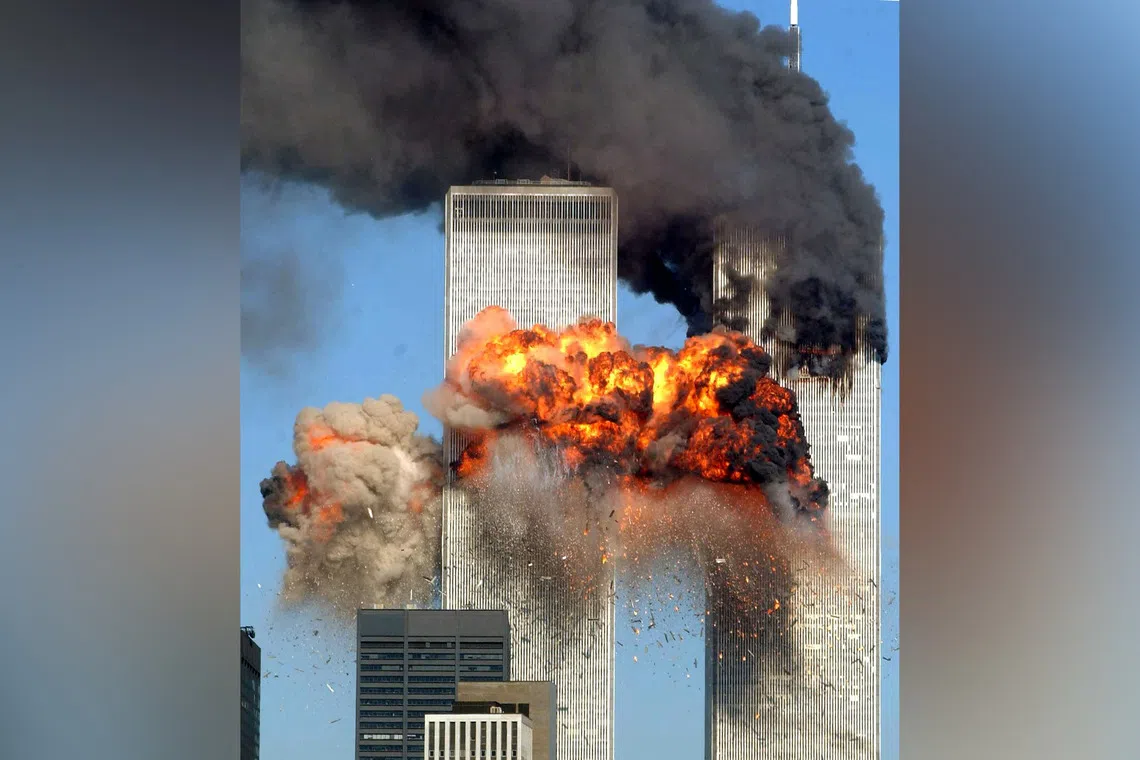
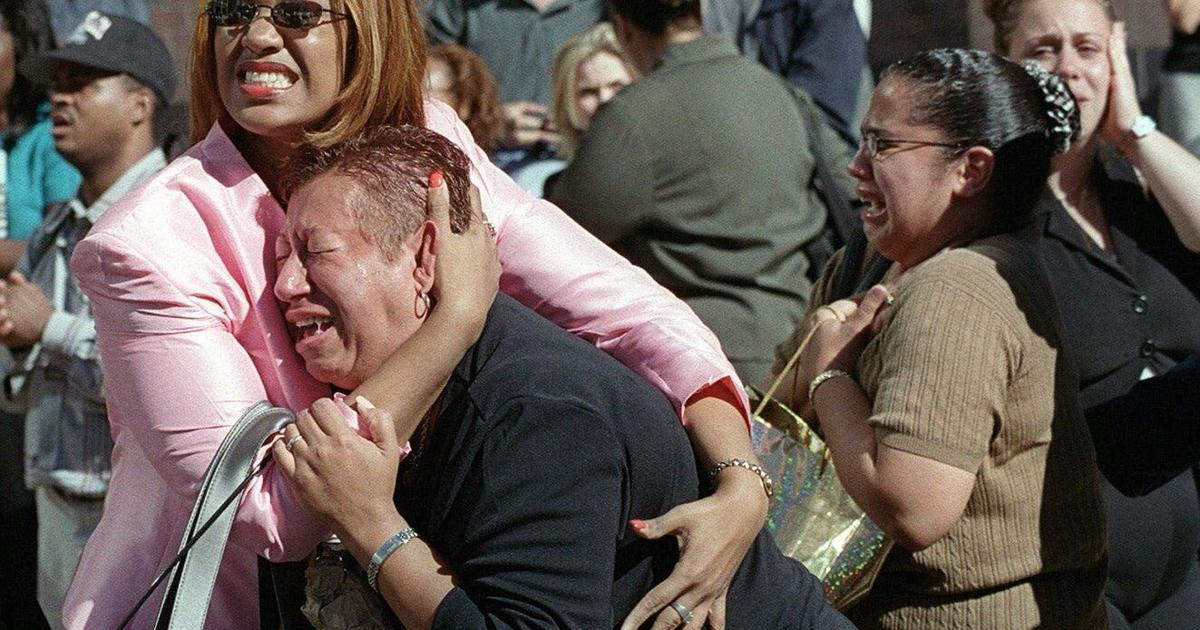
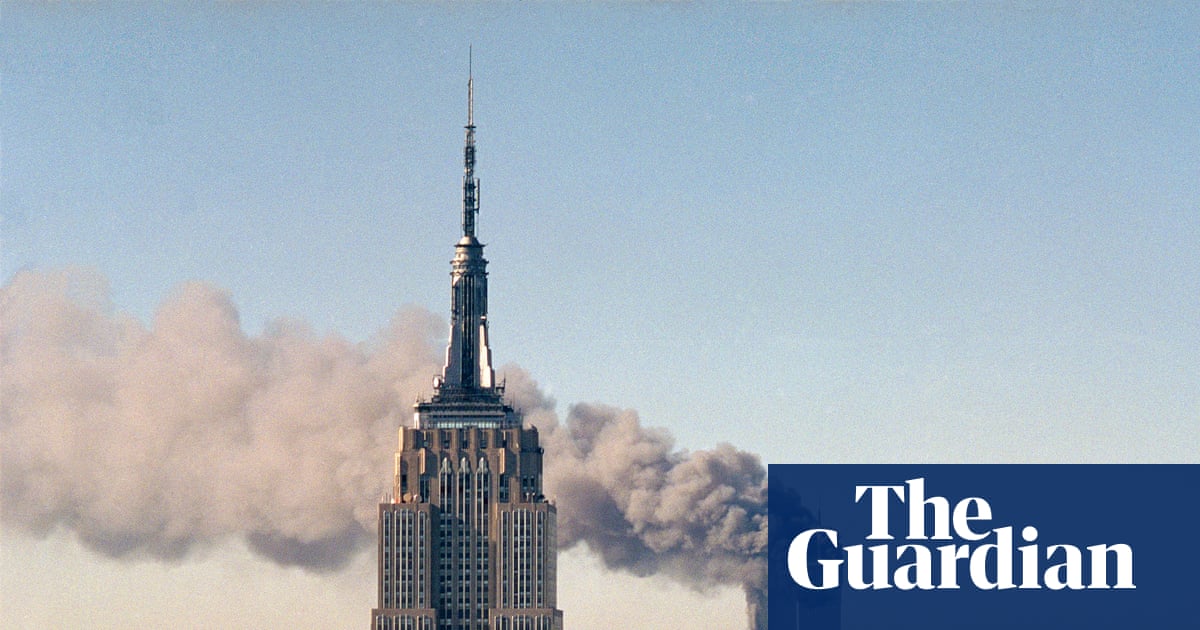
It’s been 25 years since the terrorist attacks of September 11, and during this time Muslim Americans have learned how to live in that dangerous space between other Americans’ fears and their ignorance.
asserted
Americans → learn → fears
Immediately following 9/11, Muslim Americans faced what Human Rights Watch called “a severe wave of backlash violence”.
asserted
Watch → follow → violence
A tide of hate rose up against ordinary Muslims and those who appeared to be Muslim, including at least three murders in the immediate backlash after the attacks.
asserted
who → rise → attacks
The federal government, for its part, began targeting Muslim immigrants in a massive surge of repression that legal experts soon compared with the Palmer Raids of the 1920s.
asserted
experts → begin → 1920s
Even Oprah Winfrey did her part to allay it, dedicating an episode of her show in October 2001 to “Islam 101”.
asserted
Winfrey → do → Islam
The Qur’an leapt on to the New York Times bestseller list that fall.
asserted
Qur’an → leap → list
Yet despite these early efforts at education, most Americans still learned little about Islam and Muslims.
asserted
Americans → learn → Islam
One 2006 study found that only a third of those polled realized that Muslims worship the same God as Christians and Jews do.
asserted
Christians → find → God
Close to 10% of respondents thought Muslims worship a “moon god”.
asserted
Muslims → think → god
Much of this fear and ignorance has continued unevenly over the last quarter century, with negative attitudes towards Muslim Americans softening at times and hardening, sometimes into deadly violence, at other times.
asserted
attitudes → continue → times
What’s interesting is when expressions of these attitudes happen.
asserted
expressions → ’ → attitudes
It turns out that predicting when animosity to Muslims will rise and fall may not be quite what you think.
uncertain
you → turn → what
Researchers who study Islamophobia discovered several years ago that anti-Muslim outbreaks in the United States don’t follow highly publicized acts of terrorism.
asserted
outbreaks → study → terrorism
Rather, Islamophobic incidents tend to cluster more routinely around our election cycles.
asserted
incidents → tend → cycles
That’s what the New American Foundation found in 2018.
asserted
Foundation → ’ → 2018
That’s what the researcher Dalia Mogahed discovered earlier.
asserted
researcher → ’ → what
And that’s partly what the Brookings Institute’s Shibley Telhami was referencing when he wrote, in 2024, that there was “strong suggestive evidence” that presidential messaging and crisis rhetoric can considerably sway American public attitudes toward Muslims.
asserted
messaging → ’ → Muslims
Islamophobia, in other words, is better understood not as an irrational fear of a religious other but rather as an increasingly instrumentalized part of our politics, one that is most often activated around our elections.
asserted
that → understand → elections
(Needless to say, when Islamophobia is deployed, it’s at the expense of the American Muslim community’s wellbeing.
asserted
it → say → wellbeing
And since we’re also closing in on a fiercely contested midterm election season, we should take note of the sky-high levels of Islamophobic rhetoric we’re witnessing today from the (mostly Republican) politician class.
asserted
we → close → class
“Ban Muslims from holding office in America,” she posted on Twitter/X in July.
asserted
she → ban → July
Then there’s the South Carolina representative Nancy Mace, who wrote: “Every single Muslim holding public office in America is a trojan horse, and a threat to both national security and our republic.
asserted
Muslim → ’ → security
We refuse to be silent.”
asserted
We → refuse → ?
The Florida representative Randy Fine, who has called for the deportation of the New York City mayor Zohran Mamdani, believes: “We need more Islamophobia, not less.
asserted
We → call → Islamophobia
And the senator Tommy Tuberville recently stated: “Michigan Democrats just voted to send a TERRORIST to the Senate.
asserted
Democrats → state → Senate
Abdulrahman Mohamed El-Sayed is a RADICAL ISLAMIST who will do everything he can to destroy America.”
asserted
he → do → America
In a thinly veiled Islamophobic comment, JD Vance recently said: “There’s something about Abdul El-Sayed that is very, very evil.
asserted
that → veil → Sayed
Lone Star politicians loudly trumpet anti-Muslim messages and repeatedly introduce versions of anti-Muslim legislation, seeking to forbid everything from Sharia courts, which don’t actually exist in Texas, to real estate developments by Muslims.
asserted
which → trumpet → Muslims
The Texas governor Greg Abbot, who is up for re-election, has designated the country’s largest Muslim civil rights organization, the Council on American Islamic Relations (Cair), a foreign terrorist organization.
asserted
who → designate → Relations
This is ludicrous, of course, but as a Muslim organization, Cair’s an easy mark.
asserted
Cair → ’ → organization
As the Knight First Amendment Institute points out, “the domestic targeting of dissent starts with groups that those in power deem to be attractive political targets, but it never ends there.
asserted
it → point → power
And that’s the larger point.
asserted
that → ’ → ?
Muslim Americans have been weathering these kinds of attacks for decades now, but what we also know is that attacks on Muslims won’t end as attacks on Muslims.
asserted
attacks → weather → Muslims
For 25 years, we have known what it means to live under a national security state.
asserted
it → know → state
We have known what warrantless surveillance feels like.
asserted
surveillance → know → what
We have known what politicized immigration enforcement looks like (remember the Muslim ban?).
asserted
enforcement → know → ban
We have known what it means when our dissenting voices are silenced, especially when advocating for Palestine.
asserted
voices → know → Palestine
And so, we recognize when those same tools are used by the National Security Agency to spy on ordinary Americans (as revealed by the whistleblower Edward Snowden) or when today’s mass deportations carried out by Immigration and Customs Enforcement resemble the immigration crackdown on Muslim immigrants decades earlier.
asserted
deportations → recognize → immigrants
Republicans worry loudly about their made-up fantasy of “creeping sharia”, but what all of us should really be concerned about is the reality of this creeping authoritarianism.
asserted
concerned → worry → authoritarianism
Muslim Americans have hardly been silent when facing this repression.
asserted
Americans → face → repression
…and 16 more, not listed.
 The Aporia