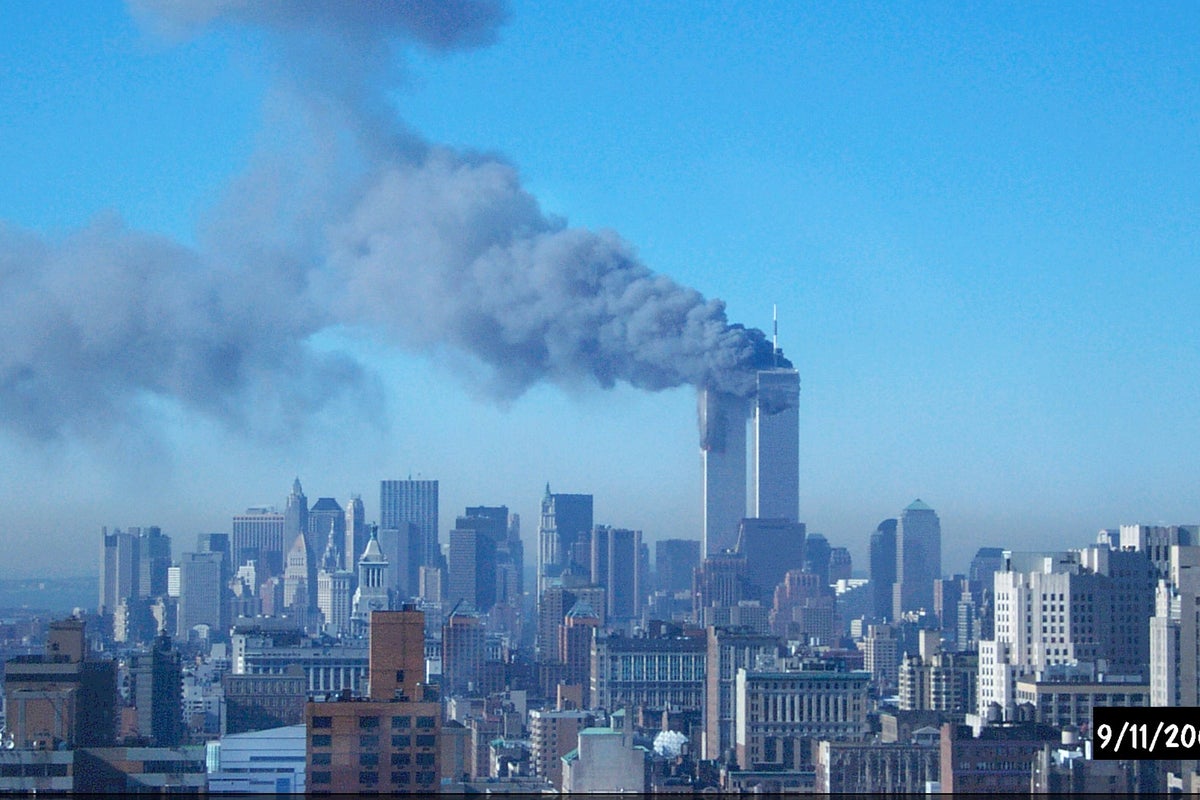
NEW YORK—The morning breaks in brilliant sunshine, sky a crystalline blue.
asserted
sky → break → sunshine
On a late summer’s day, the city is its normal pulsating self.
asserted
city → pulsate → day
“The cockpit is not answering,” flight attendant Betty Ong tells airline officials on the ground.
asserted
Ong → answer → ground
“Somebody is stabbed in business class, and I think there is mace.
asserted
I → stab → class
We can’t breathe.
asserted
We → breathe → ?
I don’t know — I think we’re being hijacked.
asserted
we → know → ?
It’s 8:19 a.m. on Sept. 11, 2001.
asserted
It → ’ → Sept.
For 25 minutes, Ong stays on the phone, calmly relaying critical information.
asserted
Ong → stay → information
Her final words, as the plane streaks towards the World Trade Center: “Pray for us.
asserted
plane → pray → us
At 8:46 a.m., Flight 11 crashes into the North Tower.
asserted
Flight → crash → Tower
Seventeen minutes later, United Airlines Flight 175 hurtles into the South Tower.
asserted
Flight → hurtle → Tower
It took 15 years to build the twin towers, tallest skyscrapers in the world when they were completed.
asserted
they → take → world
It took 15 seconds, between them, for the towers to buckle and collapse.
asserted
towers → take → them
Although it hasn’t ever really ended.
asserted
it → end → ?
And while it felt in the days that ensued as if the world itself was ending, the sun still came up on the morning after, even if it couldn’t be seen through the billowing, sulphurous smoke and steam that looked like an atomic mushroom cloud overhead.
asserted
that → feel → cloud
A quarter-century has passed since then.
asserted
century → pass → ?
An entire generation has grown up with no real memory of the strutting twin towers, ugly monoliths on the Lower Manhattan skyline, yet they represented American power and ambition and modernity, pillars of strength, seemingly inviolable.
asserted
they → grow → strength
New Yorkers came to feel a kind of affection for their looming presence.
asserted
Yorkers → come → presence
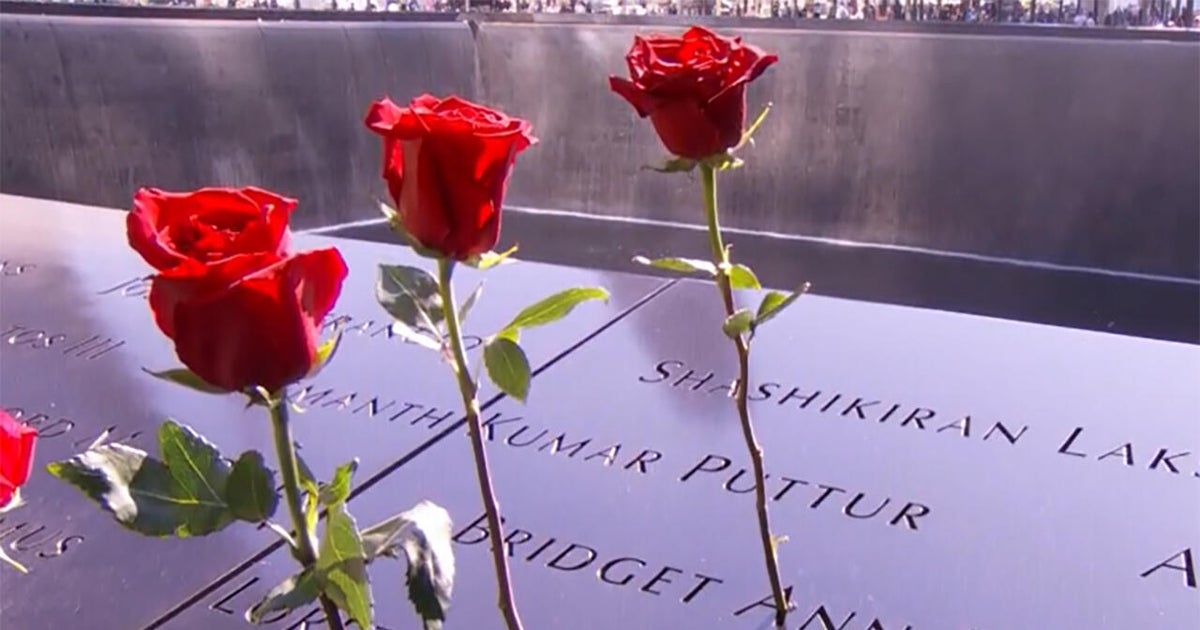
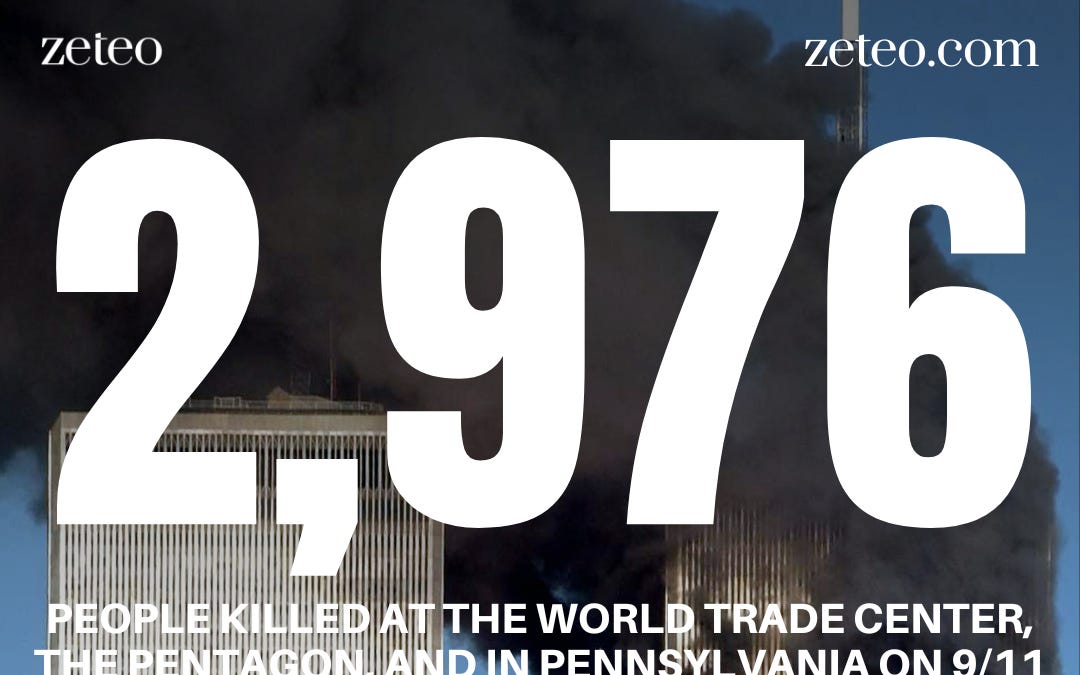
On that day of infamy, 2,753 people perished at the WTC, including 658 employees of financial company Cantor Fitzgerald, the firm’s headquarters between the 101st and 105th floors of the North Tower, human beings atomized, disappearing into mist and particles.
asserted
people → perish → mist
Among the dead were 441 emergency responders — 343 firefighters, 60 of whom were off-duty but rushed to help, running headlong into the maelstrom, 23 police officers.
asserted
60 → rush → maelstrom
And 19 al-Qaida hijackers with the sick bravado of martyrs who’d commandeered four commercial planes — American Airlines Flight 77 hitting the western face of the Pentagon at 9:37 a.m., smashing through three of the five concentric rings of the sprawling military installation; United Airlines Flight 93, believed directed toward Washington, D.C., forced by resisting passengers to crash into an empty field outside Shanksville, Pa., at 10:03 a.m.
In all, 2,977 lives lost on the day of the jackals.
asserted
lives → commandeer → jackals
Victims like Marcy Borders, who was using a photocopier on the 81st floor of the North Tower when the building exploded in flames.
asserted
building → use → flames
She emerging at ground level just as the South Tower convulsed, covered from head to toe in ash and grit, her eerie image captured in an iconic 9/11 photo, “The Dust Lady.”
asserted
image → emerge → photo
“I looked like a ghost that day,” she recalled a year later.
asserted
she → look → ghost
“Now I feel like one.”
asserted
I → feel → one
Borders died in 2015, at the age of 42, succumbing to the stomach cancer that she blamed on breathing the poisons from 9/11.
asserted
she → die → 9/11
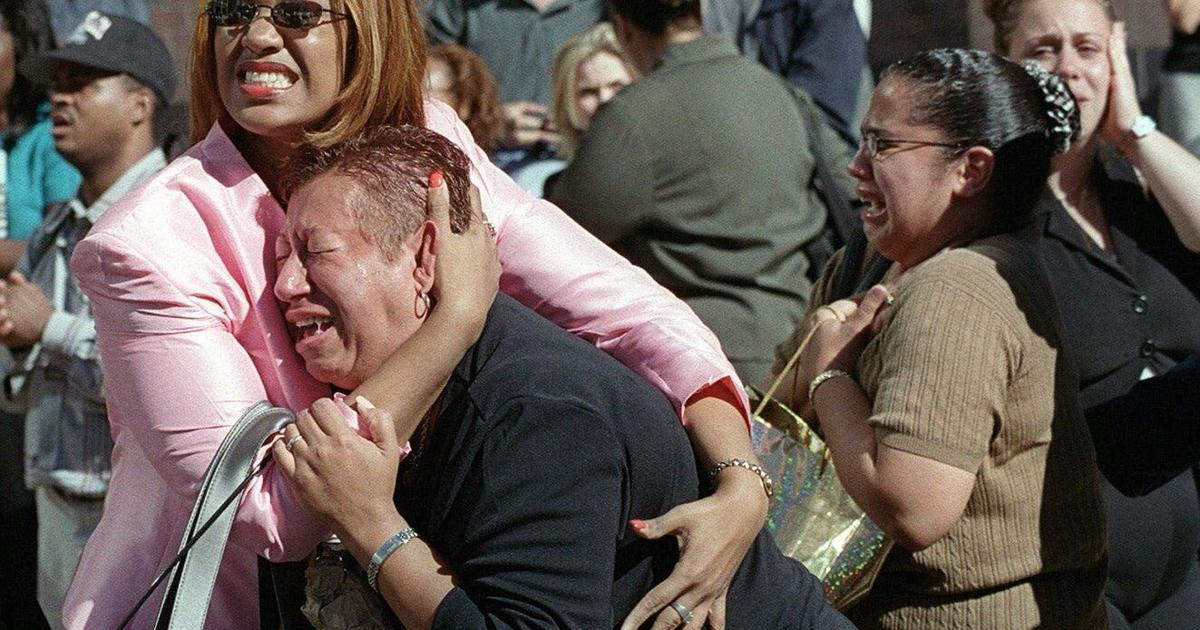
So many images captured by news photographers in an era before cellphone videos, documenting the scene, the hellscape, the stunned and begrimed faces of people as they staggered over the rubble, streaming across the Brooklyn Bridge.
asserted
they → capture → Bridge
A snowstorm of paper sheeting down like some morbid tickertape parade, mixed with pulverized bones and tissue and disintegrated concrete, whooshing through the canyons of the Financial District.
asserted
snowstorm → sheet → District
Yet 15,000 walked away from the towers and that was a miracle.
asserted
that → walk → towers
Others jumped, dozens of them.
asserted
Others → jump → them
A firefighter, Daniel Suhr, was killed when he was hit by a man who’d fallen from one of the towers.
asserted
who → kill → towers
You will remember ”The Falling Man” — plunging head-first from the North Tower, his body perfectly aligned between the vertical stripes of the building’s edifice.
asserted
body → remember → edifice
That photo is rarely published anymore,
asserted
photo → publish → ?
just as footage of the planes burrowing into the towers — aired on perpetual loop in the immediate thereafter because our eyes couldn’t believe what we were seeing — is no longer shown except on days of commemoration, on anniversaries of the horror, like today.
asserted
we → burrow → today
Is it better to erase those memories, even as parents and spouses and siblings of the victims have since gone to their graves?
asserted
parents → erase → graves
What I saw under the Tridents
asserted
saw → see → Tridents
This is what I remember as a Star reporter who arrived in New York that evening with photographer Bernard Weil, who’d driven pedal to the metal — the airspace closed — from Toronto as we listened to the radio bulletins, talking our way past barricades and roadblocks on blocked bridges.
asserted
we → remember → bridges
We’d imagined chaos but reality was far worse.
asserted
reality → imagine → chaos
The Star’s fashion editor Bernadette Morra and photographer Vince Talotta were already in the city, where they’d been covering Fall Fashion Week.
asserted
they → cover → Week
It was a terribly wounded and frightened city.
asserted
It → frighten → ?
…and 44 more, not listed.
 The Aporia