Three miles north of Ground Zero, inside a lab with sterilized air and so little humidity that the simple act of breathing parches your throat, Mark Desire devotes himself to keeping a vow that turns 25 this year.
asserted
that → parch → vow
“We made a promise that we would never give up,” Desire, assistant director at the City of New York Office of Chief Medical Examiner, told The Post of himself and a team of scientists, technologists and anthropologists that has been working all this time to find, identify and return remains of 9/11 victims to their loved ones.
asserted
that → make → ones
“We promised those families that we would continue to advance the technology and never give up.
asserted
we → promise → technology
“I was here then, and am here now,” Desire said.
asserted
Desire → say → ?
“I feel honored to be doing this work.
asserted
I → feel → work
It’s a mission that has defined my career.”
asserted
that → ’ → career
The crew, many of whom are too young to remember the horrific attack, use cutting-edge methods to wring strands of DNA out of tiny bone fragments found at Ground Zero and match them to collected profiles.
asserted
many → remember → profiles
They’ve built a library of biological identifiers taken from victims’ personal items, like toothbrushes and combs, in the days days after the 9/11 attack.
asserted
They → build → attack
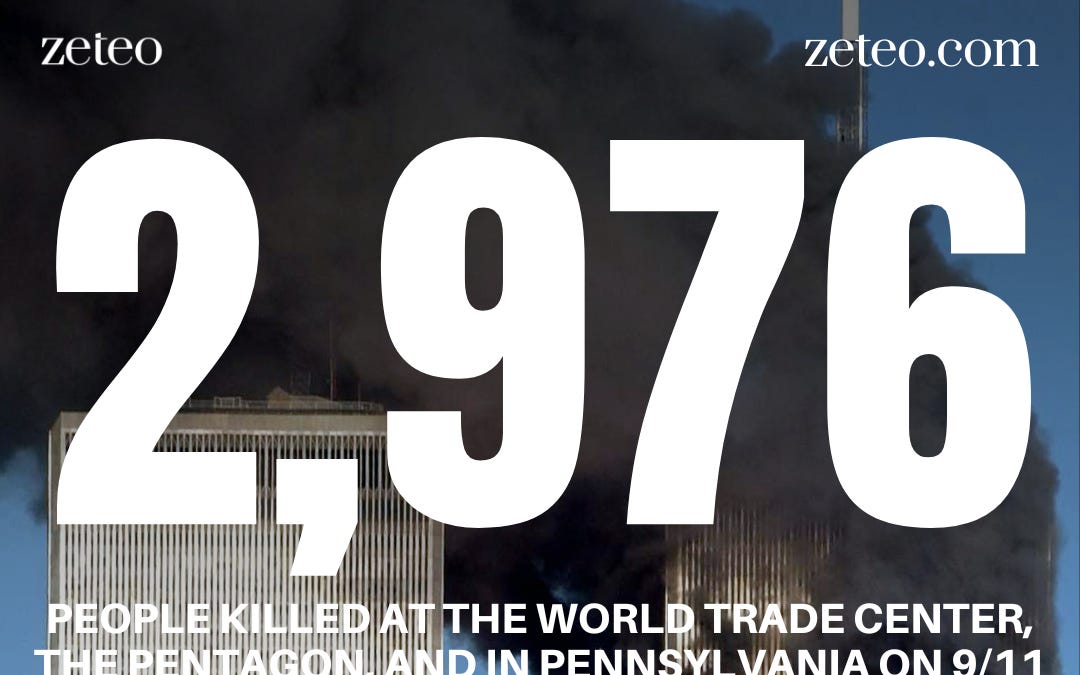
Desire describes the aftermath of the attack that claimed 2,753 lives as “not only the largest forensic investigation in the United States but also the most difficult” — in part because “jet fuel, fire, water used to put out the fire, chemicals in the building and sunlight all … all destroy DNA.”
asserted
fuel → describe → DNA
Just last month, the 1,651st victim was identified.
asserted
victim → identify → ?
(The person’s relatives requested anonymity and asked that the victim remain unnamed as well.)
asserted
victim → request → anonymity
But there are nearly 7,000 fragments that Desire and his group have analyzed but not yet been able to match.
asserted
Desire → be → that
“We’ve gone back to some bones 10 times, hoping that new technology will allow us to find DNA,” explains Desire.
asserted
Desire → go → DNA
“If it’s a very small fragment that we’ve already tried [tech] on, and it now gives us just one chance, we need to ask ourselves if we should try now or wait for the technology to get better.
asserted
technology → ’ → ourselves
That’s a big decision.”
asserted
That → ’ → ?
The latest tool in his arsenal: Forensic investigative genetic genealogy that allows the team to tap into genetic banks, create family trees and track down previously unknown relatives of victims.
asserted
team → allow → victims
“Let’s say we have a DNA profile that does not match anything in the [DNA] databank — possibly, that’s because no relatives came forward,” Desire said, pointing out that it could have been due to oversight during an extremely stressful period.
uncertain
it → say → period
“Sometimes, family members thought they gave a DNA sample but, in actuality, they didn’t.
“
asserted
they → think → actuality
We use commercial genealogy labs to help us [get started].
asserted
us → use → labs
Then we take the forensics in-house so the NYPD genealogist can do analysis and an investigation.
asserted
genealogist → take → analysis
All these clues help us get closer and closer to solving.”
asserted
us → help → ?
On Sept. 11, 2001, Desire was a criminalist in the Office of the Medical Examiner, using science to identify the missing and solve crimes.
asserted
Desire → use → crimes
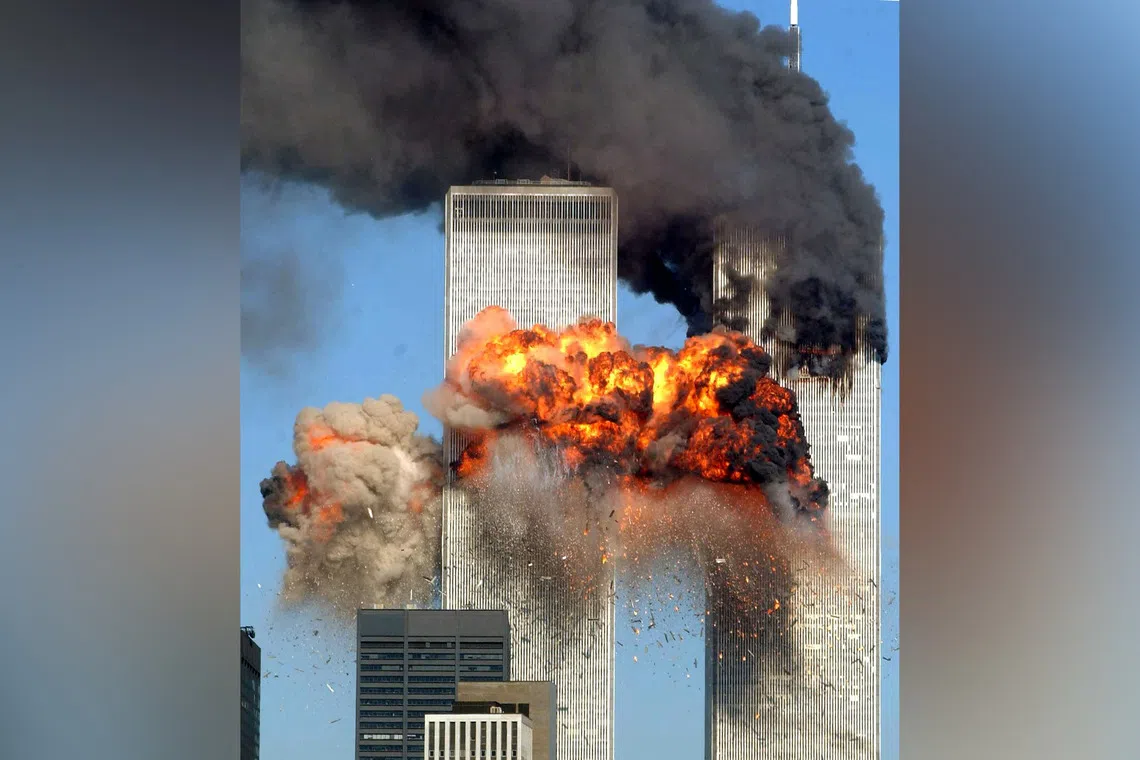
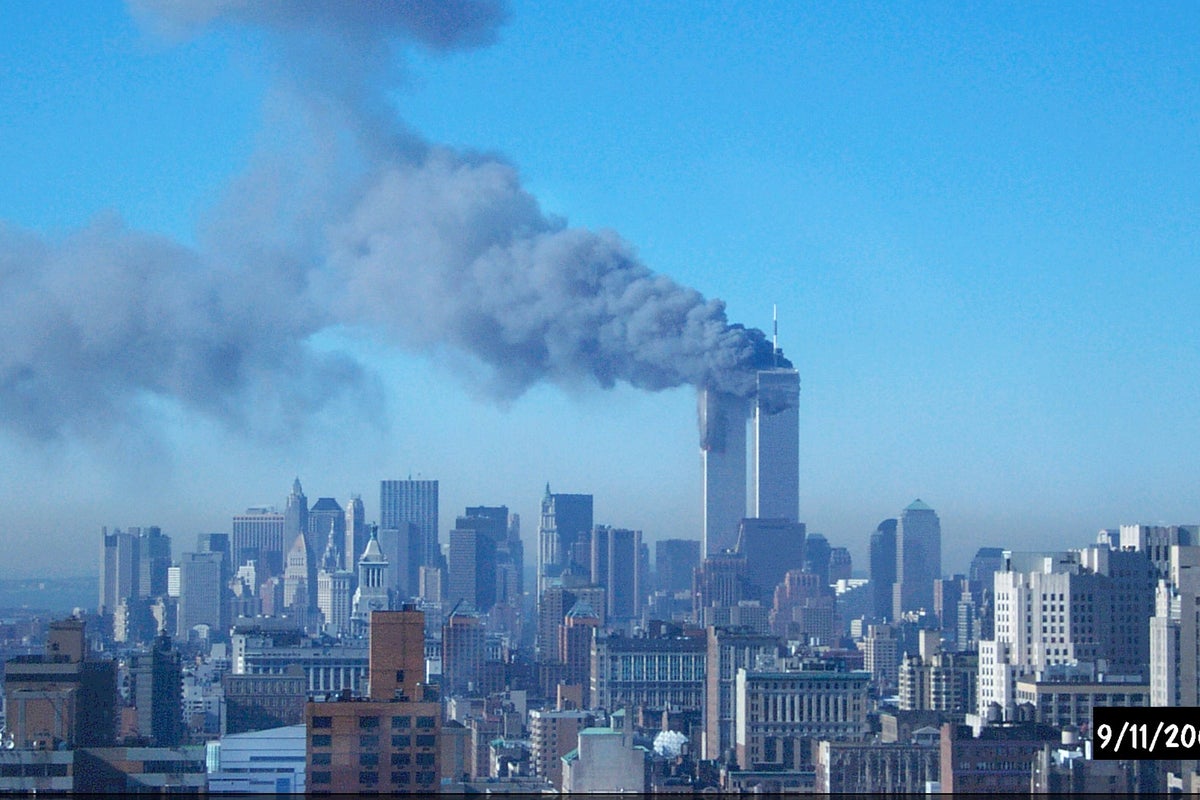
When the planes hit the second building, he and his colleagues raced downtown to the World Trade Center just after 9 a.m., while both towers were still standing.
asserted
towers → hit → a.m.
“Normally, when the fire is out and everything is safe, that’s when our team goes in.
asserted
team → ’ → ?
But this was all hands on deck — our job was to preserve the evidence,” he recalled.
asserted
he → preserve → evidence
“We were to set up a temporary morgue and stay out of the way of first responders running into the buildings.
asserted
We → set → buildings
When the South Tower came down, Desire was knocked out of his shoes and his Office of the Medical Examiner jacket was shredded.
asserted
jacket → come → Examiner
That garment and his wristwatch, which stopped ticking at the moment of impact, are framed and on display at the lab — inspiration to keep going.
asserted
which → stop → lab
On Sept. 12, he returned to work.
asserted
he → return → work
But with fewer than 100 victim bodies fully intact, the mortuary got used largely for examining fragmented remains.
asserted
mortuary → use → remains
“The people who could be identified, we got them back to their families for proper burials,” said Desire, who was then assigned to gathering DNA from reference samples supplied by relatives of the missing.
uncertain
who → identify → missing
The process of recovery began immediately.
asserted
process → begin → recovery
“We had an anthropologist tell us what were human bones, what were animal bones — from the restaurant and from people’s lunches … — and which were 300 years old, buried beneath the Towers,” Desire said.
asserted
Desire → have → Towers
Sometimes a victim’s belongings have been identified even when the person has not.
asserted
person → identify → ?
“A firefighter’s helmet was recovered.
asserted
helmet → recover → ?
We generated a DNA profile [in case other remnants are found and prove to be a match],” Desire recalled.
asserted
Desire → generate → case
“We returned the helmet to his family, but we have not found that person yet.”
asserted
we → return → person
When a person is found and their remains — even in the smallest amount — are delivered to loved ones, said Desire, “There is hugging and crying and the feeling is unbelievable.
asserted
feeling → find → ones
You can’t turn your back on that.”
asserted
You → turn → that
Paul Keating can relate.
asserted
Keating → relate → ?
…and 19 more, not listed.
 The Aporia