Story summary
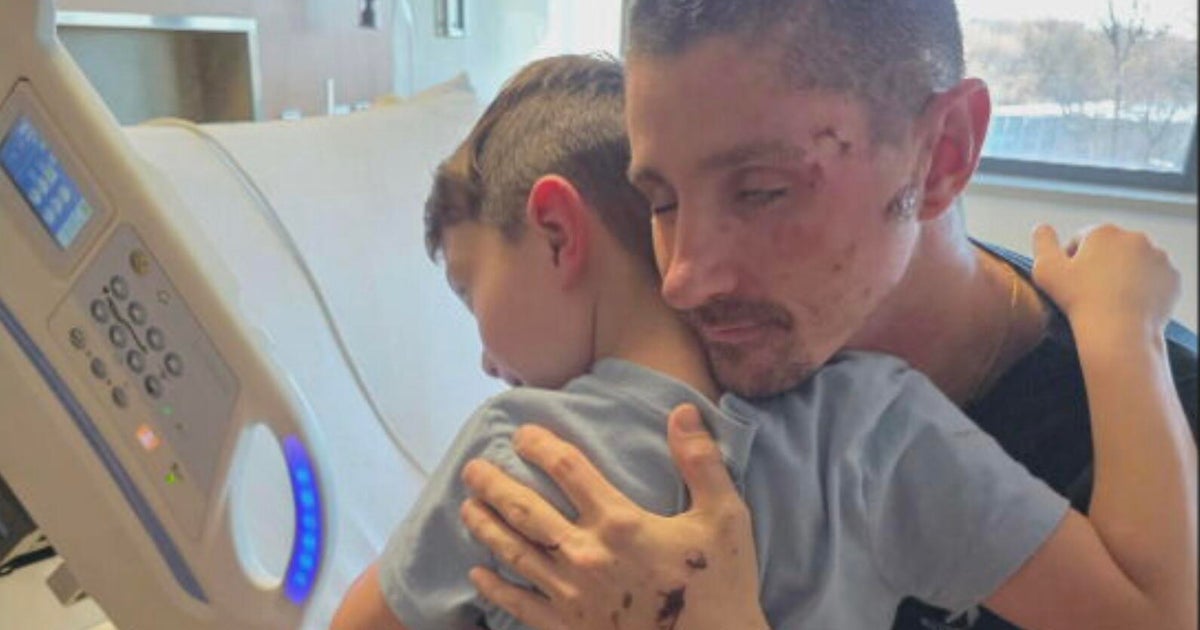
Chief Warrant Officer Rodney Bearman, a 57-year-old soldier, was severely injured when an Iranian drone struck his work station in Kuwait at the onset of the war with Iran on March 1. Bearman suffered multiple injuries including shrapnel wounds throughout his body, a concussion, hearing and vision loss, and lung damage. Despite these serious injuries, the Army classified his condition as "not seriously injured."
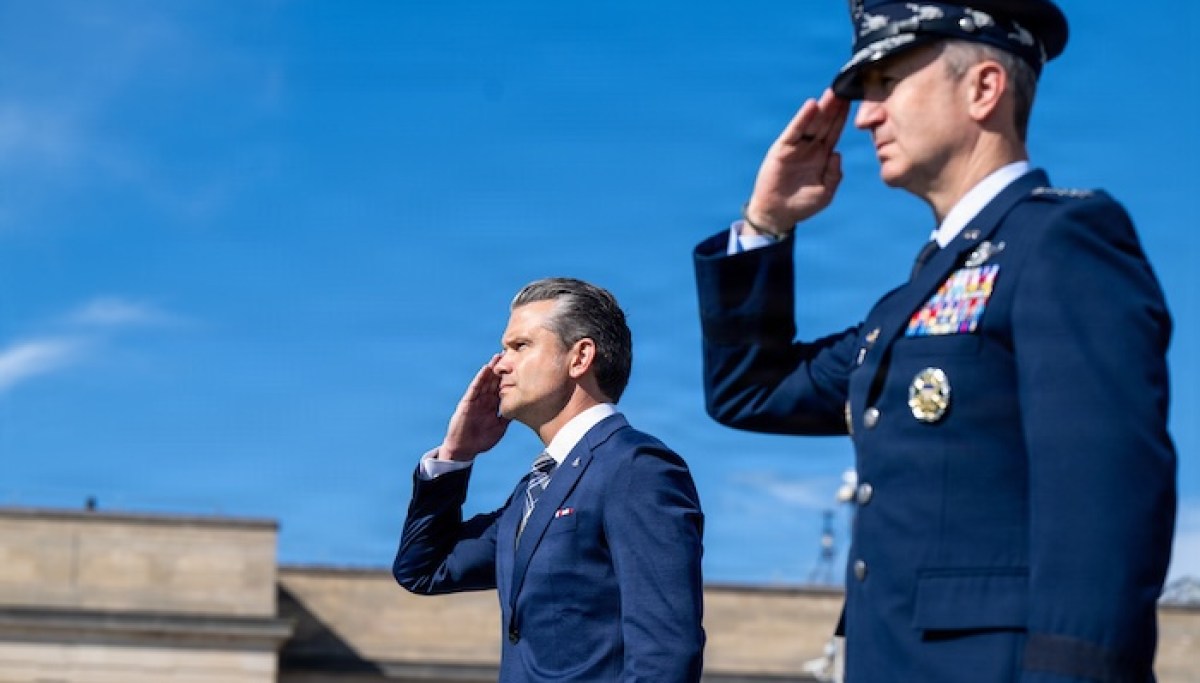
In response to questions about the conflict's casualties, Defense Secretary Pete Hegseth stated that nearly 90% of the approximately 400 wounded American service members had minor injuries and were back on duty. However, some soldiers, including Bearman, argue their injuries are far more severe than officially acknowledged.
Bearman returned to the U.S. on March 18 still injured with shrapnel in his body and was later assigned to a soldier recovery unit at Fort Bragg near his home in West Virginia. His wife, Amy Bearman, criticized the Army's assessment of her husband’s injuries as unacceptable. The couple is part of several families who feel the military has not treated their loved ones appropriately as combat casualties.
The Army maintains its stance through a spokesman who declined to comment on specific communications with soldiers’ families but stated that Bearman received necessary care and was evacuated for higher-level treatment outside the U.S. Central Command area.
Written for “War Injuries Cover-Up Accusations” on 2026-10-05,
grounded in this article and the 0 other(s) covering the same event.
When Defense Secretary Pete Hegseth was asked about the toll of the conflict with Iran in March, he told reporters that "almost 90%" of the 400 injured American service members had sustained only minor injuries and had since returned to duty.
asserted
% → ask → duty
Now, some of those wounded soldiers tell CBS News the injuries were far more serious than the official designation provided by the military.
asserted
injuries → wound → military
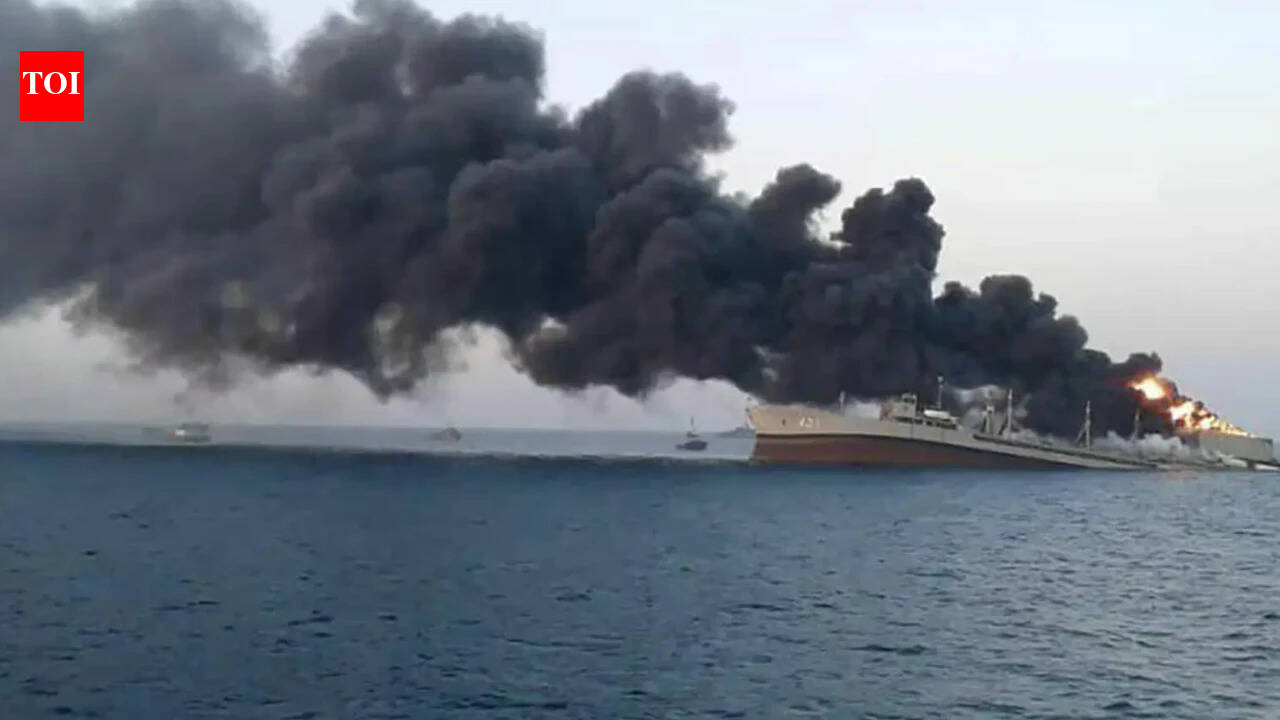
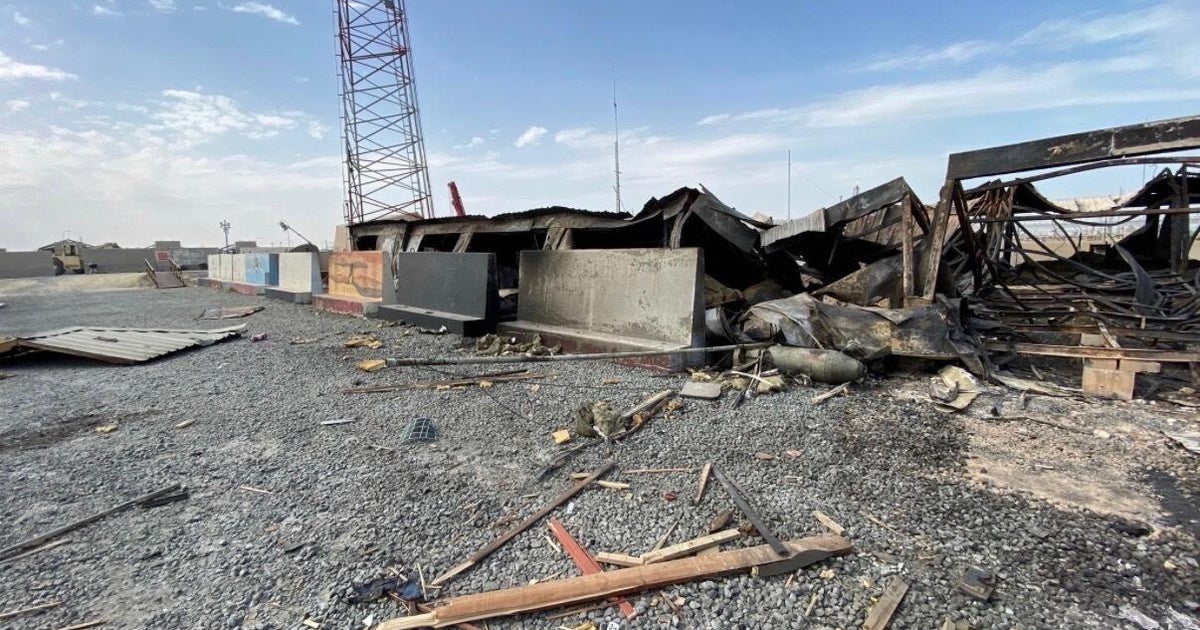
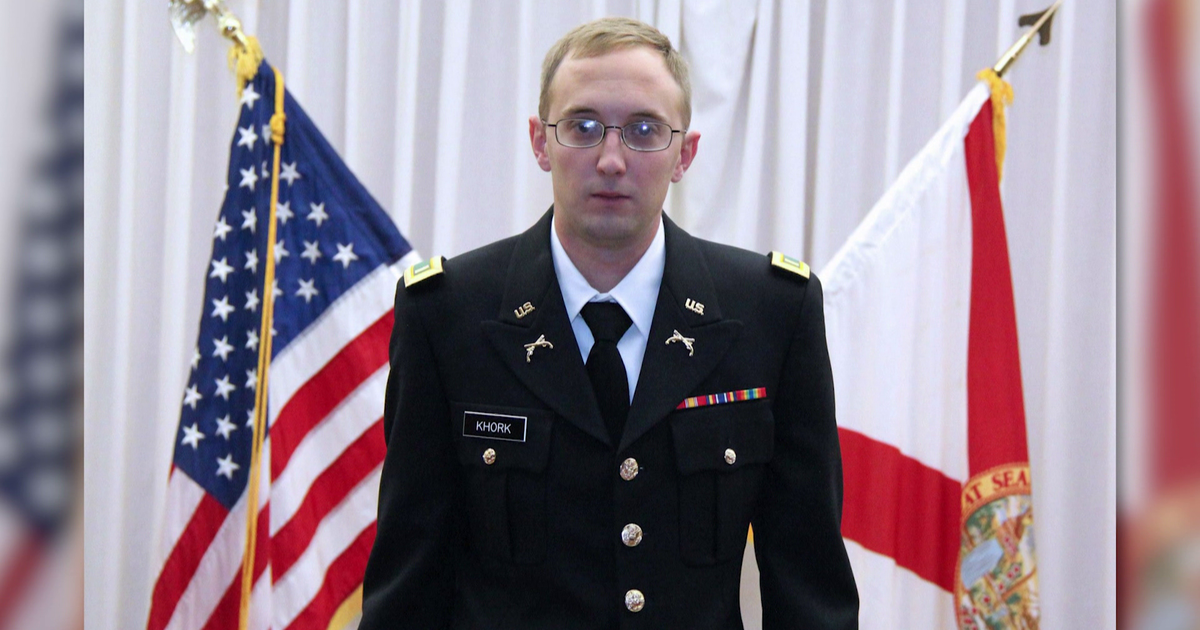
Chief Warrant Officer Rodney Bearman's body was riddled with shrapnel in the early hours of the war on March 1 when an Iranian drone slammed into his work station in Kuwait.
asserted
drone → riddle → Kuwait
Medical records reviewed by CBS News show he also suffered a concussion, hearing and vision loss, and damage to his lungs.
asserted
he → review → lungs
The Army has classified his condition as "not seriously injured.
asserted
Army → classify → condition
"
"That assessment is unacceptable," his wife, Amy Bearman, told CBS News in an interview.
asserted
wife → tell → interview
The Bearmans are also among several survivors and their families who told CBS News they weren't being treated by the military as combat casualties for reasons they could not understand — a claim an Army spokesman strongly denied.
uncertain
spokesman → tell → reasons
In several cases, injured service members said they had been cleared for duty.
asserted
they → say → duty
But that "duty" involves active orders to recuperate from injuries in specialized "soldier recovery units."
asserted
duty → involve → units
(A Pentagon spokesperson told CBS News that soldiers in recovery units are not counted as having returned to duty.)
asserted
soldiers → tell → duty
Sergeant First Class Cory Hicks, 37, also suffered severe shrapnel wounds from the blast and underwent multiple emergency surgeries at a Kuwaiti hospital.
asserted
Hicks → suffer → hospital
He said his wife was told by an Army official after the strike that his injuries were "minor."
asserted
injuries → say → strike
"They said your husband was injured, he has a minor jaw injury, and he's going to be returned to duty," said Hicks.
asserted
Hicks → say → duty
He told CBS News he "absolutely" believes the Army and the Pentagon have tried to downplay the incident.
asserted
Army → tell → incident
In a statement to CBS News, the Army strongly pushed back against that claim and said such military designations as "not seriously injured" and "combat casualty" had specific definitions that were being misconstrued by the families.
uncertain
that → push → families
"The care and well-being of our Soldiers is of the highest priority," an Army spokesperson wrote.
asserted
spokesperson → write → priority
"Any assertion that the Army seeks to downplay a soldier's injuries is simply not true."
asserted
Army → seek → injuries
Citing Army protocols, an Army spokesman explained that a soldier who is classified as "seriously injured" or "very seriously injured" is someone at risk of dying from their wounds within 72 hours.
asserted
who → cite → hours
A life-changing phone call
Amy Bearman said she knew to stay away from the TV when the U.S. launched Operation Epic Fury on Feb. 28.
asserted
U.S. → change → Feb.
Her husband had left for Kuwait in September 2025 — his fifth deployment since they were married nearly 25 years ago.
asserted
they → leave → September
His unit, the Iowa-based 103rd Sustainment Command, relocated from Camp Arifjan to a small tactical outpost at Port of Shuaiba weeks before war broke out.
asserted
war → base → Shuaiba
"A lot of friends were calling, texting and wanting to know what I knew," Bearman told CBS News.
asserted
Bearman → call → News
"From being a military spouse for the last almost 25 years, I knew that if anything ever happened to my husband while he was serving, I knew I would receive either an official phone call or an official visit.
asserted
I → know → call
On March 1, an Iranian drone slammed into the multi-trailer work station at Port of Shuaiba.
asserted
drone → slam → Shuaiba
The next day, Amy Bearman received an official call from Fort Knox.
asserted
Bearman → receive → Knox
"They told me that my husband's injuries were classified as NSI, and they described that, or they defined that, as 'not seriously injured,'" she recalled.
asserted
she → tell → that
"He was treated and released back to duty.
asserted
He → treat → duty
I think maybe that was the first time that I took a breath in 24 hours.
asserted
I → think → hours
But her husband's injuries turned out to be worse than she said the Army led her to believe.
asserted
Army → turn → her
On March 3, Amy Bearman received another phone call, this time from her husband, Rodney, who had just spent the night in a Kuwaiti hospital.
asserted
who → receive → hospital
"I could just hear him breathing and then he finally said, 'I'm going to be OK.'
uncertain
I → hear → ?
I waited a few moments and then asked if he returned to duty.
asserted
he → wait → duty
It seemed like forever before he answered me, and then he said, 'I can't go back.'"
The strike on Port of Shuaiba
U.S. soldiers.
asserted
I → seem → soldiers
In April, a CBS News investigation revealed there were multiple warnings ahead of the strike, related to force protection.
asserted
investigation → reveal → protection
from the drone attack despite intelligence showing Iran was targeting their position in Kuwait.
asserted
Iran → show → Kuwait
The findings sparked from Senate Democrats.
asserted
findings → spark → Democrats
CBS News then spoke with other survivors of the blast who detailed requests to leadership for more resources ahead of the strike.
asserted
who → speak → strike
Those requests focused on the number of medical personnel as well as the availability and accessibility of medical supplies.
asserted
requests → focus → supplies
"This was a failure," Major Stephen Ramsbottom said in
last month, adding he believed , one of the six soldiers killed, could have survived her wounds had there been a doctor, a fixed aid station or more than one ambulance at the post.
uncertain
one → say → post
The soldiers, according to witnesses, instead triaged themselves with makeshift bandages, braces and tourniquets.
uncertain
soldiers → accord → bandages
…and 9 more, not listed.
 The Aporia