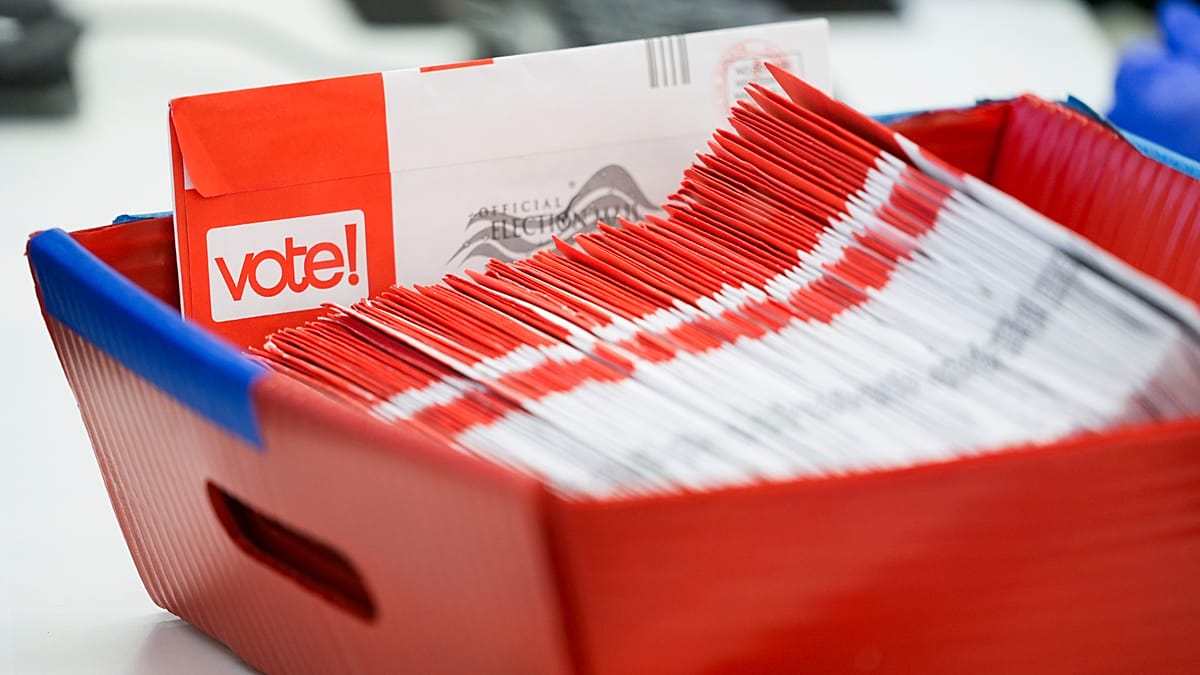
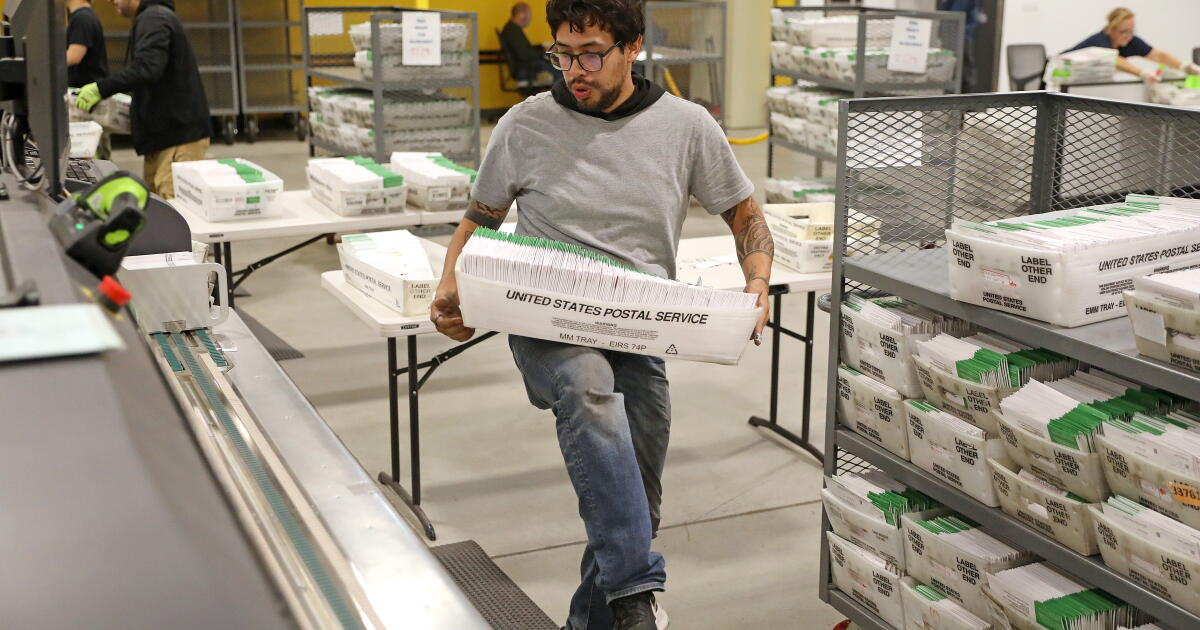
The Trump administration has appealed to the Supreme Court for the third time over a federal judge's block on mail-in ballot restrictions that were set to take effect before the midterm elections. The Department of Justice argues that the preliminary injunction, which was extended by Judge Indira Talwani on Friday, could cause "confusion and chaos" in the voting process. According to Solicitor General John Sauer, ballots have already begun to be mailed out in North Carolina, with several other states set to follow suit soon. The Trump administration is seeking a stay that would override Talwani's preliminary injunction pending its appeal to the U.S. Court of Appeals for the 1st Circuit.
Written by the local model on 2026-09-07,
using this article's own text rather than the other coverage of the
same event (that is the story summary below).
Story summary
Here's a summary of the news story:
USPS Whistleblower Warns of Potential Chaos in Mail Voting
A whistleblower at the US Postal Service (USPS) has come forward to warn that a new system for handling mail ballots, tied to President Trump's executive order on mail voting, is "untested and error-prone" and could lead to millions of Americans not receiving their mail-in ballot this fall. The whistleblower also alleges that the USPS is defying court orders by pushing forward with the new system despite concerns about its reliability.
The controversy centers around a March executive order by President Trump, which requires states to give the USPS a list of all voters eligible to receive a ballot in the mail and for the USPS to refuse to deliver mail-in ballots if the state does not comply. This has led to concerns from election officials that the new system could cause chaos for voters in the middle of the midterm elections.
A federal judge has already blocked the new rules, but the Trump administration is asking the Supreme Court to lift the block and allow the changes to take effect. Meanwhile, North Carolina has become the first state to start sending out mail-in ballots, despite the uncertainty surrounding the new federal rules.
Background
- President Trump issued an executive order in March calling for the Department of Homeland Security to develop lists of adult U.S. citizens in each state and for the USPS to refuse to deliver mail-in ballots when state election officials don't turn over these lists.
- The USPS has been implementing changes to its system for handling mail ballots, but a whistleblower warns that the new system is "untested and error-prone."
- Election officials have expressed concerns about the reliability of the new system and the potential for it to cause chaos for voters.
Impact
- Millions of Americans may not receive their mail-in ballot this fall due to the uncertainty surrounding the new federal rules.
- The controversy has led to concerns from election officials that the new system could cause chaos for voters in the middle of the midterm elections.
- The Supreme Court's decision on whether to allow the changes to take effect will have significant implications for the integrity of the electoral process.
Written for “Trump Mail Voting Controversy” on 2026-09-07,
grounded in this article and the 31 other(s) covering the same event.
Why this leaning score
The article's own words the score was based on. Each is quoted
verbatim and was checked against the article text before being
stored, so you can find it in the original.
-
The rule would require mail-in ballots to be stamped with official Election Mail markings and to be sent inside automation-compatible envelopes with unique Intelligent Mail barcodes.
right prescribes specific requirements for mail-in ballots
-
Election officials would submit voters’ names, addresses, and corresponding barcode information through a portal operated by the federal government.
right describes a centralized system for tracking mail-in ballots
-
The rule marks Trump’s latest effort to restrict mail-in voting and preserve election integrity.
right characterizes the policy as an attempt to restrict mail-in voting
Leaning score +0.85 for article 6049 (high confidence, 3 verified quotes) · logged 2026-09-07
The Trump administration appealed to the Supreme Court on Sunday for the third time over the U.S. Postal Service’s new mail-in ballot requirements that remain blocked by a federal judge.
asserted
that → appeal → judge
On Friday, U.S. District Judge Indira Talwani, an appointee of former President Barack Obama, extended the block beyond the initial 14 days she granted in a temporary restraining order on Aug. 27.
asserted
she → extend → Aug.
Talwani’s preliminary injunction replaced her prior order, preventing the mail-in ballot restrictions from taking effect before the midterm elections as the case continues.
asserted
case → replace → elections
Recommended Stories
In its latest filing, the Department of Justice argues the preliminary injunction should be paused because of the “confusion and chaos” that could result from the temporary ruling’s effect on USPS and states that manage the mail-in voting process.
uncertain
that → argue → process
“Ballots have already begun to be mailed in North Carolina, and more States will begin the mailing process as the injunction remains in place — including Alabama on September 9 and at least five States the week of September 13,” Solicitor General John Sauer wrote.
asserted
Sauer → begin → September
“Once those ballot envelopes enter the mailstream, there is no retrieving them,” Sauer said.
asserted
Sauer → enter → them
“And while the injunction allows the Postal Service and the States to continue taking steps to ensure that their envelopes satisfy the Rule’s requirements … each day the injunction is in place risks sowing confusion and chaos because the injunction makes those preparatory steps voluntary, rather than mandatory.”
asserted
steps → allow → confusion
The Supreme Court previously sided with the Trump administration, allowing the USPS ballot rule to proceed without ruling on its legality.
asserted
rule → side → legality
The USPS ballot rule issued last month stems from President Donald Trump’s March 31 executive order directing the federal agency to deliver mail ballots to U.S. citizens vetted by the administration.
asserted
rule → issue → administration
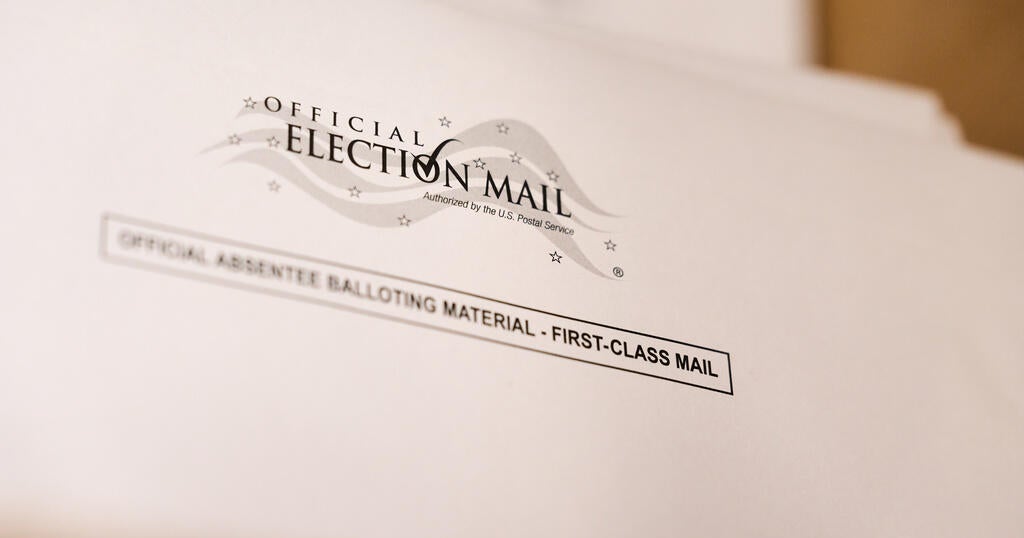
The rule would require mail-in ballots to be stamped with official Election Mail markings and to be sent inside automation-compatible envelopes with unique Intelligent Mail barcodes.
asserted
ballots → require → barcodes
Election officials would submit voters’ names, addresses, and corresponding barcode information through a portal operated by the federal government.
asserted
officials → submit → government
The policy is intended to help USPS track mail-in ballots more closely and to ensure ballots are sent only to eligible voters.
asserted
ballots → intend → voters
Sauer’s filing maintains the rule does not prevent states from administering their elections and that USPS “will not play any role in determining voter eligibility, maintaining voter rolls, or counting ballots.”
asserted
USPS → maintain → ballots
The rule marks Trump’s latest effort to restrict mail-in voting and preserve election integrity.
asserted
rule → mark → integrity
The administration is asking the Supreme Court to grant a stay that would override Talwani’s preliminary injunction pending its appeal to the U.S. Court of Appeals for the 1st Circuit.
asserted
that → ask → Circuit
“Simply put, the best way to address respondents’ fears about inability to comply with the Rule is to grant an immediate administrative stay of the order, followed by a full stay pending further review,” Sauer said.
asserted
Sauer → put → review
“That will remove the improper cloud of uncertainty that the district court has cast over the Rule, making clear to all involved that compliance with the Rule is not optional and must start without further delay.”
asserted
is → remove → delay