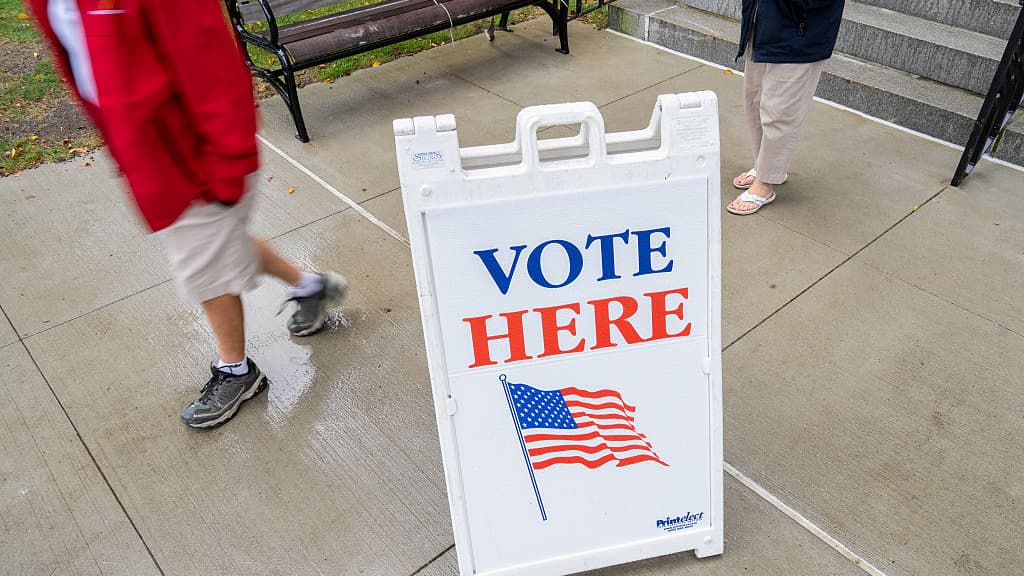
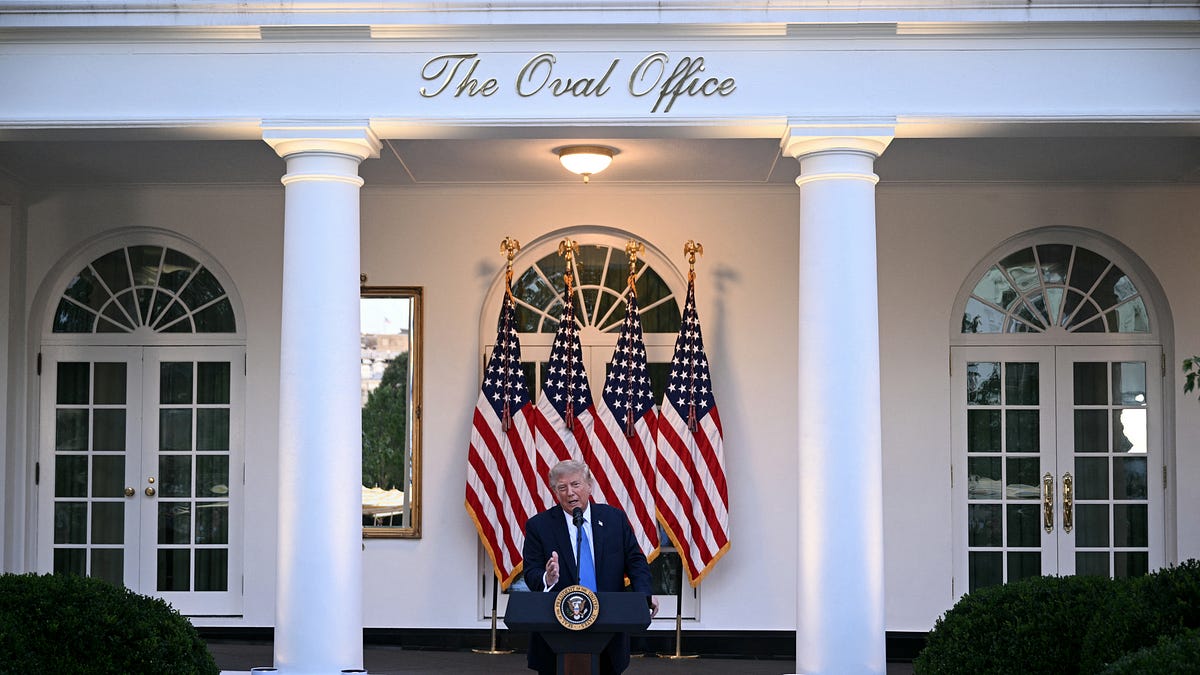
A cluster of advocacy groups that boast veteran lawyers, voting experts and ex-judges have expanded legal challenges to Donald Trump’s authoritarian executive orders on voting and other presidential actions they see as a “war” on the rule of law in the US.
asserted
they → boast → US
Heavy legal opposition to Trump’s two executive orders on elections to curb voting rights and supplant the authority of states on election matters has come from the Democracy Defenders Fund, the Campaign Legal Center, the American Civil Liberties Union and kindred groups.
asserted
opposition → curb → Fund
These legal outfits and like-minded allies have won key lawsuits on election issues, plus litigation thwarting Trump’s moves to end birthright citizenship and a $1.8bn slush fund that could have paid money to allies including January 6 rioters he deemed were unjustly charged.
uncertain
he → win → rioters
Since Trump returned to power, for instance, Democracy Defenders Fund and the Campaign Legal Center have jointly filed lawsuits against Trump’s 2025 and 2026 executive orders on voting, challenging their constitutionality to set new voting rules that by law are run by the states.
asserted
that → return → states
Key legal briefs they filed together include an August one on behalf of several voting rights groups and local officials in two states to block Trump’s March 2026 executive order that would restrict voting by mail and authorize the US Postal Service to implement rules to that end.
asserted
that → file → end
Other groups that have accelerated their legal challenges to Trump’s moves to thwart voting rights and expand his executive powers in other ways, include the Brennan Center for Justice, Democracy Forward, the Democratic Attorneys General Association and the Washington Litigation Group.
asserted
that → accelerate → Justice
Last month, for instance, 24 Democratic attorney generals and other plaintiffs filed suit to block USPS from moving forward with rules to curb mail voting and in late August won a temporary 14-day restraining order from federal judge Indira Talwani in Massachusetts.
asserted
generals → file → Massachusetts
In response, the DoJ’s solicitor general John Sauer on Thursday appealed to the supreme court to lift the injunction, arguing in heated words that the freeze would create “serious, irreparable harm on the federal government, the states themselves, and the voting public”.
asserted
freeze → appeal → government
On 4 September Talwani made her injunction permanent, writing that implementing Trump’s order so close to the election “threatens disenfranchisement of millions of United States citizens who seek to vote by mail.”
asserted
who → make → mail
She also stressed that “the record includes no evidence relating to fraudulent mail voting to support the rushed implementation.”
asserted
record → stress → implementation
Sauer on 6 September responded with another emergency appeal to the high court urging it permit the new USPS rules to go into effect, claiming that it “does not seize control of states’ administration of elections — it simply imposes reasonable preparation requirements for certain election-related mail.”
asserted
it → respond → mail
In a related twist, a detailed whistleblower complaint that Democratic senator Richard Blumenthal of Connecticut released last week alleged that the USPS has been proceeding with a “secretive, rushed” effort to implement Trump’s order that could lead to “catastrophic failure” with this year’s mail-in voting.
uncertain
that → release → voting
About 50 million Americans, the majority of whom are Democrats, vote by mail, according to reports.
uncertain
majority → vote → reports
With the elections about two months away, the legal groups are stepping up efforts to thwart “self-serving attempts to take over the midterms”, said a former DoJ lawyer, which experts fear may create chaos and disenfranchise millions of voters.
uncertain
experts → step → voters
Anna Baldwin, director of voting rights litigation at the Campaign Legal Center, told the Guardian: “The CLC and the DDF have worked closely together on two ongoing lawsuits challenging the president’s unlawful voting executive orders that attempt to dictate election rules.
asserted
that → tell → rules
We’ve teamed up in the supreme court on a brief filed by former state and federal judges, including noted conservative judges, that emphasized just how unlawful and dangerous the president’s efforts to dictate election rules are.”
asserted
efforts → team → rules
Baldwin, who spent 14 years in the justice department’s civil rights division, said the CLC and the DDF have also “worked together in federal cases filed in Oregon and California to make sure that the DoJ isn’t able to seize voters’ sensitive data by making false claims about non-citizen voting.
uncertain
DoJ → spend → voting
In cases around the country, the Campaign Legal Center is pushing back on the DoJ’s lawless efforts to vacuum up and aggregate sensitive data to create a national voter file of some sort.”
asserted
Center → push → sort
Further, former ambassador Norm Eisen, the executive chair of the Democracy Defenders Fund, which he co-founded in 2023, told the Guardian that since its inception the DDF has been involved in more than 300 legal cases and matters in three primary areas: elections, the rule of law and anti-corruption.
asserted
DDF → co → law
Eisen said the group, whose board boasts former federal judge and conservative stalwart J Michael Luttig and liberal-leaning ex-federal judge Nancy Gertner, likes to work in conjunction on cases with other ideologically diverse and nonpartisan groups like the CLC and the WLG because “they both have strong bipartisan credibility.
asserted
they → say → credibility
It’s a big-tent approach we’ve taken with our election work.”
asserted
we → ’ → work
Eisen said Luttig and Gertner were instrumental in helping recruit dozens of former judges with bipartisan credentials to file amicus briefs on multiple matters including an August one to the supreme court opposing Trump’s 2026 executive order to curb mail voting.
asserted
Luttig → say → voting
For its part, the WLG this summer hired about half a dozen new lawyers to handle election-related litigation.
asserted
WLG → hire → litigation
“As the midterms approach with growing concerns about potential federal interference in elections, we’ve brought on more attorneys to be even more prepared to litigate sensitive matters under acute time pressure,” said James Pearce, a principal with the WLG.
asserted
Pearce → grow → WLG
Elsewhere, Sophia Lin Lakin, who leads the ACLU Voting Rights Project, said the group had been “pushing back” on administration efforts to seize personal voting data from states, and said the ACLU has been involved in 26 of 30 legal challenges to the administration on the issue.
asserted
ACLU → lead → issue
To date, the administration has lost 23 cases where rulings have been made.
asserted
rulings → lose → cases
Critics say Trump, the DoJ, the USPS and the Department of Homeland Security seem to be laying the groundwork for further attacks on the nation’s election rules, citing Trump’s false claims about election fraud and his radical plans to change voting rules.
uncertain
Trump → say → rules
In July in a televised speech, Trump falsely portrayed the nation’s voting system as riddled with fraud and condemned voting by mail and non-citizen voting.
asserted
Trump → televise → mail
“Mail-in ballots are inherently corrupt,” Trump claimed without evidence, even though he voted twice by mail this year.
asserted
he → mail → mail
Trump, who continues to blame voting fraud for his 2020 loss to Joe Biden, also charged that non-citizen voting, which is illegal and historically minuscule, poses a “crisis of election security”.
asserted
which → continue → security
Trump’s fixation on noncitizen voting is belied by a database from the rightwing Heritage Foundation that only cites 100 cases over a quarter-century.
asserted
that → belie → century
But according to documents reviewed by the New York Times, hundreds of DHS agents have been engaged in a hunt to find noncitizens among registered voters.
uncertain
hundreds → accord → voters
The chief of the DHS has said ICE agents could be sent to polling places “if there is a threat to that polling place or we’re serving a warrant”.
uncertain
we → say → warrant
The DoJ has helped to amplify Trump’s bogus election claims with legal threats and actions.
uncertain
DoJ → help → threats
In July, Harmeet Dhillon, who runs the department’s civil rights division, wrote to officials in 50 states warning that “any election officer, including the chief election officer of the state, who knowingly retains noncitizens on the state’s [voter list] or facilitates noncitizens in receiving and casting ballots could be subject to criminal liability”.
uncertain
who → run → liability
In August, the DoJ announced plans to send a larger-than-usual contingent of 1,000 lawyers to monitor voting nationwide, raising concerns that such large efforts could lead to voter intimidation.
And in a harbinger of coming legal fights, Trump announced on his Truth Social platform last month that the DoJ’s Ed Martin, a key election denialist in charge of pardons, was leaving to handle election-related litigation.
uncertain
Martin → announce → litigation
Former DoJ lawyers say administration threats to voting rights make opposition from legal advocates crucial.
asserted
opposition → say → advocates
Stacey Young, a lawyer who left the department at the start of 2025 after 18 years to found Justice Connection, a group of more than 3,000 ex-DoJ lawyers and other alumni, denounced Trump’s moves “to interfere” with elections.
asserted
who → leave → elections
“The constitution makes clear that the president has no authority over the administration of our elections, but that hasn’t stopped this president, or those he put in power at the justice department, from trying to interfere,” Young said in a statement.
asserted
Young → make → statement
“We’re taking these threats seriously and leveraging our collective strengths to protect election integrity, which is key to maintaining a functioning democracy.”
asserted
which → take → democracy
…and 20 more, not listed.
 The Aporia