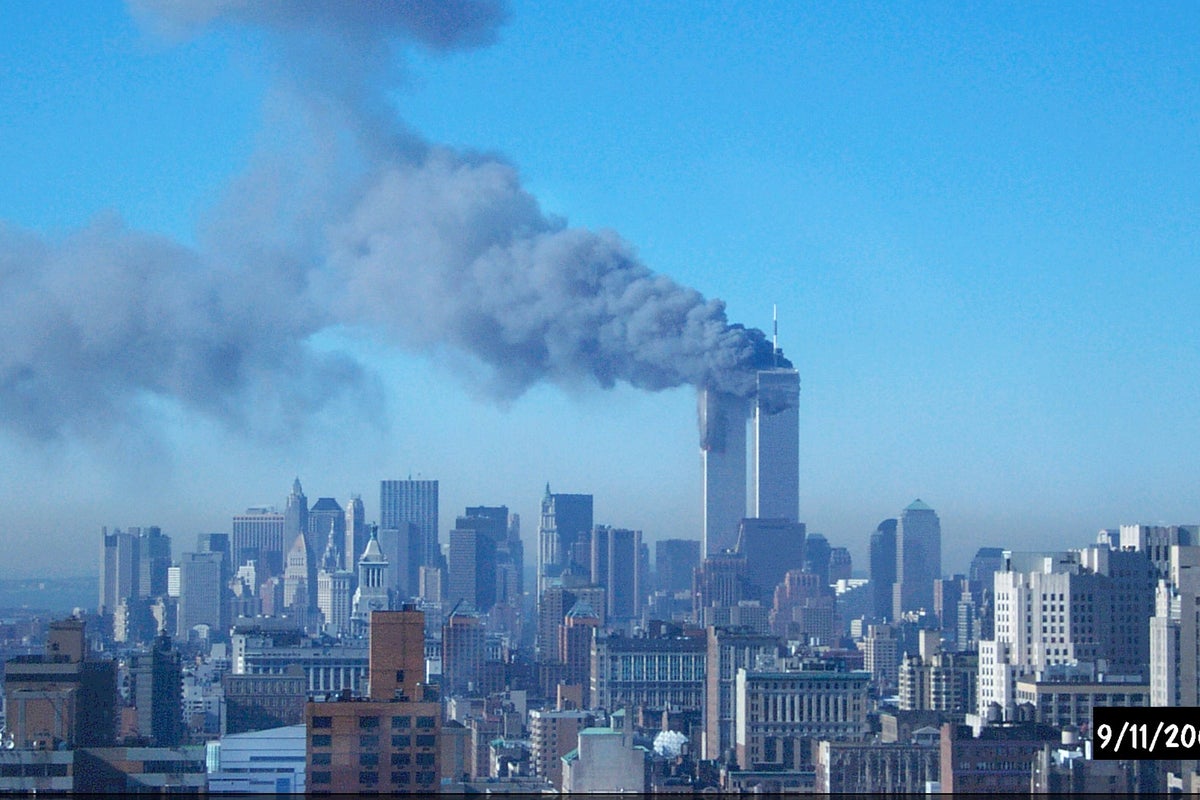
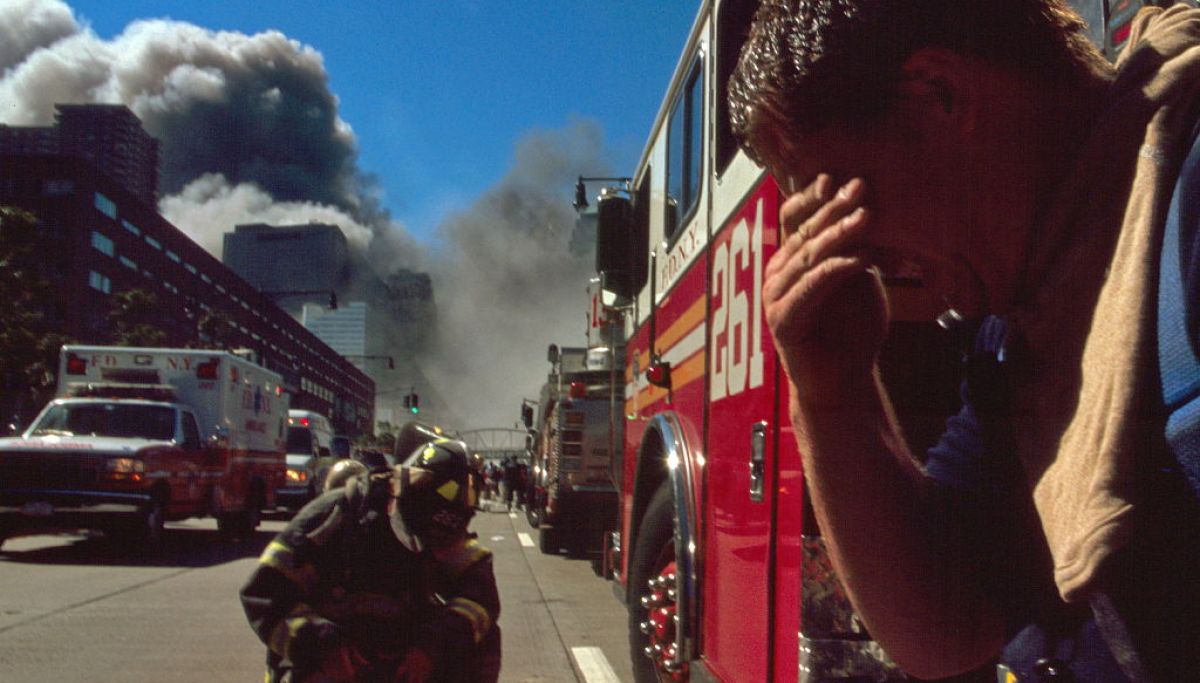
Twenty-five years after the Sept. 11, 2001, attacks that killed nearly 3,000 people, the alleged plotters still have not faced a trial.
asserted
plotters → kill → trial
After rejecting prosecutors' request to begin the trial in January 2027, a military judge at Guantánamo Bay has ordered jury selection for the trial of four alleged 9/11 plotters — including Khalid Sheikh Mohammed, accused principal architect of the attacks —
."There's significant frustration," Gordon Felt, president of Families of
, told CBS News.
asserted
Felt → reject → News
Felt is the brother of Flight 93 passenger Edward Felt and leads efforts to share his story and that of all 40 passengers and crew members who fought back against hijackers.
asserted
who → lead → hijackers
"We've yet to see justice or accountability.
asserted
We → see → justice
The trials are still in a pre-trial phase at Guantanamo … that's been dragging on endlessly.
asserted
that → drag → Guantanamo
"The latest date presents a painful question for the families of the victims: After so many missed deadlines and prolonged pre-trial proceedings, will this case move forward as planned?
asserted
case → present → deadlines
The four on trial
Four defendants are currently slated to stand trial together: Khalid Sheikh Mohammed, Walid bin Attash, Ammar al-Baluchi, also known as Ali Abdul Aziz Ali, and Mustafa al-Hawsawi.
asserted
defendants → slat → Ali
The men are facing the death penalty, with prosecutors seeking charges that include conspiracy, murder in violation of the law of war, terrorism and hijacking.
asserted
that → face → war
After a military judge determined he was mentally unfit to stand trial, a fifth defendant, Ramzi bin al-Shibh, is no longer part of the case.
asserted
defendant → determine → case
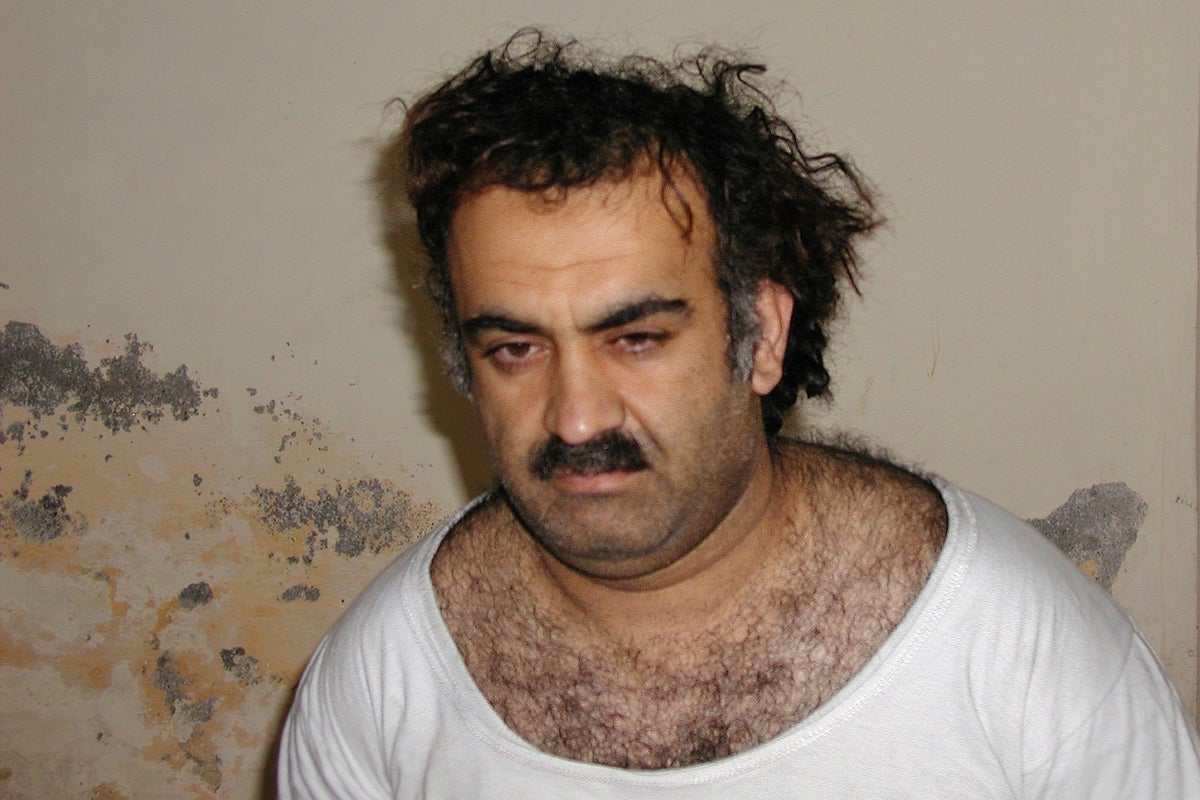
Prosecutors allege Mohammed, commonly referred to as KSM, developed and directed the plot to hijack commercial aircraft, weaponizing them and directing them toward the World Trade Center and Pentagon.
asserted
Mohammed → allege → Center
Mohammed was captured in Pakistan in 2003 and held in secret CIA custody for years before being transferred to Guantánamo in 2006.
asserted
Mohammed → capture → 2006
While KSM's own statements represent key pieces of the U.S. government's case against him, they have also been one of the biggest obstacles in bringing the case to trial.
asserted
they → represent → trial
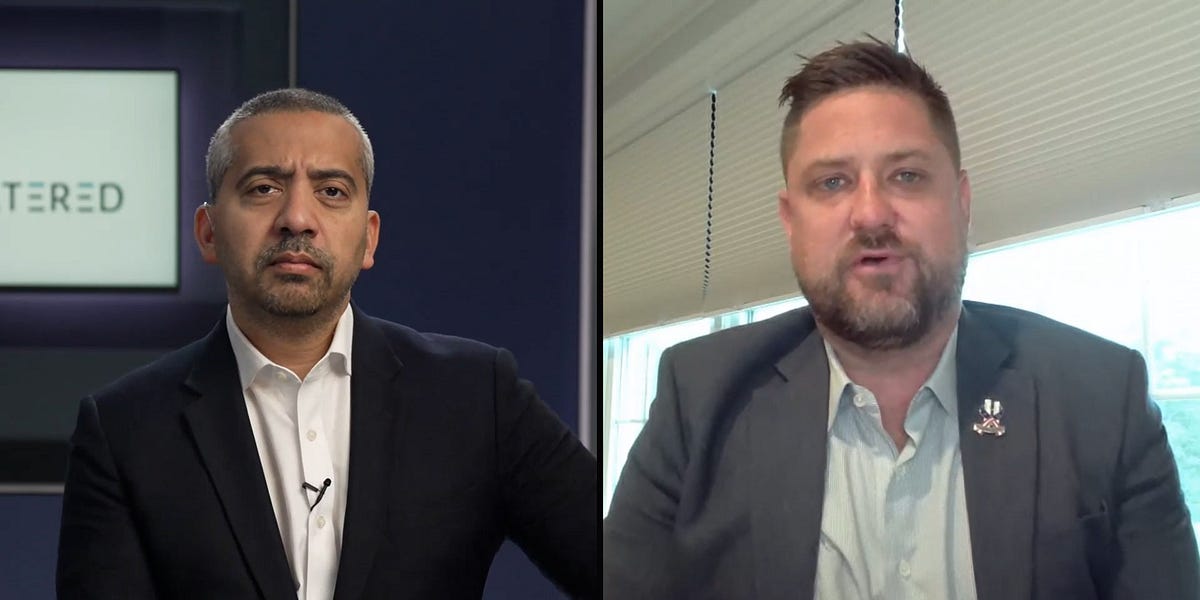
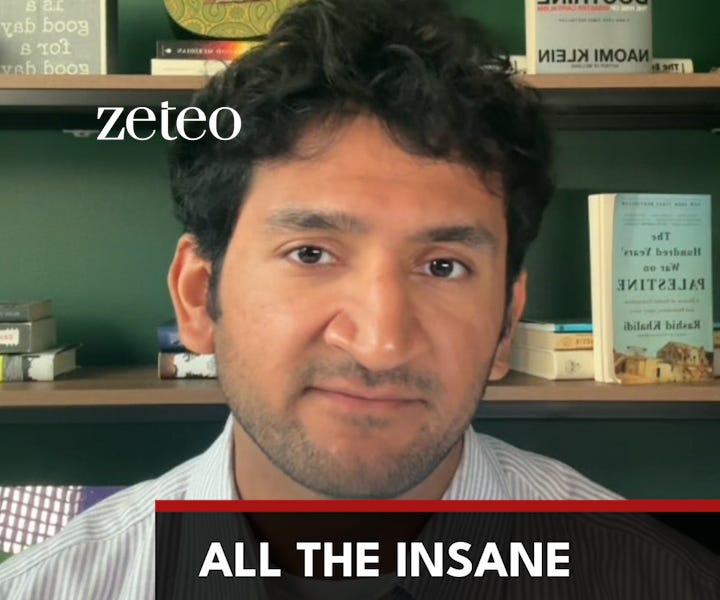
Michael Lebowitz offers a rare perspective.
asserted
Lebowitz → offer → perspective
The former Justice Department national security attorney and combat veteran spent roughly a decade working on the 9/11 case as a Guantánamo prosecutor, also contributing to cases involving the
and senior al Qaeda figures.
asserted
attorney → spend → figures
The former senior legal adviser to the U.S. Army Cyber Command gave this blunt assessment: The 9/11 case became extraordinarily complicated after the United States chose an extraordinary way to prosecute it.
asserted
States → give → it
Rather than treating the alleged al Qaeda operatives as traditional criminal defendants in the federal court system, the Bush administration developed military commissions to prosecute terrorism suspects for alleged war crimes.
asserted
administration → treat → crimes
"The government completely switched from the law enforcement toolkit into the military option," Lebowitz explained, adding that Congress and the Supreme Court "tinkered with the system" to create a hybrid one that saw "judges cycling in and out, plus personnel are cycling in and out."
The current judge for the 9/11 case, Air Force Lt. Col. Michael Schrama, is the fifth judge to oversee the case since the defendants were arraigned in 2012.
asserted
defendants → switch → 2012
Lebowitz recalls the 9/11 arraignment lasted 13 hours and said it was the "longest arraignment in American history."
asserted
it → recall → history
Why the plan to try KSM in Manhattan was abandoned
In 2009, Attorney General Eric Holder announced that Mohammed and four co-defendants would be prosecuted in federal court in Manhattan, with the Obama administration arguing that federal courts were equipped to handle major terrorism cases and could provide a fair trial.
uncertain
courts → try → trial
That plan collapsed after another Guantánamo detainee, Ahmed Khalfan Ghailani, was prosecuted for his role in the 1998 U.S. embassy bombings in East Africa.
asserted
detainee → collapse → Africa
His acquittals on most charges evolved into a political flashpoint in the ongoing debate over whether terrorism defendants should be tried in federal court.
asserted
defendants → evolve → court
He was sentenced to life in prison after being convicted of conspiracy on one charge, but not on over 280 conspiracy and murder charges.
asserted
He → sentence → charges
Congress subsequently restricted the government's ability to transfer Guantánamo detainees to the United States for trial, and the 9/11 terrorism case
to the military-commission system at Guantánamo.
asserted
Congress → restrict → Guantánamo
Guantánamo: A "traveling circus"
While a federal courthouse in Manhattan operates every day, Guantánamo keeps a much different schedule.
asserted
Guantánamo → travel → schedule
Lebowitz says military-commission litigation was commonly referred to by all parties as a "traveling circus."
asserted
litigation → say → circus
"In order to conduct a hearing at Guantánamo Bay, the entire court system has to go to Andrews Air Force Base in Washington, D.C., and load up onto a chartered flight," Lebowitz said.
asserted
Lebowitz → conduct → flight
"And I'm talking about judges, prosecutors, defense lawyers, witnesses, court staff, victim family members — we all go on the same flight and we fly to Guantánamo Bay to conduct a hearing.
asserted
we → talk → hearing
That means a hearing is not simply a matter of walking into a courthouse and putting a case on the docket.
asserted
hearing → mean → docket
As personnel rotate in and out of Guantánamo, logistical hurdles mount.
asserted
hurdles → rotate → Guantánamo
"Every six months to a year, we had to litigate again very mundane, basic things such as how detainees can get bail and when they meet their lawyers," he added.
asserted
he → have → lawyers
Before KSM ever set foot in Guantánamo, the alleged war criminal spent years in secret CIA detention, subjected to an interrogation program that included waterboarding and coercive treatment that later became central to the legal battle over whether statements he made later before U.S. investigators could be used against him.
uncertain
he → set → him
Prosecutors have routinely advocated to use evidence gathered following the CIA's program, but the defense argues that those later statements cannot simply be separated from years of coercive detention.
asserted
statements → advocate → detention
The debate has generated years of hearings over classified information, discovery and the circumstances surrounding all of the defendants' detention conditions and ongoing interrogation as judges navigate the line between the defendants' rights and the government's obligation to protect classified national security information.
asserted
judges → generate → information
A
that would have spared Mohammed and two co-defendants the possibility of execution was ultimately , sending the case back toward trial.
asserted
that → spar → trial
The defense argued that the statements were still tainted by the coercion KSM had experienced in CIA custody.
asserted
KSM → argue → custody
In August, a military judge ruled that the government had not established that statements KSM made to the FBI in 2007 — after his CIA detention — were voluntary and ruled to exclude them.
asserted
KSM → rule → them
"I've gone through every shred of evidence in the 9/11 case, both classified and unclassified, and I feel very confident that there is enough evidence to convict KSM and the other 9/11 conspirators without those confessions," Lebowitz said.
asserted
Lebowitz → go → confessions
Still, the former prosecutor conceded, "It makes the job a little harder to connect the dots of the evidence without the confessions."
asserted
job → concede → confessions
The prosecution will instead have to rely on other evidence, including documentary and communications evidence that link the defendants to the plot.
asserted
that → have → plot
While prosecutors could have fought the ruling and tried to get KSM's FBI statements back into evidence, they decided not to appeal, in part because another appellate battle could jeopardize the June 2028 trial date.
uncertain
battle → fight → date
…and 16 more, not listed.
 The Aporia