For political observers, the Toronto mayoral election has been going on for months.
asserted
election → go → months
But for the general public, the race gets underway this week.
asserted
race → get → public
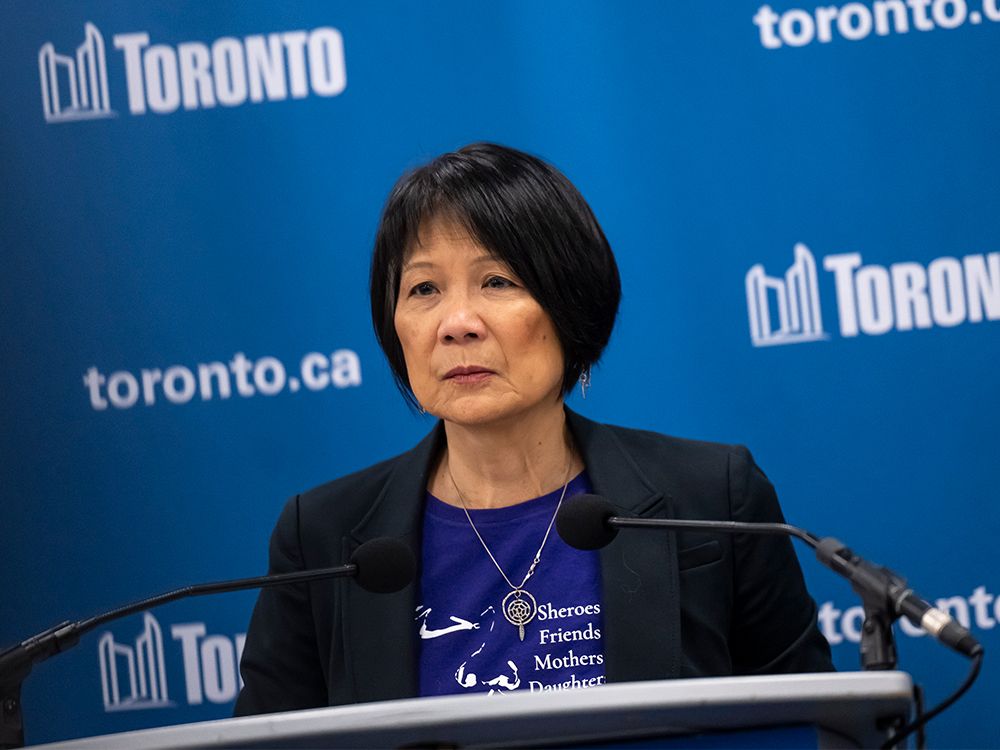
Voters will cast their ballots in a little over six weeks, deciding whether to give incumbent Mayor Olivia Chow another term or opt for one of the main challengers: Councillor Brad Bradford or former federal minister Chris Alexander, a last-minute addition to the race.
asserted
Voters → cast → race
Before they can make that decision, however, they will need to consider both Chow’s record and what she is promising for a second term as mayor.
asserted
she → make → mayor
One reason the race is only firing up now is that the period from May (when registrations opened) to October is a long campaign.
uncertain
registrations → fire → October
People tune out during the summer.
asserted
People → tune → summer
It’s natural to consider the stretch after Labour Day the real campaign, with the earlier months serving as a warm-up act.
asserted
months → ’ → act
The other reason, though, is that the incumbent has declined to campaign until now.
asserted
incumbent → decline → ?
While Chow registered for re-election at the end of May to make her intentions known, she’s so far done little to no campaigning.
uncertain
she → register → campaigning
This contrasts with Bradford, who has been vigorously campaigning since registering in May.
uncertain
who → contrast → May
Opinion polls have consistently shown Chow in the lead with Bradford in a close second.
asserted
polls → show → second
But what will they show now that she’s ramping things up?
asserted
she → show → things
Once she starts campaigning, everything changes.
asserted
everything → start → ?
Chow’s lead could significantly widen.
uncertain
lead → widen → ?
Or, if she fails to meet the moment and doesn’t read the electorate’s pulse, she could fall behind.
uncertain
she → fail → pulse
The other month, I watched Chow deliver a speech to Scarborough Business Association members that was clearly designed to test out campaign themes.
asserted
that → watch → themes
The mayor focused on reducing 911 response times and keeping taxes low.
asserted
mayor → focus → taxes
These aren’t themes you’d expect from a longstanding NDP politician, especially one who has spent the past three years raising property taxes significantly higher than inflation.
asserted
who → expect → inflation
Chow has since confirmed that lower tax increases will be her goal for a second term, arguing that the first round of larger increases was necessary to fix the budget and that lower rates can now be enjoyed.
asserted
rates → confirm → budget
This is the municipal version of how provincial and federal leaders always manage to drum up a balanced budget right when re-election time comes around.
asserted
time → manage → budget
Let’s see if the voters buy it.
asserted
voters → see → it
She was first elected to public office over 40 years ago as a school board trustee.
asserted
She → elect → trustee
Long before her late husband Jack Layton was federal NDP leader, he ran for mayor of Toronto in 1991, and Chow won a council seat that year.
asserted
Chow → run → seat
Chow’s mayoralty didn’t come out of nowhere.
asserted
mayoralty → come → ?
It’s been decades in the making and the prize is not something she and her team will give up easily.
asserted
she → give → making
Her campaign slogan, unveiled Wednesday, is a “caring, affordable, and safe city.”
asserted
slogan → unveil → ?
It could just be to pivot to the centre, say little and lean into the incumbent advantage.
uncertain
It → pivot → advantage
After all, Bradford’s aggressive campaign to unseat Chow goes against what has become a local political truism in Toronto — that an incumbent mayor can’t be beat.
asserted
mayor → unseat → Toronto
Chow was elected just over three years ago in a by-election triggered by John Tory’s sudden resignation.
asserted
Chow → elect → resignation
That campaign lasted three months and about 10 major candidates sought the leadership of the country’s largest city.
asserted
candidates → last → city
One reason so many candidates put forward serious campaigns was that, without an incumbent, the race was anyone’s to win.
asserted
race → put → incumbent
Recent Toronto political history shows that, since megacity amalgamation in the 1990s, few serious candidates have stepped forward to challenge an incumbent mayor.
asserted
candidates → show → mayor
When Tory ran for re-election in 2018, the only serious challenger came in second with 24 per cent of the vote.
asserted
challenger → run → vote
Then when he ran for his third term in 2022, he was virtually unopposed.
asserted
he → run → 2022
This pattern wasn’t unique to Tory; similar scenarios played out during the re-elections of the right-leaning Mel Lastman and the left-leaning David Miller.
asserted
scenarios → play → Lastman
From now until the election, I look forward to offering regular dispatches examining the campaign’s issues, personalities and themes.
asserted
I → look → issues
My first regular gig with the National Post was covering the iconic 2010 election won by Rob Ford and then I experienced the 2023 mayoral election as one of the leading candidates, so this is familiar terrain.
asserted
this → cover → candidates
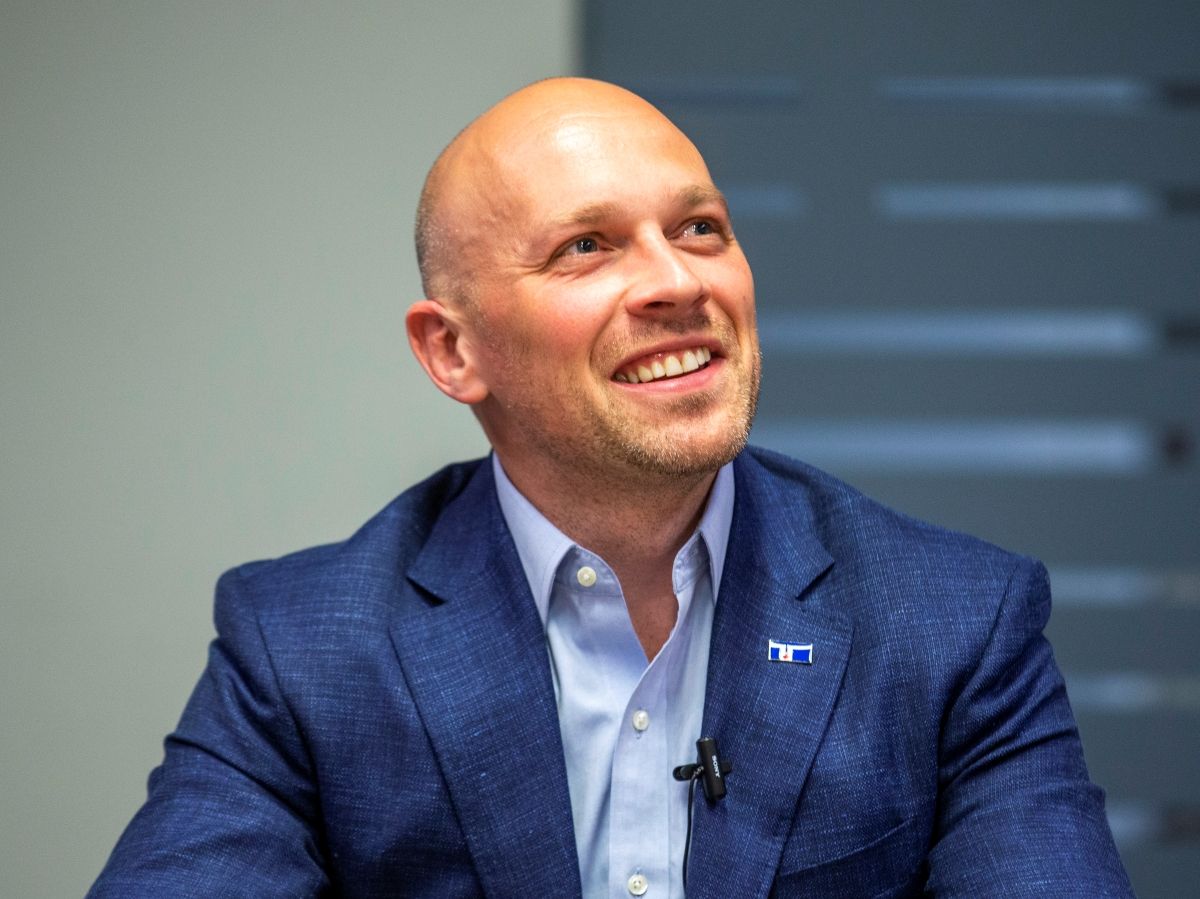
Anthony Furey is a former journalist and past Toronto mayoral candidate who now works in corporate consulting.
asserted
who → work → consulting
 The Aporia