For governments, it is said that what ultimately brings you down isn’t the scandal, it’s the cover-up.
asserted
it → say → you
Voters and the public can forgive a mistake, but the real killer is secrecy or the perception that the government is purposefully keeping information hidden when it is finally and inevitably revealed.
asserted
it → forgive → information
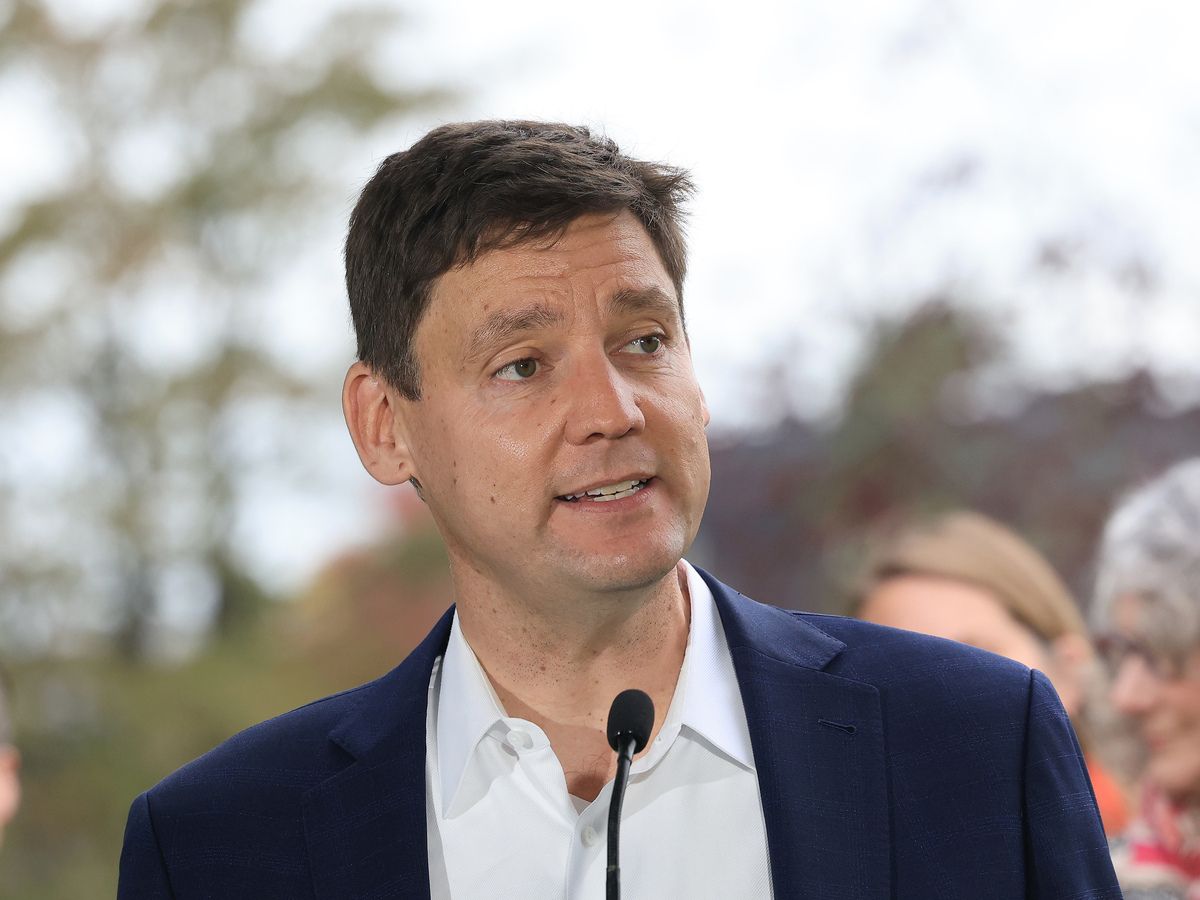
It is in this light that we must see Thursday’s revelation that B.C. Premier David Eby’s government is once again planning secret Crown land giveaways to First Nations with no public input or consultation.
asserted
government → see → input
Documents obtained by the Northern Beat and veteran political reporter Rob Shaw expose a plan to hand over 400 parcels of public land to First Nations.
asserted
Documents → obtain → Nations
They also show that two weeks prior to the calling of B.C.’s snap election, the government committed to changing the province’s Forest Act to limit how much forestry companies could be compensated for tenure loss.
uncertain
companies → show → loss
The public was completely in the dark about this, and anyone who saw the documents had to sign non-disclosure agreements to keep the information quiet during the election.
asserted
who → see → election
It is another outrageous abuse of power in dealing with public land by Eby’s government.
asserted
It → deal → government
Whether you ultimately believe that this is sound policy or not is really beside the point; the salient matter is that in its First Nations land dealings, the only consistent pattern to emerge from Eby’s NDP government is one of deceit, cover-up and obfuscation.
asserted
pattern → believe → deceit
The pattern on land deals is now well established.
asserted
pattern → establish → deals
In 2024, Eby’s government was caught red-handed trying to secretly amend B.C.’s Land Act, which is the main piece of legislation governing the administration, use and disposition of Crown land in British Columbia.
asserted
which → catch → Columbia
The secret proposed changes would have allowed the government to grant shared decision-making authority over B.C. public lands to the province’s First Nations.
asserted
government → propose → Nations
That is a profoundly undemocratic move and, when found out, Eby ultimately scrapped the Land Act amendments due to public pressure.
asserted
Eby → find → pressure
He did not give up, however and then proceeded by much more surreptitious means.
asserted
He → give → means
In early 2025, a few months after B.C.’s 2024 general election, it came to light that prior to the election, the Eby government had agreed to a land transfer with the Shíshálh Nation.
asserted
government → come → Nation
The deal, which transferred $104 million and six square kilometres of public land to the nation, was so secret that even the local NDP candidate Randene Neill was unaware of it.
asserted
candidate → transfer → it
Neill would go on to become B.C.’s minister for water, land and resource stewardship, a role in which dealing with First Nations is of paramount importance.
asserted
dealing → go → importance
Later in 2025, the Eby government reached a deal with the Haida which recognized Aboriginal title to the entirety of the Haida Gwaii archipelago.
asserted
which → reach → archipelago
The only way the public found out about that deal was because the Haida announced it on their website.
asserted
Haida → find → website
David Eby and his government never informed the public until forced to admit the deal was done and later blamed an internal communications error.
asserted
deal → inform → error
The truth is that when it comes to any dealings with B.C. First Nations, the NDP government has proven over and over that it simply cannot be taken at its word.
asserted
it → come → word
Given that it’s committed to the Declaration on the Rights of Indigenous Peoples Act (DRIPA), which aims to align provincial law with the United Nations Declaration on the Rights of Indigenous Peoples (UNDRIP), B.C. residents should be seriously concerned about what else the government is doing with public land.
asserted
government → give → land
This land belongs to all British Columbians, but Eby clearly doesn’t see it that way.
asserted
it → belong → Columbians
Article 26, for example, states that, “Indigenous peoples have the right to own, use, develop and control the lands, territories and resources that they possess by reason of traditional ownership or other traditional occupation or use, as well as those which they have otherwise acquired.
asserted
they → state → which
That is to say, if an Indigenous group claims a territory, they own it and all its resources.
uncertain
they → say → it
This is the driving mentality behind the most recent land giveaways, which strip B.C. forestry companies of their rights and limit government compensation for the rug pull.
asserted
which → drive → pull
Perhaps the saddest part of all this is that while the blame for the never-ending secrecy and obfuscation lies squarely with Eby and his government, some of the public anger will inevitably be directed at First Nations.
asserted
some → end → Nations
The lack of transparency serves neither the public nor the First Nations whom Eby would tell you he’s acting in partnership with.
asserted
he → serve → partnership
Last night at the B.C. election debate, Eby attacked Conservative leader Lorne Doerkson for his plan to repeal DRIPA if elected.
asserted
Eby → attack → DRIPA
The latest secret deal that has come to light makes it clear that if anything, Doerkson didn’t push the issue hard enough.
asserted
Doerkson → come → issue
British Columbians must wonder what else in their province is being signed away without their input or knowledge.
asserted
what → wonder → input
 The Aporia