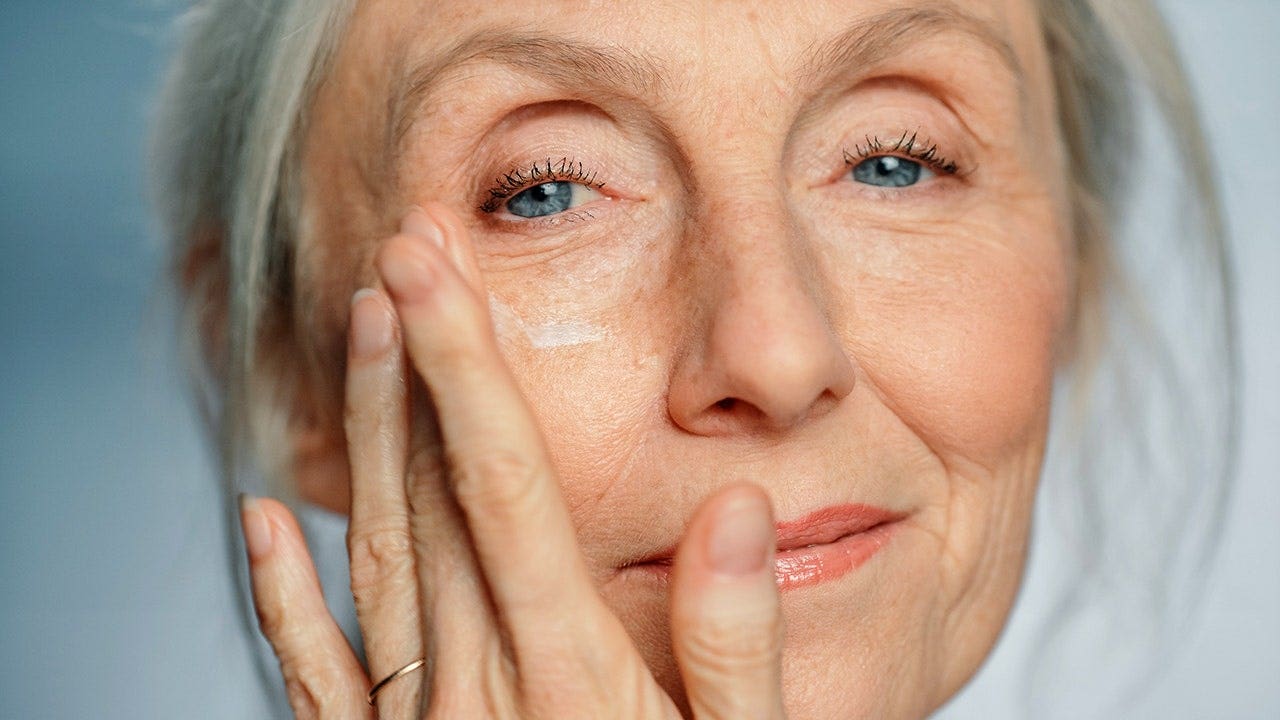
Dementia risk may be linked to seemingly harmless daily habit, new research suggests

Read the original at Fox News ↗
Cite

Quill, K. (2026, October 22). Dementia risk may be linked to seemingly harmless daily habit, new research suggests. Fox News. https://www.foxnews.com/health/dementia-risk-linked-seemingly-harmless-daily-habit-new-research-suggests

Dated from the outlet's own feed. Check the original for its byline.

Fox News · collected 2026-10-22 · by Khloe Quill

Quick Summary

Researchers from Johns Hopkins Bloomberg School of Public Health found that older adults who frequently nap during the day have a higher risk of developing dementia. Tracking nearly 1,000 participants aged 65 and over for ten years, they discovered that those who napped most days or every day had a 48% increased risk compared to those who rarely napped. Intentional naps were linked to a 39% higher risk, while napping for less than half an hour was associated with a 40% greater chance of developing dementia. The study suggests that daytime napping habits provide insights into long-term brain health beyond just nighttime sleep patterns.
Written locally by qwen2.5:14b on 2026-10-22, using this article's own text rather than the other coverage of the same event (that is the story summary below).

AI analysis runs on qwen2.5:14b, locally

Story summary

A new study published in The Journal of Gerontology: Medical Sciences suggests that frequent daytime napping among older adults may be linked to a higher risk of developing dementia. Researchers from the Johns Hopkins Bloomberg School of Public Health tracked nearly 1,000 adults aged 65 and older who showed no signs of memory or thinking problems when the study began in 2013. After tracking these individuals for a decade, they found that those who napped most days or every day had a 48% higher risk of developing dementia compared to those who rarely or never napped. Additionally, unintentional daytime naps and shorter naps (under 30 minutes) were associated with an increased risk of up to 40%, even after accounting for other health factors. The study highlights the importance of considering various aspects of napping habits beyond just frequency and duration in assessing long-term brain health.

Written for “Dementia Risk And Daily Habits” on 2026-10-22, grounded in this article and the 0 other(s) covering the same event.

Story

📰 Dementia Risk And Daily Habits
Health · 1 article(s) covering the same event.

Compared with similar articles

Nothing to compare against. No article is close enough to this one for the pipeline to have linked or judged the pair.
How this article was measured signals, leaning charts, publisher record, byline, topics and claims

Signals How these are calculated →

Claims extracted
20
sentences that state something as happening or true
Uncertain
25%
5 of 20 hedged ("reportedly", "may", "according to")
Leaning
not political
takes no side on a contested political question
Publisher signals
67/100
Fox News's corrections and hedging, across everything collected from it. Not a measure of accuracy.
Outlets on this story
1
Health
Same framing elsewhere
1
articles that frame the event the way this one does
Analyzed 2026-10-22 · how these are computed

How this is being covered How these are calculated →

Article leaning vs. publisher reliability
Source leaning vs. consistency

Publisher

Fox News · 5110 article(s) · 9 correction(s) detected
Running correction rate · 9 correction(s)

Who wrote this

Khloe Quill
19 article(s) here · 1 carrying a prediction
🔮 "Daytime napping may compensate for poor nighttime sleep, but it may also reduce the drive to sleep at night, potentially contributing to nighttime sleep disturbances, another important potential risk factor for dementia."
🔮 However, taking prescription ADHD medication may offer a protective benefit, lowering overall risk of death, the review found.
🔮 He believes the early results will translate into "clinical improvements with longer-term treatment." The latest skin-aging findings have been presented at a scientific conference, but have not yet been published as a full peer-reviewed study.
🔮 As Americans live longer, experts say everyday habits may be taking a toll on eye health earlier than expected.
🔮 Adults over 40 may not need to spend hours in the gym to maintain muscle, preserve mobility and stay strong.
🔮 Daily creatine supplementation could help middle-aged and older adults preserve lean muscle mass, gain strength and support cognitive function, whether it's paired with exercise or not, according to a study published in the Journal of the International Society of Sports Nutrition.
🔮 Absorption is slower, which may delay or prevent the drug from reaching the brain at a concentration sufficient to cause unconsciousness and death.
🔮 Everyday memory lapses, like misplaced keys or forgotten names, are often overinterpreted as early signs of dementia, but neuroscience experts say actual early cognitive changes may be reversible if addressed promptly.
🔮 The most effective strategy for prolonging life might be at the end of a leash.
🔮 Was I at the point where I couldn’t multitask anymore?
Also by Khloe Quill
Nothing else under this byline is closely related to this article, so these are simply their most recent.
All 19 articles by Khloe Quill →

Topics

Fox News Digital The Journal of Gerontology: Medical Sciences the Bloomberg School the Johns Hopkins Bloomberg School of Public Health

Subjects

Fox News Digital ORG · 2× Jiang PERSON · 2× Spira PERSON · 2× Adam Spira PERSON · 1× Kening Jiang PERSON · 1× The Journal of Gerontology: Medical Sciences ORG · 1× the Bloomberg School ORG · 1× the Johns Hopkins Bloomberg School of Public Health ORG · 1×

Narrative

The research team stressed that looking at daytime napping habits gives a much clearer picture of overall health than looking at nighttime sleep alone. "Our study highlights the importance of looking beyond just how long people nap and considering other napping characteristics, such as how frequently they nap and whether their naps are intentional," study authors Adam Spira, Ph.D., a professor at the Bloomberg School, and postdoctoral fellow Kening Jiang, Ph.D., told Fox News Digital.
framing: mixed · carried by 1 article(s) · first seen 2026-10-22
🔮 "Daytime napping may compensate for poor nighttime sleep, but it may also reduce the drive to sleep at night, potentially contributing to nighttime sleep disturbances, another important potential risk factor for dementia."

Claims (20 extracted, 5 hedged)

Frequent daytime napping among older adults has been linked to a higher risk of developing dementia, according to a study published in The Journal of Gerontology: Medical Sciences. uncertain
napping → link → Gerontology
Researchers from the Johns Hopkins Bloomberg School of Public Health tracked nearly 1,000 adults age 65 and older who showed no signs of memory or thinking problems when the study began in 2013. asserted
study → track → 2013
A decade later, the researchers found that daily rest habits — like how often people nap, how long they sleep and whether they fall asleep by accident — are linked to long-term brain health. asserted
they → find → health
The study found that participants who napped frequently, defined as most days or every day, had a 48% higher risk of developing dementia compared to those who rarely or never napped. asserted
who → find → those
Whether the naps were intentional also appeared to play a role. asserted
were → appear → role
Seniors who fell asleep unintentionally had a 39% higher risk, while shorter naps were also linked to poorer outcomes. asserted
naps → fall → outcomes
Napping for 30 minutes or less was linked to a 40% increased risk of dementia, even after researchers adjusted for other health factors. asserted
researchers → nap → factors
For naps longer than 30 minutes, the association was less pronounced after researchers accounted for nighttime sleep patterns asserted
researchers → account → patterns
The research team stressed that looking at daytime napping habits gives a much clearer picture of overall health than looking at nighttime sleep alone. "Our study highlights the importance of looking beyond just how long people nap and considering other napping characteristics, such as how frequently they nap and whether their naps are intentional," study authors Adam Spira, Ph.D., a professor at the Bloomberg School, and postdoctoral fellow Kening Jiang, Ph.D., told Fox News Digital. asserted
Spira → stress → Digital
CALLOUT: "This study provides important longitudinal evidence that frequent and unintentional daytime napping were associated with a higher risk of developing dementia among older adults." asserted
napping → provide → adults
The findings held true even after accounting for nighttime sleep length, daytime drowsiness and indicators of sleep apnea. "Nighttime sleep and daytime napping are closely related," Spira and Jiang went on. asserted
Spira → hold → apnea
"Daytime napping may compensate for poor nighttime sleep, but it may also reduce the drive to sleep at night, potentially contributing to nighttime sleep disturbances, another important potential risk factor for dementia." uncertain
it → compensate → dementia
Researchers pointed out that daytime resting does not necessarily cause brain changes. asserted
resting → point → changes
Rather, changing nap habits could be an early warning sign of underlying changes in the brain. uncertain
habits → change → brain
Brain regions that help regulate wakefulness can start to break down in the early stages of dementia, leading to more frequent daytime fatigue, they noted. asserted
they → help → fatigue
To double-check this, the team re-analyzed the data after removing anyone who developed dementia during the first five years. asserted
who → check → years
The link between frequent, accidental naps and dementia remained just as strong, suggesting that changes in napping habits can show up years before a formal diagnosis. asserted
changes → remain → diagnosis
The researchers emphasized that this was an observational study with limitations. "We did not directly intervene on participants’ napping behaviors to examine whether changing these behaviors would affect their dementia risk," Spira and Jiang told Fox News Digital. asserted
Spira → emphasize → Digital
"Although we don’t know whether napping causes dementia, our study findings suggest that daytime napping patterns may be useful indicators of future dementia risk," they added. uncertain
they → know → risk
The findings suggest that daytime napping patterns in older adults may be worth monitoring, particularly when naps become frequent or happen unintentionally, according to the researchers. uncertain
naps → suggest → researchers

💬Give feedback
🕘History 🎫Support