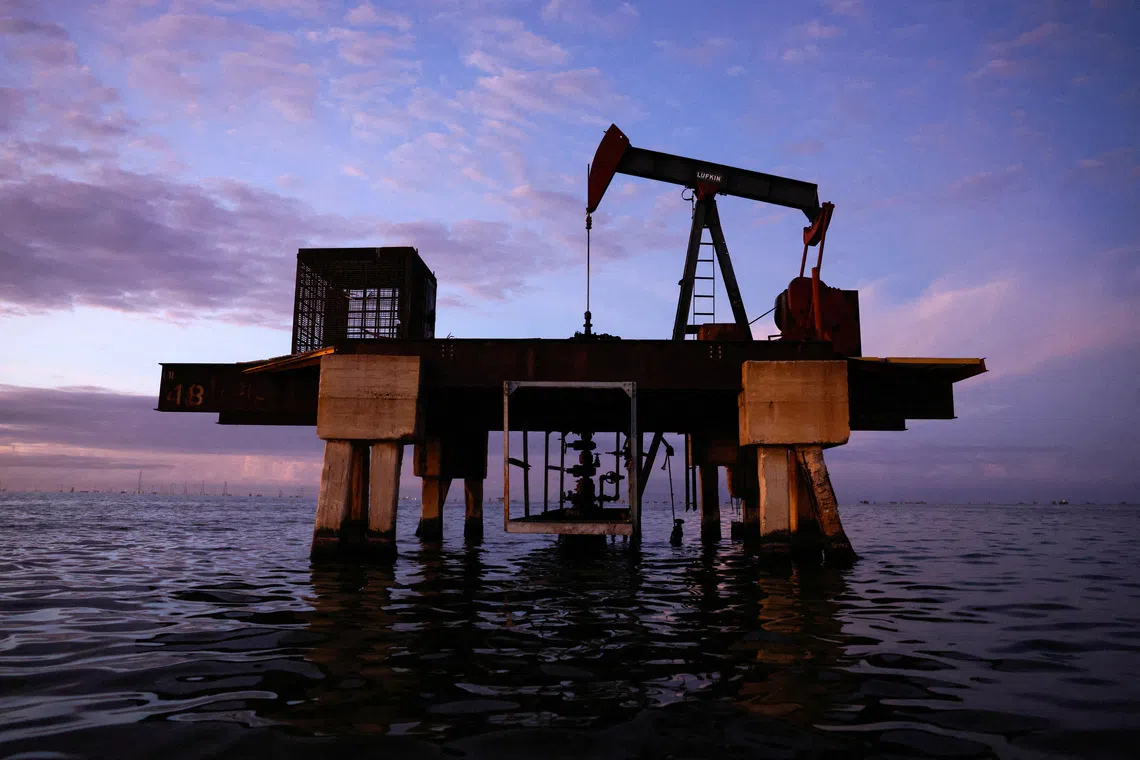
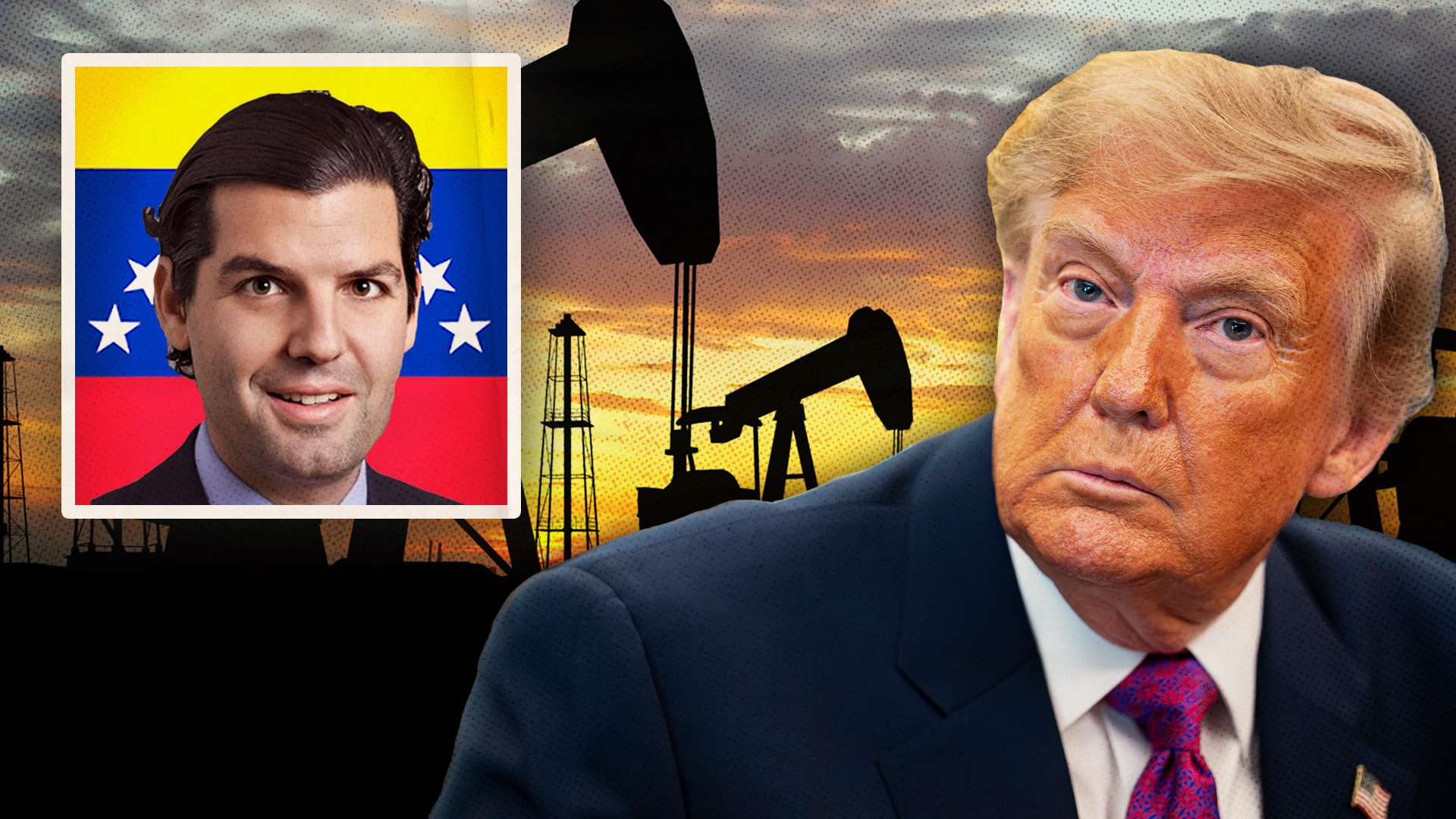
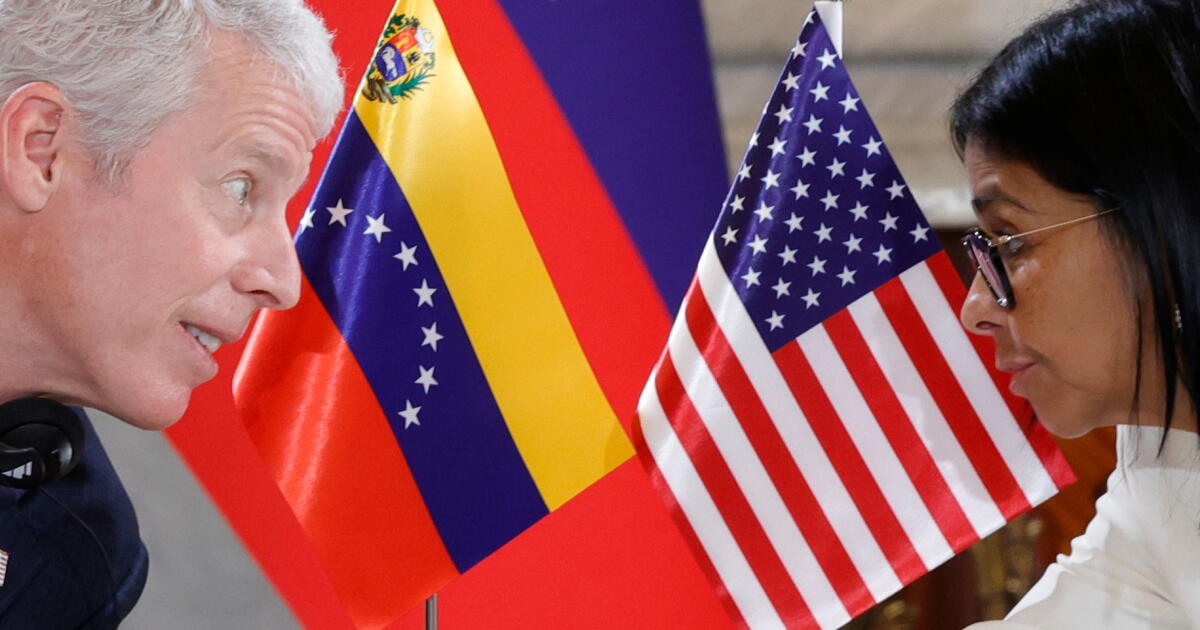
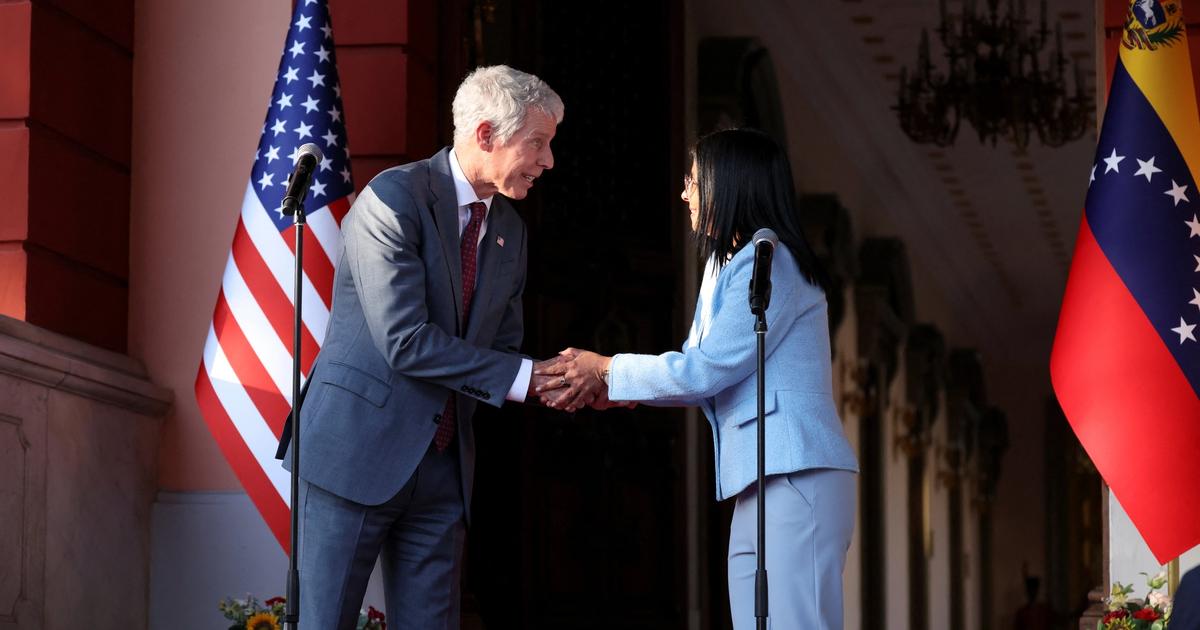
The Trump administration announced an arrangement with Venezuela last week that would see the US take control of 65 billion barrels worth of oil fields and a significant share of the country’s production of 800,000 barrels of oil per day—the latest development after an American strike on Caracas abducted the country’s president Nicolás Maduro in January.
asserted
strike → announce → January
According to the White House statement, Venezuela will grant a firm called North American Blue Energy Partners, rights to 17 oil fields for 100 years; that company will give the Pentagon a 35 percent stake in its corporate parent and the State Department the ability to buy 20 percent of its oil, with right of first refusal for the remaining 80 percent.
uncertain
Department → accord → percent
The US government can also veto any appointment to NABEP’s board of directors.
asserted
government → veto → directors
The deal is one of the public-private partnerships that have become customary in Donald Trump’s foreign relations.
asserted
that → become → relations
Just days after the White House announcement, Chevron said it would expand its operations in Venezuela.
asserted
it → say → Venezuela
But Chevron is already the largest foreign oil operator in the country, and others have indicated that the uncertainty of Trump’s plan, let alone how long the process of scaling up production would take, has made them hesitant to invest.
asserted
them → indicate → production
What is clear is that the oil deal is a direct seizure of another country’s resources under threat of force, what political scientist Jeff Colgan, who directs the Climate Solutions Lab at Brown University’s Watson Institute for Public and International Affairs, calls “petro-imperialism.”
asserted
who → direct → Affairs
In March, I spoke with Colgan, who has long studied the role of oil in international politics and war about how the idea of military intervention in global oil markets to support the US oil industry informed Trump’s actions in Iran.
asserted
idea → speak → Iran
Trump has publicly signaled that he is interested in making Venezuela the 51st state, and according to reports Tuesday, is seeking more access to the country’s minerals, including gold.
uncertain
Venezuela → signal → gold
To better understand what to make of all of this, I spoke with Colgan again last week.
asserted
I → understand → Colgan
Much isn’t known about Trump’s agreement to secure partial control of Venezuela’s oil industry.
asserted
Much → know → industry
What are you watching out for?
asserted
you → watch → What
I’m keeping an eye on the different ways the Venezuelan government and the US government are describing the deal, because of course, their two audiences want very different things, and I’m not sure how easy it’s going to be for politicians to try to square that circle.
asserted
politicians → keep → circle
Already, you see significant criticism from the political opposition in Venezuela [led by officials like conservative María Corina Machado], and even from some of the old [Nicolás] Maduro regime members saying, “This oil is ours, we don’t want to give it to the United States, and this is a form of neo-colonialism.”
asserted
this → see → colonialism
She, of course, is trying to finesse that by saying, “Look, this is an arrangement that will bring in American investment into an oil sector that really needs it,” because [Venezuela’s oil industry] has been inefficiently run for 20 years or so.
asserted
industry → try → years
It is true on some level, but American dollars going into the Venezuelan oil sector is different from what President Trump is telling Americans—that this is going to be a great deal by which Americans get access to Venezuelan oil at zero cost to American taxpayers.
asserted
Americans → go → taxpayers
Those two messages seem fundamentally incompatible.
asserted
messages → seem → ?
The Trump administration claims that Venezuelan oil will lower American gas prices amid the war in Iran.
uncertain
oil → claim → Iran
What do you think?
asserted
you → think → What
I think the argument is complete nonsense.
asserted
argument → think → ?
Yes, there might be new investment that comes in, but then you’re really talking about production that is years down the road.
uncertain
that → come → road
And because the oil system is very globally integrated, what happens in Venezuela is not going to lead in a direct fashion to lower prices for Americans.
asserted
happens → integrate → Americans
In fact, if anything, more investment in Venezuela might drive out investment in the rest of the world as companies react to wherever they think is the most profitable approach to meeting oil demand.
uncertain
they → drive → demand
They can cancel or just not make investments elsewhere in the world.
asserted
They → cancel → world
The disruption in [the Strait of] Hormuz is going to affect oil prices in the next few years, well before any new Venezuelan production.
asserted
disruption → go → production
Are there any historical comparisons to what we know about the Trump administration’s oil deal?
asserted
we → know → deal
I know a British company owned a lot of Iran’s oil sector before Iran nationalized it in the 1950s.
asserted
Iran → know → 1950s
I think the comparison to Iran is a good one.
asserted
comparison → think → Iran
The Anglo-Iranian oil company, which today we know as BP, did control the Iranian oil sector and made all the decisions about it from London rather than on behalf of Iranians.
asserted
we → know → Iranians
That’s one of the reasons, of course, why you had [Mohammad] Mosaddegh get elected [as prime minister of Iran] in 1951 and a coup against him in 1953 as he tried to nationalize the oil sector, and that continues to be a grievance that Iranians feel against both Britain and the United States as evil overlords of their oil sector.
asserted
Iranians → ’ → sector
Another is PDVSA, the Venezuelan national oil company that was created out of mostly American oil companies.
asserted
that → create → companies
It used to be Exxon, Mobil, [what is now] Chevron, [and others].
asserted
what → use → ?
These companies were operating Venezuela’s oil sector until, in 1976, the government nationalized them, saying “okay, everybody who’s currently working for those companies: now you’re working for PDVSA.”
asserted
you → operate → PDVSA
And they showed up to the same office the same the next day doing the same job, just for a different company.
asserted
they → show → company
It was nationalised, and since the ’70s, Venezuela has tried to close the sector off and concentrate the profits of the oil sector in Venezuela.
asserted
Venezuela → nationalise → Venezuela
That only works for so long, and they need more foreign investment.
asserted
they → work → investment
So then they open the sector back up and close it again every 10 or 15 years.
asserted
they → open → it
Now we’re in a new phase of [Venezuela] needing foreign investment to reinvigorate their oil sector.
asserted
Venezuela → ’re → sector
But there are good and bad ways of doing this, and this is one that is very likely to be seen by Venezuelans as just Americans stealing Venezuelan oil.
asserted
that → be → oil
I think it would be hard to shape that perception because of the way that Maduro was taken out of the country and also because you have President Trump saying how this [deal] is acquiring all of these resources for America.
asserted
deal → think → America
…and 14 more, not listed.
 The Aporia