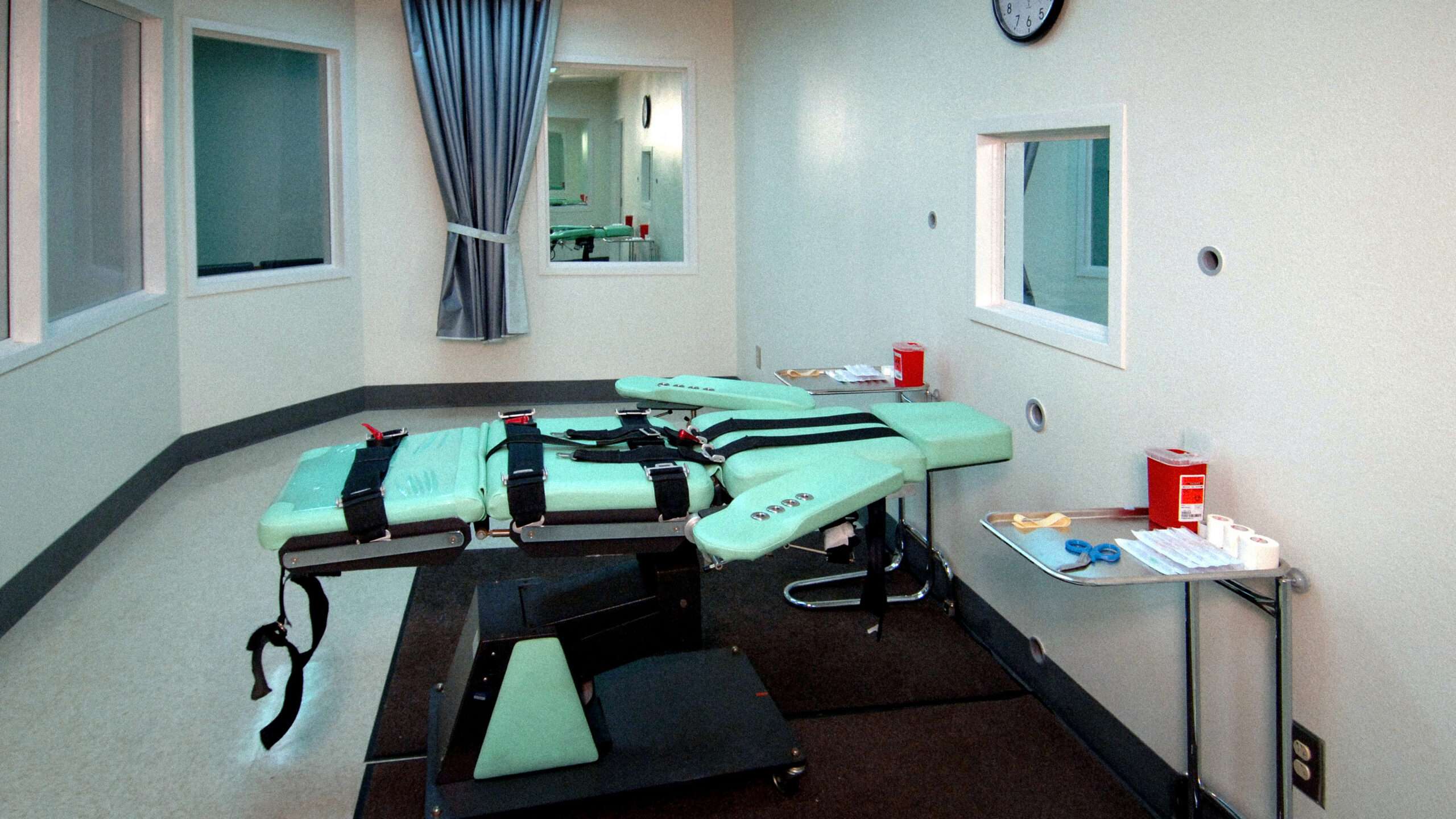
After surging during the COVID-19 pandemic, the U.S. homicide rate has declined sharply in the last few years, hitting a record low in 2025.
asserted
rate → surge → 2025
Although President Donald Trump says he is responsible for that welcome development, a new report from the Council on Criminal Justice (CCJ) suggests that factors unrelated to his policies played a much more important role.
uncertain
factors → say → role
Trump has been eager to cite the CCJ while claiming credit for the homicide drop.
asserted
Trump → cite → drop
But he is unlikely to tout this report, which is based on a survey of 48 crime experts who convened to assess four dozen possible explanations for the decline.
asserted
who → tout → decline
None of them thought the federal policies highlighted by Trump were major contributors.
asserted
policies → think → Trump
Last August, the FBI reported that the homicide rate fell by 18 percent from 2024 to 2025, an unprecedented drop.
asserted
rate → report → 2025
"The 2025 murder rate of 4.1 per 100,000 inhabitants is tied with 1955 and 1956 for the lowest murder rate," the FBI said.
asserted
FBI → tie → rate
The CCJ, based on data from criminologist Randolph Roth's 2009 book American Homicide, goes further, saying the 2025 rate was the lowest recorded since at least 1900—a conclusion that Trump has repeatedly echoed.
asserted
Trump → base → that
Trump immediately took credit for that historic drop.
asserted
Trump → take → drop
"We have the numbers down because of what the federal government's doing," he averred during a speech at the Nassau County, New York, police academy on August 14.
asserted
he → have → August
"Everyone knows we've done an amazing job."
asserted
we → know → job
Four days later, a White House press release reinforced that message.
asserted
release → reinforce → message
"President Trump Delivers the Largest Drop in Violent Crime in American History," the headline said.
asserted
headline → deliver → History
Trump "backed law enforcement, empowered the FBI to hunt predators instead of political targets, and rejected the failed Democrat lunacy that left communities reeling," the White House bragged.
asserted
House → back → communities
In response to a CCJ report on data for the first half of this year from a sample of U.S. cities, the White House likewise described the continuing drop in violent crime as "the direct result of the Trump Administration's relentless efforts to enforce the rule of law, back the police, and surge resources into communities long abandoned by Democrats."
asserted
House → describe → Democrats
It credited Trump's National Guard deployments, saying "the steepest homicide drops have come in cities where the Trump Administration stepped in after Democrat leaders failed to act."
asserted
leaders → credit → cities
Trump "promised to make America safe again," the White House said, "and the data proves he is delivering faster and more decisively than any Administration in history."
asserted
he → promise → history
In case you missed the point, a subsequent press release described recent crime trends as "the Trump Effect in full force."
asserted
release → miss → force
That "Trump Effect," according to Vice President J.D. Vance, includes immigration enforcement.
uncertain
Effect → accord → enforcement
"When you get the violent criminals out of your country, you see the largest drop in violent crime in the history of the United States of America," Vance said at a rally in Iowa last month, "because we got the bad guys out."
asserted
we → get → guys
Trump agrees.
asserted
Trump → agree → ?
"We have the most secure border in American history," he bragged during his September 22 speech to the U.N. General Assembly.
asserted
he → have → Assembly
"Nobody comes in, unless they're invited, unless they have permission…
asserted
they → come → permission
.As a result, last year we achieved the largest drop in violent crime ever recorded.
asserted
we → achieve → crime
The downward trend in homicides began in 2023, two years before Trump began his current term.
asserted
Trump → begin → term
And if Trump deserves credit for the continuation of that trend, doesn't he also deserve blame for the huge 2020 spike in homicides, which likewise happened on his watch?
asserted
which → deserve → watch
The truth is that neither inference is justified without additional evidence, especially since presidents have a limited role in law enforcement, which is primarily a state and local function, and many factors other than federal policy affect crime rates.
asserted
factors → justify → rates
The CCJ's survey of crime experts, which included 48 possible explanations for the recent decline in homicide, provides further grounds for skepticism.
asserted
which → include → skepticism
Although "no single factor was viewed as the dominant explanation for the decline," the CCJ says, 57 percent of the participants viewed "easing pandemic-related social and economic disruption" as "a major contributor.
asserted
percent → view → contributor
That was the only factor viewed as a major contributor by most of the experts.
asserted
That → view → experts
But the CCJ also asked the respondents to list the five factors they believed had the biggest influence.
asserted
they → ask → influence
None of the Trump administration policies that the president says are responsible for the drop in homicides made any of those lists.
asserted
president → say → lists
In addition to the fading impact of the pandemic, which 51 percent of the participants listed, the "top contributors" included expansion of community violence prevention programs (64 percent), increased use of "focused deterrence" aimed at "high-risk individuals and groups" (43 percent), increases in local government capacity (40 percent), and increases in public safety and support services "relative to demand" (28 percent).
asserted
contributors → fade → demand
The next five factors most commonly rated as top contributors were expansion of city or state violence prevention offices (23 percent), an increase in proactive policing (ditto), a decline in "unstructured socializing" among teenagers (19 percent), aging of the population (17 percent), and increased mortality among people at high risk of violence (15 percent).
asserted
factors → rat → violence
By contrast, none of the participants thought Trump's National Guard deployments had made a "major" contribution, and just one perceived a "limited" impact.
asserted
one → think → impact
No one listed that factor as a top-five contributor.
asserted
one → list → contributor
Nor did anyone mention increased immigration enforcement as a top contributor, although two participants said it had played a "limited" role.
asserted
it → mention → role
The CCJ did not specifically ask about FBI arrests, another explanation favored by Trump.
asserted
CCJ → ask → Trump
The survey did ask about improvements in homicide clearance rates, which 11 percent of the experts viewed as a top contributor.
asserted
percent → ask → contributor
But since the FBI accounts for a small share of violent crime arrests (about 8 percent in 2025), Trump is surely overrating the agency's role in reducing homicides.
asserted
Trump → account → homicides
…and 9 more, not listed.
 The Aporia