Story summary
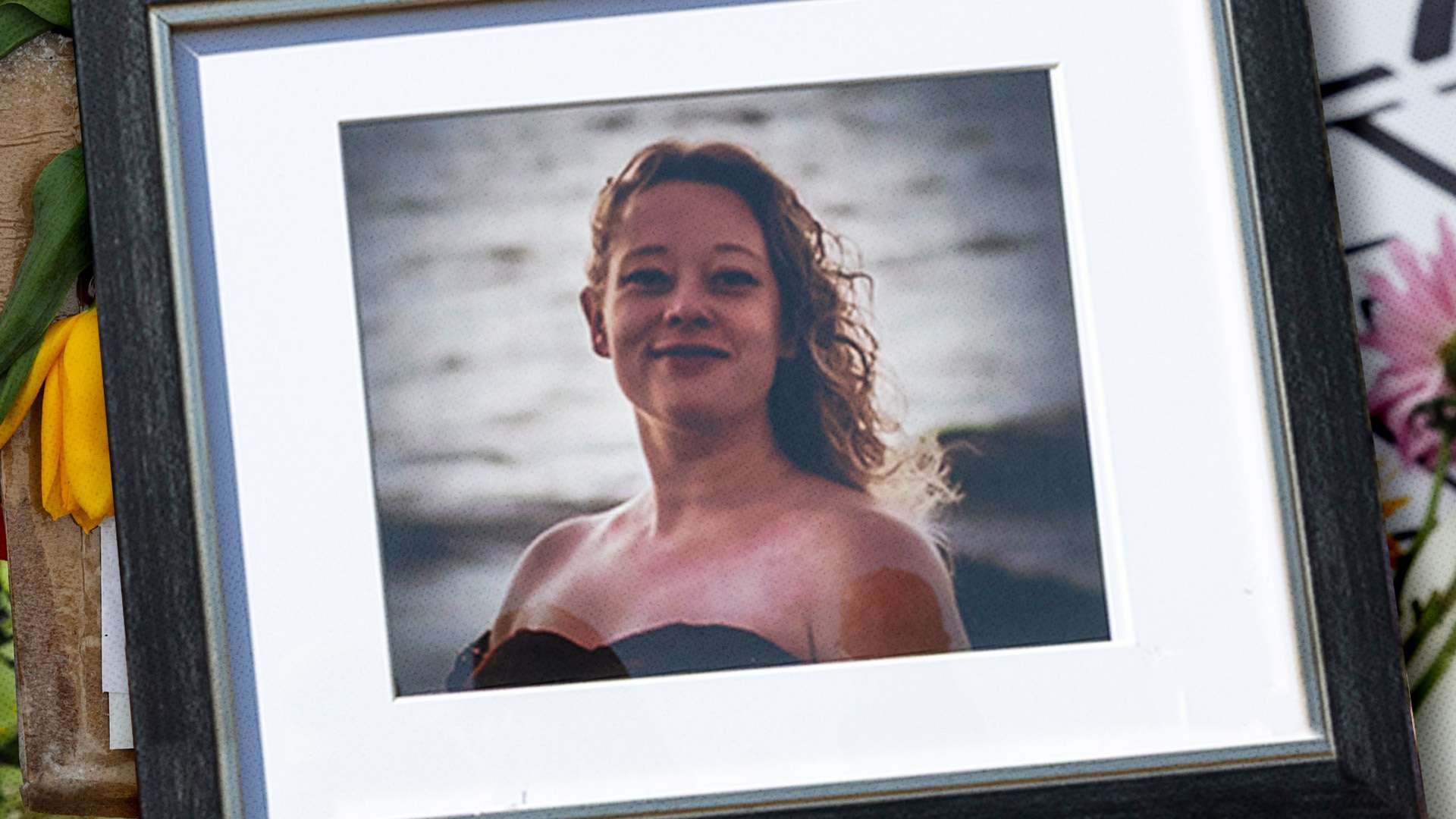
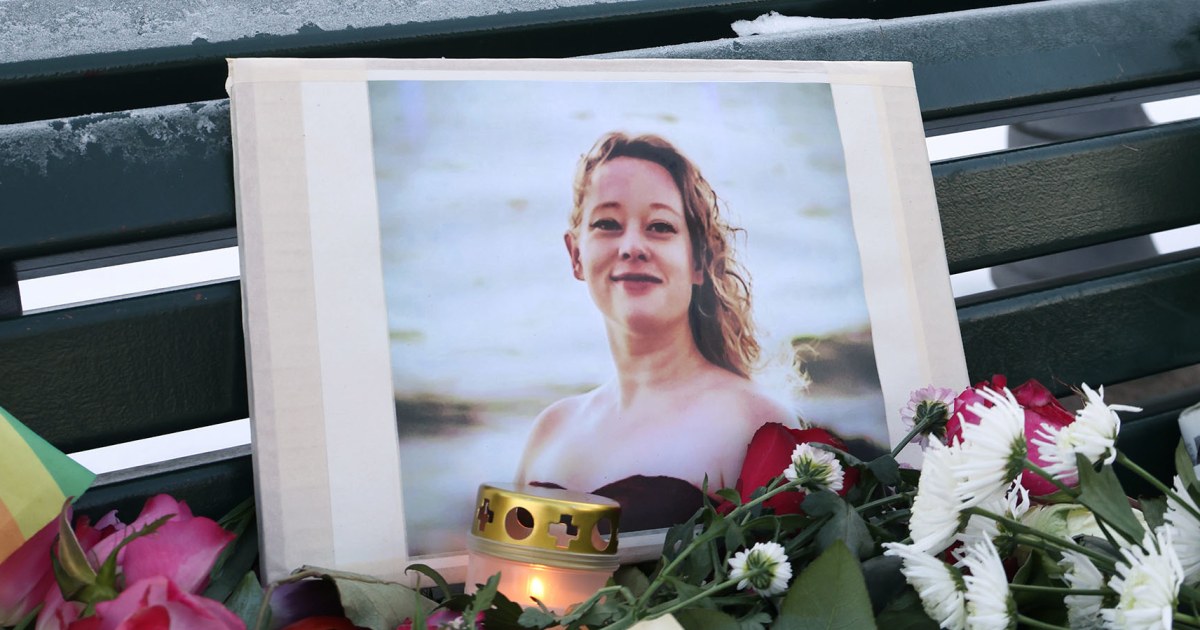
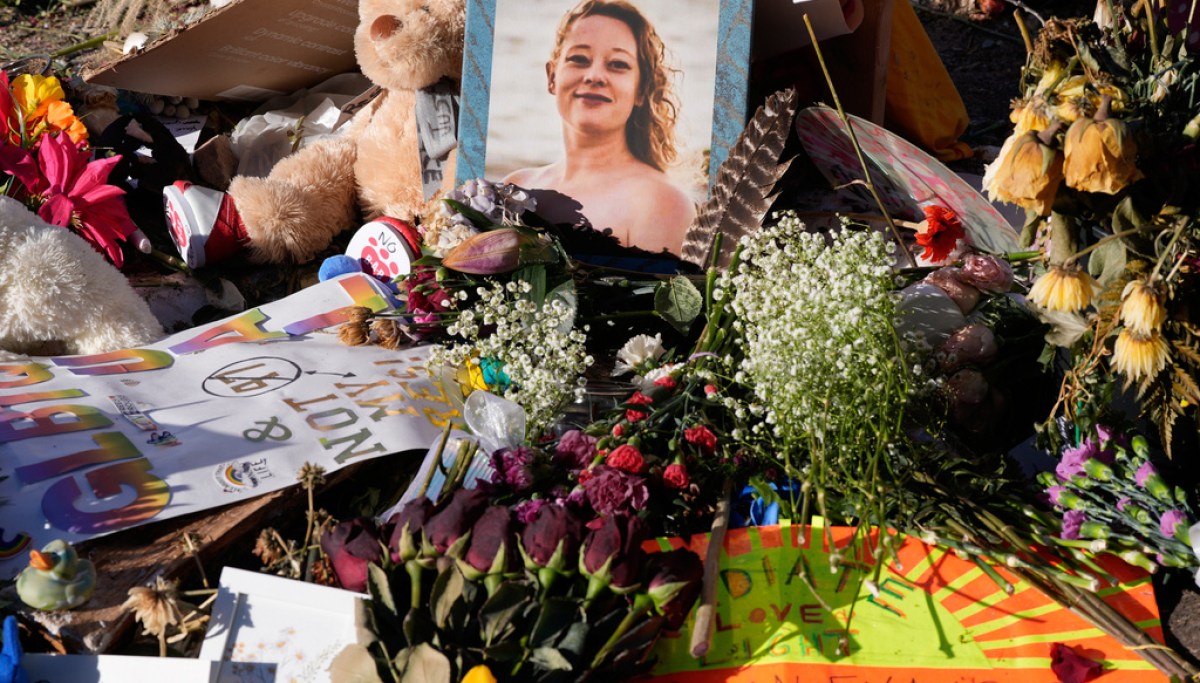
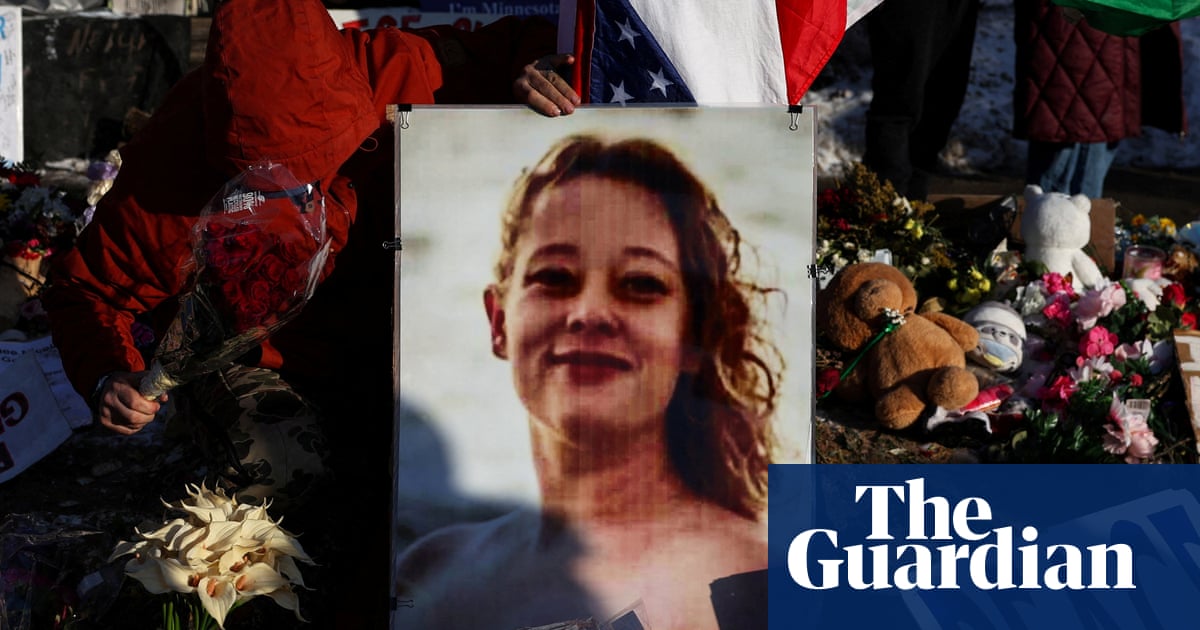
In January 2021, Renee Good, a 37-year-old mother of three in Minneapolis, was fatally shot by an ICE agent named Jonathan Ross during a protest against federal immigration raids. The shooting occurred when Good and her partner stopped their car on a street where ICE officers were operating; she was honking her horn as they blocked part of the road, drawing attention to the ongoing operations.
In October 2021, nine months later, Good's family filed two lawsuits: one against the United States under the Federal Tort Claims Act and another naming Ross along with White House Deputy Chief of Staff Stephen Miller, former Homeland Security Secretary Kristi Noem, and other officials. The cases allege wrongful death, battery, assault, false imprisonment, emotional distress, negligence, and a conspiracy to interfere with civil rights.
The lawsuits assert that Operation Metro Surge, which deployed 3,000 ICE agents in Minneapolis following accusations of immigration fraud by right-wing influencers, was designed to target Somali and Hispanic communities. The family argues this led to excessive use of force and violated Good's constitutional rights.
Written for “Renee Good Family Sues ICE” on 2026-10-04,
grounded in this article and the 17 other(s) covering the same event.
Jonathan Ross, the Immigration and Customs Enforcement (ICE) agent who fatally shot Minneapolis protester Renée Good on January 7, was not in any danger when he fired three rounds into the Honda Pilot she was driving, according to a pair of federal lawsuits that her brother and widow filed on Thursday.
uncertain
brother → shoot → Thursday
Nor was he responding to a threat that Good posed to anyone else, say the plaintiffs, who allege that Ross violated the Fourth Amendment and Department of Homeland Security (DHS) policies by using deadly force in circumstances that did not justify it.
asserted
that → respond → it
Based on video recorded by witnesses, we already had reason to doubt the assertion that Good "weaponize[d] her vehicle" and "attempted to run a law enforcement officer over," as Kristi Noem, then the DHS secretary, averred the day after the shooting.
asserted
Noem → base → shooting
It also seemed clear that Ross and other ICE agents at the scene disregarded widely accepted traffic stop guidelines and flouted DHS use-of-force rules.
asserted
Ross → seem → rules
But the lawsuits add new details that, if accurate, further undermine the claim that Ross acted in self-defense.
uncertain
Ross → add → defense
One lawsuit seeks damages from the U.S. government under the Federal Tort Claims Act (FTCA).
uncertain
lawsuit → seek → Act
The second lawsuit relies on the Ku Klux Klan Act of 1871, which covers conspiracies to deprive people of "equal privileges and immunities under the laws" or "the equal protection of the laws," and Bivens v. Six Unknown Named Agents of Federal Bureau of Narcotics, a 1971 Supreme Court decision that recognized a cause of action for violations of Fourth Amendment rights.
asserted
that → rely → rights
The defendants in the second lawsuit include Ross, 10 unnamed colleagues, Noem, and several other federal officials.
asserted
defendants → include → Ross
The complaints, which were filed in the U.S. District Court for the District of Minnesota, tell the same basic story.
asserted
which → file → story
Renée and Rebecca Good were on their way home after dropping Renée's 6-year-old son off at school on a Wednesday morning when they encountered immigration agents deployed as part of President Donald Trump's deportation campaign.
asserted
they → drop → campaign
Renée stopped the car on Portland Avenue between 33rd and 34th streets and began "honking her horn to alert her neighbors to ICE's presence," the FTCA complaint says, while Rebecca "got out and began to film the agents with her cell phone."
asserted
Rebecca → stop → phone
Although the Honda Pilot was partially blocking Portland Avenue, "numerous vehicles, including the unmarked Chevrolet Tahoe driven by [Ross], drove around their stopped car without incident.
asserted
vehicles → block → incident
When Ross got out of his SUV, he was holding his cellphone, which he used to record the scene as he walked around the car.
asserted
he → get → car
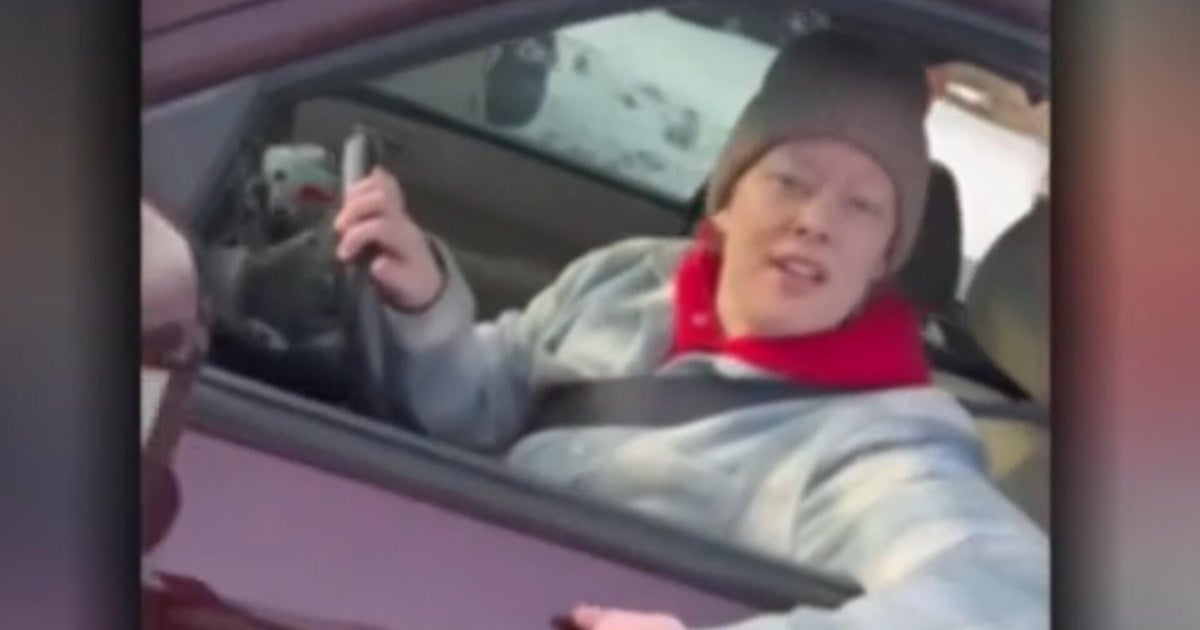
That video shows Renée Good seated in the driver's seat, smiling and talking calmly through an open window.
asserted
Good → show → window
"That's fine, dude," Good assures Ross, apparently referring to the fact that he is recording her.
asserted
he → assure → her
Within two minutes, Good was mortally wounded.
asserted
Good → wound → minutes
When two other ICE agents pulled up on the other side of Good's car, she waved, indicating that they should "just go around."
asserted
they → pull → car
They did not want to do that.
asserted
They → want → that
Instead, "they got out of their truck, and one of them shouted, 'Out of the car.
asserted
one → get → car
Apparently trying to enforce that order, an ICE agent grabbed the handle of the driver's side door.
asserted
agent → try → door
Meanwhile, another agent had told Good to drive away.
asserted
agent → tell → Good
Good chose to follow the latter instruction.
asserted
Good → choose → instruction
She "began to slowly reverse the vehicle," then "turned the wheels of the vehicle to the right—away from Ross, who was positioned at the front left of the vehicle."
asserted
who → begin → vehicle
She "began to slowly move forward, with the vehicle starting to make a right turn away from the agents."
All this is consistent with what bystander footage and Ross's video show, although the plaintiffs' account omits a detail suggesting alarm at the ICE agents' aggressive attitude.
asserted
account → begin → attitude
"Drive, baby, drive," Rebecca told Renée.
asserted
Rebecca → drive → Renée
As Renée took Rebecca's advice, according to the FTCA complaint, Ross "moved away from the vehicle, his legs and body out of the vehicle's path, while drawing his firearm with his right hand and leaning forward to shoot into the vehicle."
uncertain
legs → take → vehicle
As he "leaned forward to shoot, his left hand—still carrying his cell phone—contacted the car near the left headlight, as the car moved past him.
asserted
car → lean → him
That account suggests any injury Ross suffered was not only minor but the result of his decision to shoot Good.
uncertain
Ross → suggest → Good
The day of the shooting, Trump averred that Good "violently, willfully, and viciously ran over the ICE Officer" and that "it is hard to believe he is alive."
asserted
he → aver → Officer
Although Noem's story was less dramatic, she claimed Good had committed "an act of domestic terrorism" by trying to "kill or to cause bodily harm to agents."
asserted
Good → claim → agents
She asserted that Ross "fired defensive shots" because he was "fearing for his life" and trying to protect "the other officers around him" and "the safety of the public."
asserted
he → assert → public
According to the lawsuits, none of that was true.
uncertain
none → accord → that
"Ross, leaning forward, with his legs, head, and body out of the path of the vehicle, fired the first shot into the bottom left of Renee's windshield," the FTCA complaint says.
asserted
complaint → lean → windshield
"As the car continued its slow right turn away from Ross, he fired two more times into the open driver's side window."
asserted
he → continue → window
The second round, which Ross fired as the car was moving past him, struck Good in the left temple.
asserted
car → fire → temple
Another round went through her left forearm.
asserted
round → go → forearm
Her SUV, now out of control, careened down the street and crashed into a parked car.
asserted
SUV → careen → car
"Fucking bitch," Ross remarked.
asserted
Ross → remark → ?
It was already clear that Ross was not in the path of the Honda Pilot when he fired the second and third shots.
asserted
he → fire → shots
But according to the lawsuits, that was also true when he fired the first shot.
uncertain
he → accord → shot
…and 46 more, not listed.
 The Aporia