That is 0 articles you have read today.
The Aporia is free and carries no advertising, so readers are the only
thing paying for it. If you are getting this much out of it, a small
donation is what keeps it independent.
Daily limit reached
You have read 0 articles today.
That is more than the 15 a day The Aporia gives away,
and well past what it can carry on nothing. Your allowance resets at
midnight.
There is no advertising here and nothing about you is sold, so readers
are the only thing paying for it. If the site is worth this much of
your day, it is worth a few dollars.
Everything else stays open: the
maps, the
directory and
search do
not count against this, and neither does re-opening something you have
already read today.
The Garvaghy Road residents lost their legal challenge against the Parades Commission's decision to allow an Orange Order parade on Drumcree Road. The Court of Appeal ruled that the commission’s decision was lawful and properly considered potential disorder risks. Lady Chief Justice Dame Siobhan Keegan dismissed the appeal, stating it had no reasonable prospect of success. This ruling comes after years of dispute over the parade, which began in the mid-1990s and has been a source of tension between Protestant and Catholic communities in Northern Ireland.
Written locally by qwen2.5:14b on 2026-10-12,
using this article's own text rather than the other coverage of the
same event (that is the story summary below).
Story summary
In September, the Parades Commission announced it would allow an Orange Order parade in Portadown, ending a 28-year ban. The commission's decision stipulated that the march should start earlier and with fewer participants than originally planned by the Orange Order. Residents of the predominantly nationalist Garvaghy Road attempted to challenge this ruling, arguing that it was flawed due to inadequate consideration of potential disorder. However, on Monday, Lady Chief Justice Dame Siobhan Keegan dismissed their appeal at the Court of Appeal, stating that the Parades Commission had properly evaluated police assessments and provided sufficient reasons for its decision. The court ruled that the challenge lacked reasonable prospects of success, effectively upholding the commission's decision to allow the parade despite local opposition.
Written for “Drumcree Protest Ruling” on 2026-10-12,
grounded in this article and the 0 other(s) covering the same event.
Why this leaning score
This article does not take a side on a contested political
question, so it has no leaning score. That is an
answer rather than a gap: a match report or a rescue can be warmly
or critically written without being left or right, and scoring it
anyway is how approval of a subject gets recorded as a political
position.
No political leaning scored for article 74303 · logged 2026-10-12
- Published
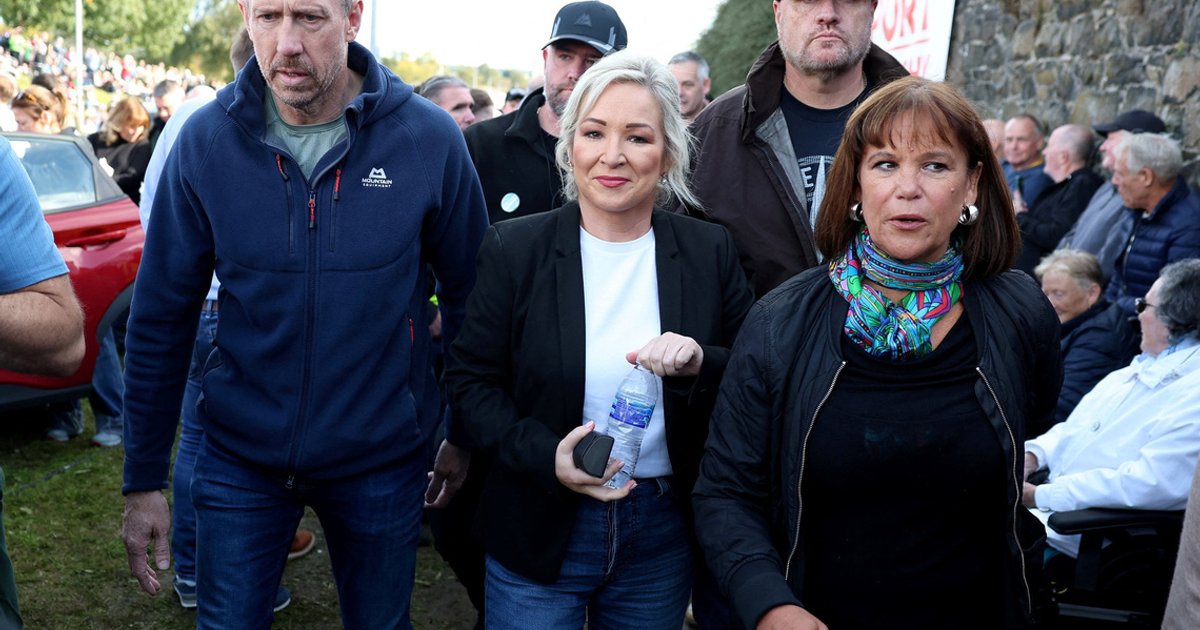
The Garvaghy Road residents have failed in a bid to challenge the Parades Commission's decision to allow the Drumcree parade to walk down the predominantly nationalist road, the Court of Appeal has ruled.
asserted
Court → publish → Appeal
Judges said their decision was confined to the lawfulness of the decision - it was not deciding whether or not the march should occur.
asserted
march → say → decision
Lady Chief Justice Dame Siobhan Keegan said the ruling was decided before the secretary of state banned the parade on Friday.
asserted
secretary → say → Friday
Residents had argued the commission's decision was flawed over how it weighed up the potential for disorder.
asserted
it → argue → disorder
However, the court dismissed the appeal to challenge the determination.
asserted
court → dismiss → determination
In September, the Parades Commission announced that a planned Orange Order parade would be allowed in Portadown.
asserted
parade → announce → Portadown
The commission said the parade should start earlier than the Orange Order wanted and with fewer people, but could go ahead for the first time in 28 years.
uncertain
Order → say → years
On Monday, the Lady Chief Justice found the Parades Commission properly dealt with a police assessment on the potential risk of disorder and gave adequate reasons for its decision.
asserted
Commission → find → decision
"This application for leave to appeal has no reasonable prospect of success," she held.
asserted
she → appeal → success
Speaking outside court on Monday, loyalist activist Jamie Bryson said "the law is clear".
"The Portadown District had a legal right to walk the Garvaghy Road.
"
asserted
District → speak → Road
"They have lost twice in the high court, twice in the court of appeal - how many times do we need to beat them before they will abide by the law?".
asserted
they → lose → law
The Drumcree parade dispute began in the mid-1990s and it almost derailed the peace process at the time.
asserted
it → begin → time
Violence related to the dispute resulted in riots, roadblocks and murders.
asserted
Violence → relate → riots
When the Orange Order was prevented by police from walking down the route in July 1995 there was a tense stand-off.
asserted
Order → prevent → July
The Parades Commission began operating in 1998 to regulate parades and try to defuse tension around marches.
asserted
Commission → begin → marches
Its decision not to allow a march down the Garvaghy Road that summer has been challenged by the order for the past three decades.
asserted
decision → allow → decades
Last month the Parades Commission decided that the march could go ahead on 27 September with restrictions in place after its original decision to stop the march was overturned in court.
uncertain
decision → decide → court
That morning, up to 1,000 people - including nationalist politicians - blocked the road, preventing Orangemen marching from Drumcree Church a mile to the west.
asserted
people → include → west
Since then there have been repeated attempts by the Orange Order to walk the route, but they have been stopped by police.
asserted
they → repeat → police
Residents maintained a constant presence on the Garvaghy Road, but that ended on Friday when the NI Secretary Sir Chris Bryant banned the parade following advice from the PSNI chief constable.
asserted
Secretary → maintain → constable
 The Aporia