That is 0 articles you have read today.
The Aporia is free and carries no advertising, so readers are the only
thing paying for it. If you are getting this much out of it, a small
donation is what keeps it independent.
Daily limit reached
You have read 0 articles today.
That is more than the 15 a day The Aporia gives away,
and well past what it can carry on nothing. Your allowance resets at
midnight.
There is no advertising here and nothing about you is sold, so readers
are the only thing paying for it. If the site is worth this much of
your day, it is worth a few dollars.
Everything else stays open: the
maps, the
directory and
search do
not count against this, and neither does re-opening something you have
already read today.
Northern Ireland’s First Minister expressed relief after Sir Chris Bryant intervened to stop a controversial parade that was originally approved by the Parades Commission but faced significant opposition from local residents. The decision came after nearly two weeks of tension and large-scale protests on the Garvaghy Road, where police had been unable to facilitate the parade despite the commission’s ruling. Ms O’Neill emphasized that the community had endured constant fear and uncertainty during this period and praised Bryant for making what she called a "right decision," though she noted it should have been made earlier.
Written locally by qwen2.5:14b on 2026-10-10,
using this article's own text rather than the other coverage of the
same event (that is the story summary below).
Story summary
In Portadown, Northern Ireland, the dispute over the Orange Order parade has now entered its 12th day. The Parades Commission recently allowed the parade to proceed down the Garvaghy Road, a route it had been banned from for nearly 30 years due to past violent conflicts. However, significant protests have prevented the march from taking place, with residents and politicians like First Minister Michelle O'Neill insisting on its non-occurrence.
Chief Constable Jon Boutcher has stated that there would be "consequences" for those breaking the law during this protest. Police are now in the process of interviewing individuals suspected of committing offenses related to blocking the parade. This includes Sinn Féin members, as representatives have received letters regarding interviews from police.
Unionists have criticized Sinn Féin ministers for their presence at protests opposing the parade and have proposed motions of no confidence against them. Despite these tensions, Michelle O'Neill maintains that she has not yet received a letter from the police but expects to be contacted soon about her involvement in the protest actions on Garvaghy Road.
Written for “Drumcree Parade Dispute” on 2026-10-10,
grounded in this article and the 17 other(s) covering the same event.
Why this leaning score
The model judged this article politically coded and scored it -0.45, but 2 quote(s) could not be found in the article and the other 2 are attributed speech rather than the article's own narration, so the score is not published.
Written under an earlier scoring contract, which gave a paragraph
rather than checkable quotes. Re-analysing this article replaces it.
Leaning score withheld for article 70042: no verified evidence · logged 2026-10-10
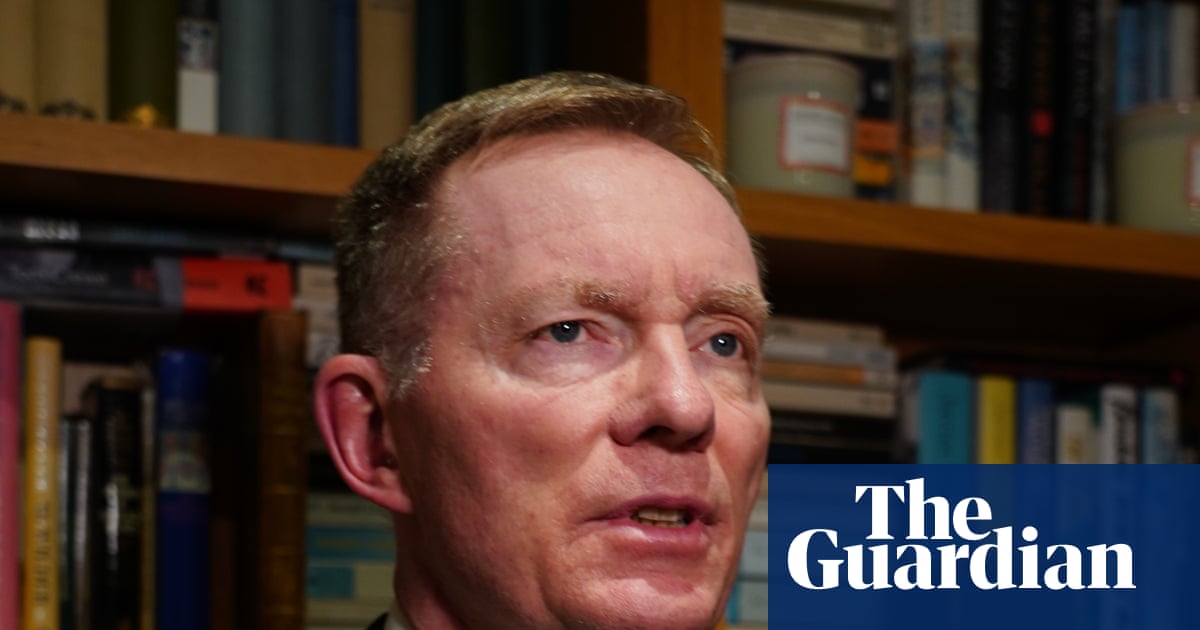
Sir Chris’ intervention came following a stand-off of almost two weeks after Northern Ireland’s Parades Commission ruled to allow the parade to travel its traditional route for the first time in almost 30 years.
asserted
parade → come → years
Police said they were unable to facilitate the parade despite the ruling due to large-scale protests on the Garvaghy Road.
asserted
they → say → Road
Ms O’Neill hailed the “right decision”, but said it should have been made earlier.
asserted
it → hail → decision
Appearing on RTÉ’s Late Late Show, Ms O’Neill said the Garvaghy Road residents have been living with “constant fear and a cloud hanging over them” that the parade was going to be forced down that road.
asserted
parade → appear → road
“We said from day one, the Secretary of State could step in, he could have stopped this nonsense, he could have put an end to it, but unfortunately he chose not to until the 11th hour,” she said.
uncertain
she → say → hour
In terms of the reaction, she said: “There’s tears.
asserted
she → say → reaction
“I mean, these people have been on a roller coaster over the course of the last fortnight, and I think no-one ever thought for a second that that the Parades Commission would have, you know, reversed the decision that stood for 28 years.
asserted
that → mean → years
“People were absolutely gobsmacked … men, women, and children were crying, and they were like, ‘Why is this happening to us?
asserted
this → gobsmacke → us
Why is this being brought back to our community?
asserted
this → bring → community
“And I knew there and then that the right thing to do was to stand with those Garvaghy Road residents, and I’ve stood there every day for the past fortnight.
asserted
I → know → fortnight
“I think people are relieved because this has been hanging over them, they’re they’re glad that this decision has now been taken.
asserted
decision → think → them
“They regret that it’s taken so long, but I do think that they’ll sleep easier tonight, knowing that this is now being brought to an end and that they can get back to their lives.”
asserted
they → regret → lives
Read More
Ms O’Neill is one of those to receive a letter.
asserted
O’Neill → read → letter
“I will go through the process.
asserted
I → go → process
I’ll do whatever needs to be done,” she said.
asserted
she → do → ?
“I’m happy that the decision that I took was the right decision.
asserted
I → ’m → that
It was to do what was right, and it was to support that community who needed my support.
asserted
who → do → support
So I stand over that decision, and I deal with whatever the processes that need to be dealt with.”
asserted
that → stand → processes
She added she was not aware of Sinn Féin president Mary-Lou McDonald receiving a letter from the PSNI.
asserted
McDonald → add → PSNI
 The Aporia