Story summary
Sir Chris Bryant, the Northern Ireland Secretary, banned a contentious Drumcree parade in Portadown after almost two weeks of deadlock between the Orange Order and local Catholic residents. The Parades Commission had initially ruled in early July that the Protestant march could proceed with restrictions, but the standoff persisted due to large protests blocking the route on the predominantly Catholic Garvaghy Road. Following consultations with both sides and advice from PSNI chief constable, Sir Chris decided it was not in the public interest for the procession to take place, citing concerns over potential violence and unrest.
Michelle O'Neill, Northern Ireland's First Minister, hailed the ban as a long-overdue decision that would bring relief to residents who had endured weeks of anxiety. However, loyalists vowed legal action against the ban, indicating they view it as undermining the rule of law. The situation has drawn international attention, with Micheál Martin, Irish premier, also expressing support for the community's decision.
The ban ends a contentious period marked by nightly protests and heightened tensions between unionist and nationalist communities in Portadown, where such parades have been restricted since 1998 due to previous violent confrontations. Sir Chris emphasized his commitment to maintaining peace but faced criticism from some quarters over delays in resolving the dispute earlier.
Written for “Drumcree Parade Ban” on 2026-10-10,
grounded in this article and the 14 other(s) covering the same event.
- Published
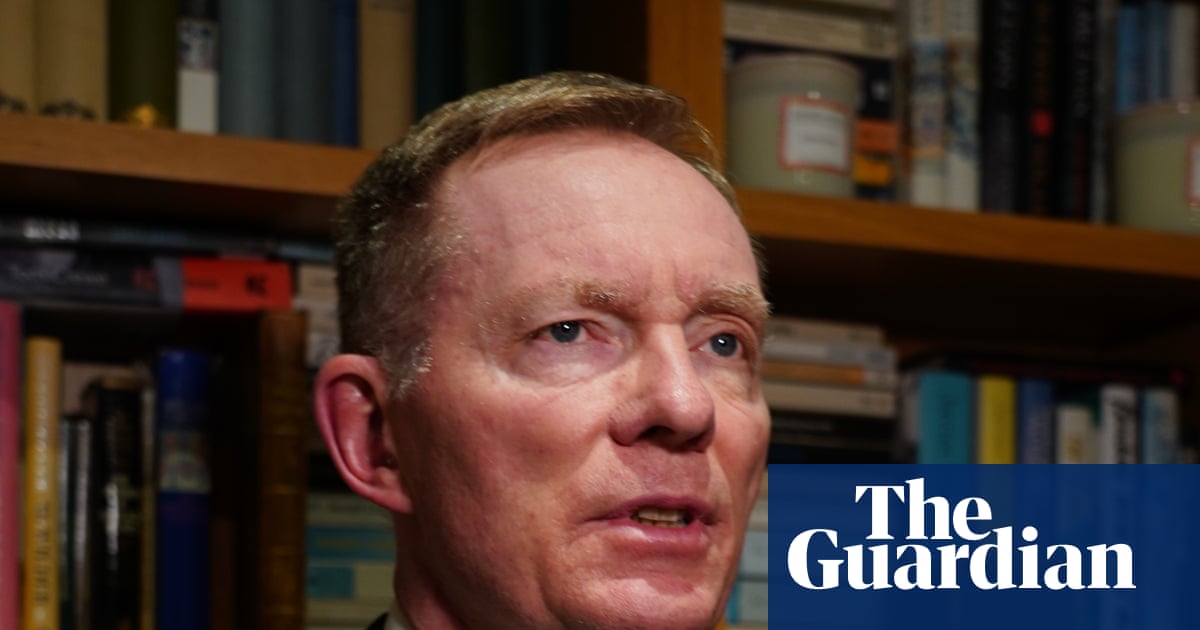
The Northern Ireland Secretary of State Sir Chris Bryant has said his decision to ban the Orange Order's Drumcree march was in the best interests of peace.
asserted
decision → publish → peace
He announced the decision on Friday after an agreement couldn't be reached between the Portadown District Lodge and the Garvaghy Road residents.
asserted
agreement → announce → Lodge
The dispute led to a stand-off between Orangemen and nationalist residents of the Garvaghy Road in Portadown lasting almost two weeks.
asserted
dispute → lead → weeks
Sir Chris said he received advice from the the PSNI chief constable that allowing the procession to go ahead could lead to serious injury, disorder and wider unrest across Northern Ireland.
uncertain
procession → say → Ireland
Speaking to BBC News NI, Sir Chris defended his decision after it was put to him that unionists believed it had undermined the rule of law.
asserted
it → speak → law
"It's my job to try and make sure that we have a peaceful set of outcomes in Northern Ireland," he said.
asserted
he → try → Ireland
"I didn't come to this decision lightly."
asserted
I → come → decision
He appealed for a lowering of political tensions.
asserted
He → appeal → tensions
"I really would urge everybody to stand down any rallies or gatherings that there may be.
uncertain
I → urge → rallies
Nobody wants to wind this up any further.
asserted
Nobody → want → this
"There's been, I would argue, too much winding up already over the last couple of weeks.
asserted
I → be → weeks
It's easy to stir up a sectarian grievance, much more difficult to calm it down.
asserted
It → stir → it
"But we will need to look at the long term establishment of trust ."
asserted
we → need → trust
Sir Chris also outlined two possible compromises that had been discussed in an attempt to resolve the dispute.
asserted
that → outline → dispute
One proposed compromise, he said, would have allowed the Orangemen to complete one final march along the Garvaghy Road, on the condition it would not apply to march the route again.
asserted
it → propose → route
The other would have seen the group accept that it had won the right to march, but agree not to exercise that right.
asserted
it → see → right
Sir Chris said he believed an agreement had been close, but talks between the lodge and residents ultimately failed.
asserted
talks → say → lodge
Speaking to BBC Radio 4's Today programme, he defended his decision to stop the parade, saying he could not see how the procession could safely take place.
uncertain
procession → speak → place
He also said Stormont's power-sharing institutions had proved more resilient than expected, despite concerns the dispute could lead to the collapse of the Northern Ireland Executive.
uncertain
dispute → say → Executive
The stalemate has reopened what was once one of the most bitter parading dispute in Northern Ireland, with stand-offs in the mid-to-late 1990s accompanied by riots, roadblocks and killings.
asserted
offs → reopen → riots
For decades, the situation at Drumcree has settled into a relatively minor stand-off that no longer made headlines, however that changed when the Parades Commission ruled that the march, on Sunday 27 September, could go ahead with restrictions in place.
uncertain
march → settle → place
That parade did not happen and, after a series of talks between residents and Orangemen, the secretary of state has banned the procession.
asserted
secretary → happen → procession
'Very close to an agreement'
Sir Chris said he had spent the last fortnight trying to reach a resolution between Garvaghy Road residents and the Portadown District Lodge, holding a series of negotiations at Hillsborough Castle.
"I thought we were very close to an agreement, but unfortunately that was tantalisingly difficult to achieve."
asserted
that → say → agreement
He explained that two possible compromises had been considered.
"
asserted
compromises → explain → ?
One was what people called one done and dusted.
asserted
people → call → what
In other words, they would do one march and never apply again."
asserted
they → do → march
"And another version was that they would accept that they had won the right, but they wouldn't exercise that right."
Sir Chris said neither proposal had secured agreement from both sides.
He said the Chief Constable Jon Boutcher had written to him requesting intervention under the Public Processions (Northern Ireland) Act 1998.
"
asserted
Constable → accept → Act
But it seemed to me that the real threat was, precisely as the chief constable had outlined, I couldn't see how the procession could take place."
uncertain
procession → seem → place
Sir Chris also said he believed the original determination by the Parades Commission to allow the march had been "legitimate".
asserted
determination → say → march
Asked what he had learned from the dispute during his time as Northern Ireland Secretary, Sir Chris said: "It's not the easiest gig in the world."
asserted
It → ask → world
He said he had encountered people willing to compromise, but others who found it more difficult.
asserted
it → say → people
"And I've learned that there are a lot of people of good will who want to make compromise.
asserted
who → learn → compromise
And there are some people who find compromise much more difficult."
asserted
compromise → be → ?
Sir Chris said there had been concerns that the dispute could lead to the collapse of Northern Ireland's power-sharing executive.
uncertain
dispute → say → executive
However, he said the institutions had remained in place despite the tensions.
asserted
institutions → say → tensions
"The institutions of the Good Friday Agreement are probably more resilient than people think."
asserted
people → think → Agreement
Drumcree was one of Northern Ireland's most serious parading disputes, when stand-offs in the mid-to-late 1990s over attempts by the Orange Order to march along the Garvaghy Road were accompanied by riots, roadblocks and killings.
asserted
offs → march → riots
When the Orange Order was prevented by police from walking down the route in July 1995, there was a tense stand-off.
asserted
Order → prevent → July
The Parades Commission began operating in 1998 to regulate parades and try to defuse tension around marches.
Its decision not to allow a march down the Garvaghy Road that summer has been challenged by the order for the past three decades.
asserted
decision → operate → decades
Earlier this year the Parades Commission decided that the march could go ahead on 27 September with restrictions in place after its original decision to stop the march was overturned in court.
uncertain
decision → decide → court
…and 14 more, not listed.
 The Aporia