The Aporia
The Aporia
The Aporia
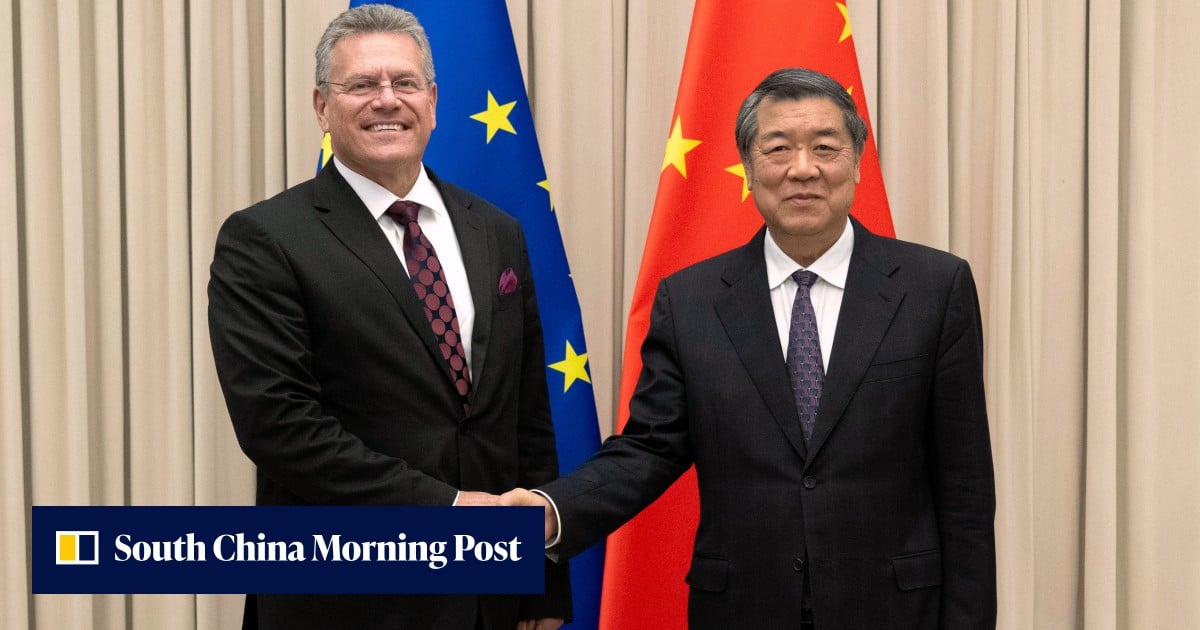
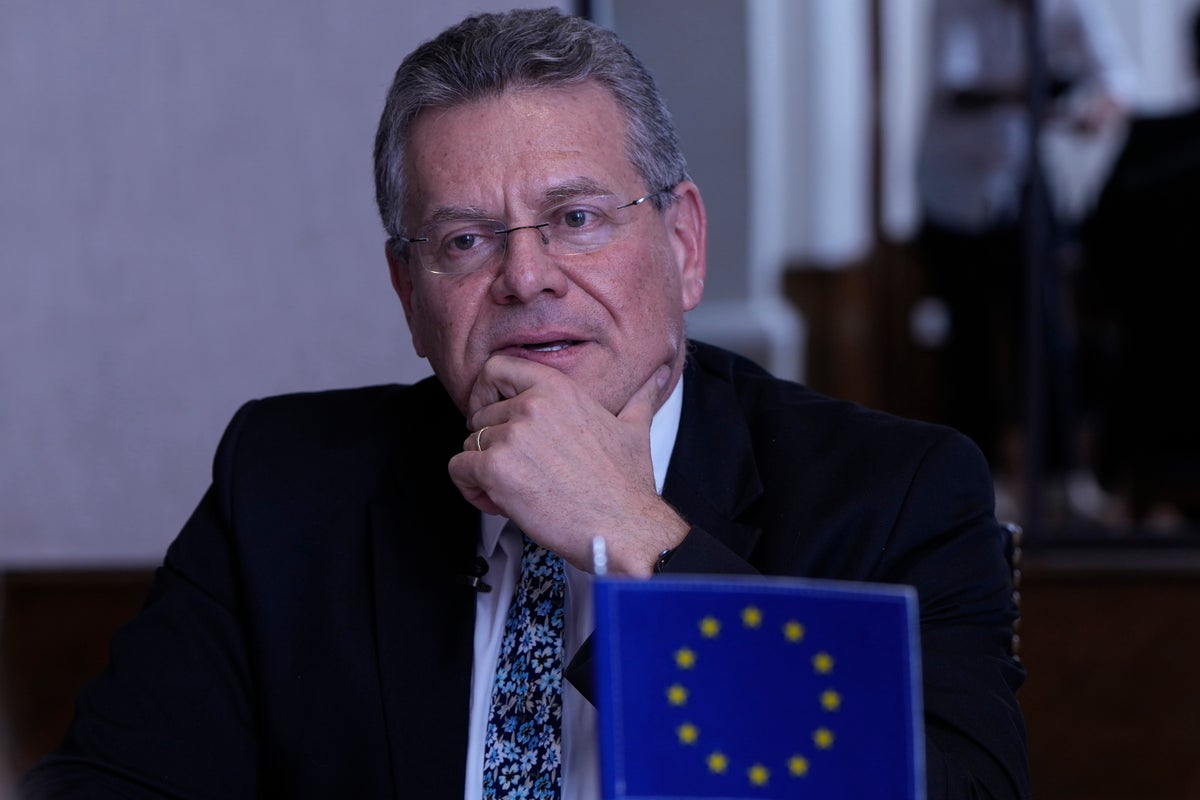
Maroš Šefčovič, the European Union's trade commissioner, flew to Beijing on Wednesday for two days of high-stakes negotiations with Chinese officials aimed at addressing Europe’s growing trade deficit with China. The talks between Šefčovič and Chinese Commerce Minister Wang Wentao are focused on curbing Beijing's massive exports, which have led to a daily trade surplus of over €1 billion ($1.12 billion) for China against the EU.
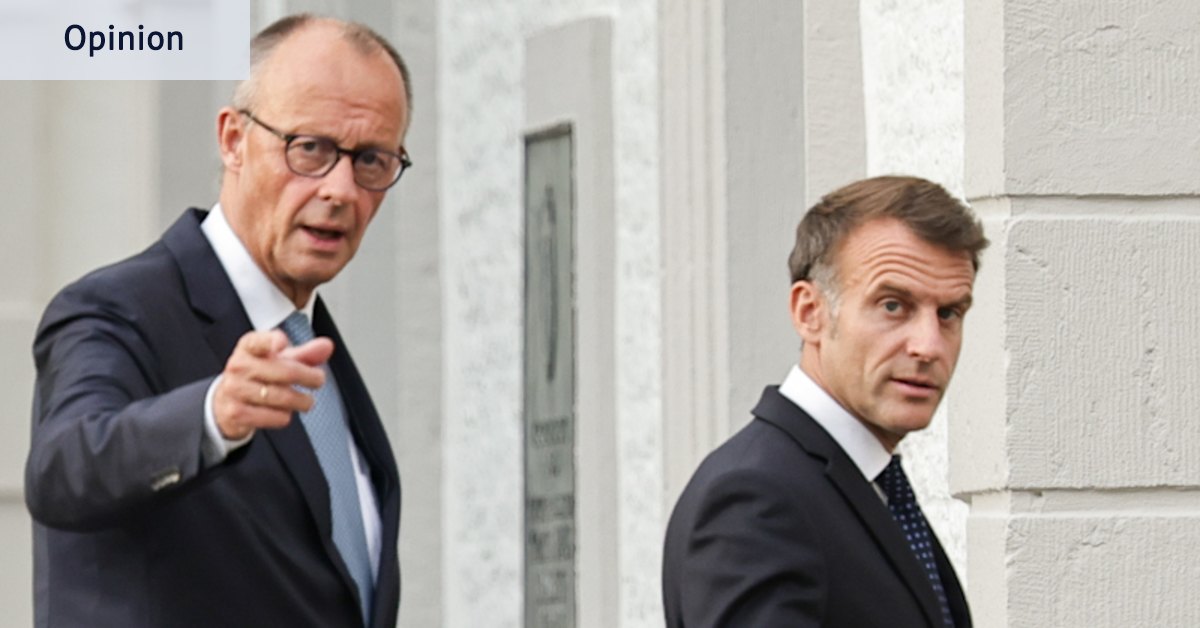
The discussions come amid rising economic anxiety in Europe about job losses across key industries such as steel manufacturing and automotive production due to cheap imports from China. Germany’s chancellor Friedrich Merz recently aligned with French president Emmanuel Macron, supporting new measures to restrict Chinese trade if necessary. This shift reflects a broader European consensus that the current imbalance is unsustainable.
Despite this unity, there remains skepticism about whether meaningful progress can be achieved during these talks. Some observers are optimistic that some form of “proof-of-concept” agreement might emerge, but many analysts and lawmakers remain cautious given China’s historical ability to circumvent trade barriers swiftly.
EU officials spoke of a ‘paradigm shift’ in wake of surprise trade deal, saying the ‘nature of the rebalancing exercise has changed’
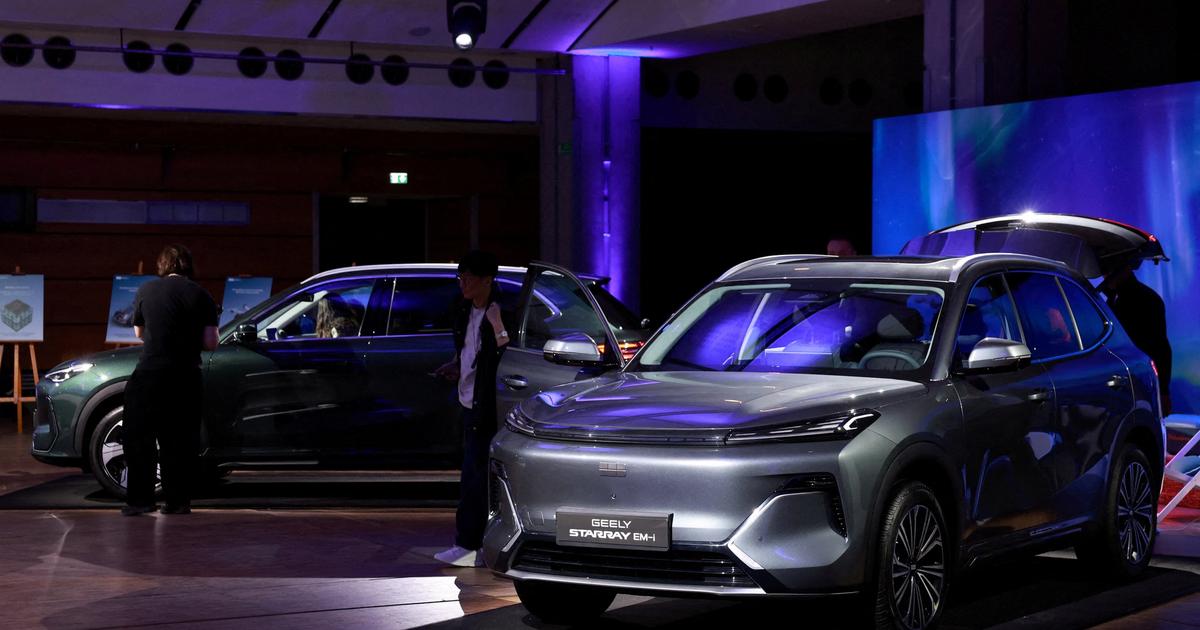
Beijing agreed not to retaliate against Brussels’ move to curb imports of Chinese hybrid cars, which will see shipments capped at 350,000 units per year, rising at 6 per cent annually.