The Independent
· collected 2026-10-08 · by Sam McNeil and Chan Ho-Him
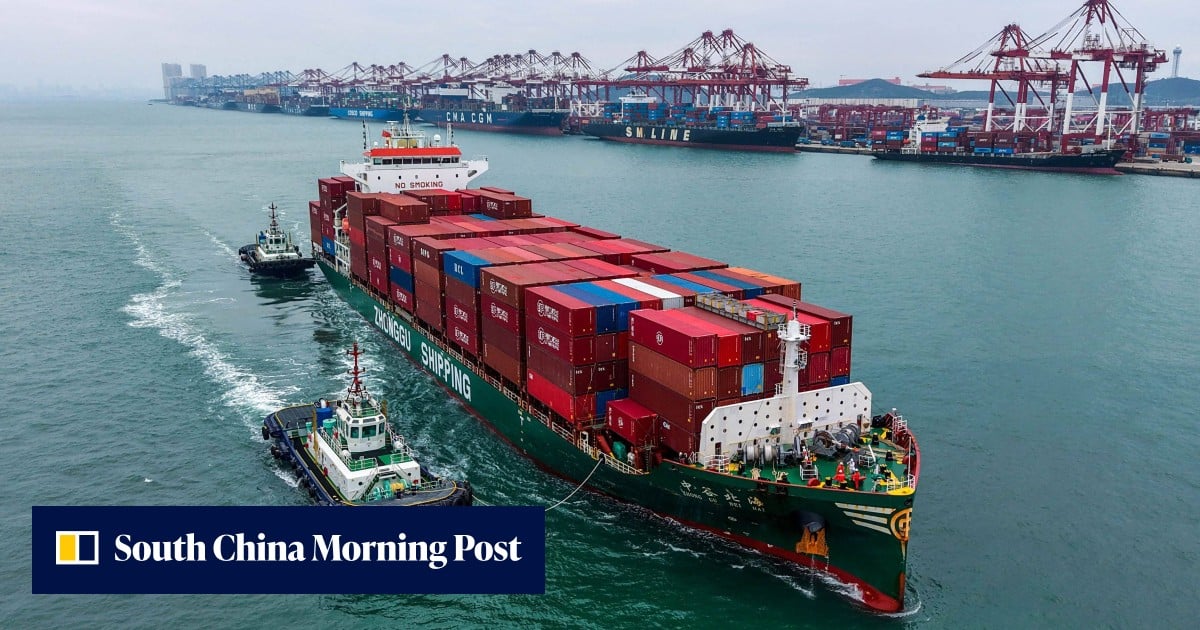
The European Union is bracing for a confrontation with China as a trade deficit exceeding $1 billion a day heightens anxiety over potential job losses and pushes the bloc’s political leaders to take a more aggressive approach toward its second-largest trading partner.
asserted
deficit → brace → partner
The goal is narrowing the EU’s 360 billion euro ($410 billion) trade deficit with China.
asserted
goal → narrow → China
Earlier this year, he gave Beijing a deadline of October to provide meaningful results in doing so.
asserted
he → give → results
Politicians and economists across the 27-nation bloc consider China’s massive subsidies and exports a major threat to core industrial sectors from steel foundries to car factories.
asserted
subsidies → consider → factories
China diverted many of its exports to the EU and other markets after the U.S. raised tariffs.
asserted
U.S. → divert → tariffs
In a debate Tuesday in European Parliament in Strasbourg, lawmakers overwhelmingly expressed anxiety alongside defiance over trade with China.
asserted
lawmakers → express → China
On Wednesday, they voted 454 to 86 on a resolution to toughen up on China that centered on a call for “economic reciprocity and a proportionate EU response if China does not open its markets.”
asserted
China → vote → markets
Ahead of the vote, Hilde Vautmans, the Belgian lawmaker who led the resolution, said that “Europe has economic power, it’s time we used it.”
asserted
we → lead → it
EU options range from tariffs to a “trade bazooka”
asserted
options → range → bazooka
Despite the seeming European unity this week, it remains unclear what the EU can or is willing to do.
uncertain
EU → seem → what
It has already rolled out trade measures against Chinese steel imports and e-commerce small parcels.
asserted
It → roll → imports
France’s High Commission for Strategy and Planning in February called for swift action, like 30% tariffs on many of China’s exports, and a devaluation of the euro against the Chinese currency.
asserted
Commission → call → currency
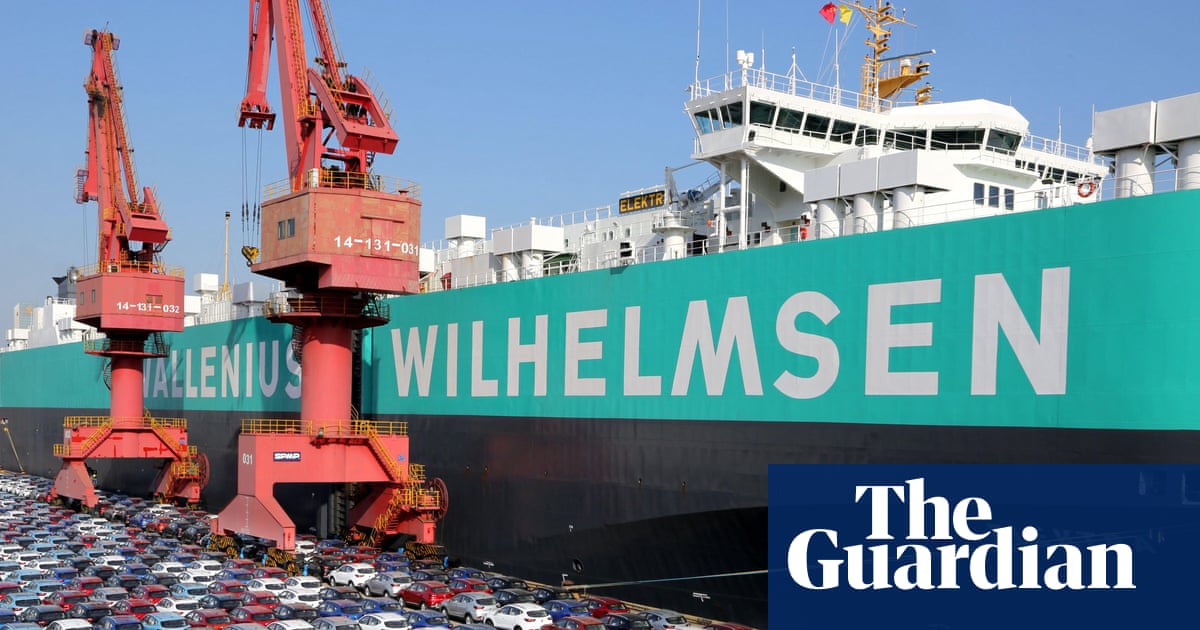
Sales of German autos are plummeting in China, but China is also poised to gobble up market share in Europe by undercutting European automakers on price thanks to heavy state subsidies.
asserted
China → plummet → subsidies
A letter by France and Germany, a copy of which was seen by The Associated Press, called for a sweeping rethink of the EU’s China policy.
asserted
copy → see → policy
Among other actions, it proposed making it easier for the European Commission to use the bloc’s so-called “trade bazooka,” the Anti-Coercion Instrument.
asserted
Commission → propose → bazooka
This is a never-used-before raft of measures for blocking or restricting trade and investment from countries found to be putting undue pressure on EU member nations or corporations.
asserted
This → use → nations
Yet not all EU nations agree on such tough measures.
asserted
nations → agree → measures
Prime Minister Pedro Sanchez has visited Beijing four times in three years.
asserted
Sanchez → visit → years
The European Policy Centre in Brussels said in June that European battery producers, solar panels, steel, electric vehicles, chemicals and machinery are already hemorrhaging jobs and capacity and called for a trade investigative body modelled on Section 301 of the U.S. Trade Act.
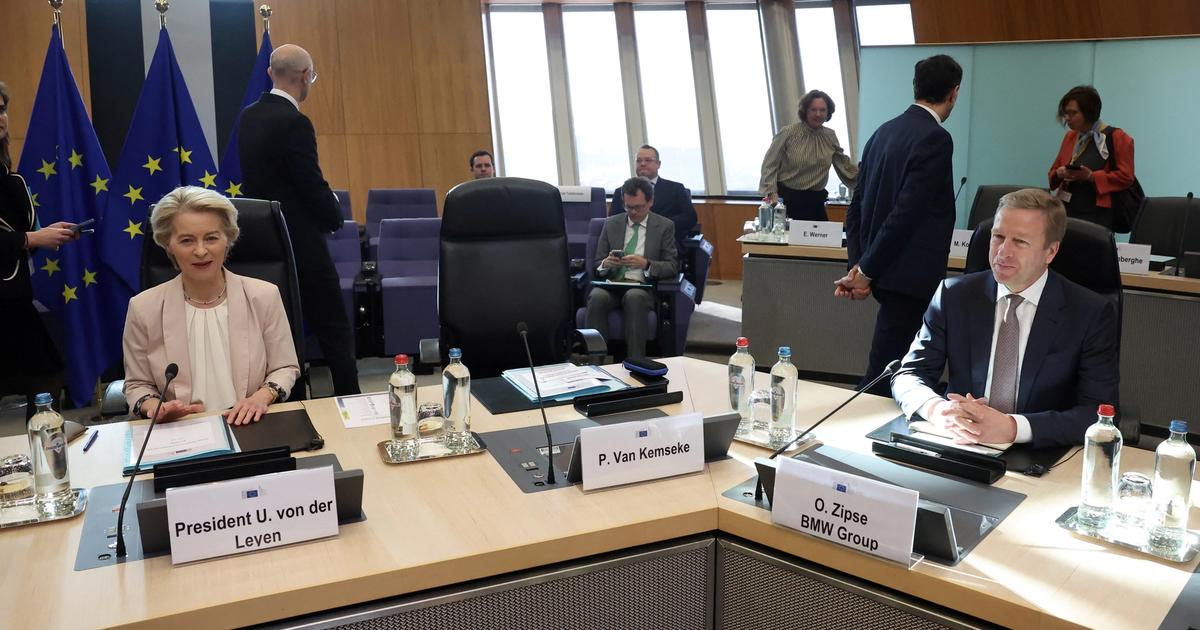
European Commission President Ursula von der Leyen called the phenomenon another “ China shock ” for Europe, similar to what happened in the U.S. in the early 2000s when hundreds of thousands of factory jobs in the American heartland were wiped out.
asserted
thousands → say → heartland
The EU’s ailing economy requires both a domestic overhaul and a more aggressive foreign trade policy, especially with China, said Tim Rühlig, a China analyst at the European Union Institute for Security Studies, the bloc’s internal think tank.
asserted
Rühlig → ail → Studies
Rühlig also said that European businesses and political leadership bear some blame.
asserted
businesses → say → blame
“It’s clear that just protecting yourself from China is not the future,” Rühlig said.
asserted
Rühlig → ’ → China
“But to have a chance of making yourself ready for future technologies and to remain competitive in the coming 15-20 years, you have to protect yourself.
asserted
you → have → yourself
It is impossible to disengage completely with China as the EU did with Russia following its invasion of Ukraine, Rühlig said, but there is robust momentum now to reset trade relations with Beijing.
asserted
Rühlig → disengage → Beijing
“Where do we make ourselves independent or at least more diverse?
asserted
ourselves → make → ?
And where do we still work with the Chinese?” Rühlig asked.
asserted
Rühlig → work → Chinese
This week in Beijing, when asked about the letter penned by France and Germany, a spokesperson at China’s Ministry of Commerce said that the countries should refrain from encouraging the EU to resort to protectionist measures.
asserted
countries → ask → measures
“Protectionism cannot enhance competitiveness, and decoupling or cutting off supply chains will only harm others without benefiting oneself,” the commerce ministry said in a statement.
asserted
ministry → enhance → statement
China is the EU’s second-largest goods trading partner after the U.S., according to European Commission data.
uncertain
China → trade → data
Chinese exports to the EU rose 15.3% in the first eight months of this year, according to China’s customs agency, while its imports from the EU rose 6.2%.
uncertain
imports → rise → EU
“The EU does not have the capacity to wage a trade war against China,” read an editorial last month in China’s state-run Global Times newspaper.
asserted
editorial → have → newspaper
“If it is truly determined to do so, then let it try.”
asserted
it → determine → ?
China’s exports to Europe, as well as Southeast Asia, Latin America and Africa, expanded after U.S. tariffs went into effect last year, but it still booked a $1.2 trillion trade surplus globally in 2025.
asserted
it → expand → 2025
So far, China’s export machine has remained remarkably resilient despite U.S. tariffs and other trade restrictions, said Max Zenglein, Asia Pacific senior economist at The Conference Board.
asserted
Zenglein → remain → Board
This past weekend, ahead of the meeting between Šefčovič and Wang, China launched an anti-dumping probe on EU exports of p-nitrotoluene, which is used in dyes and pharmaceuticals.
asserted
which → launch → dyes
The probe was initiated after Beijing warned last month that it would take retaliatory actions if the EU instituted tougher protectionist trade measures.
asserted
EU → initiate → measures
“China has been battle-tested by successive rounds of external pressure and, so far, has largely stared down attempts to force a change in course,” said Zenglein.
asserted
Zenglein → test → course
China’s economy has been largely driven by exports as domestic demand remains sluggish.
asserted
demand → drive → exports
The EU imports sizable amounts of Chinese lithium-ion batteries and hybrid electric vehicles, and Chinese carmakers are also expanding production capacity in Europe.
asserted
carmakers → import → Europe
While China’s trade surplus has intensified concerns among its major trading partners, trade ties between the U.S. and China appear relatively stable following a summit between Chinese President Xi Jinping and President Donald Trump in Washington, wrote Bank of America economists, turning the attention to China-EU relations.
asserted
economists → intensify → relations
…and 2 more, not listed.
 The Aporia