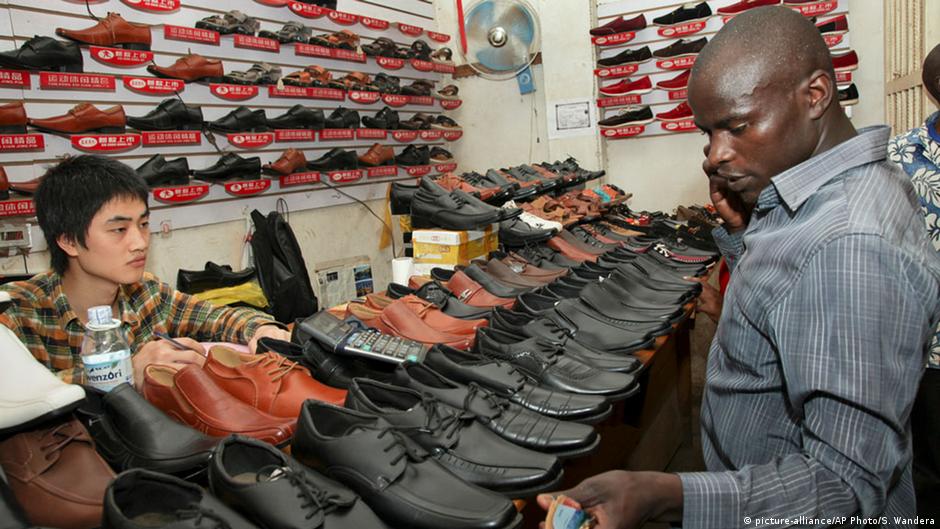
Kenya’s crackdown on foreign small-scale traders is exposing a tension at the heart of President William Ruto’s economic agenda in trying to protect jobs for Kenyans while keeping the country open to overseas capital and regional trade.
asserted
crackdown → expose → capital
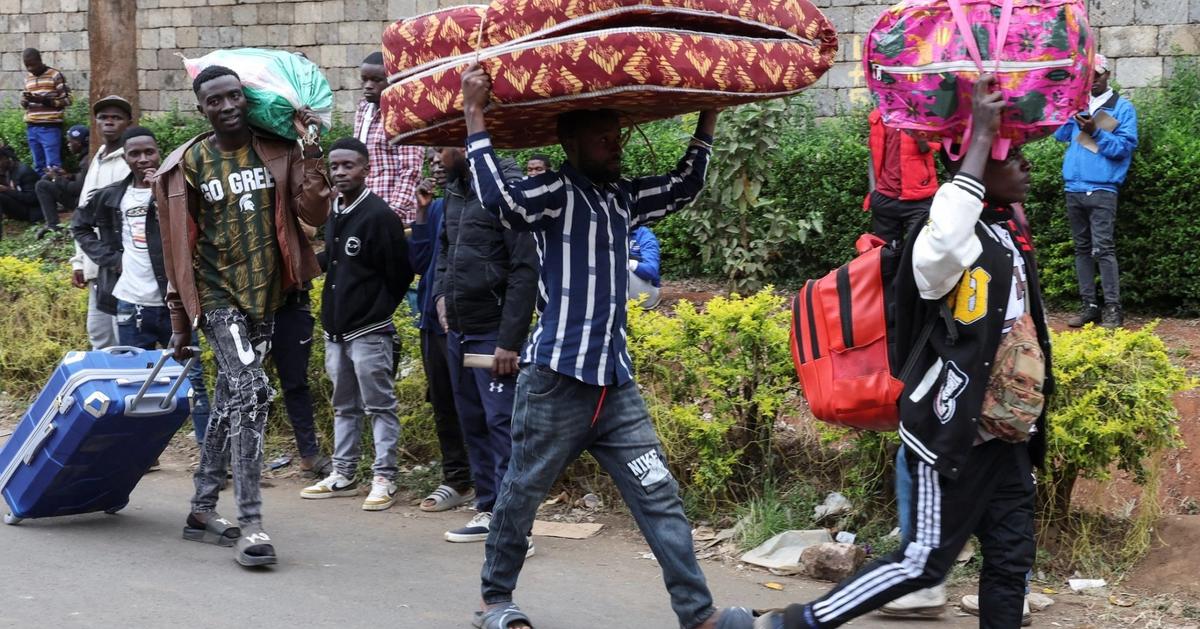
Hundreds of Burundians crowded their embassy in Nairobi this week seeking travel documents, saying they feared harassment and violence after Ruto ordered authorities to shut down small businesses operated by non-Kenyans.
asserted
Ruto → crowd → Kenyans
Ruto has drawn a distinction between the foreign investment Kenya wants and small-scale foreign businesses he says compete unfairly with locals.
asserted
he → draw → locals
“The investor confidence we have built is for investors, not traders and hawkers,” he said last week.
asserted
he → build → investors
But the speed and tone of the crackdown have already made some foreign traders feel unwelcome.
asserted
traders → make → crackdown
“We will go home but this is very unfair to us,” one young Burundian street trader told Semafor outside the embassy.
asserted
trader → go → embassy
“These jobs we do, no Kenyan wants to do them.”
asserted
Kenyan → do → them
The government has, in the wake of Ruto’s comments, offered undocumented East Africans a 90-day window to regularize their status, insisting the policy is about enforcing immigration and business rules rather than targeting foreigners.
asserted
policy → offer → foreigners
Presidential officials have also warned against harassment and xenophobia.
asserted
officials → warn → harassment
Yet the broader direction is hard to miss.
asserted
direction → miss → ?
Days before the hawker crackdown, Ruto ordered India’s Tata Chemicals to leave Kenya, arguing that the company had extracted value from the country without creating enough local investment or jobs.
asserted
company → order → investment
He wants a replacement investor to build glass and chemical manufacturing locally.
asserted
investor → want → manufacturing
Taken together, the moves suggest a harder version of Ruto’s “local benefit” agenda: foreign capital is welcome, but Nairobi increasingly wants to dictate where foreigners sit in the economic hierarchy.
asserted
foreigners → take → hierarchy
But Kenya risks blurring that argument with a broader political message that foreigners are responsible for the pressures facing local workers.
asserted
foreigners → risk → workers
Despite valiant attempts by Ruto’s ministers and aides to clarify or soften his original remarks, the president risks being seen by some Kenyans and regional observers as embracing a form of anti-migrant populism that has become increasingly familiar in Europe and the United States but most worryingly in South Africa.
asserted
that → clarify → Africa
That reading is particularly potent with a difficult reelection campaign looming in August 2027, when economic frustration and the search for politically convenient targets could become increasingly intertwined.
uncertain
frustration → loom → targets
That matters beyond the traders affected.
asserted
That → matter → traders
Ruto has positioned Kenya as a champion of freer movement, deeper intra-African trade and regional integration.
asserted
Ruto → position → movement
The crackdown puts that Pan-African vision in tension with a more protectionist domestic politics.
asserted
crackdown → put → politics
Kenya has long been a refuge for people fleeing conflicts in neighboring countries, from Somalia and Sudan in the early 1990s to South Sudan, Burundi and the DR Congo.
asserted
Kenya → flee → Sudan
The country’s relative stability and Nairobi’s commercial pull drew many refugees beyond the camps and into the capital, where they found work and built businesses, often in the informal economy.
asserted
they → draw → economy
That integration has helped create some of Nairobi’s most recognizable commercial communities.
asserted
integration → help → communities
Somali refugees, for example, became deeply embedded in Eastleigh’s trading networks, while Congolese refugees found work in casual labor, retail and services.
asserted
refugees → become → labor
Research shows refugees and Kenyan businesses have also formed partnerships and supply chains linking Nairobi with camps such as Kakuma.
asserted
refugees → show → Kakuma
The result is an economy in which the boundary between “refugee,” “migrant,” and “trader” is often far less clear than Ruto’s new policy suggests.
uncertain
policy → suggest → refugee
Supporters of the policy argue that Kenya is doing little more than enforcing rules that already exist and protecting citizens from unfair competition.
asserted
that → argue → competition
Lawyer and governance expert Javas Bigambo says foreigners should remain free to trade except in low-capital activities such as roadside food sales and hawking, restrictions he says are common across the region.
asserted
he → say → region
The View From South Africa
South Africa offers a cautionary comparison.
asserted
Africa → offer → comparison
The country has gone considerably further down the anti-foreigner route, with Operation Dudula and other groups targeting undocumented migrants and foreign-owned businesses.
asserted
country → go → migrants
Xenophobic attacks have flared repeatedly, while politicians have tapped into anger over unemployment, crime and strained public services.
asserted
politicians → flare → unemployment
But the politics has not solved the economic problems it feeds on.
asserted
it → solve → problems
South Africa’s economy contracted in the second quarter of 2026, while unemployment remains exceptionally high and structural weaknesses continue to weigh on growth.
asserted
weaknesses → contract → growth
The experience offers Kenya a warning that making foreigners the focus of economic frustration can be politically potent, but economists have noted it does little to fix the underlying failures that produced that frustration in the first place.
asserted
that → offer → place
 The Aporia