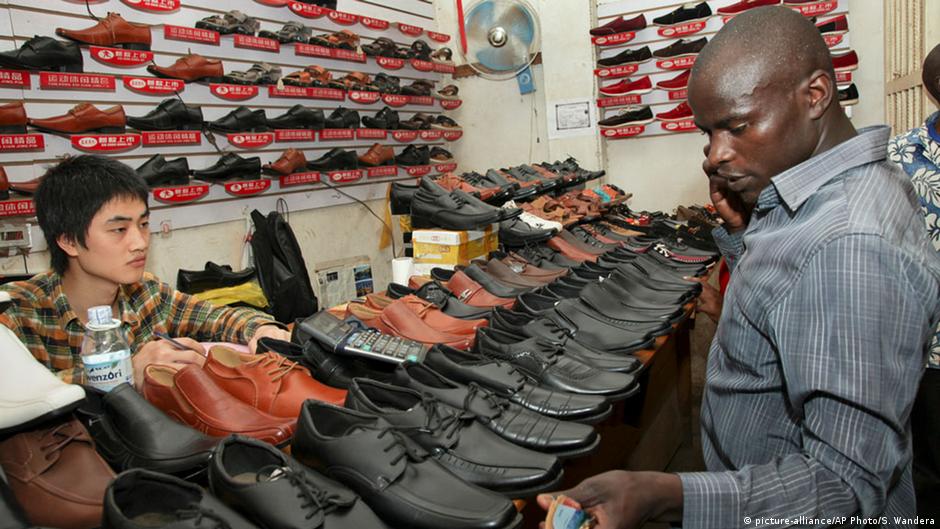
Kenya is beginning a crackdown on foreign nationals operating small retail shops and engaging in hawking, after President William Ruto directed authorities to shut down such businesses from September 7.
asserted
Ruto → begin → September
Ruto made the announcement on September 2 while addressing micro, small and medium-sized enterprise (MSME) traders at State House in Nairobi.
asserted
Ruto → make → Nairobi
He said foreigners should not compete with Kenyans in businesses such as hawking and small retail, while foreign investment was welcome in activities requiring greater capital and investment.
asserted
investment → say → capital
What is Kenya doing?
asserted
Kenya → do → What
Ruto directed authorities to begin shutting down small businesses operated by foreign nationals from September 7, saying hawking and small-scale retail should be reserved for Kenyans.
asserted
hawking → direct → Kenyans
He said the government would take administrative action while the Parliament of Kenya considers the proposed Local Content Bill, 2025.
asserted
Parliament → say → Bill
He also directed National Assembly Majority Leader Kimani Ichung’wah and Trade Cabinet Secretary Lee Kinyanjui to accelerate the bill’s passage through Parliament.
asserted
He → direct → Parliament
Why is Kenya moving against foreign traders and small retailers?
asserted
Kenya → move → traders
Hesbon Hansen Owilla, a professor at Aga Khan University in Nairobi, said the policy would help protect Kenyan traders.
asserted
policy → say → traders
“Yes, this is the best way to protect Kenyan small businesses and traders,” he told Al Jazeera.
asserted
he → protect → Jazeera
“Kenya is trying to bring in only investors who are bringing capital that can spur economic development by creating jobs rather than allow small-time foreign traders who only stifle Kenyan small traders while enjoying the robust infrastructure that Kenya has built and social securities.”
asserted
Kenya → try → that
“It’s like expatriates.
asserted
It → ’ → expatriates
A country cannot allow expatriates in for jobs locals have expertise in,” he said.
asserted
he → allow → expertise
The proposed Local Content Bill, 2025, would require foreign companies to increase local sourcing and employment, among other measures.
asserted
Bill → propose → measures
The bill is still being considered by Parliament and has not yet been enacted into law.
asserted
bill → consider → law
What businesses and traders are affected?
asserted
businesses → affect → ?
The directive is aimed at foreign nationals operating small retail shops and engaging in hawking.
asserted
nationals → aim → hawking
Ruto specifically referred to hawking and small shops when announcing the crackdown.
asserted
Ruto → refer → crackdown
Kenya’s broader micro, small and medium-sized enterprise (MSME) sector covers a wider range of businesses.
asserted
sector → cover → businesses
The government has not publicly provided a comprehensive list of all businesses covered by the September 7 directive or an estimate of how many foreign nationals will be affected.
asserted
nationals → provide → directive
Ruto also directed Ichung’wah to engage the State Department for Immigration’s principal secretary and establish the requirements governing permits issued to foreign investors and traders.
asserted
Ichung’wah → direct → investors
It is therefore not yet clear how the directive will apply to foreign nationals who already hold permits to conduct business in Kenya.
asserted
who → apply → Kenya
Foreign Affairs Principal Secretary Korir Sing’Oei said on September 6 that foreign nationals who meet Kenya’s legal requirements, including holding the necessary work permits and licences, remain legally protected to operate businesses in the country.
asserted
who → say → country
He said Ruto’s remarks had been taken out of context and were made in the context of the Local Content Bill, 2025.
asserted
remarks → say → Bill
Kenya’s 2024 Foreign Investment Survey, the latest such survey published by the Kenya National Bureau of Statistics (KNBS), put the country’s stock of foreign direct investment at 1.458 trillion Kenyan shillings ($11.27bn) at the end of 2023, up 8.5 percent from 1.343 trillion Kenyan shillings ($10.4bn) at the end of 2022.
asserted
Survey → publish → 2022
These figures cover foreign investment across the Kenyan economy and are not limited to the small-scale trading activities targeted by Ruto’s directive.
asserted
figures → cover → directive
Surveyed foreign-invested enterprises employed 224,769 people in June 2024, including 221,267 Kenyan employees.
asserted
enterprises → survey → employees
Foreign employees accounted for 1.6 percent of the workforce in those enterprises.
asserted
employees → account → enterprises
Tata Chemicals Magadi operates a soda ash business at Lake Magadi in Kajiado County.
asserted
Magadi → operate → County
On July 28, the Kenyan government suspended the company’s mining operations, citing alleged compliance issues under the country’s mining laws.
asserted
government → suspend → laws
The suspension also affected its soda ash exports.
asserted
suspension → affect → exports
On September 3, Ruto said he had ordered Tata Chemicals to leave Kenya, saying the company had not provided sufficient benefits to the local community in Kajiado County.
asserted
company → say → County
He said the government would bring in two new companies to establish glass and chemical manufacturing facilities in the area.
asserted
government → say → area
Tata Chemicals said it had submitted the information requested by Kenyan authorities and was awaiting further communication.
asserted
it → say → communication
The company has said it complied with regulatory requirements and remained committed to resolving the matter through legal and regulatory channels.
asserted
it → say → channels
The Tata dispute concerns the company’s soda ash operations at Lake Magadi.
asserted
dispute → concern → Magadi
This is separate from the directive targeting foreign nationals operating small retail businesses and hawking.
asserted
This → target → businesses
What does this mean for foreign investment?
asserted
this → mean → investment
International business consultant and Sols Inclinations Ltd Managing Director Solomon Kinyanjui said the distinction was not between welcoming foreign investment and rejecting it, but between foreign capital that complements Kenyan enterprise and activity that displaces it.
asserted
that → say → it
“The issue is not whether foreign capital is welcome, but what role it should play in Kenya’s economy,” he told Al Jazeera.
asserted
he → play → Jazeera
…and 4 more, not listed.
 The Aporia