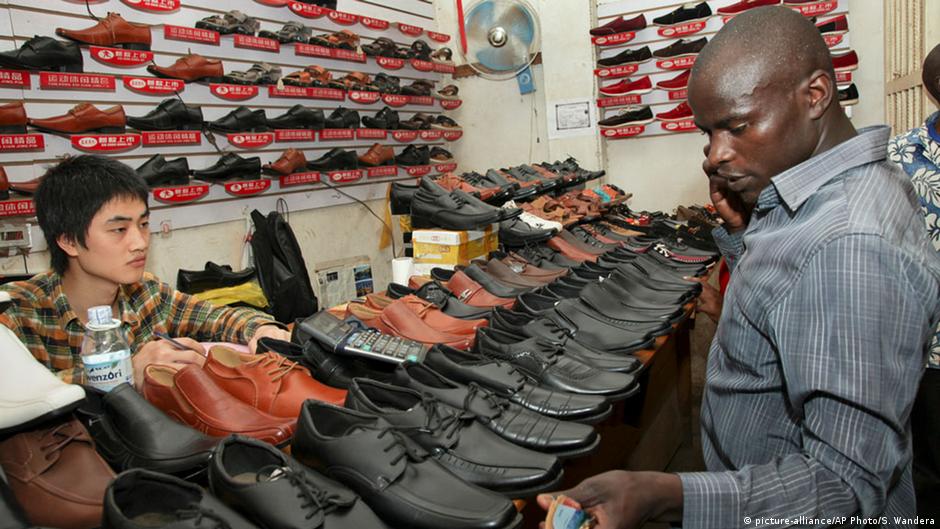
Kenyan authorities are moving in on some foreign nationals working in the country's informal economy after President William Ruto called for small-scale businesses focused on hawking and petty retail to be primarily reserved for Kenyan citizens.
asserted
businesses → move → citizens
"We have a bill in parliament [requiring] that there are some trading activities that foreigners can't do in Kenya," he explained, adding that foreign nationals should not come to Kenya to compete with citizens in business settings which need little capital.
asserted
which → have → capital
The government had announced that the enforcement of this law would begin on Monday, September 7 — and appears to have made good on its pledge.
asserted
enforcement → announce → pledge
Ruto framed the latest move as a protection measure for Kenya's economy, highlighting that the focus in the country's economic development should shift to foreign investors who bring capital, create jobs and contribute to local production.
"The investor confidence we have built is for investors, not traders and hawkers.
asserted
we → frame → investors
From next week, all traders doing those small businesses should close them," Ruto emphasized, highlighting also that there has been a step increase in informal traders from China in the country.
asserted
Ruto → do → country
Mixed reactions to a complex situation
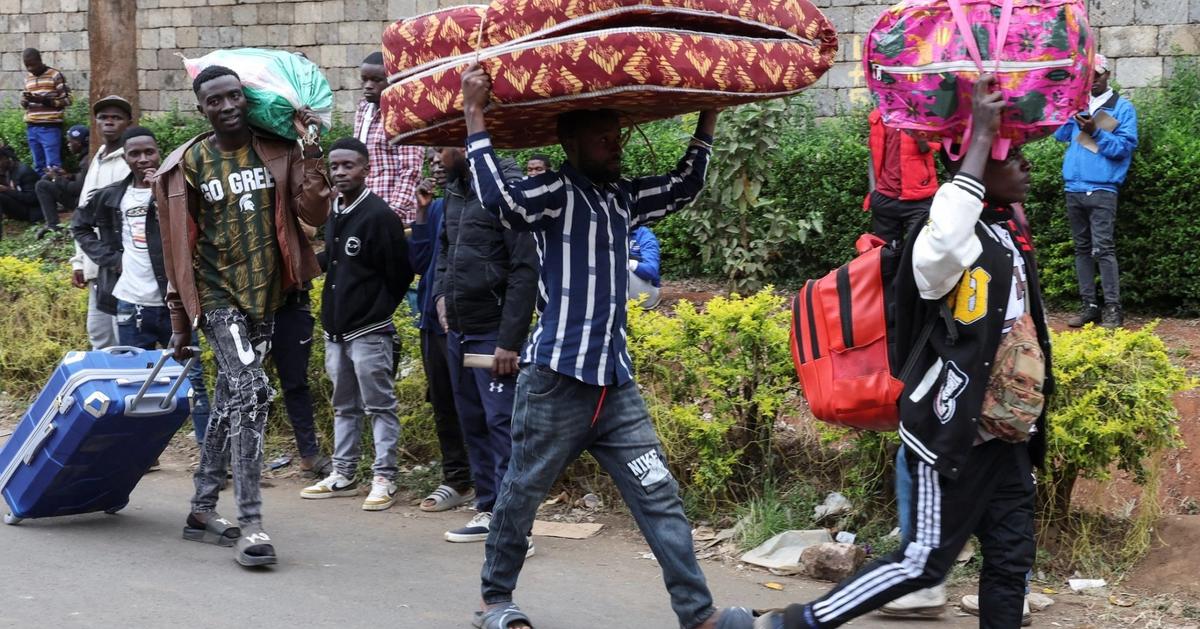
Reactions among Kenyans to these developments have been mixed; some welcomed the crackdown, arguing that foreign traders have been taking away job opportunities in a struggling economy.
"We have been suffering for long.
asserted
We → welcome → economy
Our jobs are taken," said Nairobi resident James Mwaurah, adding that many Kenyans are unemployed, competing with foreign workers who often are willing to work for lower wages.
asserted
who → take → wages
"We say thanks to the president for what he has done," Mwaurah added.
asserted
Mwaurah → say → what
Others meanwhile have expressed support for the government's initiative to enforce immigration laws and business regulations, but reject the idea of simply sending foreigners home.
asserted
Others → express → foreigners
"We accept to have foreigners in our country.
asserted
We → accept → country
Legally, we live with them very peacefully," another local resident, Babu Claudius, told DW on the streets of Nairobi.
asserted
resident → live → Nairobi
In his view, Kenya continues to need foreign workers as well as international business, warning that "chasing them away might scare investors."
Many Kenyans — including Claudius — however seem to agree on one thing: Foreign nationals "have to be here legally.
uncertain
nationals → continue → thing
There are some 17.4 million people who work in Kenya's informal sector, according to official numbers published in 2024; eight in ten of those workers engage in registered business dealings.
uncertain
ten → be → dealings
For many people, hawking or running a small shop in the informal economy — with or without papers — remains one of the few accessible ways to make a living — including foreigners in the country.
asserted
hawking → hawk → country
Kenya's mood ahead of elections
Political economist Sheila Owigo Olang says that there is little evidence suggesting "that if you were to kick out the traders, that would immediately result in Kenyan nationals having more opportunities."
asserted
nationals → say → opportunities
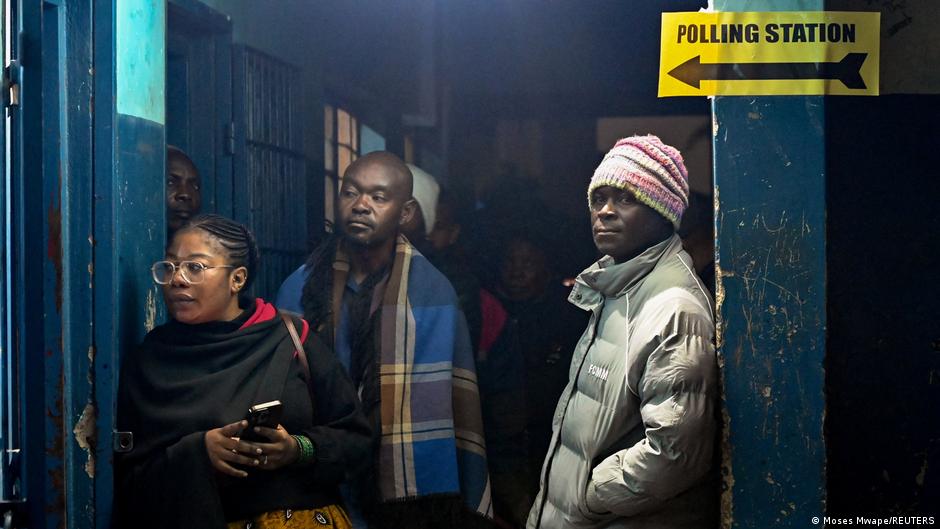
According to Olang, there may be other motivations at play, as the new policy appears to come at a "convenient" moment ahead of elections.
uncertain
policy → accord → elections
In her view, "a lot of it is also just populist," describing the current crackdown on foreign traders as a "feel good policy" ahead of the polls; she highlights that the policy could also serve as a message to external players at this moment: "Foreign investors coil back or they freeze or they wait until the election is finished."
uncertain
election → describe → moment
Olang argues that since Kenya wants to keep making itself more attractive to serious foreign investment, it should rather concentrate on tackling broader structural problems instead of focusing on smalltime foreign traders.
asserted
it → argue → traders
"We need to work on corruption.
asserted
We → need → corruption
We need to work on our Ease of Doing Business Index so that it's easy to invest within Kenya," she told DW.
asserted
she → need → DW
The East African country meanwhile attracted a record $3.2 billion (€2.75 billion) in foreign direct investment in 2025 — an increase of almost 38% compared the previous year, according to UNCTAD.
uncertain
country → attract → UNCTAD
Ruto remains keen to expand on this success story.
asserted
Ruto → remain → story
A wider push for local opportunities
One approach in Ruto's arsenal is the proposed Local Content Bill 2025, which is currently before parliament.
asserted
which → propose → parliament
The draft law would require foreign companies covered by the legislation to source at least 60% of certain goods and services locally.
asserted
companies → require → goods
Among other things, it would require at least 80% of their workforce to be Kenyan citizens.
But according to Olang, the measure would not address the roots of Kenya's unemployment crisis, in particular among the country's discontent youth:
The World Bank estimates the unemployment rate among Kenyans aged between 15 and 24 to stand at 15.25%, though local and regional organizations like the Federation of Kenya Employers often cite a much higher figure of roughly two-thirds of all young Kenyans being affected by unemployed and underemployment.
uncertain
thirds → require → unemployed
Who is actually affected by the policy?
asserted
Who → affect → policy
The government has not published a comprehensive list of businesses that will be affected by the crackdown, as it remains unclear how many foreign nationals could be impacted by the move.
uncertain
nationals → publish → move
Meanwhile, Kenya's Foreign Affairs Principal Secretary Abraham Korir Sing'oei emphasized that foreign nationals who meet all existing legal requirements, including holding the necessary work permits and licences, will remain legally protected to operate their businesses in the country.
asserted
who → emphasize → country
He said that Ruto's current initiative was direcly linked to the introduction of the Local Content Bill, and should not be regarded as a push to get rid of foreigners in the country.
asserted
initiative → say → country
Questions remain over the broader legality of the developments: Under the East African Community's Common Market rules, citizens of member states have the right to move and provide services across the region — though they have to comply with national licensing and other legal requirements.
asserted
they → remain → licensing
The debate has also resulted in comparisons being drawn to recent developments in South Africa, where widespread frustration over a sluggish economy has led to foreign-owned businesses and migrants repeatedly being targeted by anti-immigration campaigns this year.
asserted
businesses → result → campaigns
Kenya has not experienced anti-migrant violence on the scale seen in South Africa — yet.
asserted
Kenya → experience → Africa
 The Aporia