Iran is increasing attacks on ships passing through the Strait of Hormuz as a way to pressure the United States, according to the U.S. Navy. Despite these threats, energy exports are at pre-war levels, with most ships now transiting safely despite higher insurance costs and risks. The article argues that Iran's weakened position, due to reduced oil sales and severe inflation reaching 90%, is forcing Tehran towards diplomatic compromises rather than military confrontation.
Written locally by qwen2.5:14b on 2026-10-10,
using this article's own text rather than the other coverage of the
same event (that is the story summary below).
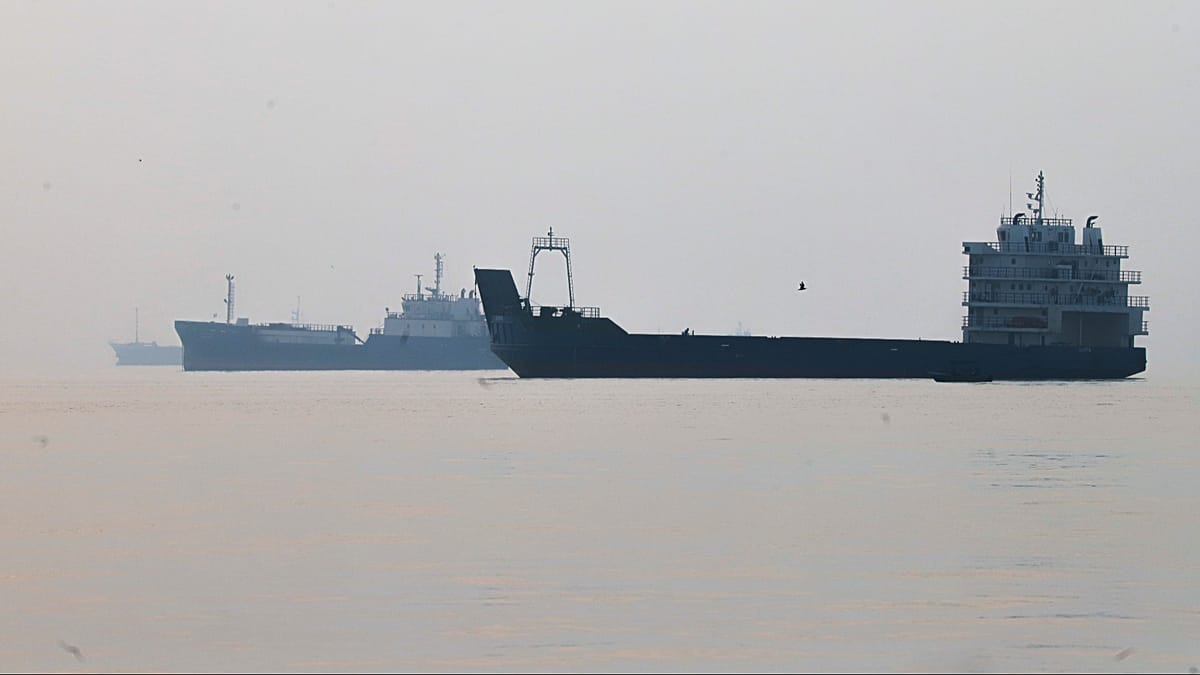
Desperate to undermine successful American efforts to reopen the Strait of Hormuz, Iran is escalating its attacks on ships transiting this vital energy chokepoint.
asserted
Iran → undermine → chokepoint
According to the U.S. Navy, just as energy exports through the strait have reached prewar levels, attacks in the strait are also occurring at their highest rate since the war began.
uncertain
war → accord → rate
It’s not surprising that Iran is lashing out.
asserted
Iran → ’ → ?
The Islamic Revolutionary Guard Corps’ ultra-hardliners, who are now the most influential group in Tehran, know that if they cannot keep holding the strait hostage, they won’t be able to squeeze concessions from the United States.
asserted
they → know → States
In other words, they know they’re losing this war.
asserted
they → know → war
To be sure, the situation in the Strait of Hormuz remains far from ideal.
asserted
situation → remain → ideal
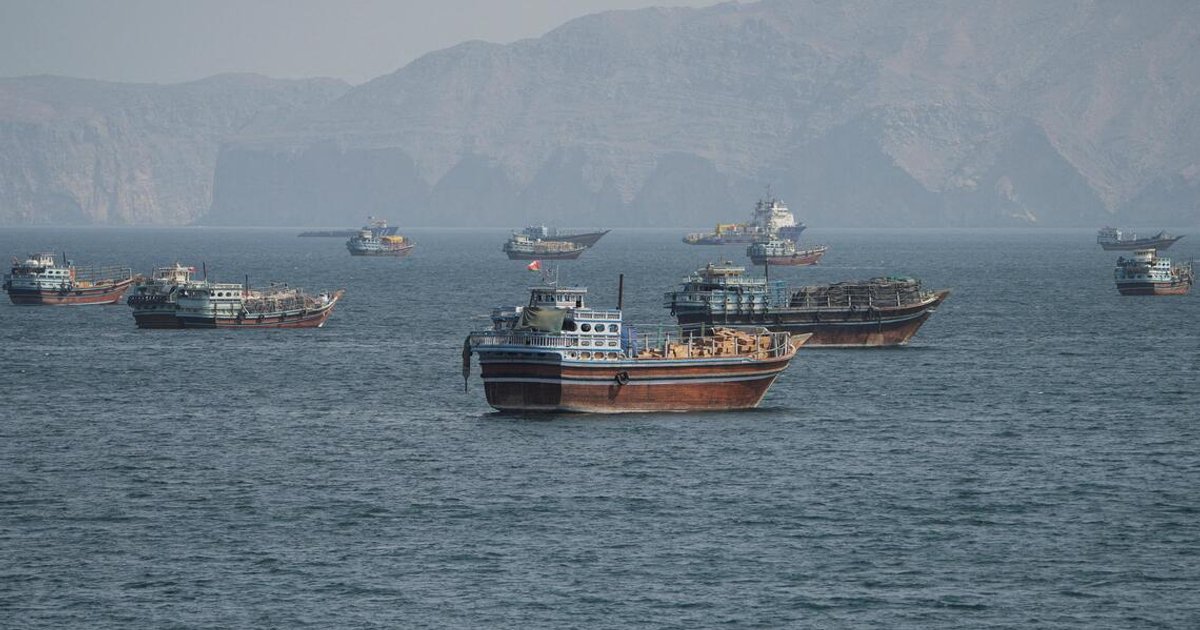
The U.S. Navy’s reopening effort centers on protecting a narrow area close to Oman’s coast.
asserted
effort → reopen → coast
Ships must make the dash through these waters into the Arabian Sea.
asserted
Ships → make → Sea
Such transits are fraught with complexity and risk, requiring higher insurance premiums and crew pay.
asserted
transits → require → premiums
This translates into higher oil prices than if Iran were to suspend attacks.
asserted
Iran → translate → attacks
Still, most vessels sailing through this corridor are now doing so without serious incident.
asserted
vessels → sail → incident
That’s good news.
asserted
That → ’ → ?
Restored energy flows may somewhat shield Republican candidates from public anger over high energy costs and inflation in the run-up to the midterm elections.
uncertain
flows → restore → elections
With further adaptation to the new Hormuz realities, shipping rates and energy costs will fall.
asserted
rates → fall → realities
Analysts expect oil prices to fall for the rest of this year, bringing relief at gas stations.
asserted
prices → expect → stations
Yet, by neutering Iran’s primary means of exerting pressure on the U.S. and the international community, the Navy is also making an end to the war more likely.
asserted
end → neuter → war
While oil is now flowing to the world from America’s Middle Eastern allies, very little is getting out of Iran.
asserted
little → flow → Iran
That’s due to a U.S. blockade that has seen Iranian energy vessels boarded and fired upon.
asserted
vessels → ’ → blockade
Iran has been forced to reduce oil and gas sales to what can be smuggled on small boats or overland.
asserted
what → force → boats
These alternatives cannot replace oil tankers, and Iran’s scant exports are imposing an economic and political crisis on the mullahs.
asserted
exports → replace → mullahs
Inflation is running at around 90%, with even higher rates on key goods such as food.
asserted
Inflation → run → food
If Iran sells the last of its oil reserves at sea, it will find itself unable to generate revenue and import basic goods.
asserted
itself → sell → goods
Cuts to public salaries already stretched to the breaking point by inflation are on the way.
asserted
Cuts → stretch → way
Iran will be able to shield salary payments to the security forces only temporarily.
asserted
Iran → shield → forces
The CIA’s analysis of Iran’s deteriorating economic situation will be music to the administration’s ears.
asserted
analysis → deteriorate → ears
This is not because the economic pain will cause civilian hardship, but because it will force hard-line Iranian officials to get real about diplomacy.
asserted
it → cause → diplomacy
It will make them choose between serious compromises and risking an uprising that brings together unpaid security personnel and an enraged public.
asserted
that → make → personnel
The U.S. will want to avoid state collapse in Iran to avoid a civil war, refugee crisis, security threats, and humanitarian catastrophe.
asserted
U.S. → want → war
But the Iranian regime will probably not risk self-destruction in resisting American pressure.
asserted
regime → risk → pressure
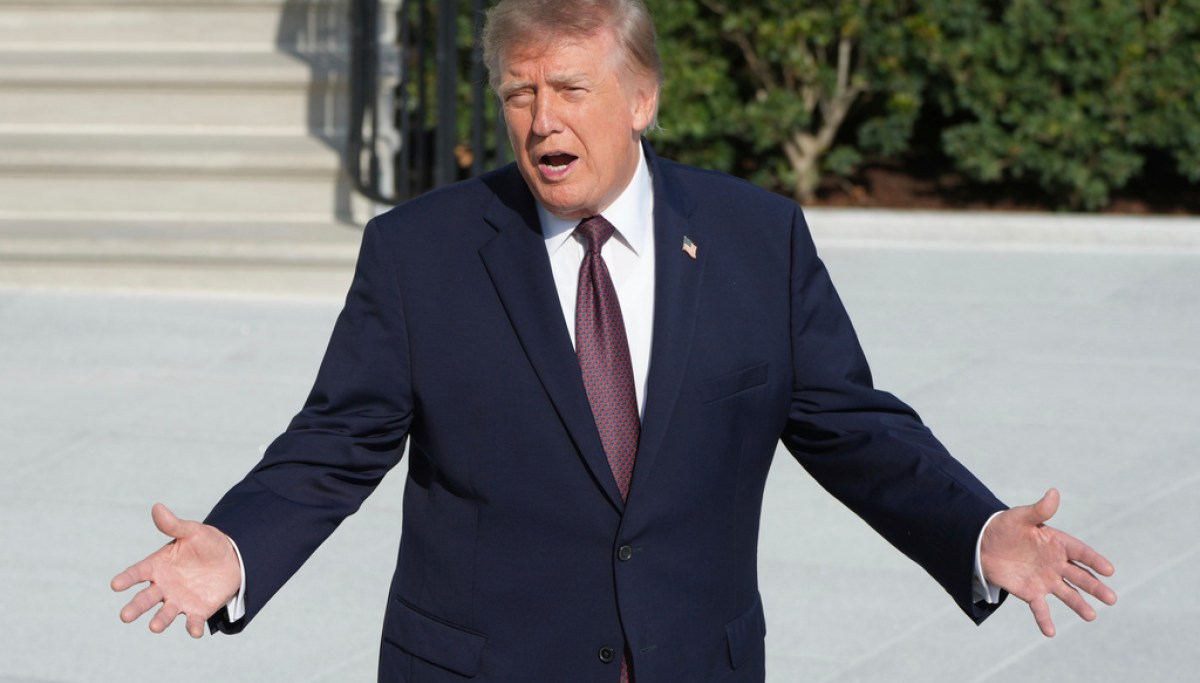
The president should force Tehran into a durable, verifiable agreement to end the war.
asserted
president → force → war
It should entail an end to Iranian nuclear enrichment, perhaps with an exception for a single, face-saving, low-purity enrichment facility monitored by the International Atomic Energy Agency.
asserted
It → entail → Agency
It should mean a vigorous protocol for snap inspections involving agency officers pre-positioned across Iran, with no facilities off-limits.
asserted
It → mean → limits
It should mean only limited sanctions relief, and only if and when Iran proves that it is complying.
asserted
it → mean → relief
And it should mean Trump’s promise to restore the naval blockade if Iran breaks its obligations.
asserted
Iran → mean → obligations
By recognizing the opportunity in Iran’s imploding economy, the U.S. can end this war with an agreement that addresses why it began: the need to put an enduring lid on Iran’s nuclear program.
asserted
it → recognize → program
 The Aporia