Governor Abigail Spanberger’s energy policies in Virginia are expected to increase electricity costs for ratepayers starting next year due to her decision to rejoin the Regional Greenhouse Gas Initiative, reversing former Governor Glenn Youngkin’s withdrawal from it. The article criticizes Spanberger’s plan for further regulation and mandates that prioritize reducing emissions over affordability, arguing that these measures will make energy more expensive in the long term and potentially drive businesses and families away to states with cheaper electricity costs.
Written locally by qwen2.5:14b on 2026-10-06,
using this article's own text rather than the other coverage of the
same event (that is the story summary below).
Story summary
In January, Gov. Abigail Spanberger (D-VA) directed Virginia to rejoin the Regional Greenhouse Gas Initiative, a multi-state program that requires fossil-fuel power plants to purchase allowances for their carbon dioxide emissions. Her predecessor, Republican Glenn Youngkin, had withdrawn Virginia from the initiative in 2024, which reportedly saved consumers almost $1 billion over two years. Spanberger officially rejoined the initiative in July, leading to concerns about increased electricity costs. According to testimony by Dominion Energy’s Robert Hines before the Virginia State Corporation Commission, ratepayers will see higher electricity bills starting next March due to a proposed surcharge, even before any rebates are applied. This move contradicts Spanberger's campaign promise to make Virginia more affordable for families.
Written for “Virginia Affordability Issues” on 2026-10-06,
grounded in this article and the 0 other(s) covering the same event.
Why this leaning score
The model judged this article politically coded and scored it -0.65, but every quote it verified points right, so the score is not published.
Written under an earlier scoring contract, which gave a paragraph
rather than checkable quotes. Re-analysing this article replaces it.
Leaning score withheld for article 59621: score contradicts its own evidence · logged 2026-10-06
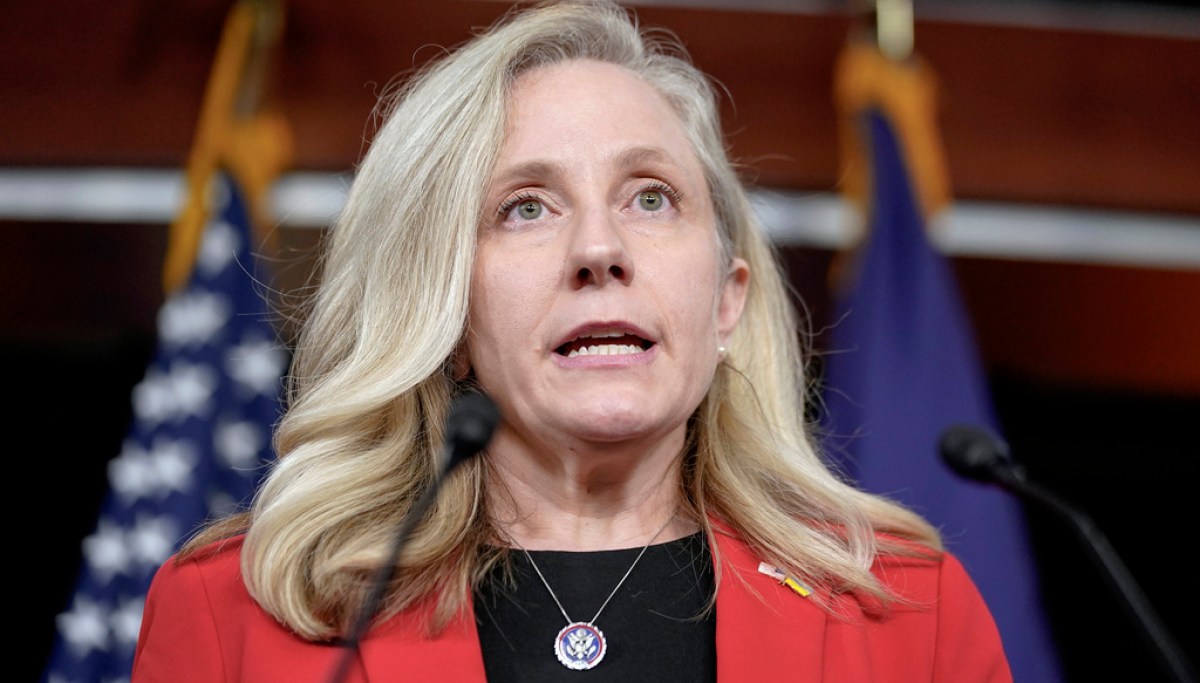
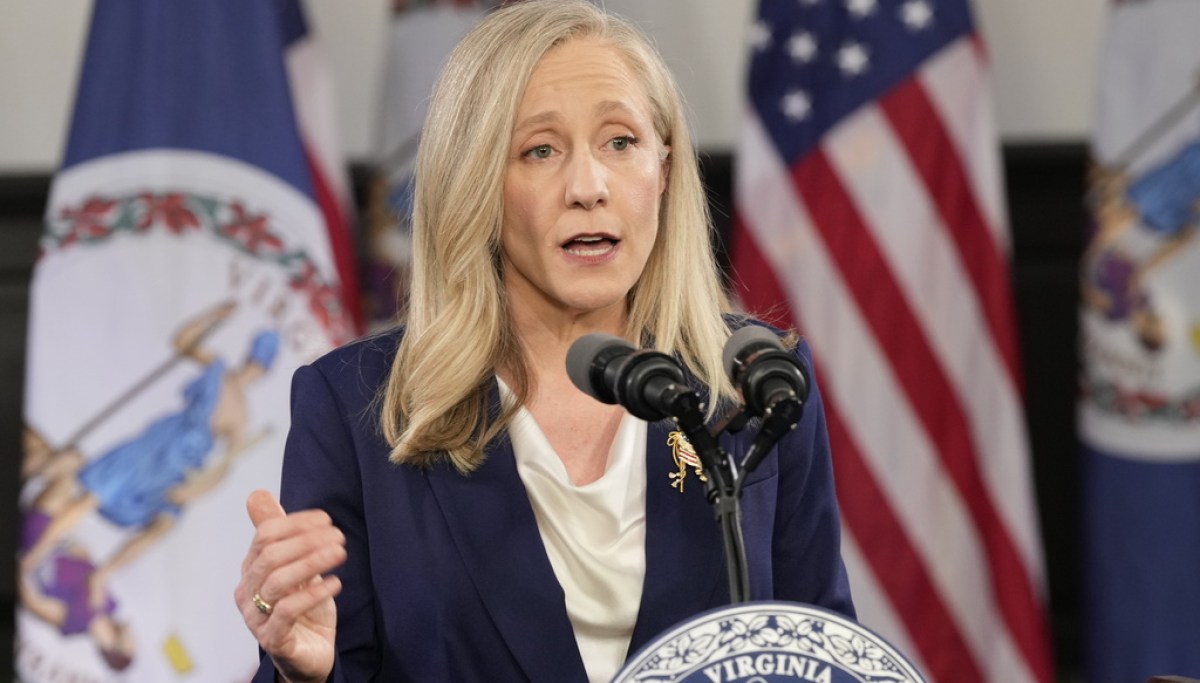
Gov. Abigail Spanberger (D-VA) campaigned as a centrist who promised to make Virginia more affordable for families.
asserted
Virginia → campaign → families
But her existing energy policies are poised to make electricity more expensive for ratepayers next year, and the full energy plan she released last week would make energy more expensive for decades to come.
asserted
energy → exist → decades
Shortly after taking office in January, Spanberger announced to the General Assembly that she would direct the commonwealth to rejoin the Regional Greenhouse Gas Initiative, a multi-state cap-and-trade program that requires fossil-fuel power plants to buy allowances for their carbon dioxide emissions.
asserted
that → take → emissions
Her Republican predecessor, former Gov. Glenn Youngkin, withdrew Virginia from the program in 2024, and his administration estimated that the decision saved consumers almost $1 billion over two years.
asserted
decision → withdraw → years
Under Spanberger’s direction, Virginia officially rejoined the initiative this July.
asserted
Virginia → rejoin → initiative
Dominion Energy’s director of regulation, Robert Hines, has testified to the Virginia State Corporation Commission that the proposed surcharge would increase ratepayers’ electricity bills beginning next March, before separate rebates.
asserted
surcharge → testify → rebates
So much for Spanberger making Virginia more affordable.
asserted
Virginia → make → ?
Worse, last week Spanberger released her energy plan, which is chock-full of additional regulations, fees, and mandates that, if enacted, would continue to make the state’s energy even more expensive.
asserted
energy → release → regulations
The plan locks Virginia into clean-energy mandates that force utilities to prioritize cutting emissions over keeping electricity affordable.
asserted
that → lock → electricity
It also promotes ratepayer-funded efficiency programs and electrification incentives.
asserted
It → promote → programs
Home upgrades may save recipients money, but everyone else helps pay for them through their electricity bills.
uncertain
everyone → save → bills
Spanberger also wants to raise or eliminate the cap on net metering, allowing more solar customers to receive credits for power supplied to the grid, a policy that has contributed to higher rates in California.
asserted
that → want → California
Spanberger would limit data centers’ ability to build their own natural gas power plants, leaving them more dependent on utilities to supply electricity.
asserted
Spanberger → limit → electricity
She would also require utilities and regulators to evaluate zero-carbon alternatives before committing to long-lived fossil-fuel plants.
asserted
She → require → plants
Virginia needs more power, but her plan makes adding it more difficult.
asserted
adding → need → it
She would place another condition on new gas pipelines: Existing infrastructure must first be shown to be unable to meet demand reliably and cost-effectively.
asserted
infrastructure → place → demand
Making it harder to build power plants and deliver their fuel will hardly help Virginia keep electricity affordable.
asserted
Virginia → make → electricity
Virginia’s proximity to Washington, D.C., gives it an economic advantage, but businesses and families do not have to stay regardless of the cost.
asserted
businesses → give → cost
If Spanberger makes electricity more expensive, competing states such as North Carolina, South Carolina, Georgia, and Florida will welcome the investment and jobs Virginia loses.
asserted
Virginia → make → investment
The biggest losers will be Virginia families just trying to make ends meet.
asserted
ends → try → ?
 The Aporia