Tanker risks in the Strait of Hormuz are increasing due to Iran's threats to block unauthorized routes, leading to more attacks and intimidation against vessels trying to pass through. Last week saw the highest number of attacks since the conflict began, reducing tanker traffic to its lowest point in two months. Iran’s Revolutionary Guards plan to use missile and drone attacks or small boats to scare off ships attempting to navigate alternative routes, according to a senior regional official close to Tehran.
Written locally by qwen2.5:14b on 2026-10-08,
using this article's own text rather than the other coverage of the
same event (that is the story summary below).
Story summary
Iran has warned it will block shipping routes through the Strait of Hormuz that it hasn’t authorized, increasing risks for tankers transporting critical shipments. Last week saw the highest number of attacks on tankers in the region since the start of the conflict with Iran, resulting in a significant decline—more than two months’ lowest—in vessels attempting to navigate through the strait. According to sources close to Tehran, both political leaders and the Revolutionary Guards have agreed on this plan as part of their strategy to maintain control over the strategic waterway. A senior diplomat briefed by Tehran emphasized that Iran plans to use missile, drone attacks, or small boats to intimidate ships away from unauthorized routes, implementing what is described as a "policy of fear and threats."
Written for “Iran Threatens Strait Of Hormuz” on 2026-10-08,
grounded in this article and the 0 other(s) covering the same event.
Why this leaning score
The model judged this article politically coded and scored it +0.35, but all 3 of its quote(s) are attributed speech - words the article quotes from someone, not the article's own narration, so the score is not published.
Written under an earlier scoring contract, which gave a paragraph
rather than checkable quotes. Re-analysing this article replaces it.
Leaning score withheld for article 65797: attributed speech only · logged 2026-10-08
Attack risks rise for tankers as Iran vows to block more Hormuz routes
AI generated
asserted
Iran → rise → routes
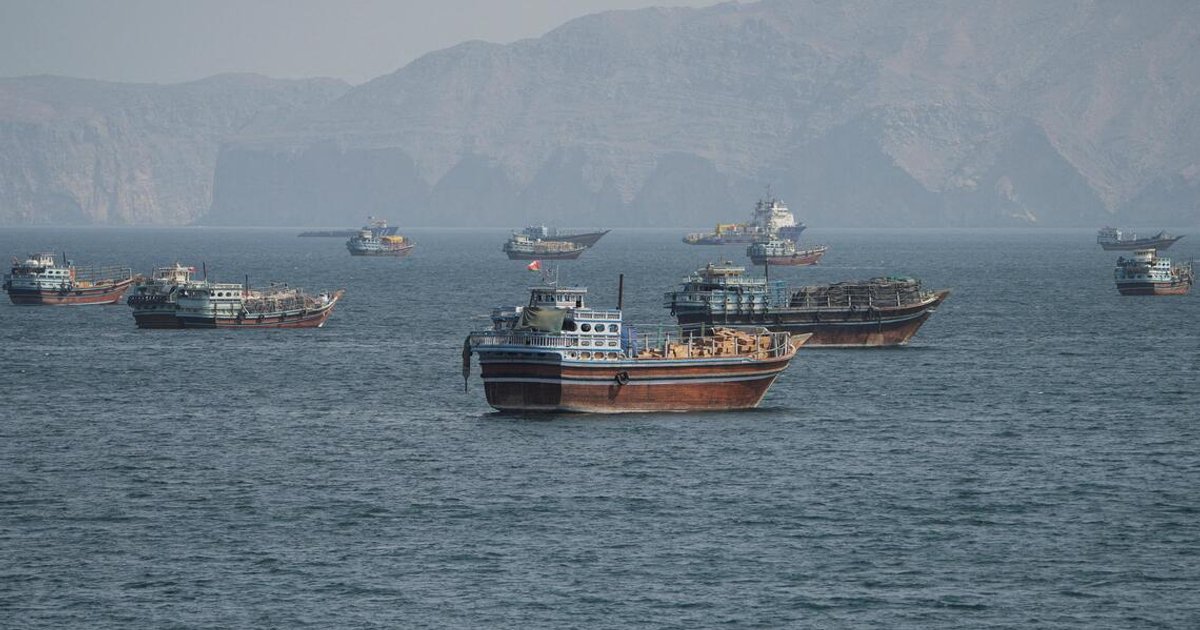
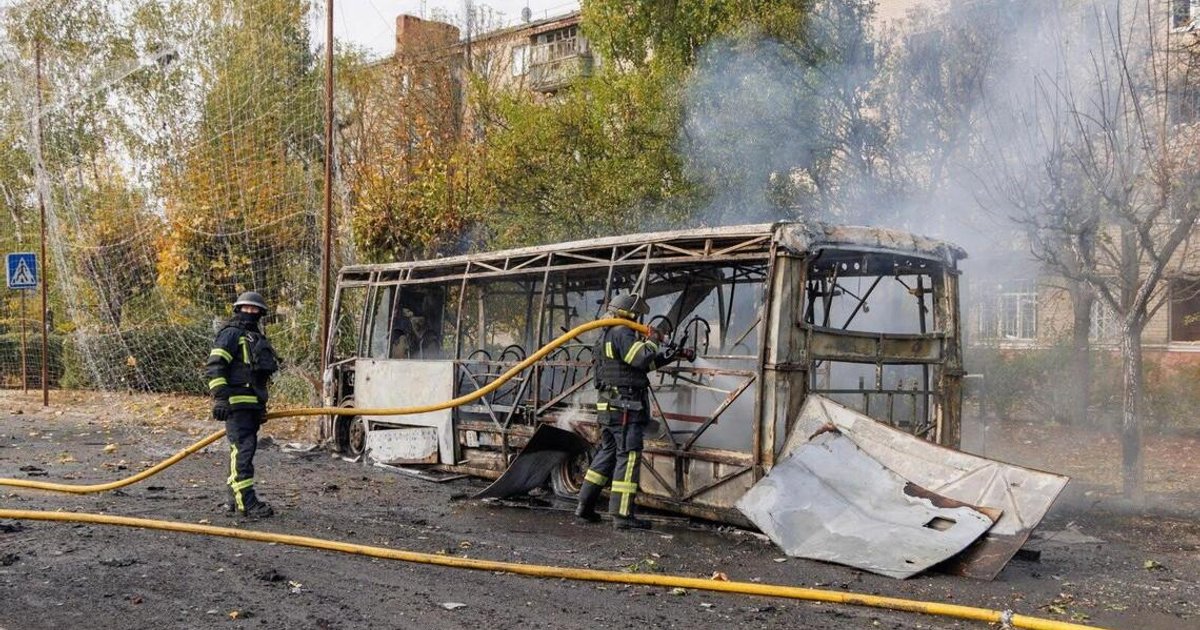
– Tankers are facing a higher risk of attacks and intimidation as they try to get critical shipments through the Strait of Hormuz after Iran issued new warnings it would block routes that it has not authorised, sources said.
asserted
sources → face → that
Last week already saw the biggest number of attacks on tankers in the key waterway since the Iran war began – cutting the number of vessels trying to get through to the lowest in more than two months.
asserted
war → see → months
Iran has now warned regional countries that any attempt to open new routes for oil exports would be considered hostile, a senior regional official close to Tehran told Reuters.
asserted
official → warn → Reuters
It was part of a plan agreed by both Iran’s political leaders and its Revolutionary Guards, the official added.
asserted
official → agree → leaders
“Iran has absolutely no intention of allowing control of the Strait of Hormuz to slip from its hands and has plans ready to block routes that some regional countries have for exporting oil,” a senior diplomat in the region briefed by Tehran told Reuters separately.
asserted
diplomat → have → Reuters
“This could involve missile and drone attacks on ships, or sending boats to scare ships away,” the diplomat added.
uncertain
diplomat → involve → ships
“It plans to continue this policy of fear and threats,” he said.
asserted
he → plan → fear
In recent months, Gulf oil producers have rushed shipments of oil through channels that hug the Omani side of the strait before transferring the oil in open waters in the Gulf of Oman with aerial support from the US, sources said.
asserted
sources → rush → US
In the latest incident in the past 24 hours, projectiles struck a tanker some 51 nautical miles off the coast of Qatar inside the Gulf, British navy agency UKMTO reported.
asserted
UKMTO → strike → Gulf
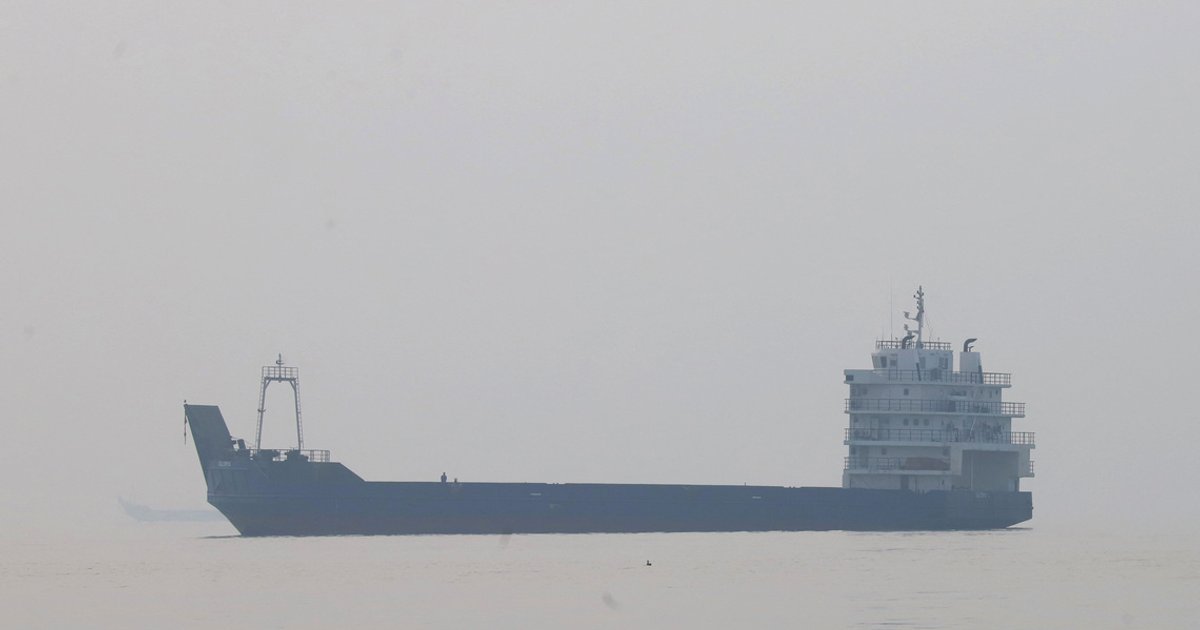
Maritime security sources said the Antigua and Barbuda-flagged chemical tanker Acers had been hit by multiple projectiles north of Qatar’s Madinat ash Shamal, with minor injuries sustained by its crew.
asserted
tanker → say → crew
“The Acers strike raises the prospect of a wider combat area affecting approaches to Qatar, Bahrain, Saudi Arabia, Kuwait and Iraq,” maritime risk intelligence group Pole Star Global’s subsidiary Clearwater Dynamics said in a report on Oct 8.
asserted
subsidiary → raise → Oct
The vessel’s operator, listed in shipping databases as Antigua and Barbuda-based Valvoria Shipping, could not be reached for comment.
uncertain
operator → list → comment
“The recent spate of Iranian attacks seems to have dampened the appetite of shipowners to sail through the Strait,” said Jakob Larsen, chief safety & security officer at shipping association BIMCO.
“The Iranian threat appears to have increased.”
asserted
threat → seem → BIMCO
‘War at sea does not remain at sea’
asserted
War → remain → sea
US President Donald Trump is weighing next steps against Iran, including whether to escalate strikes before or after the November midterm elections, which will decide control of Congress, as he presses a naval blockade meant to pile economic pressure on Tehran to reach a deal to end the conflict.
asserted
he → weigh → conflict
The war – and its US$3 billion (S$3.85 billion) monthly price tag – has become a key issue on the campaign trail.
asserted
war → become → trail
Governments and energy companies have drawn oil from stockpiles to alleviate pressure in a global oil market facing unprecedented supply disruptions in 2026, also caused by the war in Ukraine.
asserted
Governments → draw → Ukraine
The amount of oil in storage that is accessible to the global market is running low, industry executives said at a forum in London this week, making the market more fragile and putting upward pressure on prices.
asserted
market → run → prices
The impact of the crisis was increasingly rippling across the global economy.
asserted
impact → ripple → economy
Danish shipping group Maersk said on Oct 8 it was increasing its emergency fuel surcharge on inland transportation in the UK and Ireland due to the ongoing conflict in the Middle East.
asserted
it → say → East
“There is no going back to the old world, no harbouring back to the stability and the prosperity of the last several decades,” Major-General Paul Maynard, assistant chief of the naval staff with Britain’s Royal Navy, told a UK Chamber of Shipping Riviera conference in London this week.
asserted
Maynard → be → London
“A war at sea does not remain at sea.”
asserted
war → remain → sea
 The Aporia