Hormuz ship attacks surge: Are increased oil exports sustainable?

Read the original at Al Jazeera ↗
Al Jazeera · collected 2026-10-06 · by Usaid Siddiqui

Quick Summary

Oil exports from the Gulf have increased significantly despite a rise in attacks on ships around the Strait of Hormuz. According to maritime intelligence firm Kpler, Gulf oil flows excluding Iran recovered to more than 81 percent of pre-war levels in September. However, shipping companies face higher costs due to security concerns and recent incidents include an attack on a Panama-flagged tanker that injured 12 crew members. At least seven attacks involving tankers have been reported over the past week, impacting maritime safety while oil continues to flow through one of the world’s most critical energy corridors.
Written locally by qwen2.5:14b on 2026-10-06, using this article's own text rather than the other coverage of the same event (that is the story summary below).

AI analysis runs on qwen2.5:14b, locally

Story summary

Crude oil exports from West Asia exceeded pre-war levels in four out of seven days at the end of September 2026, according to provisional data from ship-tracking firm Kpler. Despite ongoing tanker attacks, including one incident involving an unknown projectile hitting a large crude carrier (VLCC) named Kazimah III near the Strait of Hormuz on October 1st, which caused onboard fires and injuries to crew members. Before the war started in February 2026 between the U.S.-Israeli coalition and Iran, the region's exports averaged about 18 million barrels per day (bpd). During September, however, Kpler recorded peak daily export volumes ranging from 19.5 million bpd to 22.5 million bpd. This resurgence comes despite claims by senior Islamic Revolutionary Guard Corps commander Ali Fadavi that only 3-4 million bpd are currently moving through the route compared to pre-war traffic, dismissing this amount as "negligible." The increase is attributed partly to increased ship-to-ship transfers reducing risks of Iranian missile or drone strikes.

Written for “Oil Exports Amid Attacks” on 2026-10-06, grounded in this article and the 4 other(s) covering the same event.
Why this leaning score
The article's own words the score was based on. Each is quoted verbatim and was checked against the article text before being stored, so you can find it in the original.
Reading Leans right (beta estimate) Confidence high
Leaning: leans right for article 60291 (high confidence, 2 verified quotes) · logged 2026-10-06

Signals How these are calculated →

Claims extracted
42
claim-shaped sentences
Uncertain
24%
10 of 42 hedged
Leaning
Leans right
of the writing, not the subject · beta estimate
Correction & hedging signals
60.3
corrections and hedging in what we collected; not a measure of accuracy
Outlets on this story
5
Economy/Business
Narrative spread
1
articles carrying this framing
Analyzed 2026-10-06 · how these are computed

Story

📰 Oil Exports Amid Attacks
Economy/Business · 5 article(s) covering the same event. See how they differ ↓

How this is being covered How these are calculated →

Article leaning vs. publisher reliability
Source leaning vs. consistency

Compared with similar articles

This article reads leans right and hedges 24% of its claims. Each row says how that neighbour differs.
Dawn
⚖️ leaning not scored 🔴 11% hedged 3 of 27 📰 publisher trust 77
“Article A reports on President Trump's rejection of Iran's offer to reopen the Strait of Hormuz, while Article B discusses a surge in ship attacks around the Strait and the resumption of oil exports despite these attacks.”
The Sydney Morning Herald
⚖️ Leans right 🔴 27% hedged 7 of 26 📰 publisher trust 61
“The articles discuss different aspects of the economic and military situation in the Middle East, with Article A focusing on the financial impact on Australia's gas industry and Article B discussing oil exports and ship attacks around the Strait of Hormuz.”
Times of India
⚖️ leaning not scored 🔴 33% hedged 1 of 3 📰 publisher trust 59
“While both articles discuss oil shipments and attacks around Hormuz, they describe different time periods and outcomes.”
The Hindu
⚖️ leaning not scored 🔴 0% hedged 0 of 4 📰 publisher trust 60
“The articles discuss different aspects related to the Strait of Hormuz; Article A focuses on Iran's conditions for reopening it, while Article B reports on increased oil exports and ship attacks around the strait.”
Semafor
⚖️ Centre further left than this 🔴 0% hedged 0 of 3 📰 publisher trust 95
“Article A describes a military campaign launched by Yemen's government forces, while Article B focuses on the increase in oil exports and ship attacks around the Strait of Hormuz. These are different specific events.”
New York Post
⚖️ leaning not scored 🔴 9% hedged 2 of 23 📰 publisher trust 64
“Both articles discuss Gulf oil exports surpassing pre-war levels in September and highlight security threats to ships transiting the Strait of Hormuz, referencing similar data from Kpler.”
Semafor
⚖️ Leans right 🔴 25% hedged 1 of 4 📰 publisher trust 95
“The articles describe different events, one concerning Saudi-backed Yemeni forces expelling Houthis near the Bab el-Mandeb Strait and another about oil exports and ship attacks around the Strait of Hormuz.”
Daily Mail
⚖️ leaning not scored 🔴 7% hedged 3 of 41 📰 publisher trust 65
“The articles describe different aspects of the situation around the Strait of Hormuz, with Article A focusing on Iran's threats to keep it closed and G7's response, while Article B discusses resumed oil exports despite ship attacks.”
The Hindu
⚖️ leaning not scored 🔴 21% hedged 4 of 19 📰 publisher trust 60
“The articles cover similar topics but discuss different time periods and levels of detail regarding oil exports and tanker attacks.”
Al Jazeera
⚖️ Leans right 🔴 22% hedged 9 of 41 📰 publisher trust 60
“While both articles discuss the resumption of oil exports through the Strait of Hormuz despite ongoing tensions, they describe different aspects and timeframes.”

Publisher

Al Jazeera · 2254 article(s) · 2 correction(s) detected
Running correction rate · 2 correction(s)
2026-10-03
Tennessee prisons official resigns after Christa Pike’s failed US execution
2026-09-30
Indonesia suspends five officials over luxury apartments for inmates

Who wrote this

Usaid Siddiqui
7 article(s) here · 1 carrying a prediction
🔮 Varga said current flows could be maintained as long as those methods and routes remain secure.
🔮 Gulf countries, she suggested, may be paying Iran to allow their oil through – potentially handing Tehran a significant portion of the value of the cargo.
🔮 Sami Abu Shehadeh, the leader of the Balad party, withdrew his candidacy after the Supreme Court warned he could be disqualified from the race.
🔮 As Iran and the United States work with mediators to end seven months of hostilities, the reality in the Strait of Hormuz is shifting in ways that could prove to be a game-changer in ongoing negotiations.
🔮 The proposal, effectively an “AI hotline”, was discussed on Sunday during talks in New York between US Treasury Secretary Scott Bessent and Chinese Vice Premier He Lifeng, ahead of a summit between US President Donald Trump and Chinese President Xi Jinping in Washington this week. Recommended Stories list of 3 items- list 1 of 3Doomsday AI: panic, regulation and the China fear - list 2 of 3Australia seeks big tech support for internet safety, AI regulation - list 3 of 3Trump says he will create ‘AI Force’ with new ‘AI czar’ The two leaders are expected to consider establishing a broader US-China dialogue on AI, including the proposed notification system, around which details remain limited.
🔮 “Let’s see if a hike could open SOH or produce a single barrel,” he wrote, referring to interest rate hikes and the Strait of Hormuz, a crucial waterway Iran has effectively blocked for global shipping.
🔮 Saudi Arabia will always support diplomatic solutions, but the kingdom will never hesitate to defend itself and its interests.
Also by Usaid Siddiqui
Nothing else under this byline is closely related to this article, so these are simply their most recent.
All 7 articles by Usaid Siddiqui →

Topics

Hormuz Iran Kpler Oman UKMTO

Subjects

Iran GPE · 9× Hormuz GPE · 3× Kpler ORG · 3× Oman GPE · 2× UKMTO ORG · 2× Washington GPE · 2× 3US GPE · 1× Democrats NORP · 1× Trump PERSON · 1× Ukraine GPE · 1×

Narrative

Recommended Stories list of 3 items- list 1 of 3Is Iran charging a toll to allow oil traffic through Hormuz? - list 2 of 3US pulls bombers from UK base: Is Iran manoeuvring Trump’s war plans? - list 3 of 3Trump blames Democrats and Ukraine for soaring US fuel prices, not Iran war However, the recovery has come as attacks on tankers increase and shipping companies face higher freight, insurance and security costs. On Tuesday, 12 crew members on a Panama-flagged tanker were injured in an attack by an unknown projectile while crossing the Strait of Hormuz, India’s Ministry of Foreign Affairs said in a statement.
framing: mixed · carried by 1 article(s) · first seen 2026-10-06
🔮 Varga said current flows could be maintained as long as those methods and routes remain secure.
2026-10-06 · Al Jazeera
Hormuz ship attacks surge: Are increased oil exports sustainable? · mixed framing

Claims (42 extracted, 10 hedged)

Oil exports from the Gulf have resumed significantly in recent days, despite a surge in attacks on ships around the Strait of Hormuz, maritime experts and trackers say. asserted
experts → resume → Hormuz
Gulf oil flows, excluding Iran, recovered to more than 81 percent of pre-war levels in September, while crude exports from the wider Middle East exceeded pre-war levels on 14 days during the month, maritime intelligence firm Kpler reported. asserted
Kpler → exclude → month
Recommended Stories list of 3 items- list 1 of 3Is Iran charging a toll to allow oil traffic through Hormuz? - list 2 of 3US pulls bombers from UK base: Is Iran manoeuvring Trump’s war plans? - list 3 of 3Trump blames Democrats and Ukraine for soaring US fuel prices, not Iran war However, the recovery has come as attacks on tankers increase and shipping companies face higher freight, insurance and security costs. On Tuesday, 12 crew members on a Panama-flagged tanker were injured in an attack by an unknown projectile while crossing the Strait of Hormuz, India’s Ministry of Foreign Affairs said in a statement. asserted
Ministry → charge → statement
Before the US-Israel war on Iran began on February 28, the Strait of Hormuz typically handled about 125 large commercial vessels a day and shipments through it accounted for about 20 percent of global crude and liquefied natural gas supplies. asserted
shipments → begin → supplies
In retaliation for US-Israeli attacks, Iran effectively closed the strait, while Washington has maintained a blockade on Iranian ports. asserted
Washington → close → ports
So, how are ships getting through the strait, and how long can producers maintain the increased flow through one of the world’s most important energy corridors while attacks and harassment of ships continue? asserted
attacks → get → ships
What do we know about the recent attacks on ships? The security situation in the Strait of Hormuz has continued to deteriorate even as more oil moves out of the region. asserted
oil → know → region
At least seven incidents involving tankers have been reported in the past week, according to shipping intelligence service Marisks. uncertain
incidents → involve → Marisks
The Kuwaiti-flagged Very Large Crude Carrier (VLCC) MT Kazimah III caught fire after being struck on October 1 while travelling through the strait, causing a fire on board. asserted
Carrier → flag → board
Five staff were safely rescued following the incident. asserted
staff → rescue → incident
On October 4, the Liberian-flagged Aframax tanker Lipsi was struck northeast of Oman’s Jazirat Umm al-Fayarin, damaging its engine room, with no casualties reported. asserted
casualties → flag → room
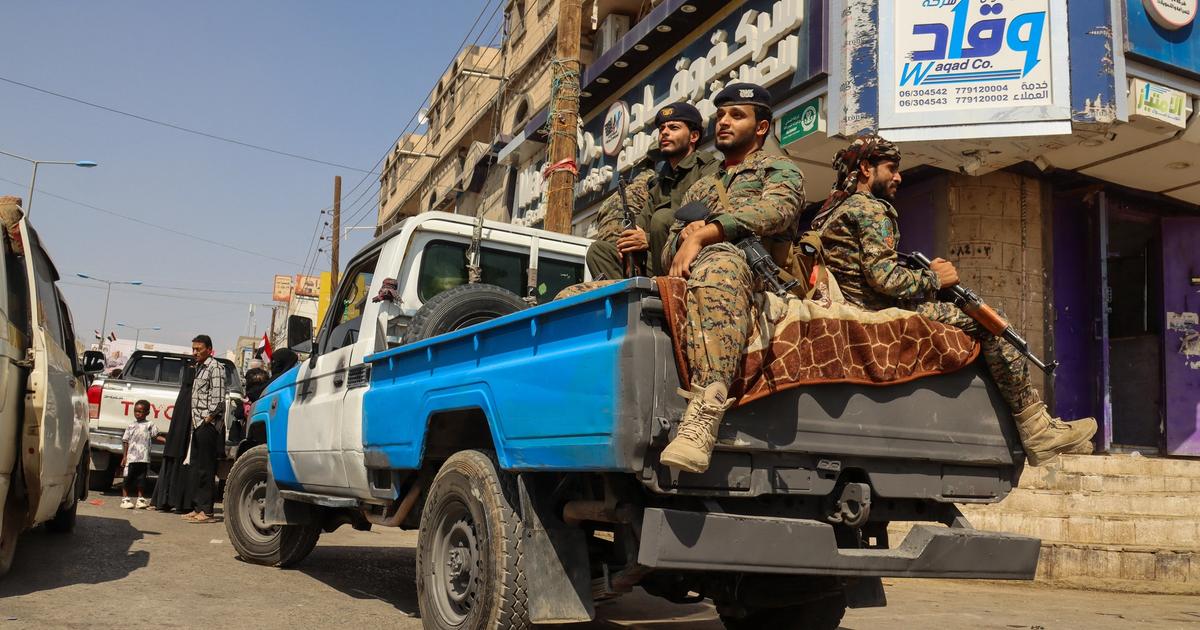
The United Kingdom Maritime Trade Operations (UKMTO) agency has reported at least one attack a day in the Strait of Hormuz or the Gulf of Aden, where Iran-backed Houthis are targeting Saudi-linked shipping, since October 2. asserted
Houthis → report → October
Threats continued on Monday, when a tanker entering the Hormuz strait near Oman was hailed by Iran’s Islamic Revolutionary Guard Corps (IRGC) and ordered to turn around or risk attack, according to UKMTO. uncertain
tanker → continue → UKMTO
How much oil is getting through the Hormuz Strait? asserted
oil → get → Strait
Despite those attacks, oil exports from the region have risen dramatically. asserted
exports → rise → region
According to provisional data from Kpler, the seven-day moving average for Middle East crude exports reached 18.3 million barrels per day (bpd) on September 30, compared with an average of about 18 million bpd during the 12 months before the war. uncertain
average → accord → war
Vortexa separately estimated that the 14-day moving average for Middle East crude and condensate exports had reached 18.6 million bpd. asserted
average → estimate → bpd
However, not all of that oil is actually being shipped through Hormuz. asserted
all → ship → Hormuz
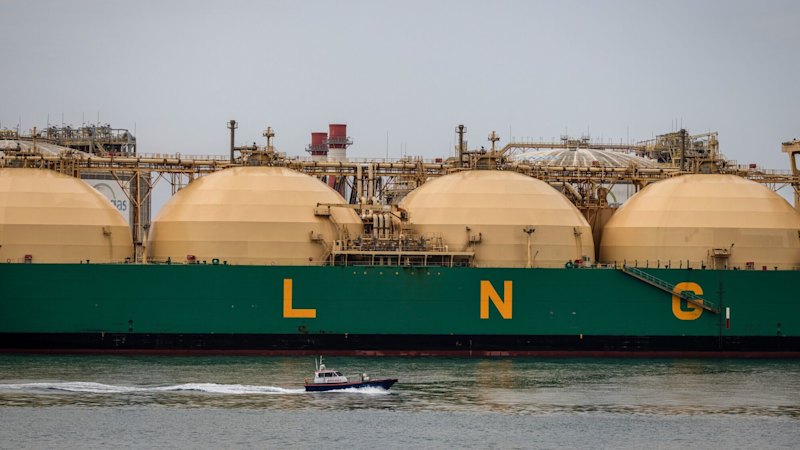
Kpler estimates that about 40 percent of oil exports now bypass the strait, while much of the crude that does cross is transferred between tankers offshore. asserted
that → estimate → tankers
Partly as a result of the increased oil exports, oil prices continue to fall, with Brent crude – the global benchmark – dropping 0.75 percent to $99.57 a barrel on Tuesday. asserted
crude → increase → Tuesday
US West Texas Intermediate crude also fell 1.2 percent to $88.37 a barrel, according to data from Oilprice.com. uncertain
crude → fall → Oilprice.com
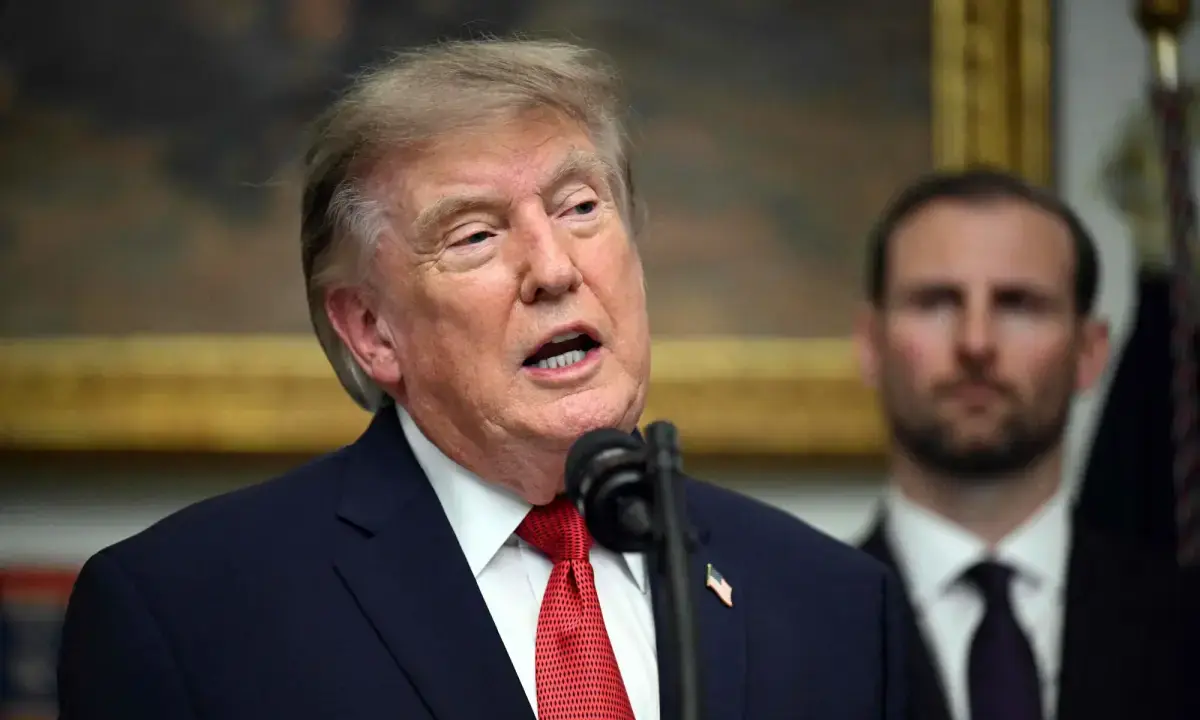
US President Donald Trump has repeatedly taken credit for the apparent increase in oil flows, boasting that Washington controls the strait and that US forces were succeeding in protecting vessels passing through Hormuz. asserted
forces → take → Hormuz
Iran has disputed claims that oil flow through the key waterway has increased, saying the amount passing was “negligible” and that it still has effective control of the strait. uncertain
it → dispute → strait
How are oil exports bypassing Hormuz? asserted
exports → bypass → Hormuz
The recovery of oil exports has been made possible largely by Saudi Arabia’s use of alternative export infrastructure and an increasingly complex system for moving crude around Hormuz. “The increasing availability of crude oil from the Middle East is due to two factors: the effective use of the East-West pipeline by Saudi Arabia and ship-to-ship transfer around the Strait of Hormuz,” Tamas Varga, an analyst at PVM Oil Associates, told Al Jazeera. asserted
Varga → make → Jazeera
Saudi’s East-West pipeline carries oil from fields in the east of the country to the Yanbu port on the Red Sea in the West. asserted
pipeline → carry → West
Ship-to-ship transfers happen when smaller shuttle boats, which often turn off their transponders to make them hard to detect, physically transport oil through the Strait of Hormuz, before offloading their cargoes onto larger tankers waiting just beyond it. asserted
them → happen → it
Varga said current flows could be maintained as long as those methods and routes remain secure. uncertain
methods → say → ?
Saudi’s East-West pipeline has already suffered temporary closures as a result of drone strikes, such as those launched by Iran-backed groups in Iraq in September. asserted
pipeline → suffer → September
“The flow will be sustainable unless attacks on ships and shipping lanes or on the pipeline resume, something that does not seem imminent at the moment but could happen at any time if geopolitical tensions flare up,” he said. uncertain
he → resume → time
But maintaining those flows is also putting pressure on the shipping system. asserted
maintaining → maintain → system
“The shuttle system in the Gulf is doing wonders in getting oil out, but it requires plenty of ships,” Chris Beauchamp, chief market analyst at IG Group, told Al Jazeera. asserted
Beauchamp → do → Jazeera
That demand has pushed freight costs higher and reduced tanker availability elsewhere, while Asian buyers are increasingly having to source crude from further afield, he added. asserted
he → push → crude
“Previously a supply story, this is now one about the underlying mechanics of shipping,” Beauchamp said. asserted
Beauchamp → underlie → shipping
“Ships don’t get built overnight.” asserted
Ships → build → ?
Varga said oil prices also remain comparatively high – currently hovering just less than $100 a barrel compared with around $72 before the war broke out – because of increased shipping and insurance costs. asserted
war → say → costs
Last week, members of the Group of Seven (G7) announced they would release up to 100 million barrels of strategic oil reserves, including diesel, in a bid to control prices. asserted
they → announce → prices
Further releases of crude and diesel from strategic reserves could also ease prices, but with global inventories already thin, another deterioration in Middle East security could quickly push them higher again. uncertain
deterioration → ease → them
“Only a sustainable and credible peace deal between the US and Iran and the subsequent permanent and unconditional reopening of the Strait of Hormuz would re-establish the pre-conflict status quo,” Varga said. asserted
Varga → re → quo
On Monday, Saudi Aramco CEO Amin Nasser warned that the effects of the disruption could last well beyond the reopening of Hormuz, even if it does happen. uncertain
it → warn → Hormuz
…and 2 more, not listed.

💬Give feedback
🕘History 🎫Support