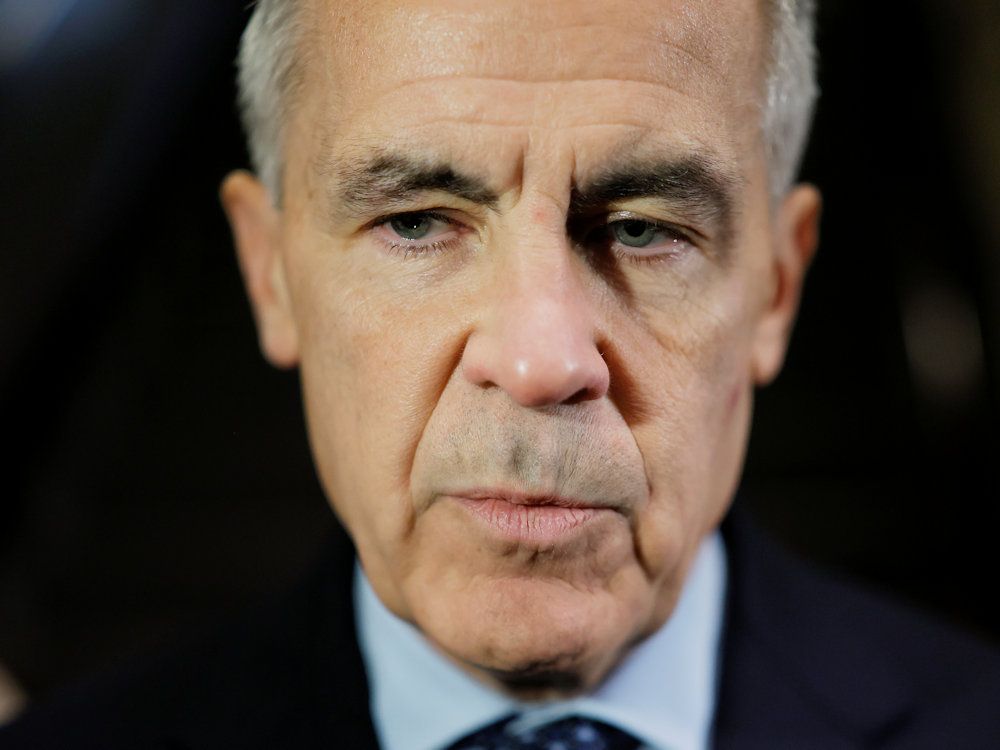
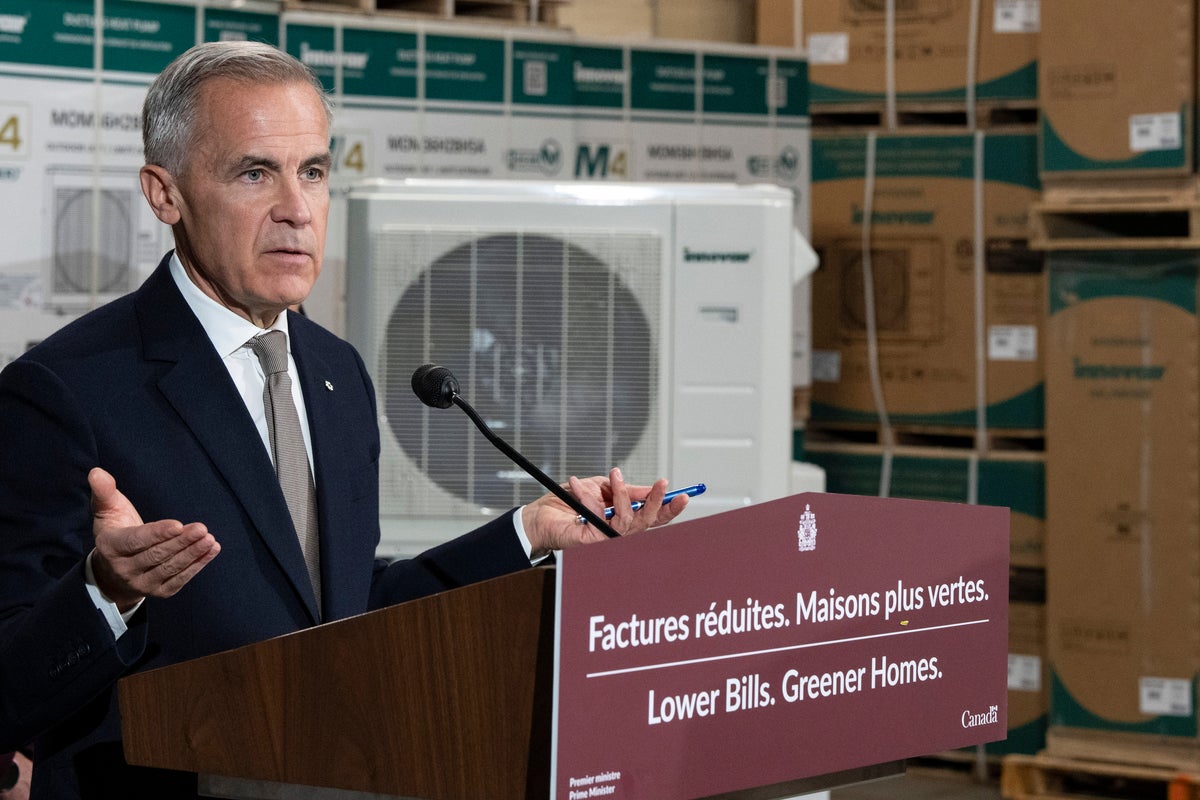
Mark Carney faces the return of national unity politics
The price of Canadian federalism might be recurring vigilance
uncertain
price → face → federalism
If it has been said that the first job of a Canadian prime minister is national unity, it was easier in recent years to forget.
asserted
it → say → years
Before this summer, it had been 30 years since a prime minister had to worry about a provincial referendum to secede.
asserted
minister → have → referendum
Before this week, it had been more than a decade since a prime minister was faced with a separatist government in Quebec.
asserted
minister → face → Quebec
Justin Trudeau managed to get through a full nine years as prime minister without facing either.
asserted
Trudeau → manage → either
Mark Carney is now facing both.
asserted
Carney → face → both
Speaking in the House of Commons on Tuesday, in the wake of the Parti Québécois's victory in the Quebec election, Conservative Leader Pierre Poilievre posited that this confluence of events could be blamed on more than a decade of Liberal government in Ottawa.
uncertain
confluence → speak → Ottawa
- Analysis
How anti-COVID activism injected life into Alberta's separatist movement
Alberta separatists see ally in Quebec premier-designate St-Pierre Plamondon
- Analysis
Before a referendum, how a new PQ government could test Ottawa
"
uncertain
government → inject → Ottawa
There was no separatist movement in Alberta whatsoever, the PQ was defeated, the Bloc [Québécois] did not even have party status [in Parliament]," Poilievre said.
asserted
Poilievre → be → Parliament
Correlation and causation are sometimes difficult to differentiate, but history is not quite as tidy as Poilievre remembers it.
asserted
Poilievre → differentiate → it
A survey conducted in July 2014 found that 23 per cent of Albertans believed their province would be better off as its own country — equal to the share of Albertans who were recently found to be in favour of a referendum on separation.
asserted
who → conduct → separation
At the time, Harper seemed disinclined to despair.
asserted
Harper → seem → despair
"The people of Quebec voted for change, a pretty strong desire for change," Harper said after the Quebec election in 2012.
asserted
Harper → vote → 2012
"At the same time, I think it was pretty clear they were denying any kind of a mandate to pursue the separation of Quebec or the division of the country.
asserted
they → think → country
In 2012, while soft-pedalling the possibility of a referendum, the Parti Québécois won 54 seats with 32 per cent of the popular vote.
asserted
Québécois → pedal → vote
This week, after campaigning on an explicit commitment to hold another referendum, the PQ won 59 seats with 28 per cent of vote.
asserted
PQ → campaign → vote
Carney could borrow Harper's 2012 analysis now — when Léger asked Quebecers in September to identify their most important issues, just nine per cent said "making Quebec a country."
uncertain
Quebec → borrow → issues
The incoming premier, Paul St-Pierre Plamondon, has also said a referendum won't be called while Donald Trump is president of the United States, putting off a possible vote on separation until at least 2029, before which Quebec could have another election.
But this is not an unworrisome moment for those who believe in a united Canada.
uncertain
who → say → Canada
Life in a large federation
The persistence of national unity concerns across Canadian history does not necessarily speak to some inherent flaw in the federation.
asserted
persistence → speak → federation
Some level of desire for independence might be unavoidable in a large, diverse federation — according to a poll conducted by YouGov earlier this year, for instance, 18 per cent of Americans supported their state seceding from the United States, including 27 per cent of Californians and 24 per cent of Texans.
uncertain
state → accord → Texans
"The standard for success in a large federation like Canada is not the absence of tensions because you see it in all large federation," says André Pratte, the journalist and former senator who chaired the Quebec Liberal Party's policy commission ahead of this year's campaign.
asserted
who → see → campaign
"But I think the success of Canada is to have been able to manage those tensions in a peaceful manner, so that we can find arrangements and pathways to solutions.
asserted
we → think → solutions
"
But the price of Canadian federalism might be recurring vigilance.
uncertain
price → recur → federalism
"In the case of Quebec, certainly, and I think probably it's the same for Alberta, there's no reason for panic," Pratte says, "but we should not be under any illusion that those things will simply go away if we just do nothing and hope that things will get better."
asserted
things → think → nothing
"I will never take Canada for granted," says Stéphane Dion, the former intergovernmental affairs minister who spearheaded the Clarity Act in the wake of the last Quebec referendum.
asserted
who → take → referendum
"I always think we need to make the point to speak for Canada."
asserted
we → think → Canada
Pratte recalls that the sovereignists did not seem to have much chance of winning when a referendum was called in 1995, only for the end result to be a razor-thin victory for the federalist side.
asserted
result → recall → side
Referendums, once called, can quickly take on a life of their own.
asserted
Referendums → call → own
What should Carney do now?
asserted
Carney → do → What
Mark Carney is well regarded in Quebec, but he would be, Pratte notes, the first non-Quebecer to contend as prime minister with a referendum in the province.
asserted
Pratte → regard → province
There are Quebecers in prominent positions around Carney, but the government needs to be organized to react "quickly and intelligently" to developments in Quebec as they arise, Pratte says.
asserted
Pratte → be → Quebec
Speaking with CBC's Power & Politics this week, Intergovernmental Affairs Minister Dominic LeBlanc said there are a number of things on which the federal and Quebec governments can collaborate — including housing and homelessness — and that right now Quebecers "don't want governments to be hassling about some theoretical scenario in two or three years from now.
asserted
governments → speak → years
In an op-ed for the National Post this week, Pratte wrote that one challenge for the Carney government will be distinguishing between issues on which Quebec has legitimate concerns and situations where the PQ government is "merely picking a fight for tactical reasons."
asserted
government → write → reasons
On immigration, Pratte suggests, the federal government may be able to offer reasonable responses to concerns in Quebec.
uncertain
government → suggest → Quebec
In his own commentary on the election result in Quebec, Dion wrote that the Carney government should show that it is a "committed ally" in promoting and protecting the French language.
asserted
it → write → language
During the Alberta referendum campaign, Carney has largely let his government's actions — namely a series of agreements with the Alberta government on energy and climate policy — speak for themselves.
asserted
actions → let → themselves
But when he does act, Dion says, it needs to be clear that he is not doing so simply to please or counter separatists.
asserted
he → act → separatists
"I think it must be clearer that what he has done on the pipeline and oil and energy is because he believes in it.
asserted
he → think → it
He believes that Canada should be [an energy] superpower" Dion says.
asserted
Dion → believe → ?
"If it's convincing some people in Alberta to believe in Canada, so be it.
asserted
it → convince → Canada
…and 5 more, not listed.
 The Aporia