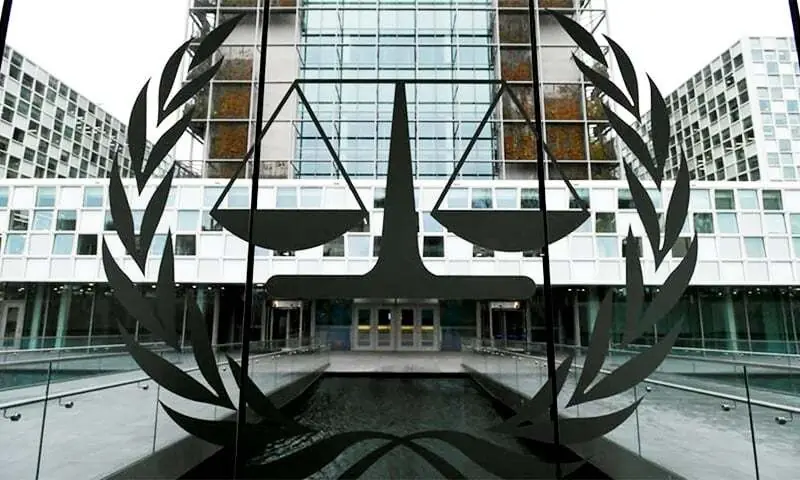
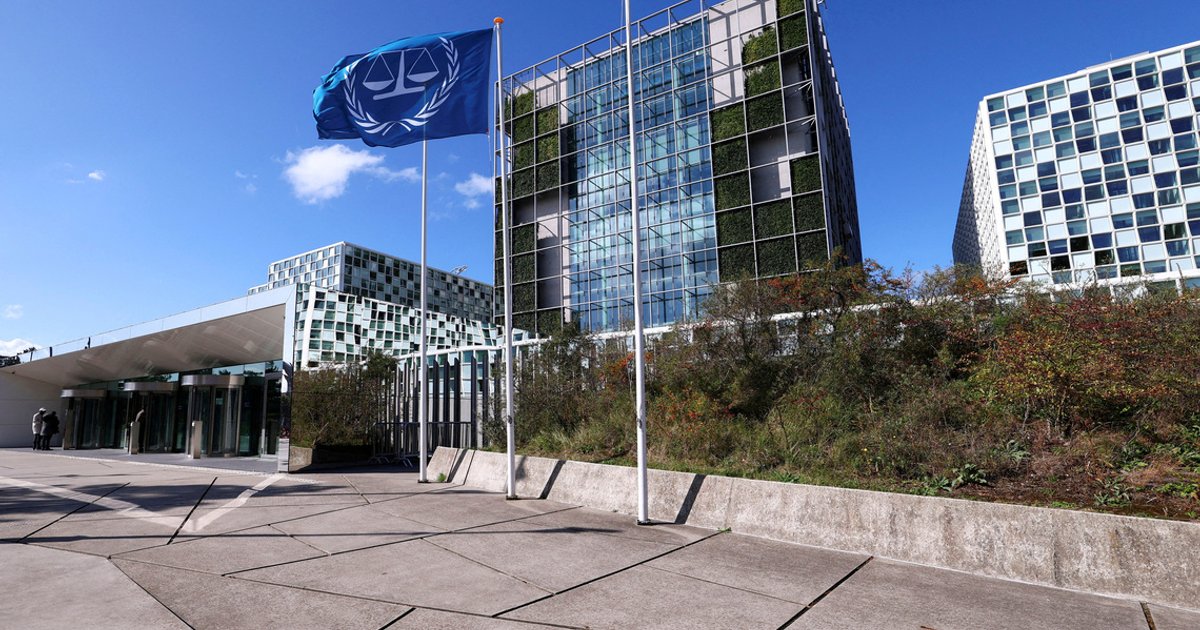
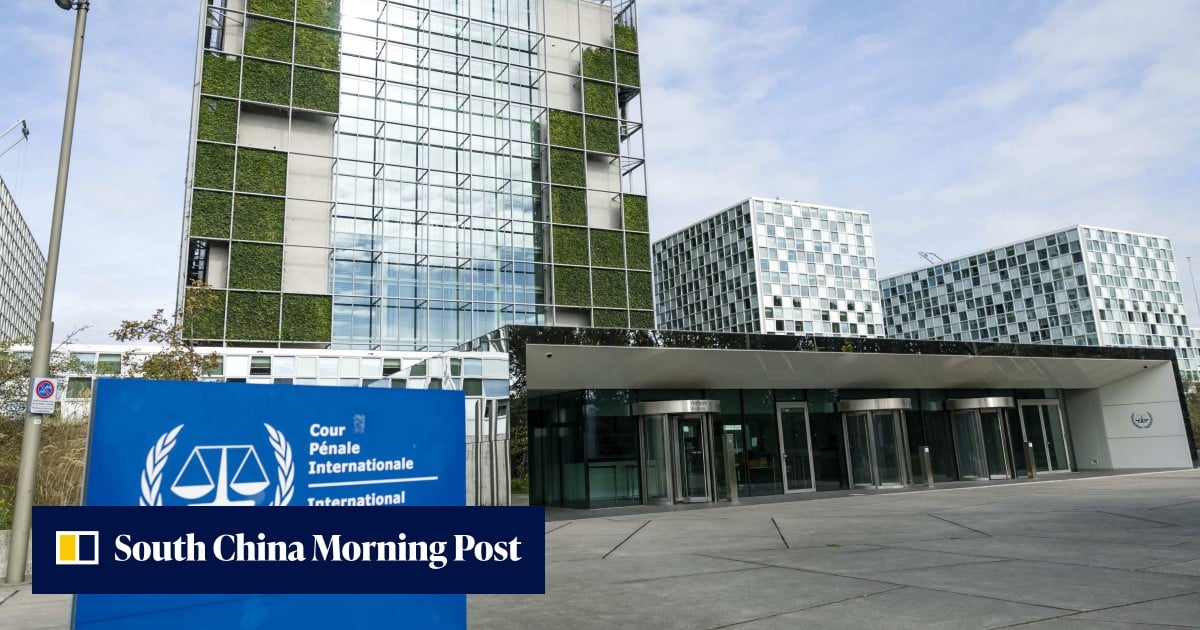
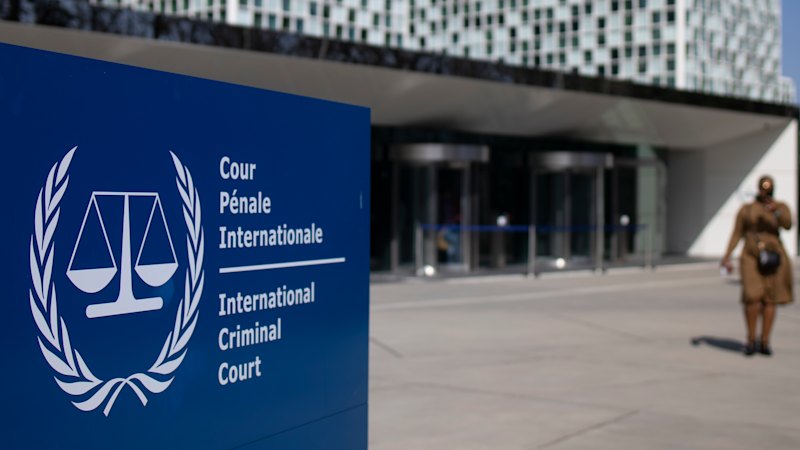
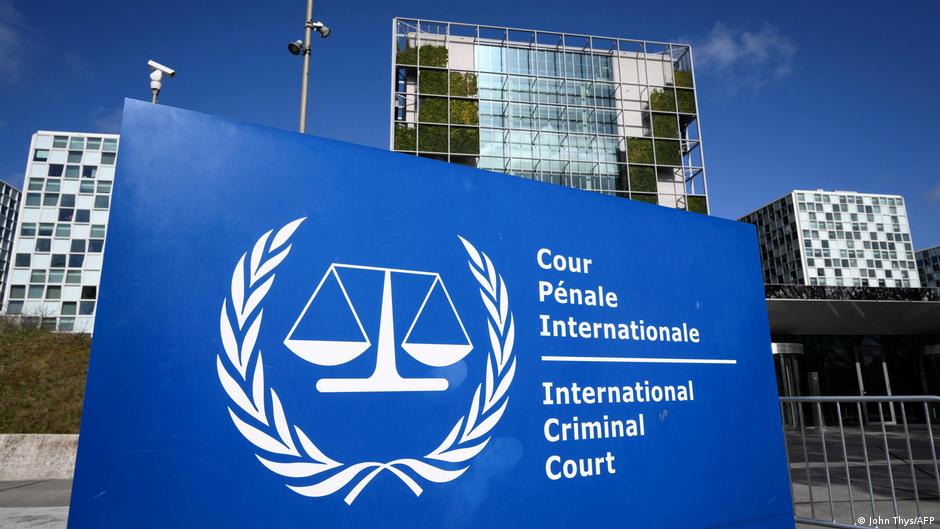
On Friday, the US imposed sanctions on the International Criminal Court (ICC), drawing immediate condemnation from multiple governments and international organizations. The ICC responded by emphasizing its commitment to upholding the rule of law and called for support from member states to defend its mission. UN Secretary-General Antonio Guterres and EU foreign policy chief Kaja Kallas, among others, expressed strong opposition to the sanctions, viewing them as a threat to global justice and international legal order.
Written locally by qwen2.5:14b on 2026-10-10,
using this article's own text rather than the other coverage of the
same event (that is the story summary below).
Story summary
On October 7, 2022, the U.S. State Department announced new sanctions targeting the International Criminal Court (ICC) in response to its attempts to charge American service members for war crimes. This move was part of a broader campaign by the Trump administration to dismantle what it views as an unaccountable and politicized institution that unjustly targets Americans and Israelis. The sanctions, imposed just hours after former ICC judge Navi Pillay won the Nobel Peace Prize, aim to cut off funding and transactional capabilities for the court, setting a six-month timeline for U.S. companies to cease business with it.
The United States, which is not a signatory to the Rome Statute that established the ICC, views the sanctions as necessary to protect American sovereignty and prevent what it considers an illegal prosecution of its personnel. Secretary of State Marco Rubio stated in a video address: “We will ban transactions with this rogue court, cutting off their resources and crippling its ability to operate against us.” The ICC, however, condemned the move, stating that it would not halt its work and urging member states to ensure it can continue functioning independently.
The sanctions have drawn criticism from other countries and international legal experts who argue they undermine the rule of law. In response, the ICC deputy prosecutor Nazhat Shameem Khan said the sanctions were an assault on justice and urged member nations to support the court's operations.
Written for “US Sanctions ICC” on 2026-10-10,
grounded in this article and the 14 other(s) covering the same event.
US President Donald Trump’s administration imposed sanctions on the International Criminal Court (ICC) on Friday, hours after one of its former judges won the Nobel Peace Prize, putting Washington on a diplomatic collision course with European allies.
asserted
one → impose → allies
The court denounced the move as an “assault on the rule of law and on the very foundations of the international legal order” and called on its 125 member states to take action to defend it.
asserted
court → denounce → it
“The Court cannot stand alone.
asserted
Court → stand → ?
Its fate now rests also in the hands of the states that created it,” the ICC said in a statement, adding that the issue was about safeguarding the international order grounded in the rule of law.
“The Court will continue to fully discharge its mandate, with independence and impartiality, acting only on the basis of the law and the evidence, for the sake of the countless victims of grave crimes,” it said.
asserted
it → rest → crimes
The move drew widespread condemnation from governments, human rights activists and international organisations, including the United Nations.
asserted
move → draw → Nations
UN Secretary-General Antonio Guterres condemned the US announcement of sanctions against the ICC as an institution.
asserted
Guterres → condemn → institution
In a statement, he said “accountability for international crimes and the delivery of justice to victims were central to the global commitment to peace, security, human rights and fundamental freedoms”.
asserted
accountability → say → peace
UN Guterres reiterated his unwavering support for the independence of the court and its officials.
asserted
Guterres → reiterate → court
The foreign ministry of Canada, Denmark, Germany, France, Italy, Japan, the Netherlands and the United Kingdom issued a joint statement opposing the sanctions.
asserted
ministry → issue → sanctions
“As committed supporters of the ICC we regret and strongly disagree with the announcement of sanctions to be imposed upon the Court by the United States,” the statement said, as shared by Germany’s Foreign Office on X.
asserted
statement → commit → X.
The ministers also welcomed the court’s preparations to ensure it could continue to fulfil its mandate under the Rome Statute, reaffirming their support for its work.
uncertain
it → welcome → work
Japan also issued a statement backing the court, joining the other countries in opposing the US move and reiterating its support for the ICC’s ability to carry out its mandate.
asserted
Japan → issue → mandate
Belgium condemned the sanctions, saying “the ICC must be able to operate independently”.
asserted
ICC → condemn → sanctions
It called for the activation of the European Union’s Blocking Statute to protect the court.
asserted
It → call → court
Human rights advocates warned that the sanctions threatened justice for victims of abuses in Palestine, Ukraine, Myanmar and Sudan, describing the move as “an unprecedented assault on global justice and the rule of law”.
European Union foreign policy chief Kaja Kallas described the ICC as the “cornerstone of the international criminal justice system”.
asserted
Kallas → warn → system
She said she had spoken with ICC President Tomoko Akane following Washington’s announcement, adding that the six-month period before the sanctions take effect offered an opportunity for dialogue.
“The EU has always supported the Court, and the EU has options to ensure that it can continue its vital work,” Kallas said, adding that protecting the ICC remained an EU priority.
asserted
protecting → say → ICC
The United Kingdom’s Secretary of State for Foreign, Commonwealth and Development Affairs also condemned the sanctions in a post on X, saying: “The UK stands with the International Criminal Court and we stand united with our partners in strongly disagreeing with sanctions imposed on the Court.
“
asserted
we → condemn → Court
The ICC must be permitted to continue its critical work holding perpetrators of the most horrific international crimes to account.”
asserted
perpetrators → permit → account
Amnesty International Secretary General Agnes Callamard criticised the sanctions, describing the move as “a betrayal” of the principles of international criminal law.
asserted
Callamard → criticise → law
In a post on X, she urged European governments to “impose immediately blocking orders” to prevent the sanctions from being implemented on European territory.
asserted
she → urge → territory
The US Treasury announced the sanctions with a six-month initial grace period, and some other exemptions that would allow some transactions for telecoms, software, payment of pensions and transactions related to detainees.
asserted
that → announce → detainees
Rubio said the sanctions had been structured to give the court and its member states an opportunity to address US concerns, and would be adjusted if those demands were not met.
asserted
demands → say → concerns
Washington has denounced the ICC over arrest warrants issued for Israeli officials including Prime Minister Benjamin Netanyahu, and an investigation into actions of US soldiers in Afghanistan, which the ICC says is “deprioritised.
asserted
ICC → denounce → Afghanistan
 The Aporia