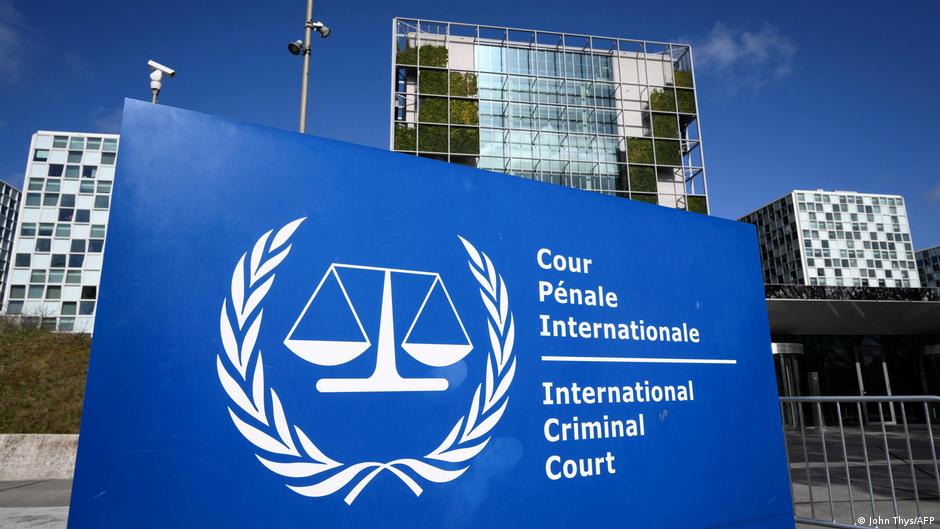
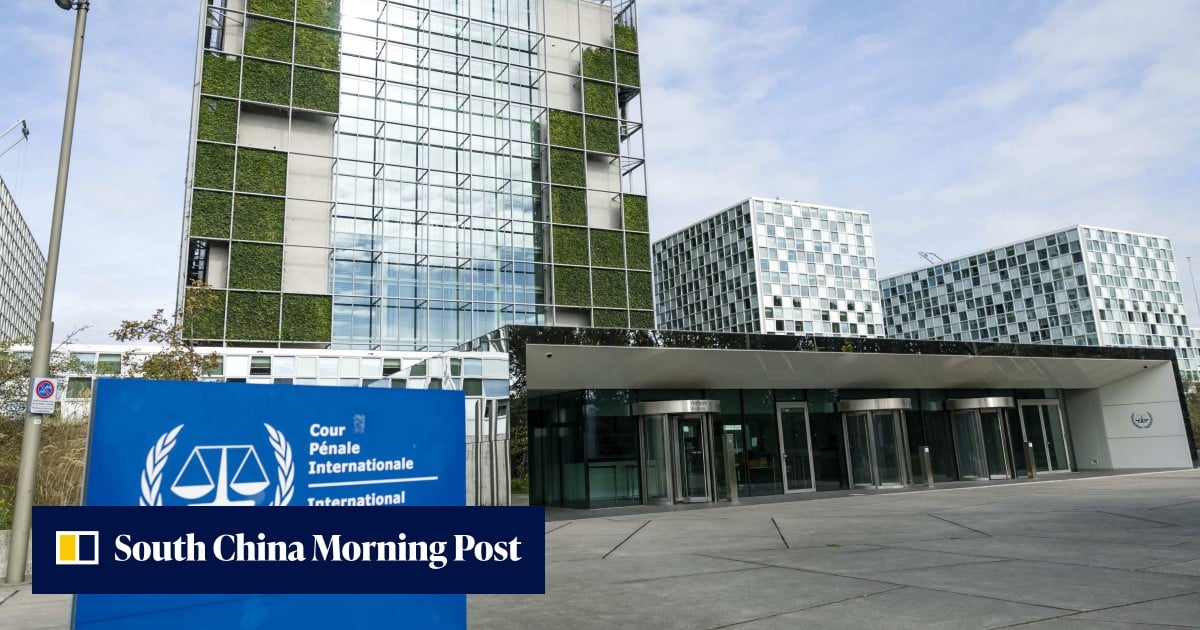
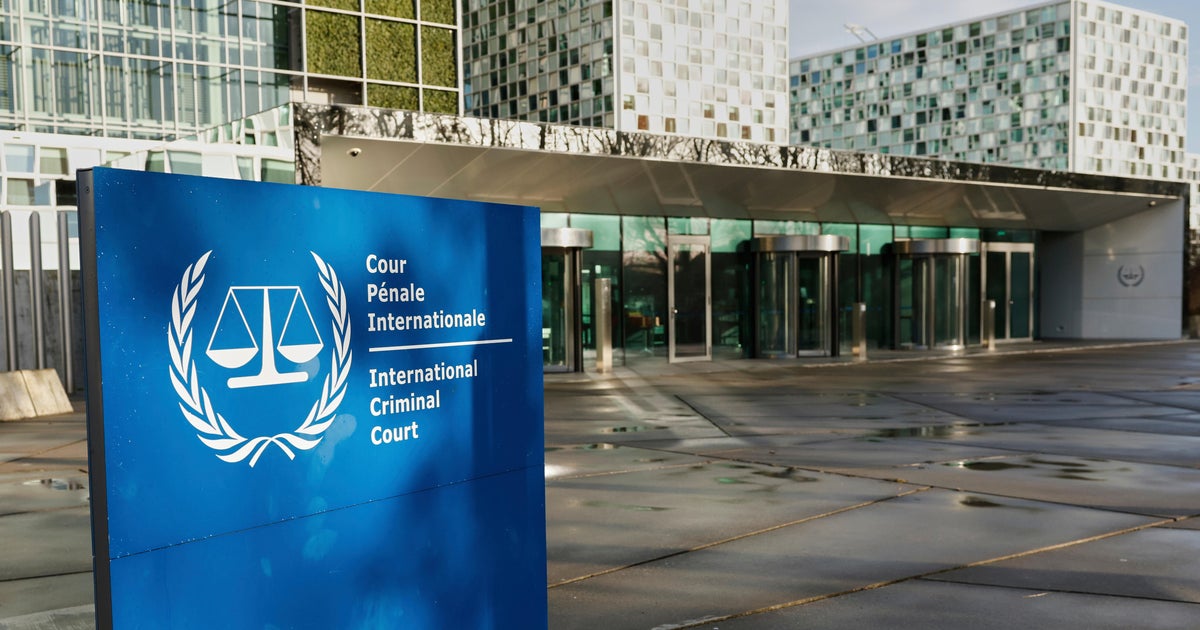
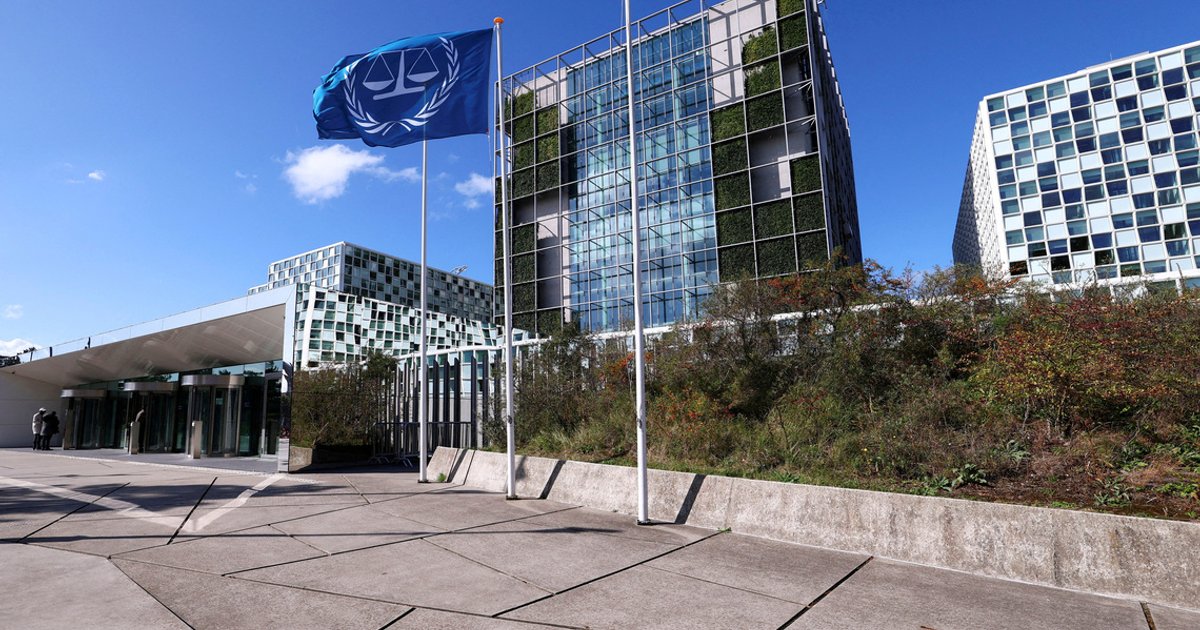
US President Donald Trump's administration imposed sanctions on the International Criminal Court (ICC) on Friday, hours after one of its former judges won the Nobel Peace Prize.
asserted
one → impose → Prize
This comes as the US has in recent months made no bones about pursuing what Secretary of State Marco Rubio has called a "sweeping campaign to dismantle the threat posed by the International Criminal Court."
asserted
Rubio → come → Court
The United States and Israel had both strongly opposed the court's arrest warrants for top Israeli officials, including Prime Minister Benjamin Netanyahu.
asserted
States → oppose → Netanyahu
Since 2020 and the back end of Trump's first term, the US had also opposed investigations into military actions in Afghanistan that "deprioritize" alleged US wrongdoings, focusing on the Taliban, but can nevertheless include them.
asserted
that → oppose → them
What did the State Department say about the ICC sanctions?
asserted
Department → say → sanctions
"President Trump will never allow the International Court to prosecute Americans," Secretary of State Marco Rubio said in a statement.
asserted
Rubio → allow → statement
"That is why, today, the United States is sanctioning the International Criminal Court.
asserted
States → sanction → Court
We will ban transactions with this rogue court, cutting off their resources and crippling its ability to operate," he said.
asserted
he → ban → ability
The statement said that the US had "exercised discretion and deferred this designation out of respect for our relationships and in hopes that the ICC would change course or would otherwise be restrained by States Parties."
asserted
ICC → say → Parties
Rubio said that both political parties in the US had long agreed that the ICC should not have jurisdiction over US citizens, but said "only President Trump has the resolve to take the action needed to end this threat for good."
"Either the ICC will end its threats, or we will end the ICC.
asserted
we → say → ICC
We expect our allies, many of whom are part of the ICC and that rely on American servicemembers for their defense, to rein in the court," Rubio said.
asserted
Rubio → expect → court
"If they do not, the United States will continue its campaign to dismantle the ICC, brick by brick, until Americans are threatened no longer."
How did the ICC respond?
asserted
ICC → do → brick
The ICC said the US sanctions aimed to obstruct an "independent" international court supported by more than half of the UN's members.
asserted
sanctions → say → members
"The court will continue to fully discharge its mandate, with independence and impartiality, acting only on the basis of the law and the evidence, for the sake of the countless victims of grave crimes," said ICC President Tomoko Akane, who already faces US sanctions.
asserted
who → continue → sanctions
The ICC called the Rome Statute, which underpins membership of the court, a "collective promise" that the most serious international crimes must not go unpunished.
asserted
crimes → call → court
"That promise is only as strong as the resolve of those who made it," the court said.
asserted
court → make → it
It appealed to members to take "concrete actions" to ensure the court would still have the necessary means to continue its work.
asserted
court → appeal → work
"No one should be punished for serving the cause of justice," it said.
asserted
it → punish → justice
"History will judge this moment.
asserted
History → judge → moment
Future generations, and above all the victims of mass atrocities, will ask how we responded when an insitution created to protect them came under attack.
asserted
insitution → ask → attack
"
Sanctions announced shortly after former ICC judge's Nobel prize
The State Department released the announcement a few hours after the 2026 Nobel Peace Prize was given to Navi Pillay, who was an ICC judge from 2003 to 2012.
asserted
who → announce → 2012
Last year Trump repeatedly complained that he should have won the accolade for promoting world peace, prompting Venezuelan opposition leader Maria Corina Machado to present him with her trophy as a gift.
asserted
he → complain → gift
Without naming names, the Nobel Committee made clear reference to the US sanctions against the ICC when announcing Pillay as this year's laureate.
asserted
Committee → name → laureate
"The Norwegian Nobel Committee wants to remind the world that the rule of law national and international — underpins the system we have set up to ensure peace and resolve conflicts non-violently," the Committee wrote.
asserted
Committee → want → conflicts
It said judges like Pillay "guard the thin red line between order and chaos," but lamented that "today ... these same judges are sanctioned, and their institutions are attacked."
What is the ICC?
The International Criminal Court is an intergovernmental organization and international tribunal based in the Dutch city of The Hague.
It's the only permanent international court with the theoretical jurisdiction to prosecute individuals for international crimes like genocide, crimes against humanity, war crimes and illegal aggression.
asserted
It → say → humanity
The ICC was set up in 2002 and is underpinned by the Rome Statute treaty.
asserted
ICC → set → treaty
More than half the countries in the world, 125 in total, are full parties to the Rome Statute, having signed and ratified it.
Several of the world's most significant powers — not least China, India, Russia, the US and Israel — do not recognize the court's jurisdiction.
asserted
Several → sign → jurisdiction
There is, however, a grey area in that the court accepts challenges from ratified members against individuals from countries that do not recognize the court.
asserted
that → be → court
That is why high-profile arrest warrants against Russian officials, including President Vladimir Putin, and Israeli officials, including Prime Minister Benjamin Netanyahu, have been issued in recent years — following respective complaints from Ukrainians and Palestinians.
asserted
warrants → include → Ukrainians
Rubio has often led the charge, for instance, writing an opinion article for the Wall Street Journal in mid-July this year saying, "America never agreed to a world tribunal that can override our own courts and the Constitution."
asserted
that → lead → courts
He argued it was possible for US "soldiers, police officers, Border Patrol agents and elected leaders" to be "dragged before an international court" and tried by judges "from random countries across the globe."
asserted
soldiers → argue → globe
Just over a week later, on July 25, Venezuela's new administration — transformed after the US abduction of Nicolas Maduro in January — announced that it planned to withdraw from the Rome Statute and the ICC.
asserted
it → transform → Statute
In response, the US State Department welcomed "the new Venezuelan government's partnership on American-led efforts to dismantle the corrupt and worthless ICC," calling on "all members of the ICC to withdraw from the Rome Statute."
asserted
Department → welcome → Statute
A few days later, the military junta in Chad announced that it was withdrawing from the ICC.
asserted
it → announce → ICC
It said it had done so after a US request, with Washington urging other African countries to follow in the Russian-backed junta's footsteps.
asserted
Washington → say → footsteps
The recent sexual misconduct scandal surrounding the ICC's chief prosecutor Karim Khan, who was dismissed in July, provided more ammunition the US could aim at the court.
uncertain
US → surround → court
In August, the US imposed sanctions on the ICC's president, Japanese judge Tomoko Akane, and Abdoulaye Seye, a Senegalese trial lawyer at the court.
asserted
US → impose → court
If you rely on our team for trusted reporting, please take a moment to select us as your Preferred Source on Google, so you'll always see our verified news first.
asserted
you → rely → news
 The Aporia