That is 0 articles you have read today.
The Aporia is free and carries no advertising, so readers are the only
thing paying for it. If you are getting this much out of it, a small
donation is what keeps it independent.
Daily limit reached
You have read 0 articles today.
That is more than the 15 a day The Aporia gives away,
and well past what it can carry on nothing. Your allowance resets at
midnight.
There is no advertising here and nothing about you is sold, so readers
are the only thing paying for it. If the site is worth this much of
your day, it is worth a few dollars.
Everything else stays open: the
maps, the
directory and
search do
not count against this, and neither does re-opening something you have
already read today.
The Trump administration has imposed sanctions on the International Criminal Court (ICC), banning US entities from making transactions with the institution and limiting its ability to operate, citing concerns over protecting American sovereignty. Secretary of State Marco Rubio announced that these measures were in response to the ICC's actions perceived as threats against U.S. citizens, while the court itself denounced the sanctions as an assault on international legal principles. The announcement coincides with former ICC judge Navi Pillay receiving the Nobel Peace Prize for her work promoting peace and international law, further straining relations between the US and the ICC.
Written locally by qwen2.5:14b on 2026-10-09,
using this article's own text rather than the other coverage of the
same event (that is the story summary below).
Story summary
On October 8, the U.S. State Department imposed new sanctions targeting the International Criminal Court (ICC), just hours after one of its former judges, Navi Pillay, received the Nobel Peace Prize. The sanctions aim to cripple the ICC's operations by prohibiting financial transactions with it and setting a six-month timeline for winding down business ties between U.S. entities and the court. Secretary of State Marco Rubio described the move as necessary due to the ICC attempting to prosecute Americans and Israelis unfairly, despite neither country being signatories to the Rome Statute that established the court. The ICC rejected these sanctions, calling them an "assault on the rule of law," emphasizing its commitment to prosecuting war crimes even when national authorities are unwilling or unable to do so.
Written for “US Sanctions ICC” on 2026-10-09,
grounded in this article and the 11 other(s) covering the same event.
Why this leaning score
The model judged this article politically coded and scored it +0.35, but 2 quote(s) could not be found in the article and the other 1 are attributed speech rather than the article's own narration, so the score is not published.
Written under an earlier scoring contract, which gave a paragraph
rather than checkable quotes. Re-analysing this article replaces it.
Leaning score withheld for article 68763: no verified evidence · logged 2026-10-09
- Published
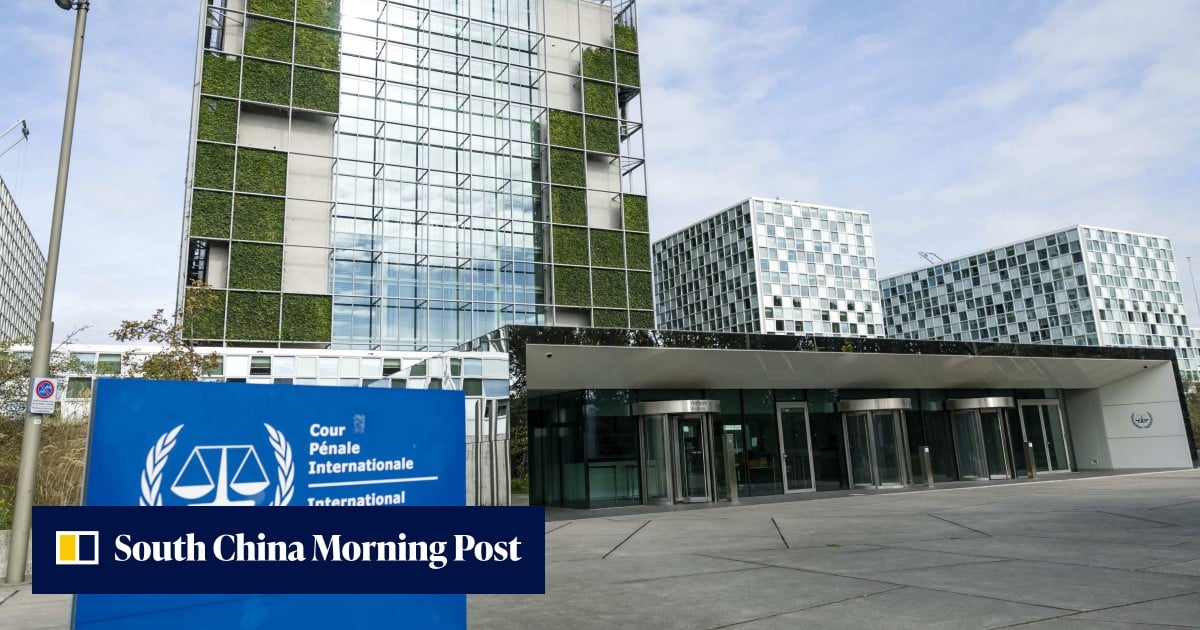
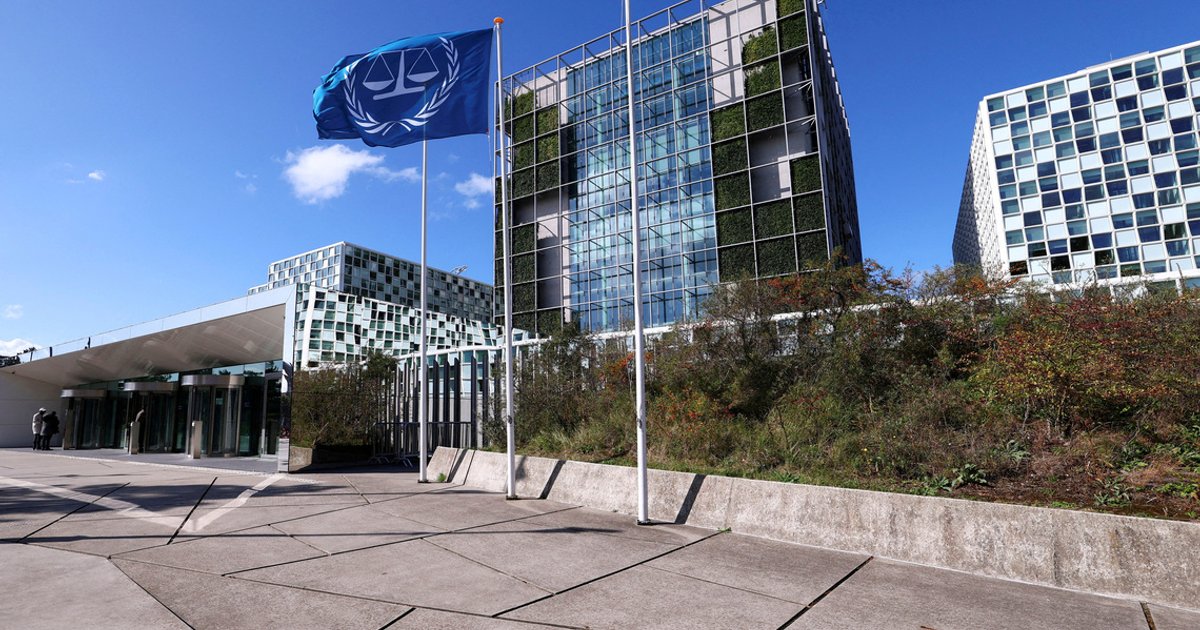
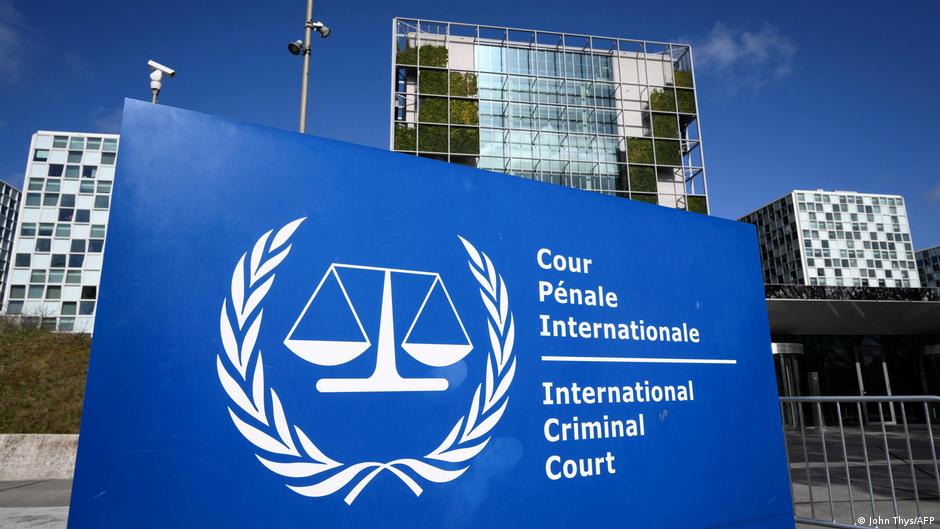
The Trump administration has imposed sweeping sanctions on the International Criminal Court (ICC), saying it wants to restrict the tribunal's resources and ability to operate.
asserted
it → publish → resources
US Secretary of State Marco Rubio said the measures - which include a ban on US entities making transactions with the ICC - were intended to "defend US sovereignty" and accused the court of seeking to prosecute Americans.
asserted
which → say → Americans
The ICC said the measures were an assault on the rule of law and the foundations of the international legal order.
asserted
measures → say → order
The announcement comes just hours after former ICC judge Navi Pillay was awarded the 2026 Nobel Peace Prize for her efforts to promote peace and international law.
asserted
Pillay → come → peace
US President Donald Trump has reacted sourly to the Norwegian prize's choice of winner this year and last, after having expressed a desire to receive it himself.
asserted
Trump → react → it
He criticised Pillay for being part of a panel that accused Israel, as well as Hamas, of war crimes during the 7 October conflict.
asserted
that → criticise → conflict
The US says the ICC has no jurisdiction over it as it never ratified the statute founding it - but the international court has investigated US actions elsewhere.
asserted
court → say → actions
Rubio said Trump would not allow the ICC to prosecute Americans, adding: "Either the ICC will end its threats, or we will end the ICC."
asserted
we → say → ICC
The US sanctions will stop US companies from providing goods or services to the ICC, such as banking or software.
asserted
sanctions → stop → banking
Rubio said Washington had delayed imposing the sanctions in the hope that the ICC and its member countries would address US concerns.
asserted
ICC → say → concerns
He said the measures had been structured to allow other countries to negotiate a possible solution.
asserted
countries → say → solution
He also called on US allies that were ICC signatories to "rein in" the institution.
asserted
that → call → institution
The ICC responded by saying that the sanctions were aimed at disrupting its work and intimidating those who co-operate with it - but that it "will not be deterred".
asserted
it → respond → it
The Trump administration has repeatedly criticised the court, including over its investigation into the actions of US forces in Afghanistan, a probe it has since deprioritised.
asserted
it → criticise → Afghanistan
It has also been critical of the ICC issuing arrest warrants for Israeli officials including Prime Minister Benjamin Netanyahu.
asserted
ICC → issue → Netanyahu
 The Aporia