That is 0 articles you have read today.
The Aporia is free and carries no advertising, so readers are the only
thing paying for it. If you are getting this much out of it, a small
donation is what keeps it independent.
Daily limit reached
You have read 0 articles today.
That is more than the 15 a day The Aporia gives away,
and well past what it can carry on nothing. Your allowance resets at
midnight.
There is no advertising here and nothing about you is sold, so readers
are the only thing paying for it. If the site is worth this much of
your day, it is worth a few dollars.
Everything else stays open: the
maps, the
directory and
search do
not count against this, and neither does re-opening something you have
already read today.
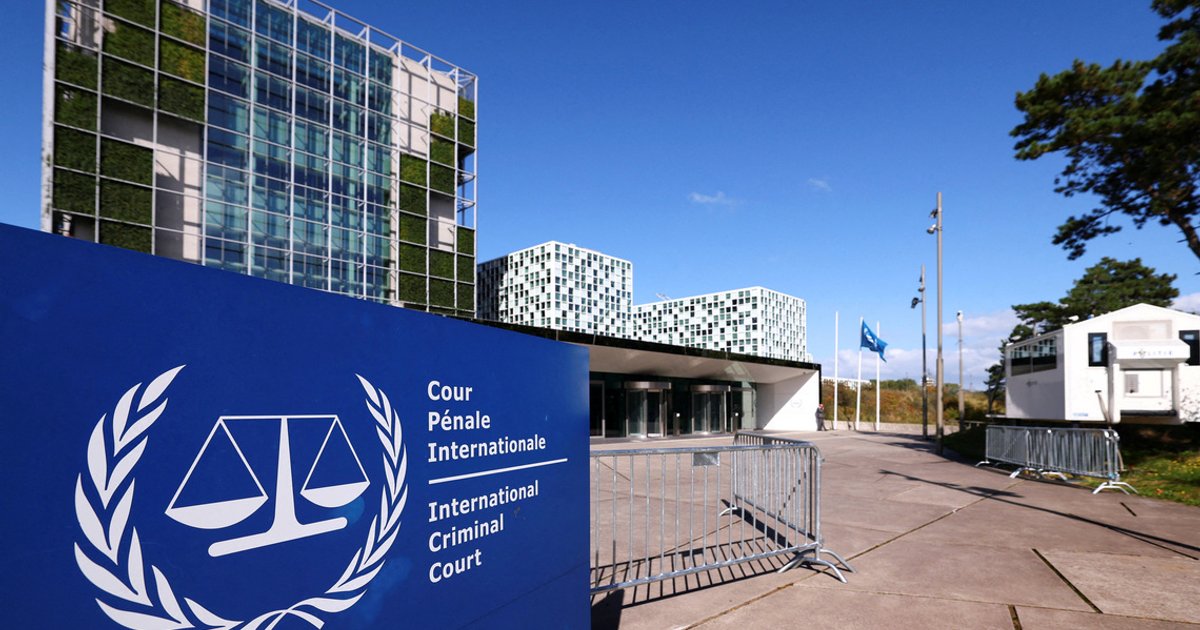
The Trump administration has imposed sanctions against the International Criminal Court (ICC), targeting its financial resources and operations within U.S. jurisdictions. Secretary of State Marco Rubio announced these measures in a video address, arguing that the court is politically motivated and unjustly targets American military personnel. The sanctions require U.S. entities to cease transactions with the ICC within six months, impacting its ability to function. Rubio emphasized bipartisan support for this action but highlighted President Trump’s decisive stance against the ICC, urging allies to cooperate in dismantling it or face further U.S. actions.
Written locally by qwen2.5:14b on 2026-10-09,
using this article's own text rather than the other coverage of the
same event (that is the story summary below).
Story summary
On Friday, the US imposed new sanctions on the International Criminal Court (ICC), aiming to dismantle an institution it views as politicized and illegitimate. Secretary of State Marco Rubio announced these measures just hours after former ICC judge Navi Pillay won a Nobel Peace Prize for her work at the court. The sanctions target companies that provide services to the ICC, potentially cutting off its resources and hindering its operations against US interests. In response, the ICC strongly rejected the sanctions as an assault on international law and justice, emphasizing it would continue its mandate despite the challenges.
Written for “US Sanctions On ICC” on 2026-10-09,
grounded in this article and the 4 other(s) covering the same event.
Why this leaning score
The article's own words the score was based on. Each is quoted
verbatim and was checked against the article text before being
stored, so you can find it in the original.
Leaning: leans strongly right for article 68566 (high confidence, 1 verified quote) · logged 2026-10-09
Claims extracted
12
claim-shaped sentences
Uncertain
8%
1 of 12 hedged
Leaning
Leans strongly right
of the writing, not the subject · beta estimate
Correction & hedging signals
64.0
corrections and hedging in what we collected;
not a measure of accuracy
Outlets on this story
5
Politics
Narrative spread
1
articles carrying this framing
The Trump administration has imposed sweeping new sanctions on the International Criminal Court as part of its campaign to dismantle the tribunal that the U.S. believes has become politicized and attempted to unfairly and illegally prosecute Americans and Israelis on war crimes charges.
asserted
U.S. → impose → charges
Secretary of State Marco Rubio announced the sanctions on Friday, after the Nobel Peace Prize was awarded to South African prosecutor Navi Pillay, who had led investigations into potential ICC charges against U.S. troops in Iraq and Afghanistan.
asserted
who → announce → Iraq
The move, however, long predated the Nobel Prize announcement.
asserted
move → predate → announcement
“We will ban transactions with this rogue court, cutting off their resources and crippling its ability to operate against us,” Rubio said in a video address posted to social media.
asserted
Rubio → ban → media
The sanctions block any assets the ICC as an institution might have in U.S. jurisdictions and set a six-month timeline for U.S. companies and individuals that have business with the court to wind that business down.
Get breaking National news
Rubio said both Republicans and Democrats have deep reservations about the court, which was established to prosecute war crimes and crimes against humanity that might not otherwise be handled by the parties involved.
uncertain
that → block → parties
But he said that only U.S. President Donald Trump was willing to move against the court.
asserted
Trump → say → court
“Both parties agree on this, but only President Trump has the resolve to take the action needed to end this threat once and for all,” Rubio said.
asserted
Rubio → agree → all
“Either the ICC will end its threats, or we will end the ICC.”
asserted
we → end → ICC
Rubio added that the U.S. expects its allies to join in the actions against the ICC.
asserted
allies → add → ICC
Those include many NATO members in Europe and Japan.
asserted
Those → include → Europe
“We expect our allies, many of whom are part of the ICC and that rely on American service members for their defense, to rein in this rogue court,” he said.
asserted
he → expect → court
“If they do not, the United States will continue its campaign to dismantle the ICC, piece by piece, until Americans are threatened no longer.”
asserted
Americans → do → piece
 The Aporia