Australia unveils landmark Bill to let social media users opt out of algorithm

The Straits Times · collected 2026-09-08 · by Jonathan Pearlman
Read the original at The Straits Times ↗

Summary

The Australian Government has unveiled a landmark bill that would allow social media users to opt out of algorithms controlling their content, with fines of up to A$109 million for non-compliance. The draft Digital Duty of Care bill aims to improve online safety by giving users control over what they see, particularly in regards to misinformation and explicit content. Experts have hailed the move as "profound" but some are concerned that many users may not know how to exercise this new control, given their reliance on default settings. The bill would require social media platforms like Facebook and Instagram to offer a pop-up option for users to opt out of algorithm-driven content.
Written by the local model on 2026-09-08, using this article's own text rather than the other coverage of the same event (that is the story summary below).

Signals How these are calculated →

Claims extracted
33
claim-shaped sentences
Uncertain
18%
6 of 33 hedged
Leaning
Leans left
of the writing, not the subject
Publisher trust
94.5
red-flag proxy, not a credibility rating
Outlets on this story
8
Politics
Narrative spread
1
articles carrying this framing
Analyzed 2026-09-08 · how these are computed

AI analysis (generated at analysis time, not now)

Story summary

The Australian government is set to introduce new laws that will require social media companies to give users the option to opt out of algorithms controlling their content. The Digital Duty of Care bill aims to protect children and adults from online harms such as eating disorders, bullying, and extremist content. Social media platforms like Facebook, Instagram, and TikTok will face fines of up to $109 million if they fail to comply with the new laws. The opt-out option will be presented to users in a pop-up message, allowing them to choose whether or not to see algorithm-generated content. This move is seen as a significant milestone in global efforts to improve online safety and limit the exposure of social media users to misinformation and other types of harmful content. The government has also stated that it will give more power to the eSafety Commission chief, Julie Inman Grant, to target sites for not lifting efforts to abide by Australia's ban on young people accessing social media.

Written for “Australia's Social Media Law” on 2026-09-08, grounded in this article and the 7 other(s) covering the same event.
Why this leaning score
The article's own words the score was based on. Each is quoted verbatim and was checked against the article text before being stored, so you can find it in the original.
Score -0.35 Confidence high
Leaning score -0.35 for article 6996 (high confidence, 3 verified quotes) · logged 2026-09-08

Story

📰 Australia's Social Media Law
Politics · 8 article(s) covering the same event. This is the one the site leads with.

How this is being covered How these are calculated →

Article leaning vs. publisher reliability
Source leaning vs. consistency

Compared with similar articles

This article reads leans left and hedges 18% of its claims. Each row says how that neighbour differs.
NPR · 0.91 cosine similarity
⚖️ leaning not scored 🔴 15% hedged 2 of 13 📰 publisher trust 59
“Both articles report on the exact same announcement by the Australian government, with the same details and timing, on September 8th, 2026.”
Al Jazeera · 0.88 cosine similarity
⚖️ Leans left 🔴 15% hedged 2 of 13 📰 publisher trust 96
“Both articles describe the Australian government's proposal to introduce a law requiring social media companies to give users an option to turn off algorithms, with identical details on the proposed legislation and its requirements.”
South China Morning Post · 0.86 cosine similarity
⚖️ leaning not scored 🔴 25% hedged 1 of 4 📰 publisher trust 94
“Both articles report on the same proposed law in Australia that would allow social media users to opt out of algorithms, with similar details about the bill and its implications.”
The Guardian
⚖️ Leans strongly right further right than this 🔴 0% hedged 0 of 26 📰 publisher trust 94
“Both articles report on the Australian government's plan to introduce draft legislation that requires social media platforms to allow users to opt out of algorithms controlling their feeds.”
The Sydney Morning Herald
⚖️ leaning not scored 🔴 0% hedged 0 of 8 📰 publisher trust 97
“Both articles report on the Australian government's Digital Duty of Care bill, including the fines for non-compliance and the option to opt out of algorithms”
Los Angeles Times
⚖️ Leans left 🔴 9% hedged 7 of 80 📰 publisher trust 95
“The articles cover regulation plans in different countries (California and Australia), with distinct details on proposed laws”
BBC News
⚖️ leaning not scored 🔴 5% hedged 1 of 20 📰 publisher trust 96
“Both articles describe a new bill being proposed in Australia that would allow social media users to switch off algorithms, with similar details about the proposal and potential penalties for non-compliance.”
Daily Mail
⚖️ leaning not scored 🔴 8% hedged 2 of 26 📰 publisher trust 58
“Article A discusses a report on policing social media and arrests over communications offences, while Article B announces a new bill in Australia about giving users the option to opt out of algorithm-driven content”
Los Angeles Times
⚖️ leaning not scored 🔴 8% hedged 4 of 52 📰 publisher trust 95
“The articles report on two separate government actions: Meta's settlement in Article A and Australia's proposed bill in Article B, with different locations, dates, and outcomes.”

Publisher

The Straits Times · 223 article(s) · 0 correction(s) detected
No corrections detected for this publisher. That may mean careful reporting, or simply that nothing has been checked.

Who wrote this

Jonathan Pearlman
1 article(s) here · 1 carrying a prediction
🔮 Warning that technology giants face a “global reckoning”, the Government said that platforms such as Facebook, Instagram and TikTok would need to offer users the choice to opt out in a pop-up message and will face fines of up to A$109 million if they fail to comply.
The only article under this byline in the corpus.

Topics

Australia Facebook Instagram SYDNEY TikTok

Subjects

Australia GPE · 5× Annika Wells PERSON · 1× Facebook ORG · 1× Indonesia GPE · 1× Instagram ORG · 1× Monash University ORG · 1× Rashina Hoda PERSON · 1× SYDNEY GPE · 1× The Straits Times ORG · 1× TikTok ORG · 1×

Narrative

The new opt-out measure is part of a draft Digital Duty of Care bill that also requires technology firms that operate AI chatbots, search engines, apps and social media platforms to protect children under 18 from harms such as eating disorders, bullying and content that is misogynistic or glorifies crime.
framing: assertive · carried by 1 article(s) · first seen 2026-09-08
🔮 Warning that technology giants face a “global reckoning”, the Government said that platforms such as Facebook, Instagram and TikTok would need to offer users the choice to opt out in a pop-up message and will face fines of up to A$109 million if they fail to comply.
2026-09-08 · The Straits Times
Australia unveils landmark Bill to let social media users opt out of algorithm · assertive framing

Claims (33 extracted, 6 hedged)

Australia unveils landmark Bill to let social media users opt out of algorithm SYDNEY - asserted
users → unveil → algorithm
Australia unveiled a landmark bill on Sept 8 to let social media users opt out of the algorithms that control content, a move experts hailed as “profound” – and overdue – in improving online safety. asserted
experts → unveil → safety
Warning that technology giants face a “global reckoning”, the Government said that platforms such as Facebook, Instagram and TikTok would need to offer users the choice to opt out in a pop-up message and will face fines of up to A$109 million if they fail to comply. asserted
they → warn → million
Users who opt out will see content from friends and people they follow. asserted
they → opt → friends
Analysts said the draft laws marked a significant milestone in global efforts to limit the exposure of social media users to misinformation, extremist and sexually explicit content, scams, deepfakes, grooming, and content that affects people’s body image. asserted
that → say → image
Most experts said an opt-in approach – in which algorithm-generated content was not the default - would have been a better way to tackle the problem but would have been more divisive and led to a fierce backlash from social media giants. asserted
content → say → giants
Rashina Hoda, professor of software engineering at Monash University, told The Straits Times that the new laws were “much required” and “if anything, a little late, given the types of harms we have seen on social media for years”. asserted
we → tell → years
But she expressed concern about how many people will choose to opt out of the algorithm, especially as social media encourages an “inertia” that leaves many users as passive consumers of endless feeds. asserted
that → express → feeds
“This could have a profound effect and change how we deal with social media and how social media doles this (content) out to us,” she said. uncertain
she → have → us
“Social media has made us used to the default settings for decades. asserted
us → make → decades
If and when we have the control back to opt out, it will be fascinating to know whether people know what to do with that control and how they use it. asserted
they → have → it
The new opt-out measure is part of a draft Digital Duty of Care bill that also requires technology firms that operate AI chatbots, search engines, apps and social media platforms to protect children under 18 from harms such as eating disorders, bullying and content that is misogynistic or glorifies crime. asserted
that → opt → crime
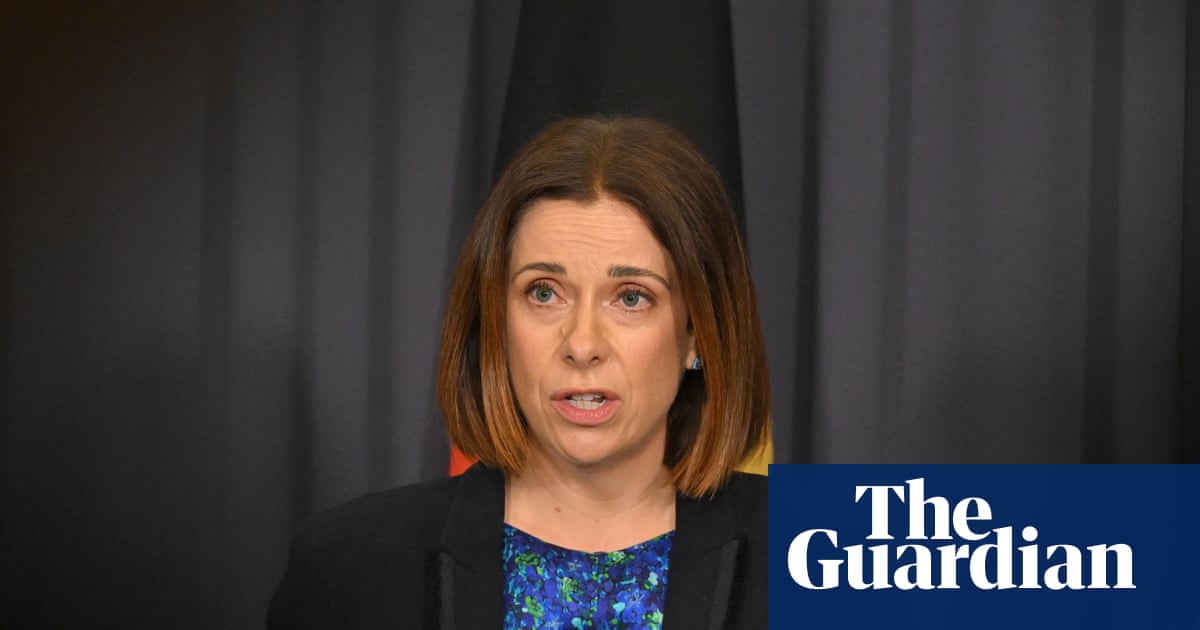
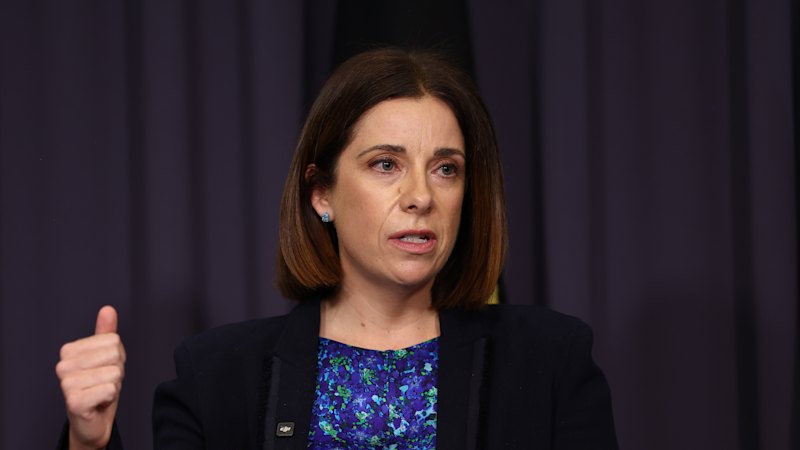
Examples cited by the Minister for Communications, Annika Wells, on Sept 8 included a chatbot that advises girls on how to survive on 600 calories a day and platforms with content likening women to “beasts or animals”. asserted
that → cite → beasts
The draft bill, set to undergo a consultation period, follows Australia’s world-first move in December 2025 to ban children under 16 from having accounts on social media – a move that has been followed by countries around the world, including Indonesia and Malaysia. asserted
that → set → Indonesia
Australian Prime Minister Anthony Albanese, who plans to address the United Nations in New York on the changes later this month, told reporters on Sept 8 that the opt-out measure was designed to “empower people” to choose the content they see. asserted
they → plan → content
“If people want to doomscroll… that’s up to them,” he said. asserted
he → want → them
“But if people want to have a change, then this will provide them with the opportunity.” asserted
this → want → opportunity
Australia’s opt-out plan goes further than a policy the European Union introduced in 2023 that required technology giants to provide an opt-out feature. asserted
that → opt → feature
Analysts say social media platforms found ways around the law, such as making the option difficult to find. asserted
option → say → law
Ellese Ferdinands, a Social Media Specialist at the University of Sydney, told ST that platforms will inevitably try to circumvent Australia’s opt-out measure but supported the new legislation because “we have to start somewhere”. asserted
we → tell → legislation
She said the opt-out option could take a heavy hit on the revenues of technology giants, whose algorithms aim to keep users on platforms for as long as possible to maximise advertising revenue. uncertain
algorithms → say → revenue
Despite her preference for an opt-in measure, Ferdinands said she was confident many people would opt out, citing trends such as “scroll-free Sundays,” when people voluntarily avoid social media on Sundays. asserted
people → opt → Sundays
“People who opt out will be less addicted to social media and will spend less time on the app,” she said. asserted
she → opt → app
“Over the long term, we could see drops in revenue for the platforms. uncertain
we → see → platforms
This has huge implications for their bottom line.” asserted
This → have → line
Asked about the risk that the new laws could cause a rift with Donald Trump over the potential hit to the profits of American technology firms, Albanese said he had a good relationship with the United States President, whom he plans to meet in New York in several weeks, but he believed the curbs on the technology giants were in Australia’s interest. uncertain
curbs → ask → interest
Albanese acknowledged the move could prompt a backlash from technology firms, saying: “We’re taking power from big global tech companies and giving it to ordinary Australians…. uncertain
We → acknowledge → Australians
It’s the right thing to do.” asserted
It → ’ → ?
Hoda said the Government should create an independent body to oversee the opt-out option and introduce an education campaign to promote awareness and encourage users to take control of their content feeds. asserted
Government → say → feeds
She said algorithms had led to “relentless” flows of content that were based on users’ personal data and frequently targeted people’s vulnerabilities. asserted
that → say → vulnerabilities
“We can’t rely on social media to self-monitor and self-regulate,” she said. asserted
she → rely → media
“The algorithm works on profiling and hyper-personalisation of content that is geared to playing with our vulnerabilities… asserted
that → work → vulnerabilities
You might start off looking for recipes to make lasagne and end up in some weird corner of the net and wonder, ‘How am I seeing this?’” uncertain
I → start → this

💬 Give feedback
🕘 History 🎫 Support