Lucinda Marker reflects on her personal experience with bubonic plague after hearing about the suspected death of Russian laboratory technician Darya Shipilova from pneumonic plague. In 2002, Marker and her husband were the first people diagnosed with bubonic plague in New York City in over a century. The disease's symptoms include high fever, headache, chills, muscle pain, and painful swellings known as buboes. Unlike the historical bubonic form, pneumonic plague, which recently caused concern in Russia, is transmitted through respiratory droplets and is nearly 100% fatal without prompt treatment.
Written locally by qwen2.5:14b on 2026-10-10,
using this article's own text rather than the other coverage of the
same event (that is the story summary below).
When Lucinda Marker heard of the suspected death from 'plague' of 28-year-old laboratory technician Darya Shipilova in Russia last week, she was overcome by a harrowing sense of recognition.
‘This disease changes your life.
asserted
disease → hear → life
When I saw the news, I thought it could be bioterrorism.
uncertain
it → see → news
This is such a rare disease: there has to be something else going on.’
asserted
This → have → ?
Though Russia has refused to confirm the cause of Shipilova’s death, reports claim that she became ill after dropping a test tube containing a sample of the pneumonic plague pathogen at her laboratory.
uncertain
she → refuse → laboratory
The hospital in which Shipilova was treated was placed under strict lockdown but only days later, another plague death was reported in the region, sparking fears about a resurgence of one of history’s most feared diseases.
asserted
death → treat → diseases
Shipilova contracted the deadliest form of the disease.
asserted
Shipilova → contract → disease
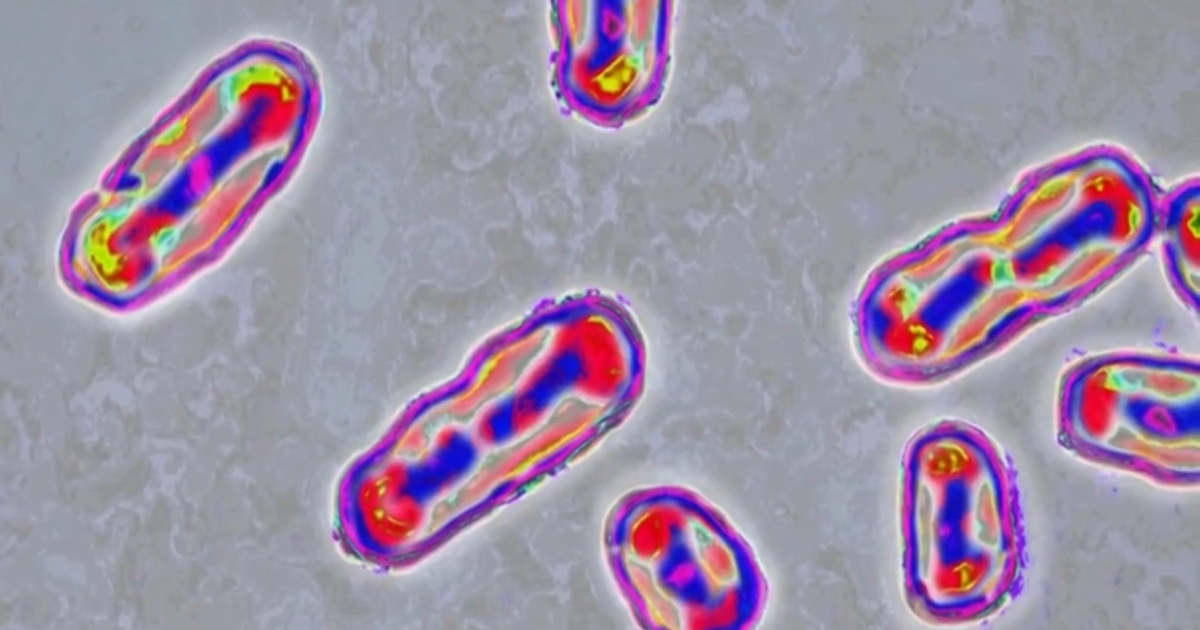
Unlike bubonic plague, known as the Black Death, which laid waste to Europe in the 14th century and is usually transmitted through the bite of an infected flea, pneumonic plague attacks the lungs and can spread directly between people through infectious respiratory droplets.
asserted
plague → know → droplets
Both infections are caused by the same bacterium, Yersinia pestis.
asserted
infections → cause → bacterium
And as Lucinda knows all too well, even the more common bubonic plague can have devastating consequences.
asserted
plague → know → consequences
In November 2002, she and her husband, John Tull, became the first people diagnosed with bubonic plague in New York City in more than 100 years.
asserted
she → become → years
The couple, who had three children from John’s previous relationship, lived outside Santa Fe, New Mexico, on desert scrubland where the disease still circulates among wild rodents and their fleas.
asserted
disease → have → rodents
They were aware of it: two dead animals on their land, a rabbit and a rat, had tested positive for plague.
asserted
animals → test → plague
‘We were so cautious,’ says Lucinda.
asserted
Lucinda → say → ?
‘When we stacked wood, we’d cover up head to toe, wear masks and use bleach.
asserted
we → stack → bleach
We used flea treatments.
asserted
We → use → treatments
We hadn’t done anything risky.’
asserted
We → do → anything
In 2002, Lucinda Marker and her husband John Tull became the first people diagnosed with bubonic plague in New York City for 100 years
But when they flew to New York in November 2002 to celebrate the launch of their business together, financial adviser Lucinda, then 47, and lawyer John, 53, had unknowingly been bitten by infected fleas.
asserted
Lucinda → become → fleas
Bubonic plague takes up to six days to show itself, so they were already infected when they arrived in New York on November 1.
asserted
they → take → November
They both fell seriously ill two days later.
asserted
They → fall → ?
‘It was terrifying,’ says Lucinda.
asserted
Lucinda → say → ?
Neither of us had ever had the flu, so we thought it must be that.
asserted
it → have → flu
We were feverish, writhing around in bed on soaked sheets.
asserted
We → writhe → sheets
Bubonic plague strikes suddenly, causing a high fever, pounding headache, chills that set the whole body shaking, aching muscles and exhaustion.
asserted
that → strike → body
Then come the terrifying buboes – the swellings that give the disease its name.
asserted
that → come → name
Lucinda and John developed agonising swellings in their groins.
asserted
Lucinda → develop → groins
Caused by inflamed lymph glands, the swellings can grow to the size of a hen’s egg and are excruciatingly painful.
asserted
swellings → cause → egg
Initially, they put the swellings down to walking so much around New York.
asserted
they → put → York
But, too weak to leave their beds for any length of time, they spent two nights feverish and dehydrated in their hotel room.
‘We were so dehydrated, and our sheets were drenched with sweat,’ says Lucinda.
asserted
Lucinda → leave → sweat
‘I kept limping to the bathroom to get a cold flannel to put on John’s head.
asserted
I → keep → head
‘I remember getting sicker and sicker, with this feeling of impending doom and darkness.’
asserted
I → remember → doom
John called his doctor in Santa Fe, who urged them to seek medical attention immediately.
asserted
who → call → attention
Both of John's feet had to be amputated and he needed further surgery to reshape his legs for prosthetics
asserted
he → amputate → prosthetics
The hotel called them a cab to visit a travel doctor on Fifth Avenue.
asserted
hotel → call → Avenue
John was so weak that he had to lie on the surgery floor – not that he remembers.
asserted
he → have → floor
By then, he later discovered, his organs had already started shutting down.
asserted
organs → discover → ?
Their doctor had never seen a case of bubonic plague before, but recognised the symptoms immediately.
asserted
doctor → see → symptoms
‘I think he was quite excited,’ says Lucinda.
asserted
Lucinda → think → ?
‘He pulled a book off his shelf and showed us a photograph of a bubo.
asserted
He → pull → bubo
‘I didn’t believe it.
asserted
I → believe → it
I didn’t believe we were that sick.
asserted
we → believe → ?
…and 84 more, not listed.
 The Aporia