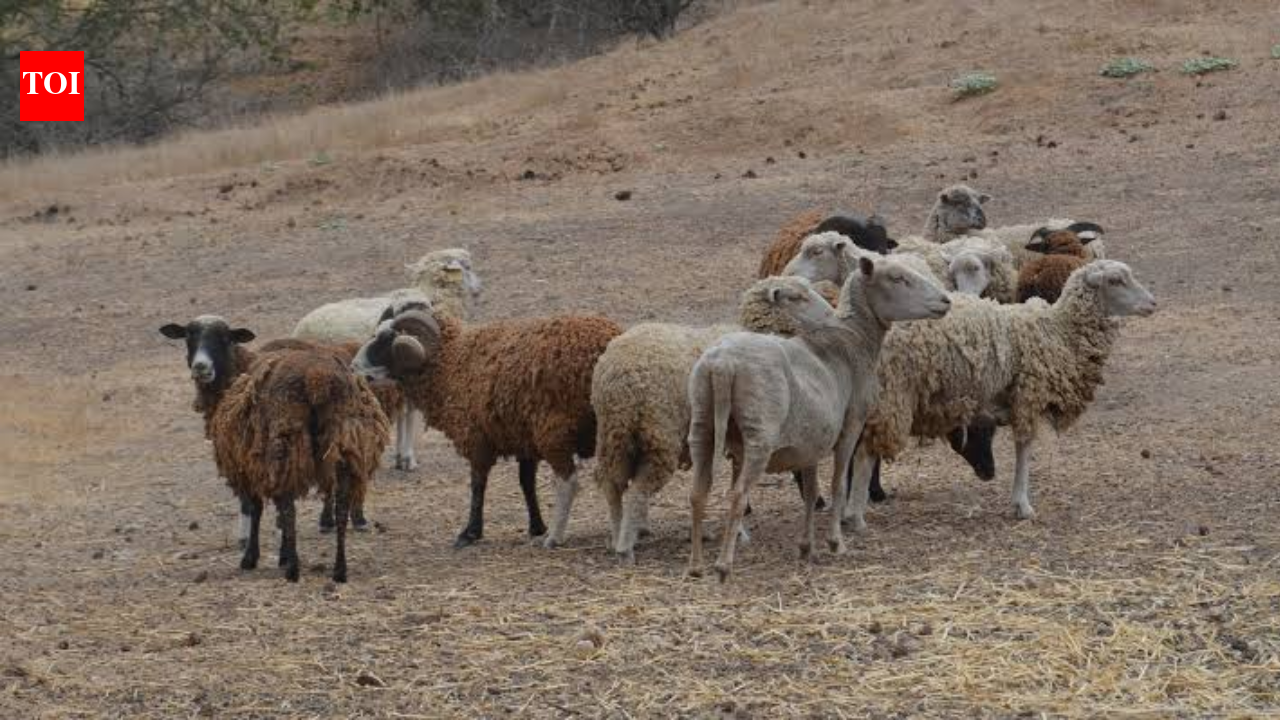
In 1980, conservationists began eradicating feral sheep to restore California's Santa Cruz Island

Times of India · collected 2026-09-08 · by TOI Science Desk
Read the original at Times of India ↗

Summary

Conservationists began an ecological restoration program on Santa Cruz Island in California in 1980 to remove feral sheep damaging native plants and wildlife habitats. Over seven years, the population fell from around 21,500 to fewer than 100 animals. A genetically distinct heritage breed of sheep was also saved by capturing 12 lambs, which were brought to the American mainland for conservation efforts. The eradication effort was part of a broader restoration project led by environmental non-profit organization The Nature Conservancy, which took control of most of Santa Cruz Island in 1980.
Written by the local model on 2026-09-08, using this article's own text rather than the other coverage of the same event (that is the story summary below).

Signals How these are calculated →

Claims extracted
34
claim-shaped sentences
Uncertain
3%
1 of 34 hedged
Leaning
withheld
no quote in the article backed the model's score
Publisher trust
94.3
red-flag proxy, not a credibility rating
Outlets on this story
1
Environment
Narrative spread
1
articles carrying this framing
Analyzed 2026-09-08 · how these are computed

AI analysis (generated at analysis time, not now)

Story summary

In 1980, conservationists began eradicating 21,500 feral sheep on Santa Cruz Island, off the coast of Southern California, to restore the island's native plants and wildlife habitats. The eradication efforts lasted for seven years and significantly changed the island's landscape. By 1987, the number of feral sheep had decreased to fewer than 100 animals. This effort was sparked by concerns over the damage caused by unchecked grazing on the island, which threatened the native ecosystem. Additionally, conservationists sought to preserve a unique breed of sheep with a genetic line linked to 19th-century Spanish and Merino sheep, which was facing extinction. To save this heritage breed, 12 lambs were captured from the island and taken to the American mainland as part of a rescue mission.

Written for “Restoring California's Santa Cruz Island” on 2026-09-08, grounded in this article and the 0 other(s) covering the same event.
Why this leaning score
The model judged this article politically coded and scored it +0.35, but every quote it verified points left, so the score is not published.
Written under an earlier scoring contract, which gave a paragraph rather than checkable quotes. Re-analysing this article replaces it.
Leaning score withheld for article 6966: score contradicts its own evidence · logged 2026-09-08

Story

📰 Restoring California's Santa Cruz Island
Environment · 1 article(s) covering the same event. This is the one the site leads with.

How this is being covered How these are calculated →

Article leaning vs. publisher reliability
Source leaning vs. consistency

Compared with similar articles

This article reads unscored and hedges 3% of its claims. Each row says how that neighbour differs.
The Guardian
⚖️ Leans right 🔴 9% hedged 3 of 34 📰 publisher trust 59
“The articles describe different islands (Catalina Island vs Santa Cruz Island) and different animal populations (deer vs feral sheep), indicating they cover unrelated events.”

Publisher

Times of India · 220 article(s) · 0 correction(s) detected
No corrections detected for this publisher. That may mean careful reporting, or simply that nothing has been checked.

Who wrote this

TOI Science Desk
38 article(s) here · 0 carrying a prediction
🔮 Now, researchers led by the University of Vienna have found that common gut bacteria may be more complex and more transmissible than previously thought.
🔮 Amidst this, researchers in Chile have designed an unlikely new garment for injured penguins, snug red vests threaded with copper and zinc that they hope will help the aquatic birds heal faster, according to a report by US News & World Report.
🔮 Visitors may notice the bees, especially on warm, sunny days, but the insects are generally non-aggressive and focused on foraging and nest building rather than defending a large communal hive.
🔮 The temporary abundance is exciting; however, it may upend local fishing economics.
🔮 From the surface a lake might look like it is not changing at all but underneath it is a very different story.
🔮 Based on the surveys conducted, the team calculated that the total population could easily exceed 20,000 individuals.
🔮 Instead, scientists suggest, it may have been a competition between fundamentally different ways of wiring neural circuits, with limited brain space forcing different systems to compete, which influenced brain evolution.
🔮 The information from acoustic sonar could help wildlife authorities plan future maintenance and construction work.
🔮 Understanding these sounds could become increasingly important as Arctic ice continues to break up and retreat.
🔮 A single breeding pair of rats could, within a few years, rebuild a population large enough to threaten seabirds again.
Wire or desk byline, not an individual reporter.
Also by TOI Science Desk
Nothing else under this byline is closely related to this article, so these are simply their most recent.
All 38 articles by TOI Science Desk →

Topics

American Islapedia Santa Cruz The Livestock Conservancy Wikipedia

Subjects

Santa Cruz GPE · 3× American NORP · 2× Dirk Van Vuren PERSON · 2× Spanish NORP · 2× The Livestock Conservancy ORG · 2× Biological Conservation ORG · 1× Edwin L. Stanton PERSON · 1× Islapedia ORG · 1× The Nature Conservancy ORG · 1× Wikipedia ORG · 1×

Narrative

Research by The Livestock Conservancy, then known as the American Minor Breeds Conservancy (AMBC), showed that Santa Cruz sheep had a rare and largely unchanged genetic line linked to 19th-century Spanish and Merino sheep.
framing: assertive · carried by 1 article(s) · first seen 2026-09-08

Claims (34 extracted, 1 hedged)

In 1980, conservationists began an ambitious ecological restoration programme on Santa Cruz Island, off the coast of Southern California. asserted
conservationists → begin → California
The main goal was to remove tens of thousands of feral sheep whose uncontrolled grazing was damaging native plants and threatening wildlife habitats. asserted
grazing → remove → habitats
Over the next seven years, organised eradication efforts dramatically changed the island’s landscape. asserted
efforts → organise → landscape
According to historical records from The Livestock Conservancy and information documented in Wikipedia’s Santa Cruz sheep entry, the feral population fell from about 21,500 to fewer than 100 animals by 1987. uncertain
population → accord → 1987
With a genetically distinct heritage breed close to extinction, conservationists launched a rescue mission, capturing 12 lambs to save the breed on the American mainland. asserted
conservationists → launch → mainland
A centuries-long presence on the island Domestic sheep were first brought to Santa Cruz Island in the mid-19th century. asserted
sheep → bring → century
Historical information from Islapedia shows that livestock operations were established around 1851 under Spanish and American ranch managers. asserted
operations → show → managers
But this changed during the 20th century. asserted
this → change → century
When private owner Edwin L. Stanton bought the western part of the island in 1937, he shifted the main focus of the ranches to cattle. asserted
he → buy → cattle
Sheep shearing stopped across large areas, leaving thousands of sheep without proper management. asserted
shearing → stop → management
Over many generations, the animals returned to a completely wild state and adapted to the difficult conditions of the Channel Islands. asserted
animals → return → Islands
Cut off from mainland sheep, the Santa Cruz animals developed special traits that helped them survive. asserted
them → Cut → traits
They became smaller, very agile, resistant to many common sheep diseases and able to live on limited vegetation without human care. asserted
They → become → care
However, their growing population became a serious threat to the island’s already fragile ecosystem. asserted
population → grow → ecosystem
Large numbers of feral sheep were eating native vegetation, causing soil erosion and destroying habitats needed by endemic species. asserted
numbers → eat → species
In 1980, environmental non-profit organisation The Nature Conservancy took control of most of Santa Cruz Island and began a major restoration project. asserted
organisation → take → project
Research by ecologist Dirk Van Vuren, published in the journal Biological Conservation, showed how heavy sheep grazing was damaging trees and stopping native plants from growing back. asserted
grazing → publish → plants
To restore the island’s natural biodiversity, conservation workers began a large-scale eradication programme. asserted
workers → restore → programme
Field teams used controlled hunts and aerial shooting from helicopters to reach remote valleys and ridges. asserted
teams → use → valleys
Within seven years, the population of about 21,500 sheep had been reduced to fewer than 100. asserted
population → reduce → 100
While environmentalists welcomed the return of native plants, livestock historians realised that a unique heritage breed was also close to disappearing. asserted
breed → welcome → plants
Research by The Livestock Conservancy, then known as the American Minor Breeds Conservancy (AMBC), showed that Santa Cruz sheep had a rare and largely unchanged genetic line linked to 19th-century Spanish and Merino sheep. asserted
sheep → know → sheep
, researchers Phil Hedrick, Marion Stanley and Dirk Van Vuren played important roles in efforts to save the breed. asserted
Hedrick → play → breed
With the last island sheep facing possible extinction, conservationists stepped in late in 1987. asserted
conservationists → face → 1987
A small team captured 12 wild lambs from the remaining flock and moved them across the Santa Barbara Channel to the California mainland. asserted
team → capture → mainland
These 12 animals became the foundation of a captive breeding programme created to protect the breed’s future. asserted
animals → become → future
Securing the breed’s survival off the island Moving from a wild island environment to mainland farms created new challenges. asserted
Moving → secure → challenges
The rescued lambs were not used to people and needed careful handling by experienced rare-breed owners. asserted
lambs → rescue → owners
With help from private breeders, educational institutions and heritage livestock organisations, the mainland population slowly grew. asserted
population → grow → breeders
The Livestock Conservancy introduced strict registration standards to reduce inbreeding while keeping the breed’s genetic line pure. asserted
Conservancy → introduce → line
By the late 1990s, further rescue efforts by animal welfare groups such as Farm Sanctuary brought more sheep away from the remaining private parts of the island before government eradication programmes were completed. asserted
programmes → bring → island
Today, Santa Cruz sheep remain one of the rarest sheep breeds in North America. asserted
sheep → remain → America
The rescue carried out in 1987 ensured that these hardy animals survived in small conservation flocks across the United States. asserted
animals → carry → States
They now serve as a living link to California’s agricultural history and an example of successful livestock conservation. asserted
They → serve → conservation

💬 Give feedback
🕘 History 🎫 Support