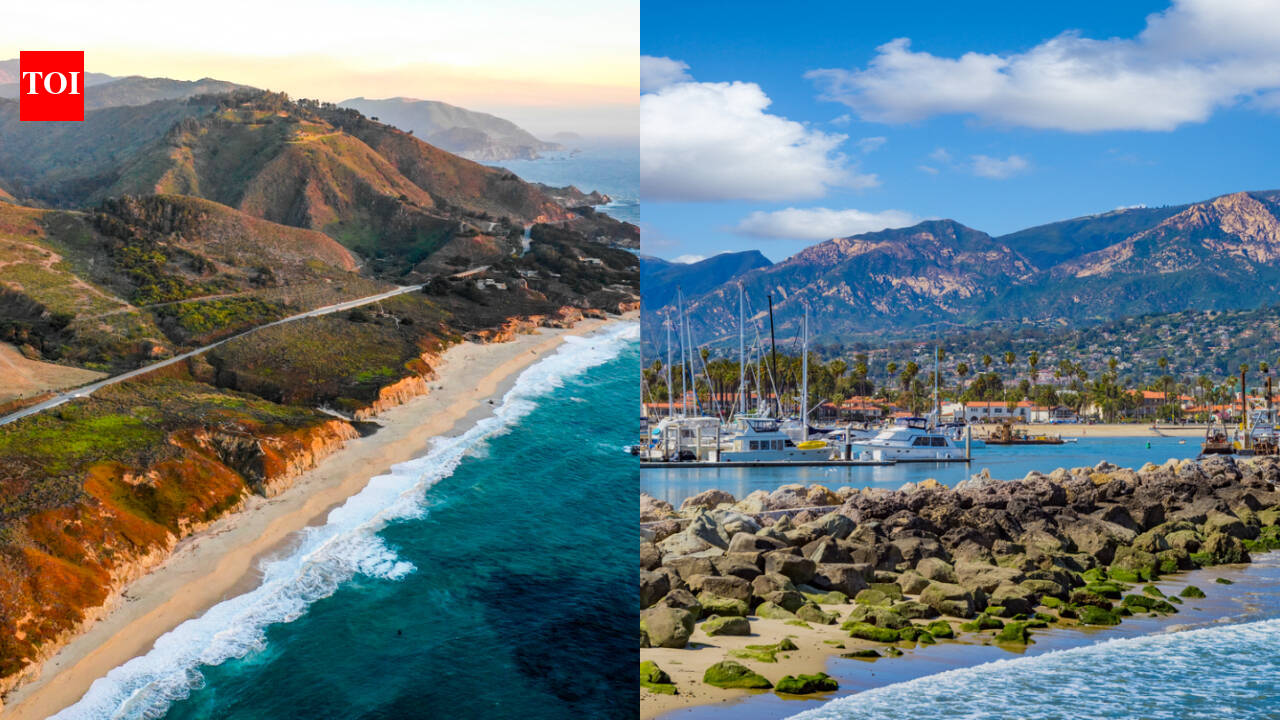
Along California’s vast coastline, some of the ocean’s most valuable real estate now has a new layer of protection.
asserted
some → have → protection
From kelp forests off Malibu to biologically rich waters near Santa Barbara and Point Sal, the state has expanded its marine conservation network for the first time in more than a decade, adding roughly 15,000 acres of safeguarded coastal waters.
asserted
state → expand → waters
The move comes at a consequential moment for California’s coastline, as debates over fishing access, tribal stewardship, climate change and potential offshore oil development intensify, states the latest report by Santa Monica Daily Press (SMDP).
asserted
report → come → Press
According to the SMDP, the California Fish and Game Commission approved the latest changes following a three-year process involving tribes, fishermen, scientists, local governments and members of the public.
uncertain
Commission → accord → public
The additions bring approximately 22.2% of California’s coastal waters under conservation, moving the state closer to its target of protecting 30% of its waters by 2030.
asserted
additions → bring → 2030
One of the most significant changes expands the Point Dume State Marine Conservation Area off Malibu.
asserted
One → expand → Malibu
The extension encompasses additional kelp forest habitat, an ecosystem increasingly important as warming ocean conditions place pressure on marine life.
asserted
conditions → encompass → life
The state has also established two new conservation areas: the Point Sal State Marine Conservation Area in San Luis Obispo County and the Mishopshno State Marine Conservation Area near Carpinteria in Santa Barbara County.
asserted
state → establish → County
Tribal stewardship takes centre stage
asserted
stewardship → take → stage
The new areas mark a historic development for California’s marine protection network because they are the first sites in the system to emerge from tribal nominations.
asserted
they → mark → nominations
The Point Sal proposal was co-led by the Northern Chumash Tribal Council, while the Santa Ynez Band of Chumash Indians helped champion the Mishopshno designation.
asserted
Band → co → designation
Both areas hold ecological as well as cultural significance, strengthening the possibility of greater collaboration between tribal communities and state agencies.
asserted
areas → hold → communities
The Los Angeles Times reported that Point Sal encompasses kelp forests, Lion Rock and habitats used by sea lions, seals and migratory birds.
asserted
Sal → report → lions
The waters near Carpinteria Reef, meanwhile, include one of the Santa Barbara Channel’s healthiest kelp forests, alongside important nursery habitat for marine species.
asserted
waters → include → species
The Mishopshno area takes its name from a nearby historic Chumash village, reflecting the connection between cultural heritage and marine conservation.
asserted
area → take → heritage
Conservation meets economic concerns
The new protections have not been welcomed universally.
asserted
protections → meet → concerns
While environmental groups and conservation advocates have celebrated the designations, commercial and recreational fishermen have raised concerns about losing access to productive fishing grounds.
asserted
fishermen → celebrate → grounds
Under the new rules, both tribal-nominated conservation areas allow hook-and-line fishing from shore but prohibit commercial fishing and boat-based recreational fishing within their boundaries.
asserted
areas → nominate → boundaries
For fishing businesses, that could mean longer journeys to reach accessible waters, potentially increasing costs and reducing opportunities for affordable family fishing trips.
uncertain
that → mean → trips
Commercial fishermen have also questioned whether the environmental benefits have been weighed against the potential economic and social consequences.
asserted
benefits → question → consequences
The California Department of Fish and Wildlife had advised against creating the new protected areas, recommending that tribal management opportunities be explored through a separate process.
asserted
opportunities → advise → process
The Ocean Protection Council, however, supported the designations.
asserted
Council → support → designations
The latest additions are part of a broader reassessment of California’s marine protected area network, which was completed in 2012.
asserted
which → protect → 2012
State monitoring has found that protected waters can support marine biodiversity while creating benefits for surrounding fisheries and coastal tourism.
asserted
waters → find → fisheries
The timing is particularly significant as California faces growing pressure from climate change and renewed federal interest in offshore oil and gas leasing.
asserted
California → face → leasing
The state has also strengthened protections at Pyramid Point on the North Coast, aiming to help declining fish populations while continuing tribal harvest of a culturally important species, states The LA Times report.
asserted
report → strengthen → species
For conservation advocates, the expanded network represents more than a collection of protected zones.
asserted
network → expand → zones
Connecting habitats can help marine ecosystems become more resilient as ocean temperatures rise and environmental pressures increase, adds SMDP report.
asserted
report → connect → habitats
California still has ground to cover before reaching its 30% marine conservation goal.
asserted
California → have → goal
But after more than a decade without new state marine protected areas, the latest designations signal a renewed effort to treat the coastline not simply as a resource to be used, but as an ecosystem worth preserving for generations to come.
asserted
designations → protect → generations
 The Aporia