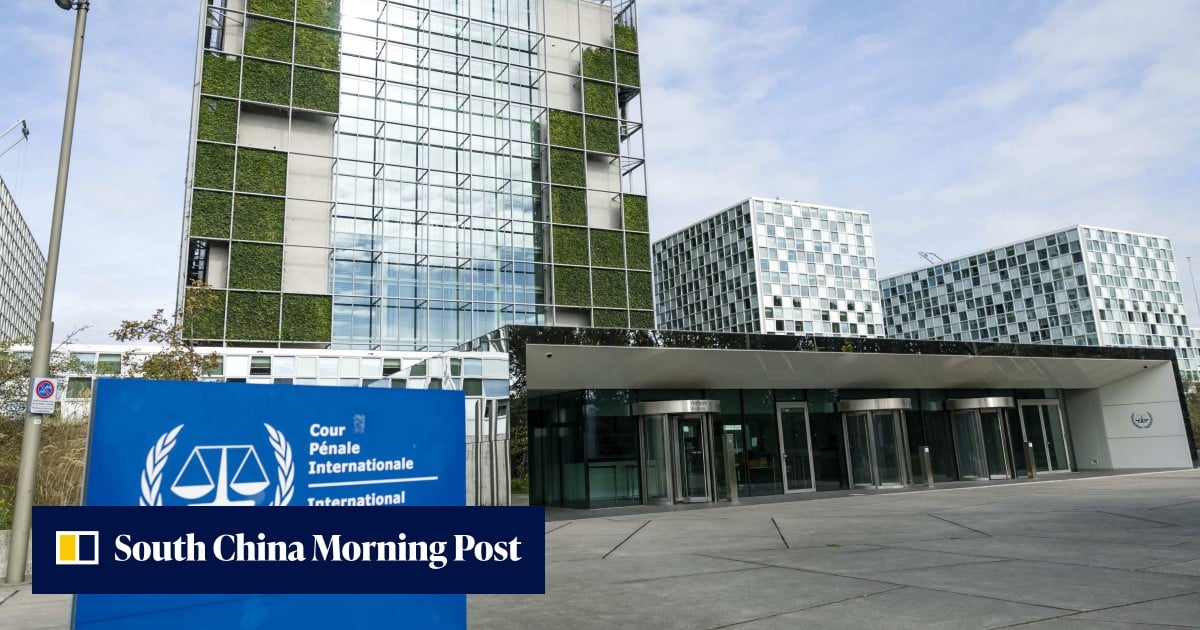
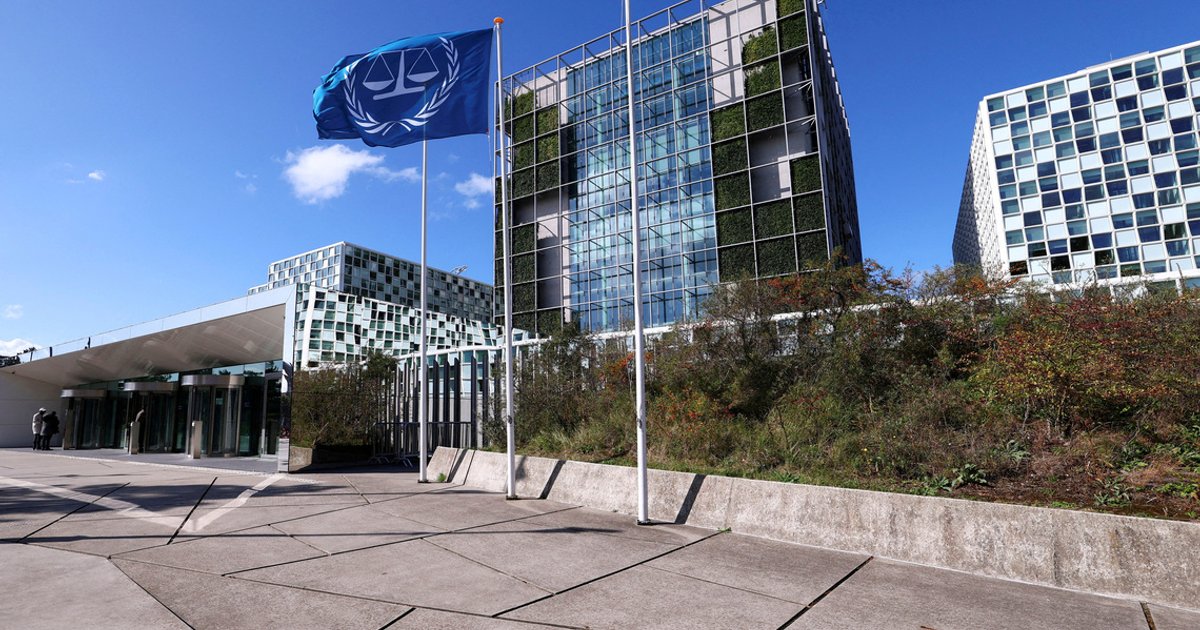
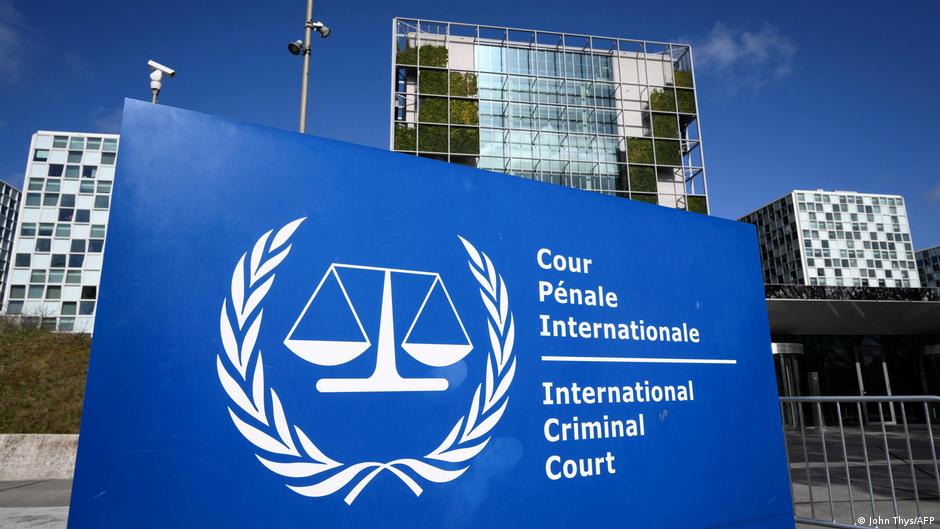
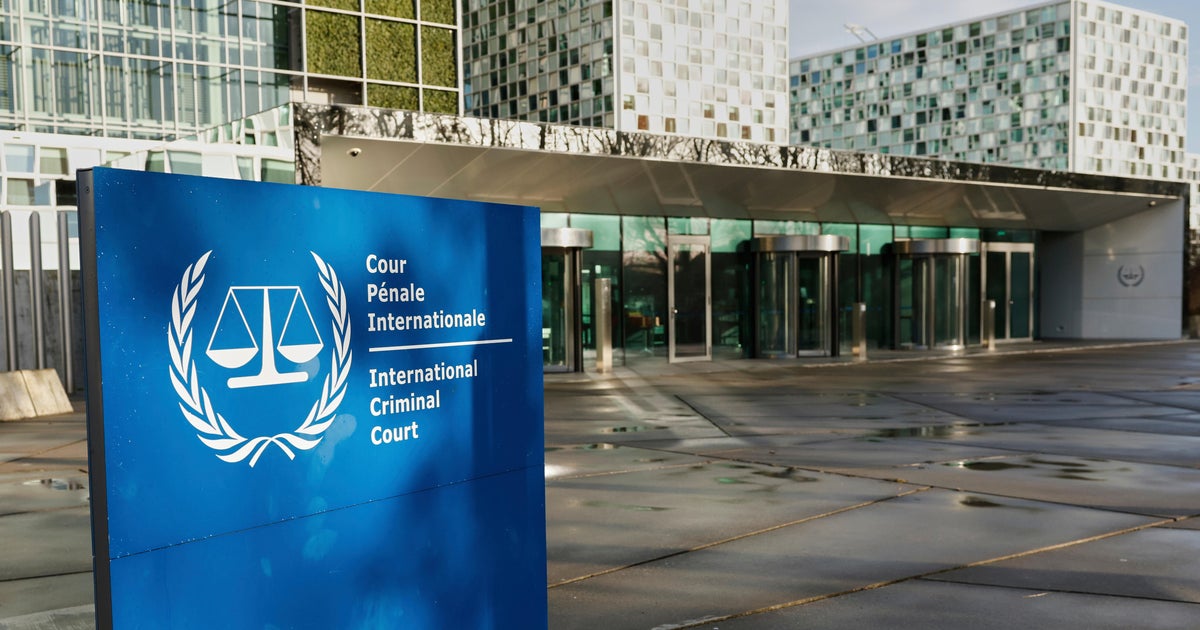
The Trump administration has imposed sanctions on the International Criminal Court (ICC), banning transactions with it and cutting off access to US financial services and technology companies in response to the ICC’s investigation into alleged war crimes committed by U.S. troops in Afghanistan. Secretary of State Marco Rubio labeled the court a 'rogue court' and urged allies to restrict its activities, threatening further action if they do not comply. The sanctions are opposed by several other countries including the UK, Canada, Germany, France, Italy, Japan, and the Netherlands, who reaffirmed their support for the ICC in a joint statement.
Written locally by qwen2.5:14b on 2026-10-09,
using this article's own text rather than the other coverage of the
same event (that is the story summary below).
Story summary
On October 8, the US State Department imposed new sanctions on the International Criminal Court (ICC) in response to the court's investigations into alleged war crimes by American service members. Secretary of State Marco Rubio announced these measures, stating they aim to prevent the ICC from prosecuting Americans and Israelis for war crimes charges it deems unfair or illegal. The sanctions block any assets the ICC might have in US jurisdictions and set a six-month timeline for US companies to wind down their business with the court.
Hours earlier, Navi Pillay, an ex-ICC judge, was awarded the Nobel Peace Prize, further complicating tensions between the US and the international community supporting the ICC's mission. The sanctions extend previous punitive actions against individual judges and prosecutors, now targeting entities that provide services to the court itself. In response, Nazhat Shameem Khan, the ICC’s deputy prosecutor, condemned the sanctions, asserting they would not hinder the tribunal’s operations.
The ICC, established in 2002, aims to prosecute individuals for war crimes, crimes against humanity, genocide, and aggression when national courts fail or refuse to do so. It stressed its commitment to continuing its mandate despite US opposition, urging member states to support it financially and logistically.
Written for “US Sanctions ICC” on 2026-10-09,
grounded in this article and the 12 other(s) covering the same event.
The Trump administration has announced sweeping sanctions on the International Criminal Court (ICC) as part of its campaign to dismantle the tribunal.
asserted
administration → announce → tribunal
It comes as US Secretary of State Marco Rubio labelled the ICC as a 'rogue court' and demanded that America's allies 'rein in' the court, threatening that otherwise the US would 'continue its campaign' to 'end the ICC'.
asserted
US → come → ICC
The US administration has been fiercely critical of the ICC over its investigation into the actions of US troops in Afghanistan and rejected its issuing an arrest warrant for Israeli prime minister Benjamin Netanyahu.
Neither the US nor Israel are signed up to the ICC – established in 2002 to prosecute war crimes, crimes against humanity and genocide – and reject its jurisdiction over their citizens.
asserted
US → reject → citizens
The US announcement of sanctions coincided with one of the court's former judges, Navi Pillay, being awarded the Nobel Peace Prize.
asserted
one → coincide → Prize
Mr Rubio said the sanctions would 'ban transactions' with the ICC, 'cutting off their resources and crippling its ability to operate'.
asserted
sanctions → say → ability
'The United States and the American people are not subject to the jurisdiction of this fake ICC,' Mr Rubio said in a video address posted to social media.
However, the UK joined Canada, Denmark, Germany, France, Italy, Japan and the Netherlands to reaffirm its 'continued and unwavering support' in a joint statement in which they said they 'regret and strongly disagree with' the sanctions.
asserted
they → say → sanctions
The Trump administration has announced sweeping sanctions on the International Criminal Court (ICC) as part of its campaign to dismantle the tribunal
US Secretary of State
asserted
administration → announce → State
Marco Rubio (pictured) labelled the ICC as a 'rogue court' and demanded that America's allies 'rein in' the court, threatening that otherwise the US would 'continue its campaign' to 'end the ICC'
asserted
US → picture → ICC
Calling on US allies to back its plans, Mr Rubio said: 'If they do not, the United States will continue its campaign to dismantle the ICC, piece by piece, until Americans are threatened no longer.'
asserted
Americans → call → piece
The ICC itself said the sanctions were 'an attempt to obstruct the course of justice' and 'an assault on the rule of law and on the very foundations of the international legal order'.
asserted
sanctions → say → order
The sanctions cut the ICC off from US-based financial services, technology companies, and even the use of US dollars.
asserted
sanctions → cut → dollars
They set a six-month timeline for US companies and individuals that have business with the court to wind that business down.
asserted
that → set → business
The remaining G7 nations - as well as Denmark and the Netherlands - said that while the ICC had taken steps to ensure it could continue to operate, the sanctions would 'have a significant impact on the court's work'.
uncertain
sanctions → remain → work
Warning the court 'cannot stand alone', the ICC said: 'Its fate now rests also in the hands of the states that created it.'
asserted
that → warn → it
Their statement went on: 'The court calls upon states to continue taking concrete actions, including to ensure that the court continues to have the necessary means to continue its work.
asserted
court → go → work
This is not just about defending a single institution, but about safeguarding the international order grounded upon the rule of law.
asserted
This → defend → law
'No one should be punished for serving the cause of justice.
asserted
one → punish → justice
History will judge this moment.
asserted
History → judge → moment
Future generations, and above all the victims of mass atrocities, will ask how we responded when an institution created to protect them came under attack.'
asserted
institution → ask → attack
ICC President Tomoko Akane said the court would 'continue to fully discharge its mandate, with independence and impartiality, acting only on the basis of the law and the evidence, for the sake of the countless victims of grave crimes.'
asserted
court → say → crimes
She also appealed to other ICC members for support, saying: 'This is not just about defending a single institution, but about safeguarding the international order grounded upon the rule of law.'
asserted
This → appeal → law
The International Federation for Human Rights also criticised the sanctions, with its president Alexis Deswaef saying the ICC's 125 member states 'cannot establish a court to hold the powerful accountable and then stand by while it is being dismantled'.
asserted
it → criticise → court
'They must act collectively to protect the court, civil society, and the victims and survivors who depend on them,' he added.
asserted
he → act → them
 The Aporia