Beneath the quiet lawns and weathered headstones of a small cemetery in Ithaca, New York, scientists have uncovered one of the most astonishing bee discoveries in recent memory.
asserted
scientists → weather → memory
In a carefully studied 1.5-acre section of the cemetery grounds, researchers estimated that about 5.5 million wild, ground-nesting bees live in a dense network of underground nests.
asserted
bees → study → nests
That number is more than three times the entire human population of Manhattan, packed into an area smaller than many city blocks.
asserted
number → pack → blocks
As reported by Cornell University and ScienceDaily, the finding highlights how urban and suburban landscapes can harbour vast, hidden reservoirs of biodiversity, and it challenges common assumptions about where nature thrives in a developed world.
asserted
nature → report → world
A cemetery that hums with lifeTo the casual visitor
asserted
that → hum → visitor
, the cemetery looks like many others in the Northeast.
asserted
cemetery → look → Northeast
Grass is mowed in neat rows.
asserted
Grass → mow → rows
Trees shade winding paths.
asserted
Trees → shade → paths
Gravestones stand in orderly lines.
asserted
Gravestones → stand → lines
But in late spring and early summer, the ground in certain sections comes alive in a different way.
asserted
ground → come → way
Tiny holes dot the soil, each one the entrance to a bee nest.
asserted
one → dot → nest
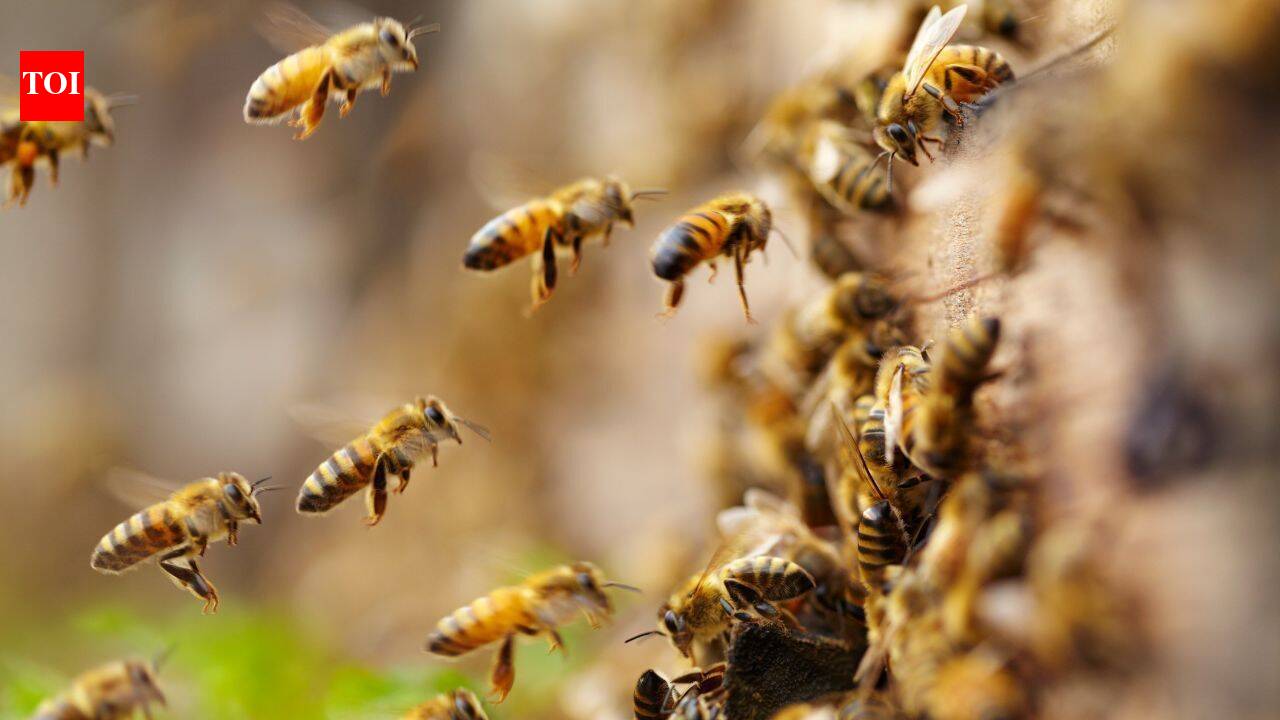
From these openings, thousands of small, dark bees emerge and return in a constant, low hum.
asserted
thousands → emerge → hum
The bees are ground-nesting species, meaning they dig their nests into bare or sparsely vegetated soil rather than building hives in trees or man-made structures.
asserted
they → nest → trees
Many people associate bees with honey-producing colonies in wooden boxes, but the majority of wild bee species are solitary or live in small family groups, and a large share of them nest in the ground.
asserted
share → associate → ground
The cemetery, with its open, well-drained lawns and limited pesticide use, turns out to be an ideal place for them to raise their young.
asserted
them → drain → young
How researchers counted the uncountableCounting millions of tiny, fast-moving insects is not a simple task.
asserted
counted → count → insects
The research team, led by scientists from Cornell University, used a combination of field surveys, statistical modelling and extrapolation to arrive at their estimate.
asserted
team → lead → estimate
They began by mapping the areas of the cemetery in which bee nests were concentrated, and within those areas
asserted
nests → begin → areas
, they estimated nest density by counting the number of nest entrances in sample plots of known size.
asserted
they → estimate → size
They then factored in data on how many female bees typically occupy a single nest and how many offspring each female produces over a nesting season.
asserted
female → factor → season
By combining nest density, nest occupancy and reproductive rates, they were able to estimate the total number of individual bees using the 1.5-acre study area over the course of a season.
asserted
they → combine → season
The result, about 5.5 million bees, is an estimate rather than an exact count, but it is grounded in rigorous sampling and peer-reviewed methods.
asserted
it → ground → sampling
features of the cemetery make it unusually favourable for ground-nesting bees.
asserted
it → make → bees
The soil is well drained and relatively compact, which helps nests stay stable and dry.
asserted
nests → drain → ?
Regular mowing keeps the vegetation short and creates patches of bare ground that many of the bee species prefer for nesting.
asserted
many → keep → nesting
At the same time, the surrounding landscape provides a steady supply of flowers, from early spring blooms to late summer wildflowers, so that adult bees have enough nectar and pollen to feed themselves and their larvae.
asserted
bees → surround → themselves
Importantly, the cemetery is managed with minimal pesticide use.
asserted
cemetery → manage → use
Many urban and suburban lawns are treated with insecticides and herbicides that can kill bees directly or reduce the availability of flowering plants.
asserted
that → treat → plants
In this cemetery, the management approach prioritises long term landscape stability and low chemical inputs, creating a safer environment for nesting insects.
asserted
approach → prioritise → insects
The result is a place where bees can reproduce in extraordinary numbers without conflicting heavily with human activities.
asserted
bees → reproduce → activities
Visitors may notice the bees, especially on warm, sunny days, but the insects are generally non-aggressive and focused on foraging and nest building rather than defending a large communal hive.
uncertain
insects → notice → hive
The finding in the Ithaca cemetery has gotten attention because it flies in the face of common stories about where wildlife can find refuge in human-made landscapes.
asserted
wildlife → get → landscapes
Cities and towns are often thought to be inhospitable to native bees, which are thought to require large swaths of natural habitat to thrive.
asserted
which → think → habitat
This study shows that even small, seemingly mundane patches of green space can support massive populations if they are managed in a bee-friendly way.
asserted
they → show → way
Cemeteries, parks, school grounds and other open spaces are scattered throughout urban areas.
asserted
Cemeteries → scatter → areas
If managed with nesting habitat and floral resources in mind, they could function as a network of refuges for wild bees.
uncertain
they → manage → bees
The sheer number of bees found in just 1.5 acres implies that the total bee biomass in such landscapes could be far larger than previously recognised.
uncertain
biomass → find → landscapes
For conservationists, the takeaway is not that all cemeteries should be left unmanaged, but that modest changes in mowing schedules, pesticide policies and soil disturbance can make a big difference.
asserted
changes → leave → difference
Leaving some areas of bare ground, reducing chemical inputs and planting native flowering species can turn ordinary lawns into productive bee habitat.
asserted
Leaving → leave → habitat
-nesting bees are important pollinators.
asserted
bees → nest → ?
…and 20 more, not listed.
 The Aporia