The Sydney Morning Herald
· collected 2026-10-08 · by Konstantin Toropin
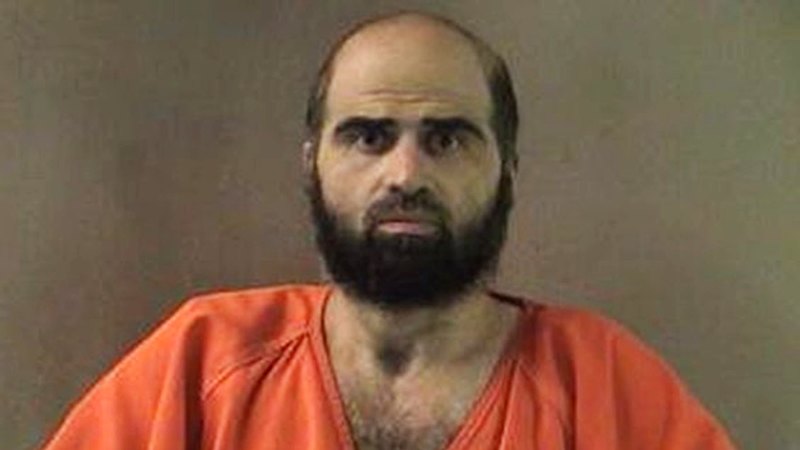
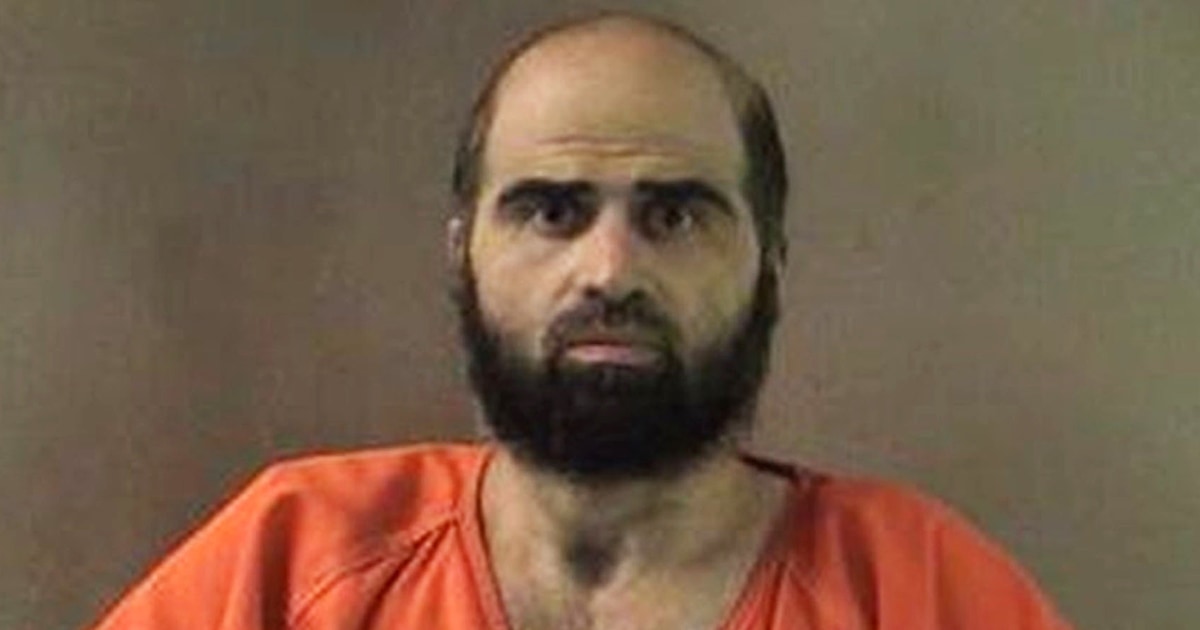
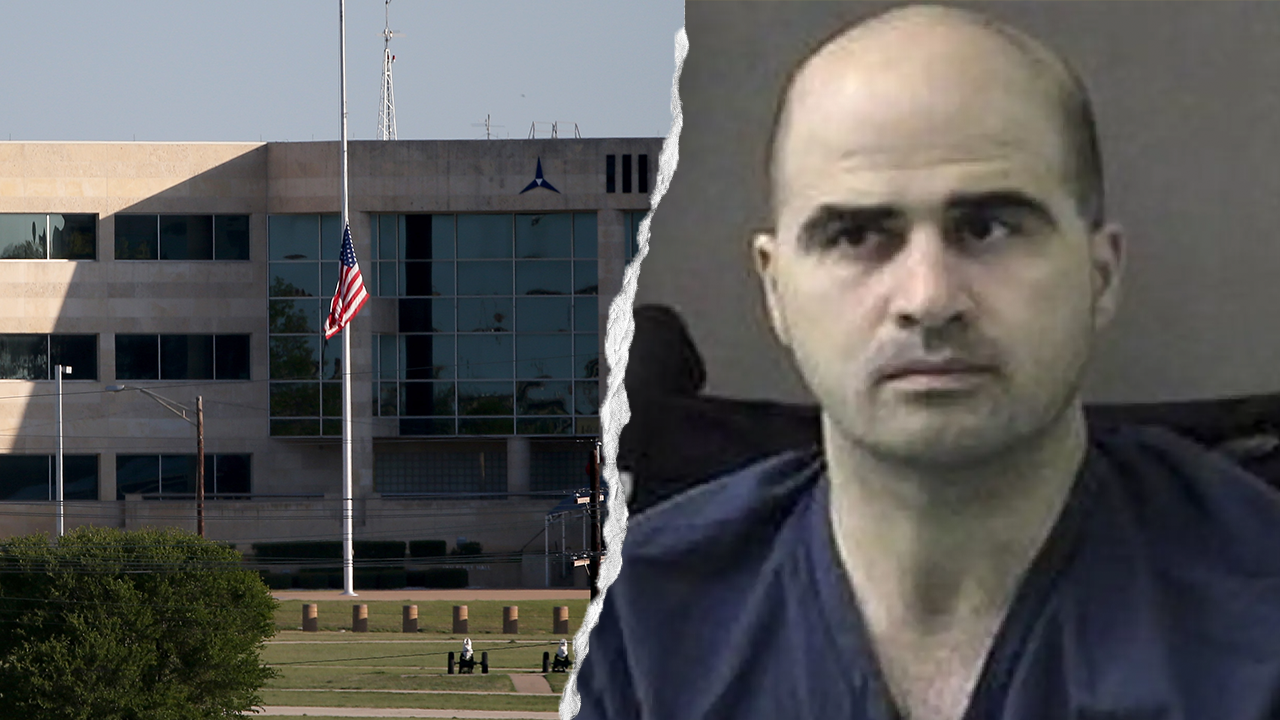
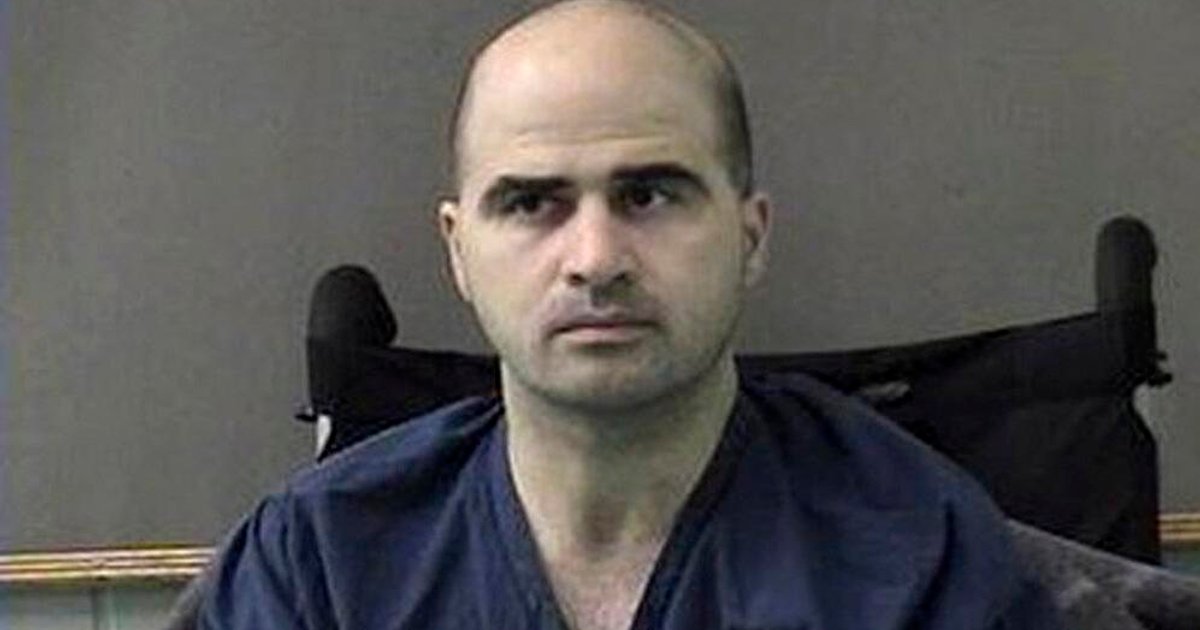
The Pentagon plans to livestream the execution of Nidal Malik Hasan, convicted for the 2009 Fort Hood shooting that killed 13 people and injured 32 others. Defence Secretary Pete Hegseth announced the decision during an interview with Real America’s Voice News on Wednesday, stating it would be public, scheduled for December 3 at Fort Hood. While Trump has previously criticized public executions in Iran, he approved Hasan's execution; legal experts suggest Hasan could delay the process through legal means.
Written locally by qwen2.5:14b on 2026-10-08,
using this article's own text rather than the other coverage of the
same event (that is the story summary below).
The Pentagon says the firing squad execution of Fort Hood shooter Nidal Malik Hasan will be livestreamed after Defence Secretary Pete Hegseth said the execution would be “public”.
asserted
execution → say → Hasan
Hegseth, speaking to the conservative TV outlet Real America’s Voice News on Wednesday, said the execution of Hasan will take place at Fort Hood on December 3.
asserted
execution → speak → December
Hasan was convicted of killing 13 people and injuring 32 others in a shooting at the military base in 2009.
asserted
Hasan → convict → 2009
“We’ll make sure that people are able to watch it, that it’s public,” Hegseth said.
asserted
Hegseth → make → it
Hegseth spoke to the outlet aboard the USS Abraham Lincoln aircraft carrier while visiting the long-deployed crew, who supported the Iran war, before their arrival at their home port in San Diego.
asserted
who → speak → Diego
When asked if Hasan had made any final requests or reached out to the Trump administration, Hegseth simply replied: “Don’t care.
asserted
Hegseth → ask → administration
We’ll see him on December 3rd.”
asserted
We → see → 3rd
Officials in the Pentagon clarified on Thursday that the execution would be livestreamed and that more details would follow.
asserted
details → clarify → Thursday
Pentagon spokesperson Sean Parnell had said that US President Donald Trump had approved the execution of Hasan.
asserted
Trump → say → Hasan
Trump has previously been critical of public executions in Iran, at times using the possibility of protesters being killed by the Iranian government as a possible rationale for military action.
asserted
Trump → use → action
Those warnings preceded his ultimate choice to attack Iran at the end of February over its ballistic missiles and the risk
asserted
warnings → precede → risk
of it developing nuclear weapons
asserted
it → develop → weapons
“We’ve been told that the killing in Iran is stopping,” Trump told reporters on January 14 of this year.
asserted
Trump → tell → year
“It’s stopping and there’s no plan for executions.”
asserted
It → stop → executions
He repeated that claim on January 20 at a White House press briefing, saying: “We let them know that if that happens, that will be a very bad day for them.
uncertain
that → repeat → them
And they decided not to do it.
asserted
they → decide → it
They didn’t hang the people.
asserted
They → hang → people
Slightly more than a month later in his State of the Union address, Trump said, “We stopped them from hanging a lot of them with the threat of serious violence.
asserted
We → say → violence
The White House on Thursday immediately referred questions about the plans for the livestreamed execution to the Pentagon.
asserted
House → refer → Pentagon
However, experts on military law said Hasan could choose to resist execution and file a habeas petition in civilian court, which could significantly delay the execution.
uncertain
which → say → execution
“It frankly might outlast the current administration, and who knows if the next one will have the same penchant for executions,” Eugene R. Fidell, a visiting lecturer at Yale Law School specialising in military law.
uncertain
one → outlast → law
Hasan, an Army psychiatrist who held the rank of major, walked into a medical building where soldiers were waiting in long lines to receive immunisations and medical clearance for deployment.
asserted
soldiers → hold → deployment
He shouted “Allahu akbar” — Arabic for “God is great!” — and opened fire with a laser-sighted handgun.
asserted
God → shout → handgun
During the trial it was revealed that Hasan spent weeks planning the deadly attack, and his preparation included videotaping a sales clerk showing him how to change the magazine on the pistol that he purchased.
asserted
he → reveal → that
He would later go to a gun range outside Austin and ask for advice on how to reload with speed and precision from an instructor.
asserted
He → go → instructor
Soldiers later testified that Hasan’s rapid reloading made it all but impossible to stop the shooting.
asserted
it → testify → shooting
Investigators recovered 146 shell casings inside the building and dozens more outside, where Hasan shot at the backs of soldiers fleeing toward the parking lot.
asserted
Hasan → recover → lot
Hasan said it was an effort to stop them from going to Afghanistan and killing his fellow Muslims.
asserted
it → say → Muslims
A military judge barred him from presenting that as a defence during his trial.
asserted
judge → bar → trial
Hasan made almost no effort to defend himself in court, telling jurors when he acted as his own counsel that evidence would show he was the shooter and describing himself as a soldier who had “switched sides.”
asserted
who → make → sides
Hegseth said the military had not executed a service member by firing squad since World War II.
asserted
military → say → II
The last military execution took place on April 13, 1961, when Army Private John Bennett was executed by hanging.
asserted
Bennett → take → hanging
Hasan is set to become the first person to be executed by firing squad by the US military since 1945, shortly after the end of World War II.
asserted
Hasan → set → II
Get a note directly from our foreign correspondents on what’s making headlines around the world.
asserted
what → get → world
 The Aporia