The widow of an airman killed on a combat mission in the Middle East has shared her outrage after it took a viral social media post to get issues related to her husband's benefits and basic pay months resolved.
asserted
issues → kill → benefits
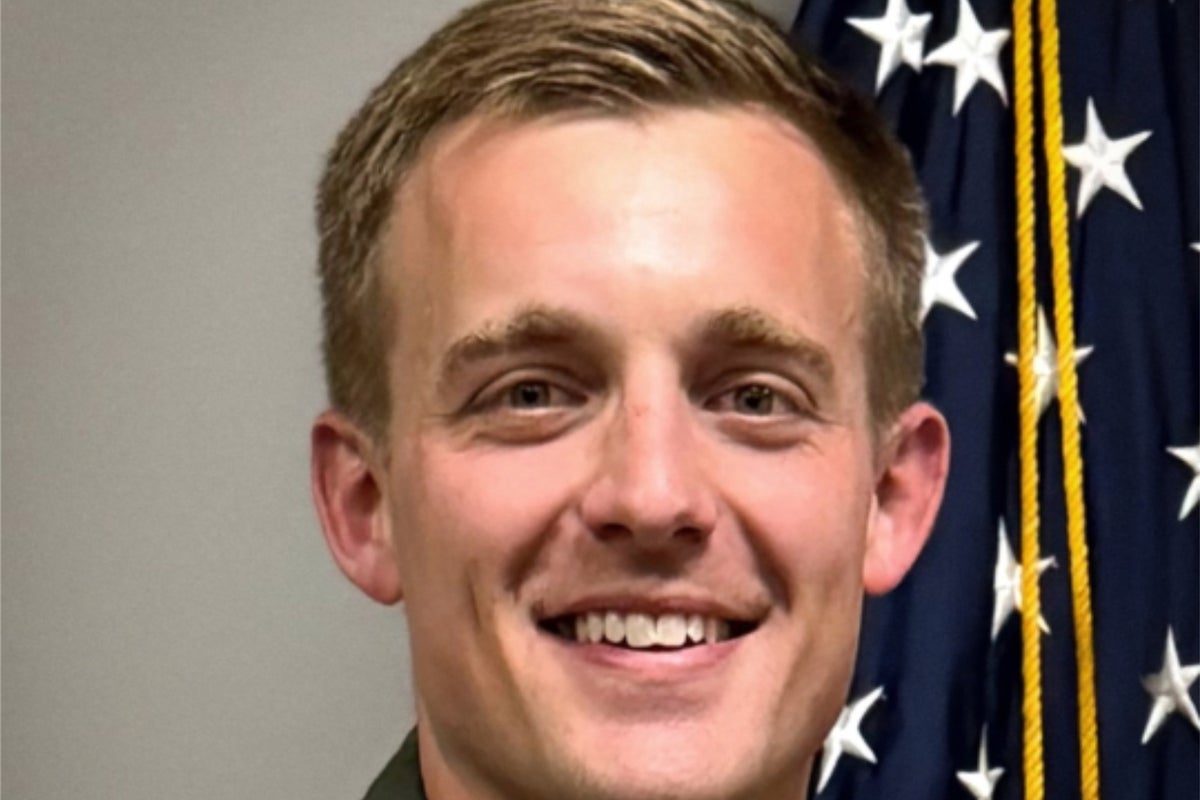
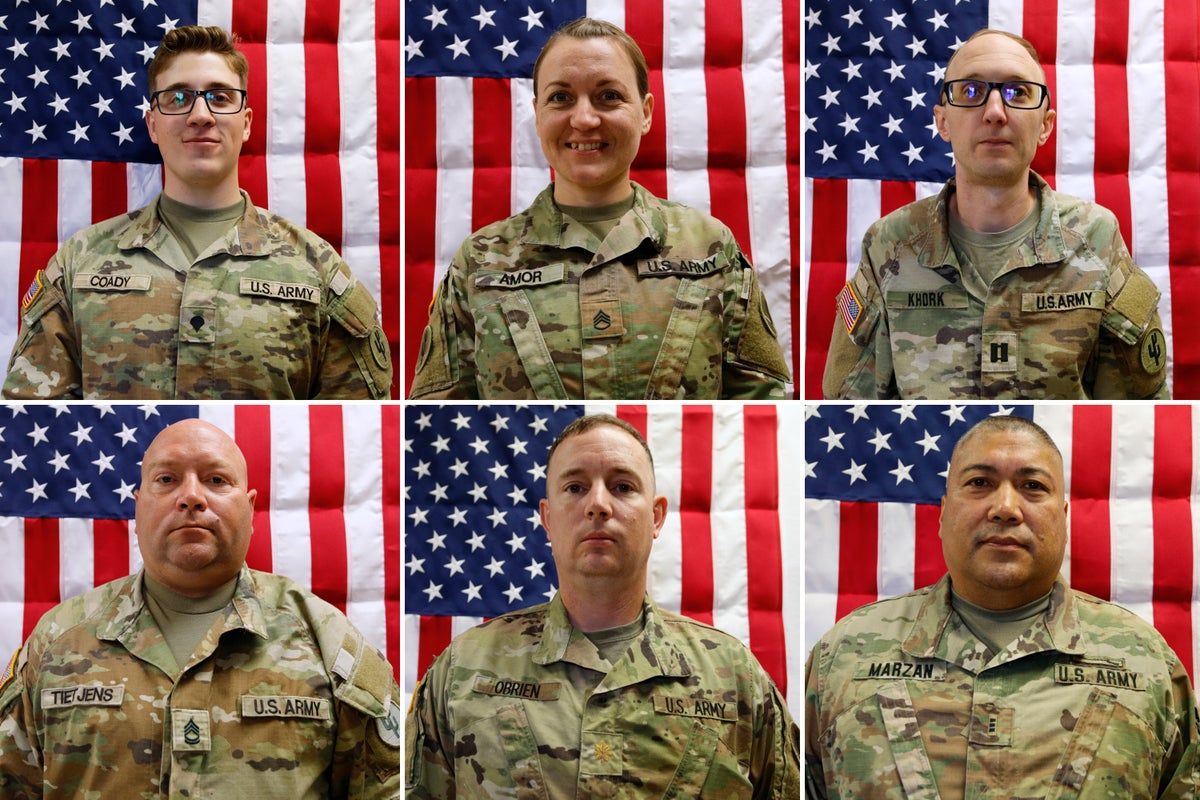
Maj. Alex Klinner, 33, was one of six military members onboard a KC-135 refueling aircraft when it crashed in western Iraq in March while supporting operations against Iran.
asserted
it → crash → Iran
A total of 18 U.S. service members have been killed, along with 790 wounded, since the war began more than six months ago.
asserted
war → kill → 790
The Air Force reached out to his widow, Libby Klinner, this week to clarify that his final paycheck would include hazard pay and combat-related tax breaks.
asserted
paycheck → reach → pay
This came after she voiced frustration on social media at being told by a military officer assigned to support her after her husband’s death that he was ineligible for those benefits because “we were not at war.”
asserted
we → come → war
“My husband lost his life because we’re in a war, and then I was told that because it’s not technically a war, we lose out on something,” Klinner told The Associated Press.
asserted
Klinner → lose → Press
“It all comes down to principle.”
asserted
It → come → principle
Trump administration is rejecting the ‘war’ label for current Iran operations
Her post, made over the weekend, gained national attention.
asserted
post → reject → attention
Vice President JD Vance promised to look into her case after being asked about it during a White House briefing on Thursday.
asserted
Vance → promise → Thursday
“We want to be as helpful as we can and ensure she gets everything that she is entitled to,” Vance said.
asserted
Vance → want → that
“My message to her would be, ‘We love ya, we’re grateful for the sacrifice and we very much take very seriously our commitment to get you what you need to get.’”
asserted
you → love → what
In response to a separate question, Vance rejected the use of the word “war” to characterize U.S. fighting in Iran, saying that “there is no active shooting.”
asserted
Vance → reject → Iran
The military has launched strikes against targets in Iran twice this week, and Iran has retaliated by firing on U.S. allies in the Gulf.
asserted
Iran → launch → Gulf
On Friday, President Donald Trump called U.S. strikes “intermittent" and defended Vance's comments.
“I call it a military conflict because it’s small potatoes for us,” Trump told reporters in the Oval Office.
asserted
Trump → call → Office
In late July, the Trump administration created a new, separate category in the Pentagon's casualty count system for those killed and wounded in renewed U.S.-Iran fighting.
asserted
administration → create → fighting
Pentagon officials said the change was necessary because “Operation Epic Fury,” the original name for combat operations against Tehran, had ended.
asserted
Fury → say → Tehran
Since July 7, all U.S. casualties in the Middle East have been tallied under “Overseas Operations.”
asserted
casualties → tally → Operations
Widow says Air Force has clarified issues about husband's pay
Libby Klinner said Air Force officials contacted her this week to say they were initiating a review of her husband's pay.
asserted
they → say → pay
The Air Force acknowledged to her Thursday that it had initially provided inaccurate information and clarified that she was receiving the full pay and benefits her husband was owed, she said.
asserted
she → acknowledge → pay
She said she was told that her husband's paycheck had already included but incorrectly itemized the combat-related hazard pay and tax breaks.
asserted
paycheck → say → pay
The pay incentives commonly known as “combat pay” are $225 per month and are not conditioned on a formal war declaration but just that the service member be in an area where there is “grave danger of physical injury” or be “killed, injured, or wounded by a hostile fire event,” according to a military website.
uncertain
member → know → website
Alex Klinner’s final paycheck would have included half that amount since troops are paid twice per month.
asserted
troops → include → month
It is difficult to calculate how much in federal tax breaks Klinner would have been receiving without more information.
asserted
Klinner → calculate → information
Klinner declined to specify the amount of money she was initially told her husband, an eight-year Air Force veteran from Birmingham, Alabama, would be ineligible to receive.
asserted
husband → decline → Birmingham
The Air Force says it's committed to offering information and support
The Air Force said officials spoke with Klinner this week to “ensure all her questions are fully addressed” and confirmed that “all eligible combat theater benefits were included” in her husband's pay.
asserted
benefits → say → pay
“We remain committed to providing clear information and continued support to Mrs. Klinner, as well as all the families of the Airmen who died in the KC-135 crash,” the Air Force added.
asserted
Force → remain → crash
Broadly, errors in pay in the military are very common because service members can often gain or lose eligibility for a variety of payments depending on their deployment status, duty location or even family factors.
asserted
members → gain → status
As a result, unlike their civilian counterparts, some troops can see their paychecks change many times a year depending on many factors — something that also increases the likelihood of errors.
asserted
that → see → errors
A GoFundMe for Libby Klinner and her three young children, launched in the days after her husband’s death, has raised more than $1.5 million.
asserted
GoFundMe → launch → million
Klinner said she hoped that by speaking out, other grieving families receive clear information from the outset.
asserted
families → say → outset
"I am very fortunate to have a significant support system around us and a platform to advocate for myself and for my kids.
asserted
I → have → kids
Other families may not have those resources," she said.
uncertain
she → have → resources
“If I can do anything to make this awful situation a little bit easier for someone else to navigate, then I am more than willing to do so.”
asserted
I → do → anything
 The Aporia